Acanthamoeba Keratitis Treatment: Expert Guide For Clinicians
Comprehensive guide to diagnosing, medically managing, and surgically addressing Acanthamoeba keratitis for optimal vision preservation.
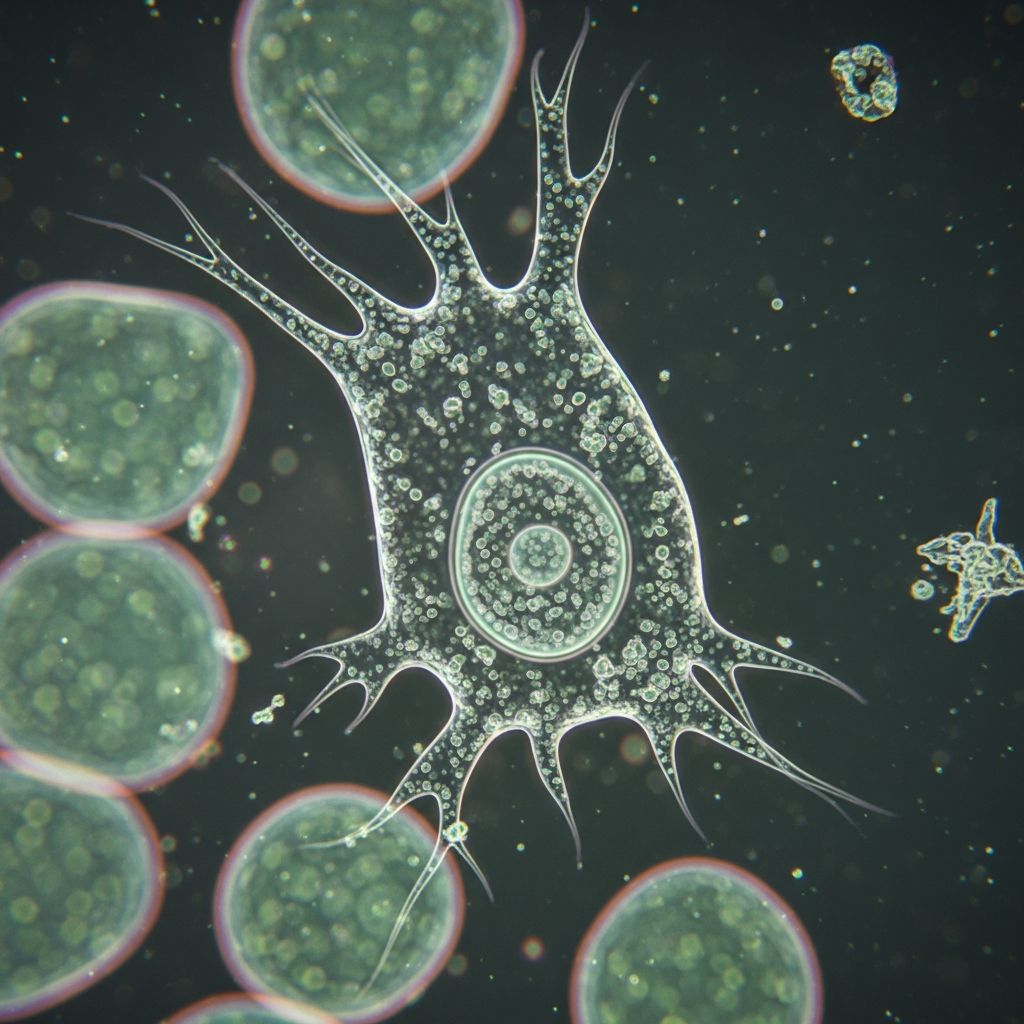
Acanthamoeba keratitis (AK) represents a rare yet severe corneal infection caused by the free-living amoeba Acanthamoeba, frequently associated with improper contact lens care. This condition demands prompt recognition and aggressive therapy to prevent permanent visual loss. Treatment protocols emphasize intensive topical antimicrobial regimens, adjunctive procedures, and cautious inflammation management.
Understanding the Pathogen and Infection Dynamics
Acanthamoeba exists in two forms: the active trophozoite, vulnerable to many agents, and the dormant cyst, highly resistant and capable of prolonged survival. This dual lifecycle complicates eradication, often requiring extended therapy spanning 6-12 months or more. Early intervention targets immature cysts before full encystment, improving outcomes significantly.
Diagnostic Approaches for Timely Intervention
Accurate diagnosis hinges on clinical suspicion in cases of persistent keratitis unresponsive to standard antibacterial or antiviral treatments, especially with risk factors like contact lens wear. Key diagnostic steps include:
- Corneal scraping for confocal microscopy, revealing double-walled cysts.
- Culture on non-nutrient agar overlaid with E. coli.
- PCR testing for definitive confirmation.
Advanced imaging such as in vivo confocal microscopy aids non-invasive detection, showing characteristic cyst morphology.
Core Medical Treatment Protocols
First-line therapy centers on topical biguanides like polyhexamethylene biguanide (PHMB) 0.02%-0.08% or chlorhexidine 0.02%, often paired with diamidines such as propamidine 0.1% or hexamidine 0.1%. Recent evidence supports PHMB 0.08% monotherapy as equally effective as combinations, with cure rates up to 86%.
Intensive Dosing Schedule:
| Phase | Dosing Frequency | Duration |
|---|---|---|
| Initial Loading | Hourly, day and night | 48 hours |
| Intensification | Hourly while awake | 3-7 days |
| Maintenance | Every 2-4 hours | Weeks to months |
| Long-term | 4 times daily | 6-12 months |
Adjuncts like neomycin 1% (5 times daily) target trophozoites and prevent bacterial overgrowth, enhancing biguanide efficacy.
Advanced Pharmacologic Options for Refractory Cases
For persistent infections, consider:
- Oral miltefosine: 50 mg three times daily until resolution; FDA-approved for refractory AK but monitor for severe inflammation.
- Antifungals: Topical voriconazole 1%, oral voriconazole 200 mg twice daily, or others like clotrimazole.
- Triple therapy: Biguanide + diamidine + neomycin for synergistic effects.
Treatment success requires strain-specific susceptibility testing when feasible.
Role of Epithelial Debridement
Mechanical removal of infected epithelium boosts drug penetration and reduces microbial load, particularly in early epithelial disease. Performed under topical anesthesia, this procedure is repeated as needed alongside intensive drops.
Surgical Interventions for Non-Responders
When medical therapy fails, leading to perforation or scarring, surgical options include:
- Corneal cryotherapy: Freeze-thaw cycles adjunct to other procedures; avoids limbal stem cell damage.
- Amniotic membrane transplantation: Promotes healing in non-healing defects.
- Corneal cross-linking (CXL): Riboflavin-UVA strengthens cornea; variable efficacy in active infection.
- Keratoplasty: Penetrating (PK) or deep anterior lamellar (DALK) for scarring or perforation; delay until infection quiescence to minimize recurrence.
Managing Inflammation and Pain
Related Stories



Inflammation control is critical but risky. Oral NSAIDs like flurbiprofen 50-100 mg 2-3 times daily suffice for most limbitis or scleritis. Resistant cases may require oral prednisolone 1 mg/kg/day or cyclosporine 3-7.5 mg/kg/day for months.
Topical Steroid Guidelines:
- Initiate only after 2+ weeks of antiamoebic therapy.
- Continue antiamoebics during and weeks post-steroid taper.
- Reserve for deep vascularization, scleritis, or severe pain.
Pain management employs oral analgesics, cycloplegics, and bandage contact lenses post-debridement.
Monitoring and Follow-Up Essentials
Regular assessments track re-epithelialization, inflammation, and cyst persistence via confocal microscopy. Therapy tapers gradually; premature cessation risks relapse. Visual rehabilitation follows via spectacles, contacts, or surgery.
Prevention Strategies to Avoid AK
Public education curtails cases:
- Avoid tap water contact with lenses; use sterile saline.
- Never clean lenses with saliva or non-approved solutions.
- Overnight lens wear heightens risk; daily disposables preferred.
Prognosis and Long-Term Outcomes
Early diagnosis yields >90% medical cure rates; delays increase surgical needs and vision loss risk. Recurrence from viable cysts mandates vigilant follow-up.
Frequently Asked Questions (FAQs)
What causes Acanthamoeba keratitis?
Primarily poor contact lens hygiene exposing corneas to contaminated water harboring Acanthamoeba.
How long does treatment last?
Typically 6-12 months of topical therapy, longer for severe cases.
Are steroids safe in AK treatment?
Only after antiamoebic stabilization; unsupervised use worsens infection.
Can AK recur after treatment?
Yes, dormant cysts may reactivate; extended therapy minimizes risk.
Is surgery always needed?
No, most resolve medically; reserved for complications.
References
- Acanthamoeba Keratitis – StatPearls — NCBI Bookshelf. 2023. https://www.ncbi.nlm.nih.gov/books/NBK549863/
- Managing Acanthamoeba and Other Infections — Review of Ophthalmology. 2023. https://www.reviewofophthalmology.com/article/managing-acanthamoeba-and-other-infections
- Acanthamoeba Keratitis — EyeWiki. 2025. https://eyewiki.org/Acanthamoeba_Keratitis
- Acanthamoeba Keratitis: Symptoms, Treatment & Prevention — Cleveland Clinic. 2023. https://my.clevelandclinic.org/health/diseases/21560-acanthamoeba-keratitis
- Clinical Overview of Acanthamoeba Keratitis — CDC. 2023. https://www.cdc.gov/acanthamoeba/hcp/clinical-overview-acanthamoeba-keratitis/index.html
Similar Articles








Read full bio of Sneha Tete