Treating Amblyopia In Children: Expert Guide
Explore proven and innovative strategies to correct lazy eye, from traditional patching to digital therapies that boost compliance and outcomes.
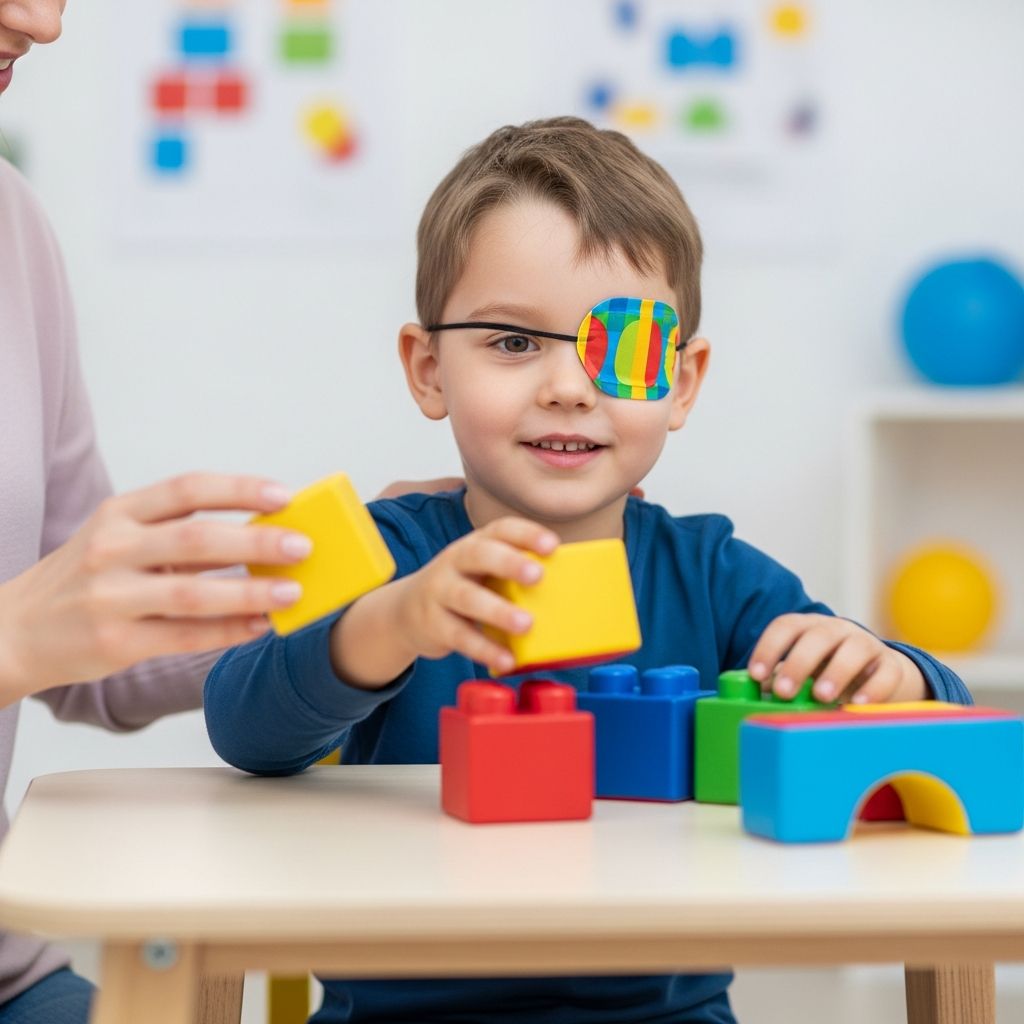
Amblyopia, commonly called lazy eye, affects approximately 2-3% of children and occurs when one eye fails to achieve normal visual acuity despite being structurally healthy. This condition arises from the brain favoring input from the stronger eye, suppressing signals from the weaker one during critical developmental periods. Early detection and intervention are crucial, as the visual system is most plastic before age 7-8, allowing treatments to rewire neural pathways effectively.
Understanding the Roots of Amblyopia
To treat amblyopia successfully, parents and clinicians must first grasp its underlying causes. The condition typically stems from three main factors: strabismus (misaligned eyes), refractive errors (significant differences in prescription between eyes, known as anisometropia), or deprivation (obstructions like cataracts blocking clear vision). In strabismic cases, the brain ignores the deviated eye to avoid double vision. Refractive amblyopia develops when uncorrected blur in one eye leads to suppression, while deprivation is rarer but most severe, often requiring urgent surgical intervention alongside vision therapy.
Symptoms may include squinting, head tilting, or poor depth perception, but amblyopia is often asymptomatic until school screenings reveal it. Vision in the affected eye is typically 20/40 or worse, with potential deficits in stereoacuity (3D vision). Without treatment, it can lead to permanent vision loss in the weaker eye.
Step-by-Step Treatment Approaches
Treatment follows a logical progression, starting with the least invasive options. The goal is to equalize visual input between eyes, forcing the brain to integrate signals from the amblyopic eye.
1. Refractive Correction: The Foundation
The initial step for nearly all cases is prescribing
spectacles
to correct underlying refractive errors. For anisometropic amblyopia, full hyperopic or astigmatic correction can resolve the issue in 30-50% of mild cases without further intervention. Glasses alone stimulate the weaker eye by sharpening its image, often yielding 1-2 lines of improvement on vision charts within months.Compliance is key; children must wear glasses full-time. Parental enforcement and stylish frames help. Studies from the Pediatric Eye Disease Investigator Group (PEDIG) confirm glasses as the first-line therapy, with monitoring every 4-6 weeks.
2. Traditional Occlusion: Patching the Strong Eye
If glasses insufficient,
patching
covers the stronger eye, compelling use of the amblyopic one. Duration varies: 2 hours daily for moderate amblyopia (20/40-20/80), up to 6-12 hours for severe cases (20/100 or worse).- Adhesive patches: Stick directly to skin, highly effective but prone to irritation.
- Cloth patches: Over glasses, comfortable yet allow peeking if not monitored.
PEDIG trials show part-time patching (2-6 hours) equals full-time in moderate cases, with 1.5-2 line gains average. Best results occur before age 7, though teens may benefit. Challenges include child resistance, bullying, and adherence rates below 50% in some studies.
3. Pharmacological Alternatives: Atropine Drops
For patching non-compliers,
atropine sulfate drops
blur the stronger eye by dilating its pupil, inducing cycloplegia. One drop daily (or weekends only) matches patching efficacy in moderate amblyopia, per PEDIG research.Advantages: No visible patch, less stigma. Side effects: Light sensitivity (wear sunglasses), potential systemic absorption (rare headaches). Not ideal for myopes, as dilation effect wanes. Combine with patching for synergy.
Related Stories



Innovative Digital Therapies: The Future of Treatment
Recent advancements leverage technology to overcome compliance hurdles. These
dichoptic
orbinocular treatments
present contrasting images to each eye simultaneously, training the brain to merge inputs without full suppression of the strong eye.Luminopia: VR-Powered Engagement
Luminopia uses FDA-approved virtual reality headsets displaying videos with reduced contrast to the strong eye (fixed at 15%). Children watch 1-2 hours daily, 5 days/week. A pilot showed 1.5-line gains in 4-7 year-olds vs. 1.2 with patching, plus stereoacuity boosts. Even 8-12 year-olds and patching failures improved (e.g., 3 lines in a 6-year-old).
Compliance exceeds 90%, as it’s fun. Clinicians note it’s adjunctive to patching as gold standard.
CureSight: App-Based Binocular Training
CureSight’s mobile app delivers dichoptic games (90 min/day, 6 days/week). A randomized trial of 103 kids (4-9 years) proved non-inferior to 2-hour patching, with superior adherence and stereo gains. Remote monitoring ensures compliance.
Both therapies target older children and refractory cases, shortening treatment time versus traditional methods.
Other Dichoptic Options: Bynocs and Beyond
Bynocs employs anaglyph glasses with games, rewiring binocularity. Early data mirrors Luminopia/CureSight efficacy. These tools address patching’s psychosocial barriers, making therapy engaging.
| Treatment | Daily Time | Compliance Rate | Best For |
|---|---|---|---|
| Patching | 2-12 hours | 50-70% | Young kids, severe cases |
| Atropine | 1 drop | 80% | Patching refusers |
| Luminopia | 1-2 hours | 90%+ | 4-12 years, prior failures |
| CureSight | 90 min | 90%+ | 4-9 years, binocular training |
Factors Influencing Success and Long-Term Management
Treatment duration spans 6 months to 2 years, with weaning once acuity stabilizes (e.g., equal to fellow eye or plateaued). Monitor via ETDRS charts, stereo tests. Recurrence risks 25% upon cessation; part-time maintenance patching prevents relapse.
Age matters: Optimal before 7, viable to 14-17 with digital aids. Combine therapies (glasses + patching + drops) for synergy. Surgery addresses causes like cataracts.
Practical Tips for Parents
- Schedule comprehensive exams yearly until age 6, then biennially.
- Use rewards/charts for compliance.
- Address bullying empathetically; normalize with stories.
- Track progress with home vision apps.
- Seek pediatric ophthalmologists for tailored plans.
Frequently Asked Questions (FAQs)
Can amblyopia be fully cured?
Yes, in 70-90% of cases with early treatment, achieving near-normal vision.
Is treatment effective after age 10?
Less so, but digital therapies show promise in teens.
How long does patching take to work?
Improvements in weeks; full course 6-24 months.
Are digital treatments covered by insurance?
Increasingly; FDA approvals aid reimbursement.
What if my child refuses all treatments?
Start with drops; escalate to digital for engagement.
Emerging Research and Outlook
Ongoing PEDIG trials refine protocols. Binocular therapies may become first-line, prioritizing stereoacuity. Pharmacogenomics could personalize dosing. With these tools, amblyopia need not limit a child’s future.
References
- New Ways to Address Amblyopia — Review of Ophthalmology. 2023. https://www.reviewofophthalmology.com/article/new-ways-to-address-amblyopia1
- Treatment Options for Amblyopia (Lazy Eye) — ABC Kids Eyes. 2024. https://www.abckidseyes.com/blog/treatment-options-for-amblyopia-lazy-eye
- Amblyopia: Detection and Treatment — American Academy of Family Physicians (AAFP). 2019-12-15. https://www.aafp.org/pubs/afp/issues/2019/1215/p745.html
- The Complete Parents Guide to Amblyopia Treatment — Bynocs. 2024. https://www.bynocs.com/blogs/the-complete-parents-guide-to-amblyopia-treatment-a-detailed-guide-at-your-childs-treatment-options
- Pediatric Amblyopia / Lazy Eye Diagnosis & Treatment — Columbia Doctors. 2024. https://www.columbiadoctors.org/childrens-health/pediatric-specialties/ophthalmology-strabismus/conditions-we-treat/amblyopia-pediatric
- CureSight Amblyopia Treatment — NovaSight. 2024. https://nova-sight.com/curesight-amblyopia-treatment/
- Lazy Eye (Amblyopia) – Diagnosis & Treatment — Mayo Clinic. 2024. https://www.mayoclinic.org/diseases-conditions/lazy-eye/diagnosis-treatment/drc-20352396
Similar Articles








Read full bio of medha deb