Treating Bacterial Eye Infections in Kids
Discover effective treatments, home care tips, and prevention strategies for bacterial eye infections in children to ensure quick recovery and eye safety.
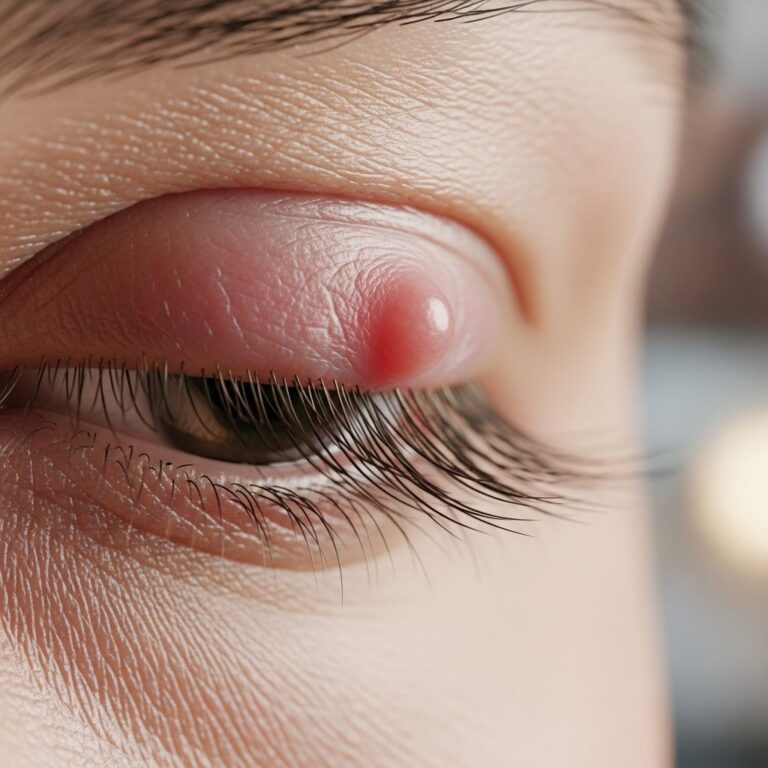
Bacterial eye infections, commonly known as bacterial conjunctivitis or pink eye, affect many children and require prompt attention to prevent spread and complications. These infections involve inflammation of the eye’s outer membrane due to bacteria like Haemophilus influenzae or Streptococcus pneumoniae, leading to redness, discharge, and discomfort.
Understanding Bacterial Conjunctivitis in Children
Bacterial conjunctivitis is highly contagious among kids, spreading through direct contact or shared items. In children, it often stems from common pathogens such as Haemophilus influenzae, Streptococcus pneumoniae, or Moraxella catarrhalis. Unlike viral forms that resolve on their own, bacterial types benefit from targeted antibiotics to shorten duration and reduce transmission.
Symptoms typically include thick yellow or green discharge that crusts eyelids shut overnight, redness, itching, and tearing. Children may rub their eyes frequently, exacerbating irritation. While usually mild, untreated cases can persist for 1-2 weeks.
Common Causes and Risk Factors
Children encounter bacteria in schools, daycares, or playgrounds. Risk factors include poor hygiene, close contact with infected peers, and weakened immunity. Newborns face heightened risks from maternal STDs during birth, prompting routine antibiotic prophylaxis.
- Daycare attendance increases exposure.
- Touching contaminated surfaces then eyes.
- Recent upper respiratory infections.
- Improper contact lens hygiene in older kids.
Diagnostic Approaches for Pediatric Cases
Doctors diagnose via clinical exam, noting purulent discharge distinguishing bacterial from viral or allergic conjunctivitis. Swabs confirm bacteria if needed, guiding therapy. Distinguishing types is crucial: viral clears naturally, allergic needs antihistamines.
| Type | Symptoms | Discharge |
|---|---|---|
| Bacterial | Redness, swelling, stuck eyelids | Thick, yellow/green |
| Viral | Watery, light sensitivity | Clear/watery |
| Allergic | Itching, both eyes | Stringy, white |
Primary Treatment: Antibiotics Explained
Topical antibiotics like erythromycin ointment or fluoroquinolone drops are first-line, clearing infection in 2-3 days. Complete the full course (5-7 days) even if symptoms improve to prevent resistance. For newborns under 2, alternatives like fusidic acid may be used.
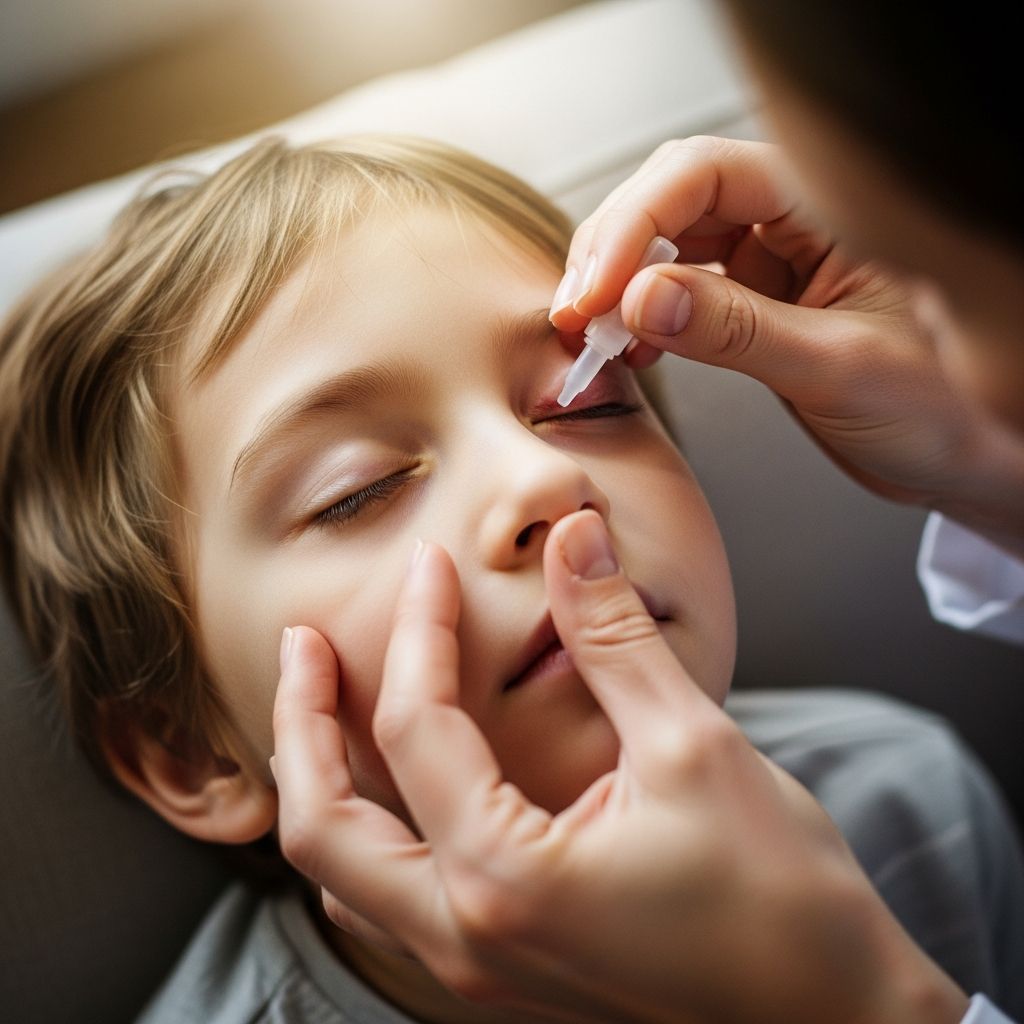
Administering drops: Lie child down, pull lower lid, instill drops, then close eye gently. Ointments suit wriggly kids, melting into eyes. Hyperacute cases from Neisseria need systemic antibiotics urgently.
Supportive Home Care Strategies
Complement antibiotics with hygiene: Clean crusts with warm water-soaked cotton balls. Apply cool/warm compresses 3-4 times daily for relief.
- Warm compresses loosen discharge.
- Cold ones reduce swelling/itching.
- Artificial tears lubricate dry eyes.
- Avoid contacts until cleared; discard disposables.
Pain relievers like acetaminophen or ibuprofen ease discomfort (age-appropriate doses). Saline rinses flush irritants safely.
Prevention Measures for Families
Prevent spread by handwashing, not sharing towels, and isolating infected kids from school/care for 24-48 hours post-antibiotics. Teach ‘cough in elbow’ and surface disinfection. Vaccinations against Haemophilus and pneumococcus lower risks.
When to Seek Immediate Medical Help
Watch for worsening: severe pain, vision changes, light sensitivity, white corneal spots, or fever. Newborns or hyperacute symptoms (massive swelling/exudate) demand emergency care to avert perforation. Persistent symptoms beyond 3 days warrant re-evaluation.
Related Stories



Special Considerations for Newborns and Infants
Newborns risk gonococcal conjunctivitis from birth canal, prevented by erythromycin ointment at birth. Chemical reactions from prophylaxis are mild/transient. Screen/treat maternal STDs prenatally.
Potential Complications and Long-Term Effects
Rarely, untreated infections cause keratitis, scarring, or vision loss. Repeat infections common in under-10s. Early intervention minimizes risks.
FAQs on Bacterial Eye Infections in Children
Is bacterial pink eye contagious?
Yes, highly so until 24-48 hours of antibiotics.
Can pink eye resolve without antibiotics?
Yes, self-limited in 1-2 weeks, but antibiotics speed recovery and curb spread.
How to apply eye drops to a resistant child?
Place on inner closed eye corner; it flows in upon opening. Use ointment alternative.
Are home remedies enough?
Supportive only; antibiotics needed for bacteria.
Can allergies mimic bacterial infection?
Yes; consult doctor for differentiation.
School and Daycare Guidelines
Exclude until non-contagious (post-treatment onset). Inform providers for cleaning.
References
- Conjunctivitis (Pinkeye) In Kids — Nemours KidsHealth. 2023. https://kidshealth.org/en/parents/conjunctivitis.html
- Childhood Eye Infections FAQs — New York Eye and Ear Infirmary. 2024. https://www.nyee.edu/care/eye/pediatric-ophthalmology/childhood-eye-infections
- Pink Eye From Bacteria in Children: Care Instructions — Alberta Health Services. 2023. https://myhealth.alberta.ca/Health/aftercareinformation/pages/conditions.aspx?hwid=uh4664
- Types of Bacterial Conjunctivitis — Centers for Disease Control and Prevention (CDC). 2024-02-15. https://www.cdc.gov/conjunctivitis/hcp/clinical-overview/bacterial-types.html
- Conjunctivitis (Bacterial and Viral) — East Sussex Healthcare NHS Trust. 2020-12. https://www.esht.nhs.uk/wp-content/uploads/2020/12/0869.pdf
- The Best Over-the-Counter Relief Options for Children’s Pink Eye — Newport Children’s. 2023. https://www.newportchildren.com/over-the-counter-relief-options-for-pink-eye/
Similar Articles








Read full bio of Sneha Tete