Treating Female Pattern Hair Loss: Causes and Solutions
Comprehensive guide to understanding and treating female pattern hair loss effectively.
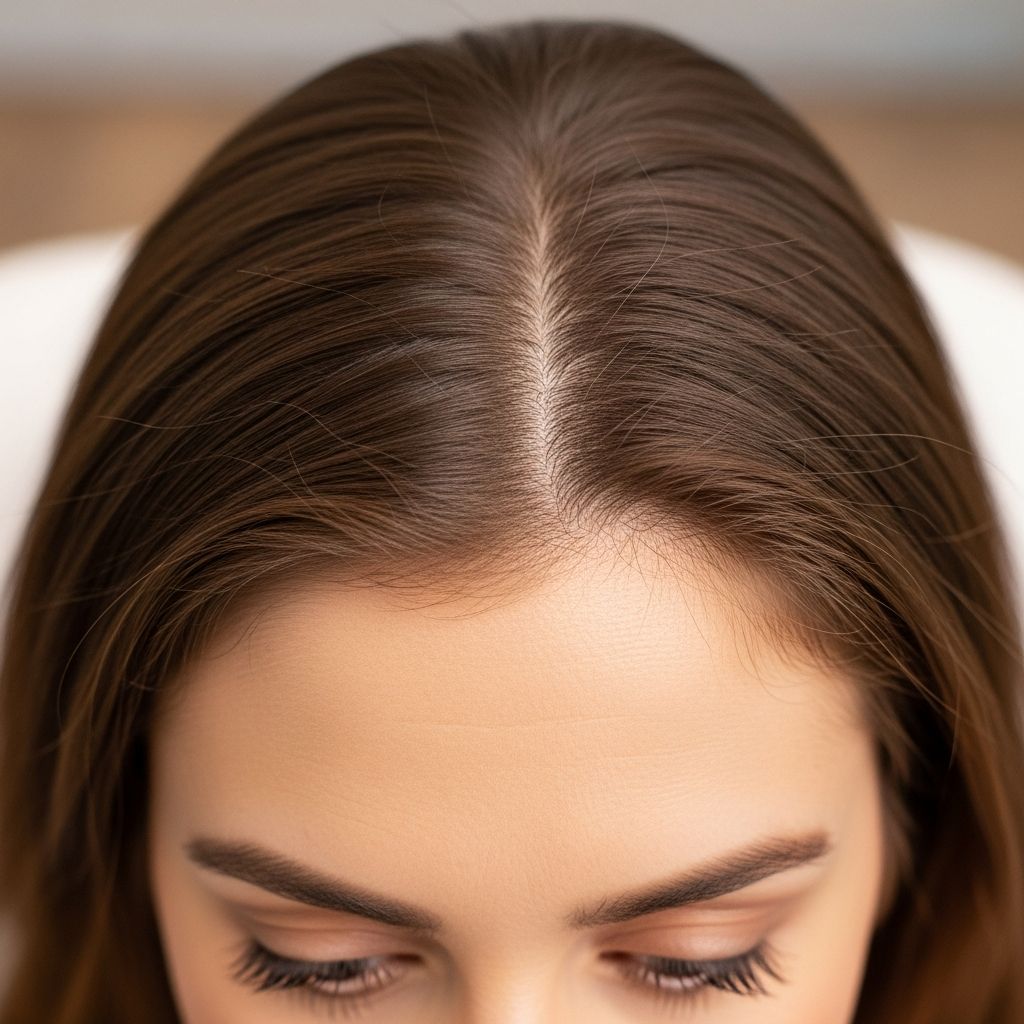
Female pattern hair loss, medically known as androgenetic alopecia (AGA), is a common condition affecting approximately 30 million women in the United States. Unlike the dramatic hair loss some people experience, female pattern hair loss typically develops gradually, causing thinning across the scalp and widening of the part line. While this condition can significantly impact self-esteem and quality of life, multiple effective treatment options are now available to help slow progression and promote regrowth.
Understanding Female Pattern Hair Loss
What Is Female Pattern Hair Loss?
Female pattern hair loss is a form of androgenetic alopecia characterized by gradual thinning of hair on the scalp due to genetic predisposition and hormonal sensitivity. Unlike male pattern baldness, which often results in receding hairlines and crown baldness, female pattern hair loss typically preserves the frontal hairline while causing diffuse thinning across the entire scalp.
The Hair Growth Cycle
To understand female pattern hair loss, it’s important to recognize the normal hair growth cycle. Hair naturally progresses through four phases: anagen (growth phase), catagen (transition phase), telogen (resting phase), and mesanagen (returning growth phase). In female pattern hair loss, hormonal fluctuations can shorten the anagen phase, leading to increased shedding and reduced hair thickness.
Hormonal Factors and DHT
The primary driver of female pattern hair loss is the hormone DHT (dihydrotestosterone), a byproduct of testosterone. In genetically susceptible individuals, DHT binds to hair follicle receptors, causing the follicles to shrink—a process called miniaturization. This makes it harder for new hair to grow and results in thinner, weaker hair strands. Elevated DHT levels can cause significant hair loss in women, particularly during menopause or in conditions like PCOS (polycystic ovary syndrome).
Recognizing Symptoms and Risk Factors
Early Signs of Hair Loss
Identifying early signs of female pattern hair loss can help you find suitable and effective treatments to slow or reverse the process. Common early indicators include:
- Gradual thinning of hair across the scalp
- Widening of the part line
- Increased hair shedding during washing or brushing
- Transition from thick, pigmented hairs to thin, wispy strands
- Reduced hair volume and density
When to Seek Professional Help
You should consult a dermatologist if you notice persistent hair thinning over an extended period despite home treatments, sudden hair loss in patches or clumps, or other symptoms such as fatigue, weight gain, or skin changes that may suggest thyroid issues or hormonal imbalances. A healthcare professional can run diagnostic tests to determine the underlying cause and recommend appropriate treatment.
Diagnosis and Evaluation
Patients with suspected female pattern hair loss should be evaluated by an experienced dermatologic provider. The evaluation typically includes a careful medical history and physical examination of the hair, scalp, and nails, along with laboratory testing to rule out underlying diseases or vitamin deficiencies. Occasionally, a scalp biopsy may be necessary to differentiate female pattern hair loss from other types of alopecia.
Treatment Options for Female Pattern Hair Loss
Topical Medications
Minoxidil is the most commonly recommended topical treatment for female pattern hair loss. Available in 2% or 5% formulations, minoxidil is FDA-approved and works by stimulating hair follicles and encouraging growth. Patients need to use this medication continuously for at least one year before determining if it will work for them. At the beginning of treatment, individuals may notice temporary increased hair shedding, which typically stops as regrowth begins. Common side effects include scalp dryness, scaling, and itching. Occasionally, excessive hair growth in unwanted areas like the cheeks or forehead may occur.
Related Stories



Prescription Oral Medications
Spironolactone is frequently used in women with female-pattern hair loss. This medication suppresses the effects of certain hormones and can be particularly useful for women with PCOS or hirsutism (excessive body hair growth). Unlike finasteride, which is FDA-approved only for men, spironolactone has become the standard hormonal treatment for women experiencing androgenetic alopecia.
Hormone Replacement Therapy (HRT) may be prescribed to balance hormones during menopause, though this can sometimes have temporary hair loss as a side effect in some women.
Vitamins and Supplements
Many supplements containing biotin, folic acid, and antioxidants have been shown to help patients with thinning hair. A nutritious diet rich in iron, biotin, vitamin D, vitamin A, vitamin C, vitamin E, and folic acid supports hair growth. If you suspect vitamin or mineral deficiencies, consult your doctor, as they may recommend specific supplements. Always mention any supplements you’re taking to your physician before laboratory testing, as they may affect results.
Specialized Hair Care Products
Prescription shampoos, such as ketoconazole, have been shown in several studies to increase hair thickness. Additionally, over-the-counter shampoos specifically formulated for thinning hair can help retain moisture, making hair appear thicker and fuller while reducing breakage.
Advanced Treatment Options
Low-Level Laser Therapy
The FDA has approved low-level laser devices to treat hair loss at home. These devices emit a low level of light that has been shown to help stimulate hair growth in a limited number of studies. Light therapy works by stimulating hair follicles, encouraging thicker hair growth over time.
Platelet-Rich Plasma (PRP) Therapy
Platelet-rich plasma therapy uses a person’s own blood to stimulate cells to grow hair. After blood is drawn, it is processed in a machine to separate it into different components. The plasma is then injected into the scalp. PRP therapy is relatively new, with studies currently underway to determine its safety and efficacy.
Hair Transplantation
For more permanent solutions to hair thinning, hair follicles can be transplanted from one area of the scalp to another. This procedure is typically considered when other treatments haven’t provided sufficient results.
Steroid Treatments
Steroid injections and creams can be prescribed and applied to bald patches and thinning areas on the scalp to help reduce inflammation and stimulate regrowth.
Lifestyle Modifications and Natural Approaches
Stress Management
Although exercise isn’t directly linked to hair growth, regular physical activity can help reduce stress, and keeping yourself relaxed can have positive effects on hormones that affect your hair. Stress management techniques such as meditation, yoga, and deep breathing exercises may help support hormonal balance.
Scalp Health
Boosting blood circulation in your scalp can help maintain healthy hair follicles. Regular scalp massages can achieve this—use your fingertips to gently massage your scalp in circular motions from forehead to nape, then gently knead and lift the scalp. This simple technique can improve nutrient delivery to hair follicles.
Nutritional Support
Providing your body with proper nutrition is essential for healthy hair growth. Focus on foods rich in:
- Iron—supports oxygen transport to hair follicles
- Biotin—strengthens hair structure
- Omega-3 fatty acids—promote scalp health
- Vitamin D—regulates hair growth cycles
- Folic acid—supports cell division and hair growth
- Antioxidants—protect hair from damage
Prevention and Long-Term Management
Prioritizing Hormonal Health
While you cannot prevent hormonal changes entirely, several steps can minimize their impact on hair loss. Maintaining a healthy lifestyle with a balanced diet, regular exercise, and effective stress management all support hormonal balance. Taking care of your body from the inside out makes a significant difference in hair health.
Early Intervention
Treatment works best when started at the first sign of hair loss. Early detection and a tailored treatment plan can help slow progression and potentially reverse some hair thinning. Don’t wait until significant hair loss has occurred to seek professional guidance.
Creating Your Treatment Plan
The most effective approach to treating female pattern hair loss involves working closely with a dermatologist to develop a personalized treatment strategy. Your plan may combine several approaches:
| Treatment Type | Timeline to Results | Commitment Level | Best For |
|---|---|---|---|
| Minoxidil | 3-6 months | Ongoing daily use | Early to moderate thinning |
| Spironolactone | 3-6 months | Daily oral medication | Hormonal imbalances, PCOS |
| Laser therapy | 3-6 months | Ongoing sessions | Mild to moderate loss |
| PRP therapy | 6-12 months | Multiple injections | Early intervention |
| Hair transplant | 6-12 months | One-time procedure | Significant, localized thinning |
Frequently Asked Questions
Q: Is female pattern hair loss permanent?
A: Female pattern hair loss is typically permanent if left untreated, but it can be managed effectively with appropriate treatment. Early intervention can help slow progression and promote regrowth.
Q: Can female pattern hair loss be completely cured?
A: There is currently no complete cure, but various treatments can significantly slow hair loss and promote regrowth. Most treatments require ongoing use to maintain results.
Q: How long does it take to see results from treatment?
A: Most treatments require 3-6 months of consistent use before noticeable results appear. Some treatments may take up to 12 months to show optimal effects.
Q: Are there side effects to female hair loss medications?
A: Minoxidil may cause scalp irritation and dryness. Spironolactone may cause dizziness or menstrual irregularities. Always discuss potential side effects with your doctor.
Q: Can diet really affect hair loss?
A: Yes, a nutritious diet rich in iron, biotin, vitamins, and antioxidants supports healthy hair growth. Deficiencies in these nutrients can worsen hair loss.
Q: Should I see a dermatologist for hair loss?
A: Yes, a dermatologist can provide accurate diagnosis, rule out underlying conditions, and recommend personalized treatment strategies most likely to be effective for your specific situation.
References
- Treatment for Androgenetic Alopecia in Men and Women — Mohs MD. 2020. https://mohs-md.com/treatment-for-androgenetic-alopecia-in-men-and-women/
- Hormonal Hair Loss: Causes, Treatments & Solutions — Nioxin. https://www.nioxin.com/en-US/blog/about-hair-loss/hormonal-hair-loss-causes-treatments-and-solutions
- Female Pattern Hair Loss — American Academy of Dermatology. https://www.aad.org/public/diseases/hair-loss/types/female-pattern
Similar Articles








Read full bio of medha deb