Starburst Vision: 5 Effective Treatments To Reduce Night Glare
Discover effective treatments for starburst vision caused by refractive errors, cataracts, and more to restore clear night vision.
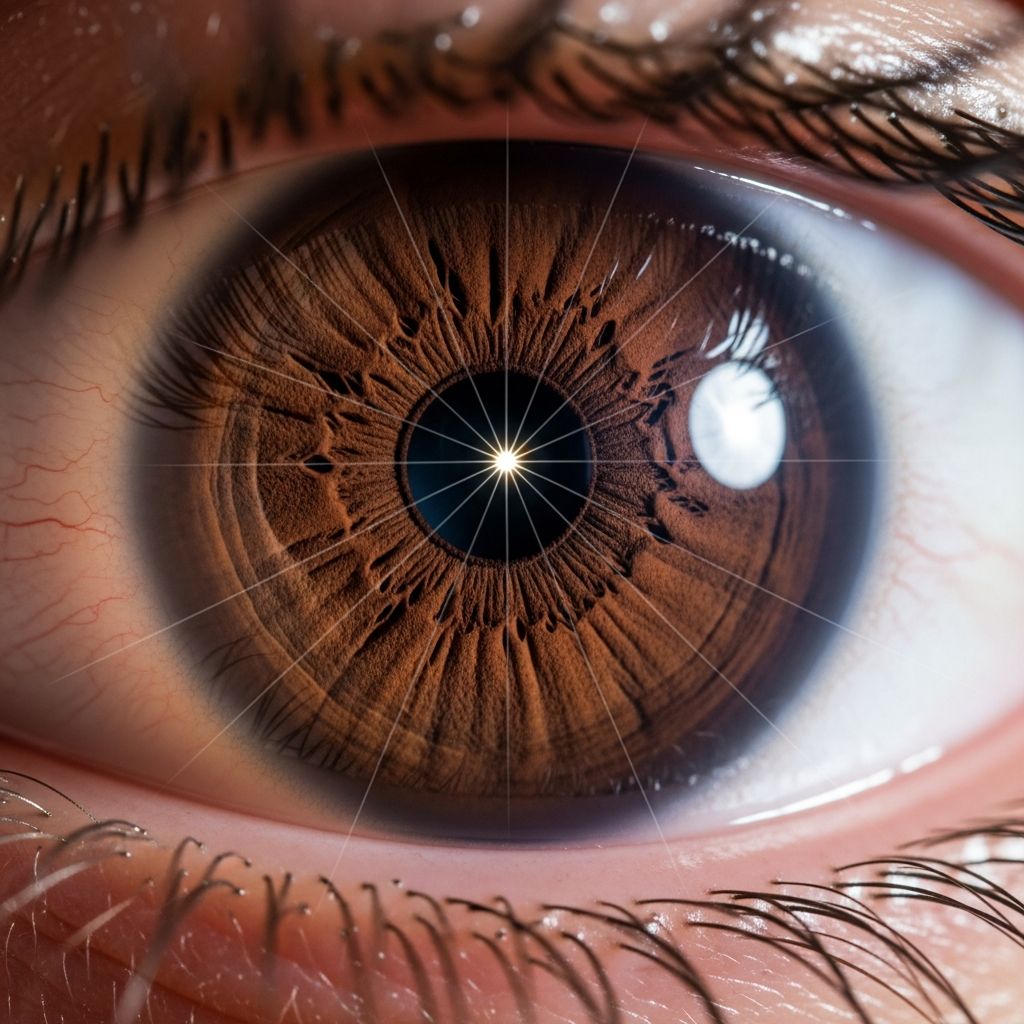
Starburst vision, characterized by radiant spikes or streaks emanating from light sources, particularly noticeable at night around headlights or streetlights, affects many individuals and can impair safe driving and daily activities. This phenomenon arises when light fails to focus properly on the retina due to various eye conditions, but effective treatments exist depending on the underlying cause.
Understanding the Starburst Effect in Vision
The human eye captures light through the cornea and lens, focusing it onto the retina to form clear images. Disruptions in this process scatter incoming rays, producing star-like patterns. These distortions are most evident in low-light conditions when pupils dilate, allowing more unfocused light to enter.
Common triggers include everyday factors like bright glare or outdated prescriptions, but persistent cases often signal treatable medical issues. Recognizing patterns—such as worsening at night or with accompanying blur—helps pinpoint solutions.
Primary Causes of Starburst Vision
Several eye conditions contribute to starbursts, ranging from simple refractive problems to progressive diseases. Identifying the root cause through a professional exam is the first step toward relief.
- Refractive Errors: Myopia, hyperopia, and especially astigmatism bend light unevenly due to corneal or lens irregularities, creating scattered rays around lights.
- Cataracts: Clouding of the eye’s lens scatters light, intensifying starbursts, particularly in older adults.
- Corneal Disorders: Conditions like keratoconus, where the cornea thins and bulges, or Fuchs’ dystrophy, causing swelling, distort light entry severely.
- Dry Eye Syndrome: Insufficient tear film leads to surface irregularities, mimicking refractive scatter.
- Glaucoma and Pressure Issues: Elevated intraocular pressure damages the optic nerve and alters light perception, sometimes producing starbursts alongside blur.
- Post-Surgical Effects: LASIK or multifocal IOL implants can temporarily cause aberrations during healing.
Diagnostic Approaches for Accurate Identification
Eye care professionals use comprehensive exams to diagnose starburst causes. These include refraction tests to measure focusing errors, slit-lamp microscopy for lens and cornea inspection, corneal topography for shape mapping, and tonometry for pressure checks.
Advanced imaging like optical coherence tomography (OCT) reveals subtle retinal or corneal changes. Pupillary dilation during exams simulates night conditions to replicate symptoms accurately.
Treatment Options Tailored to Specific Causes
Treatments vary by diagnosis but aim to restore proper light focus. Many patients experience significant improvement with targeted interventions.
Correcting Refractive Errors
For astigmatism or basic focusing issues, prescription updates are highly effective. Toric contact lenses or glasses with cylindrical correction realign light rays precisely.
Refractive surgeries like LASIK or PRK reshape the cornea permanently, often eliminating starbursts long-term for suitable candidates.
Surgical Solutions for Cataracts
Cataract surgery replaces the clouded lens with a clear artificial intraocular lens (IOL). Modern premium IOLs minimize residual aberrations, restoring crisp night vision.
Recovery is swift, with most patients noting reduced starbursts within days. Choosing the right IOL type—monofocal, multifocal, or toric—depends on lifestyle needs.
Managing Corneal Conditions
Keratoconus treatments include corneal cross-linking to strengthen tissue, halting progression, and scleral lenses for optical correction.
Advanced cases may require corneal transplants (DMEK or DALK), which dramatically improve light transmission and reduce distortions.
Related Stories



Relieving Dry Eye and Surface Issues
Artificial tears, prescription drops like cyclosporine, or punctal plugs restore tear stability, smoothing the ocular surface.
Lifestyle adjustments—blinking exercises, humidifiers, and omega-3 supplements—enhance outcomes.
Addressing Glaucoma and Pressure
Pressure-lowering eye drops, laser trabeculoplasty, or surgery control glaucoma, indirectly alleviating starbursts by preserving optic health.
| Condition | Primary Treatment | Success Rate | Recovery Time |
|---|---|---|---|
| Astigmatism | Glasses/Contacts/LASIK | High (90%+) | Immediate to weeks |
| Cataracts | IOL Surgery | 95-98% | 1-2 weeks |
| Dry Eye | Drops & Lifestyle | Moderate-High | Ongoing |
| Keratoconus | Cross-linking/Scleral Lenses | Variable | Months |
Lifestyle Strategies to Minimize Starbursts
Beyond medical treatments, habits like anti-glare coatings on lenses, avoiding prolonged screen time without breaks, and using night-driving glasses with yellow tints reduce symptom severity.
Protective measures such as UV-blocking sunglasses prevent cataract acceleration, while regular eye hydration combats dry eye flares.
When to Seek Immediate Eye Care
Not all starbursts are benign. Sudden onset, pain, severe blur, or halos around all lights warrant urgent evaluation to rule out acute glaucoma or injury.
Annual exams are recommended for those over 40 or with risk factors like diabetes or family history.
FAQs on Starburst Vision Treatment
Can starbursts go away on their own?
Mild cases from dry eyes or temporary glare may resolve, but persistent ones require professional intervention.
Are starbursts dangerous for driving?
Yes, they increase accident risk at night; consult an eye doctor before driving if symptomatic.
How long after cataract surgery do starbursts disappear?
Most resolve within 1-3 months as the eye heals and adapts to the new lens.
Do contact lenses fix starbursts from astigmatism?
Toric lenses often do, providing better correction than glasses for irregular corneas.
Is LASIK safe for starburst treatment?
For qualified patients, yes, with low complication rates; pre-op screening is key.
Starburst vision, while disruptive, is manageable with modern diagnostics and therapies. Early detection through routine check-ups empowers proactive care, safeguarding long-term visual health.
References
- Why Are There Starbursts in My Vision? — Specialty Vision. 2023. https://specialty.vision/article/why-are-there-starbursts-in-my-vision/
- Why Are There Starbursts In My Vision? — Milan Eye Center. 2023. https://www.milaneyecenter.com/resources/why-are-there-starbursts-in-my-vision/
- Eye Glare & Halos in Vision: Causes, Treatment, & Prevention — Visionary Eye Centre. 2024. https://visionaryeyecentre.com/eye-glare-halos-in-vision-causes-treatment-prevention/
- Why Do I See Starbursts Around Lights? — All About Vision. 2024. https://www.allaboutvision.com/conditions/symptoms/starburst-lights/
- Why do I see starbursts around lights at night? — Delmar Vision and Cosmetic. 2023. https://www.delmarvisionandcosmetic.com/blog/82195-why-do-i-see-starbursts-around-lights-at-night
- Are You Seeing Stars Around Your Christmas Lights? — NY Laser Vision. 2023. https://www.nylaservision.com/blog/star-light-star-bright-are-you-seeing-stars-around-your-christmas-lights/
Similar Articles








Read full bio of medha deb