Treating Stress Urinary Incontinence in Men
Discover effective strategies to manage and overcome stress urinary incontinence, helping men regain bladder control after prostate issues.

Stress urinary incontinence (SUI) affects many men, particularly after prostate treatments, causing unintended urine leakage during activities like coughing or lifting. Effective management ranges from conservative approaches to surgical interventions, offering hope for restored confidence and control.
Understanding the Basics of Male SUI
**Stress urinary incontinence** happens when pressure on the bladder from everyday actions leads to urine escape, distinct from urge types tied to sudden needs. In men, this often stems from prostatectomy, where removal of the prostate gland compromises the urethral sphincter’s ability to close properly.
The condition disrupts normal life, with leaks occurring during sneezing, laughing, exercising, or intimacy. Unlike myths suggesting it’s just aging, SUI arises from specific muscle or sphincter weaknesses, impacting about 1 in 10 American men, rising after age 60.
Primary Causes and Triggers in Men
Prostate surgery for cancer or enlargement is the leading culprit, as it severs nerves and weakens support structures around the urethra. Other contributors include obesity, chronic coughs from smoking or illness, nerve damage, and trauma.
- Post-prostatectomy effects: Radical prostatectomy disrupts the sphincter mechanism directly below the prostate.
- Obesity and pressure: Extra abdominal weight strains pelvic muscles, exacerbating leaks.
- Chronic conditions: Persistent coughing or constipation adds ongoing bladder pressure.
These factors weaken pelvic floor muscles, failing to counter abdominal strain during movement.
Recognizing Symptoms and Daily Impact
Men notice small dribbles to larger leaks during physical exertion, without prior urge sensation. Severity varies: mild cases involve drops while laughing, severe ones flood during bending or sex.
| Symptom Severity | Typical Triggers | Leak Amount |
|---|---|---|
| Mild | Coughing, sneezing | Few drops |
| Moderate | Lifting, exercising | Tablespoon or more |
| Severe | Bending, standing, intercourse | Significant volume |
Emotional toll includes embarrassment, social withdrawal, and intimacy fears, alongside costs for pads.
Diagnostic Approaches for Accurate Assessment
Doctors start with history and physical exams, noting leak patterns. Tests like urodynamics measure bladder pressure, while cystoscopy visualizes the urethra. Pad weight tests quantify leakage, guiding treatment choices.
Non-Surgical Management Strategies
Initial steps focus on lifestyle tweaks and therapies before invasive options.
Pelvic Floor Muscle Training
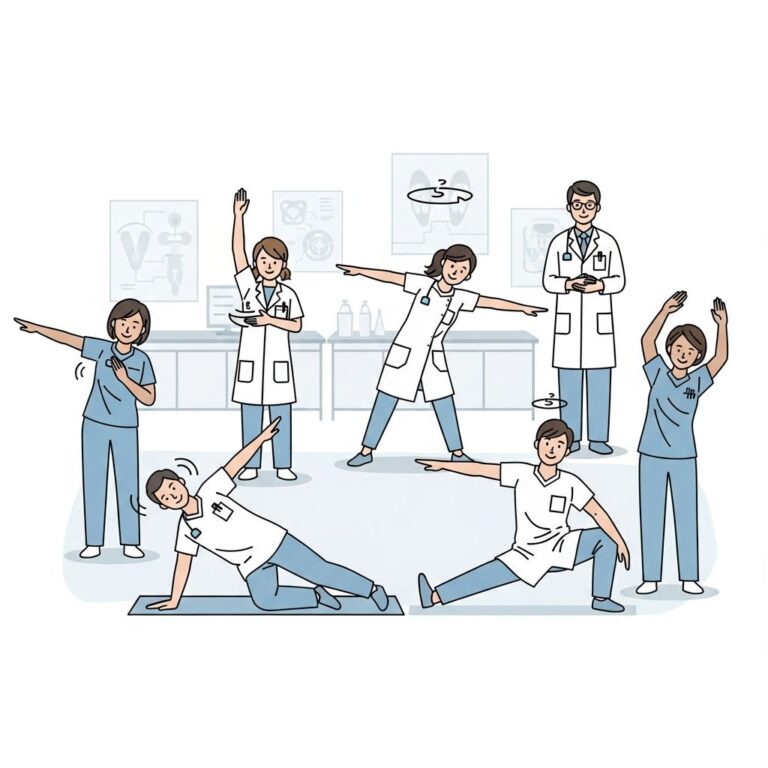
Kegel exercises strengthen the pubococcygeus muscle, improving sphincter closure. Men contract as if stopping urine flow, holding 5-10 seconds, repeating 10-20 times thrice daily. Biofeedback or electrical stimulation aids learning. Consistency yields results in 3-6 months for mild cases.
Lifestyle Modifications
- Weight loss to reduce abdominal pressure.
- Quit smoking to curb chronic coughs.
- Limit bladder irritants: caffeine, alcohol, spicy foods.
- Timed voiding to prevent overfilling.
Medications and Devices
Duloxetine may enhance urethral resistance, though not FDA-approved for male SUI. External clamps or absorbent products offer symptom relief but not cures.
Advanced Interventional Treatments
For persistent SUI, minimally invasive procedures bridge to surgery.
- Bulking agents: Injections like collagen into the urethra to bulk and coapt tissues, providing temporary support (6-18 months).
Surgical Solutions for Long-Term Control
Surgery succeeds in 80-90% of cases, tailored to severity.
Male Slings
A hammock-like mesh supports the urethra under the bulb, activated by pressure to prevent leaks. Ideal for mild-moderate SUI, with 70-85% success and quick recovery.
Related Stories



Artificial Urinary Sphincter
Gold standard for severe cases: a cuff around the urethra, inflated to close and deflated for voiding via a pump. Over 90% continence rates, though requires manual operation.
| Treatment Type | Suitability | Success Rate | Recovery Time |
|---|---|---|---|
| Pelvic Floor Therapy | Mild | 50-70% | 3-6 months |
| Male Sling | Mild-Moderate | 70-85% | 1-2 weeks |
| Artificial Sphincter | Severe | 85-95% | 4-6 weeks |
Living with and Beyond SUI
Post-treatment, monitoring prevents complications like infections. Support groups aid emotional recovery. Most men resume normal activities, enjoying improved relationships and freedom.
Frequently Asked Questions (FAQs)
Is SUI permanent after prostate surgery?
Not always; up to 90% recover with time or treatment, though 5-20% need intervention.
How long do Kegels take to work?
3-6 months of daily practice for noticeable improvement in mild cases.
Can obesity worsen SUI?
Yes, excess weight pressures the bladder; losing 10% body weight often reduces symptoms.
What’s the best surgery for severe SUI?
Artificial sphincter offers highest success for severe leaks.
Does SUI affect sexual function?
It can cause anxiety, but treatments rarely impact erections; discuss with a specialist.
Prevention Tips for At-Risk Men
Maintain healthy weight, treat prostate issues early, and strengthen pelvic muscles pre-surgery. Post-op, follow rehab protocols diligently.
References
- Male Urinary Incontinence: Symptoms, Causes and Treatment Options — Loyola Medicine. 2023. https://www.loyolamedicine.org/blog-articles/male-urinary-incontinence-symptoms-causes-and-treatment-options
- Stress, Urge, & Mixed Incontinence in Men — Fix Incontinence. 2024. https://www.fixincontinence.com/us/en/understanding-incontinence.html
- Male Stress Urinary Incontinence (SUI) — UPMC Urology. 2025. https://www.upmc.com/services/urology/conditions/male-stress-urinary-incontinence
- Stress incontinence – Symptoms and causes — Mayo Clinic. 2025-02-01. https://www.mayoclinic.org/diseases-conditions/stress-incontinence/symptoms-causes/syc-20355727
- Stress Incontinence (SUI): Causes, Symptoms & Treatment — Cleveland Clinic. 2024. https://my.clevelandclinic.org/health/diseases/22262-stress-incontinence
- Urinary incontinence — NHS. 2025. https://www.nhs.uk/conditions/urinary-incontinence/
- Symptoms & Causes of Bladder Control Problems (Urinary Incontinence) in Men — NIDDK (NIH). 2024-07-25. https://www.niddk.nih.gov/health-information/urologic-diseases/bladder-control-problems/symptoms-causes
Similar Articles








Read full bio of medha deb