Treatment for Dog and Cat Bites and Scratches
Learn how to properly treat and manage dog and cat bite wounds to prevent infection and complications.
Understanding Animal Bite Wounds
Animal bites, particularly from dogs and cats, are common injuries that require proper evaluation and treatment. While some bites may appear minor on the surface, they can pose serious health risks due to the bacteria and pathogens present in animal mouths. Cat bites, in particular, can create deep puncture wounds that are difficult to clean properly, allowing bacteria to become trapped beneath the skin. Understanding the nature of these wounds and how to respond appropriately is crucial for preventing complications and infections.
The significance of animal bite injuries cannot be overstated. Approximately 50% to 80% of cat bites become serious enough to warrant medical attention, making prompt and appropriate treatment essential. Dog bites also carry considerable risk, especially when they result in severe lacerations or puncture wounds. The type of animal, the depth and location of the bite, and the immunization status of the animal all play important roles in determining the appropriate treatment approach.
Initial First Aid for Animal Bites
The first moments after an animal bite occur are critical for preventing infection and minimizing complications. Immediate action can significantly impact the healing process and reduce the risk of serious complications.
Steps for Superficial Bites
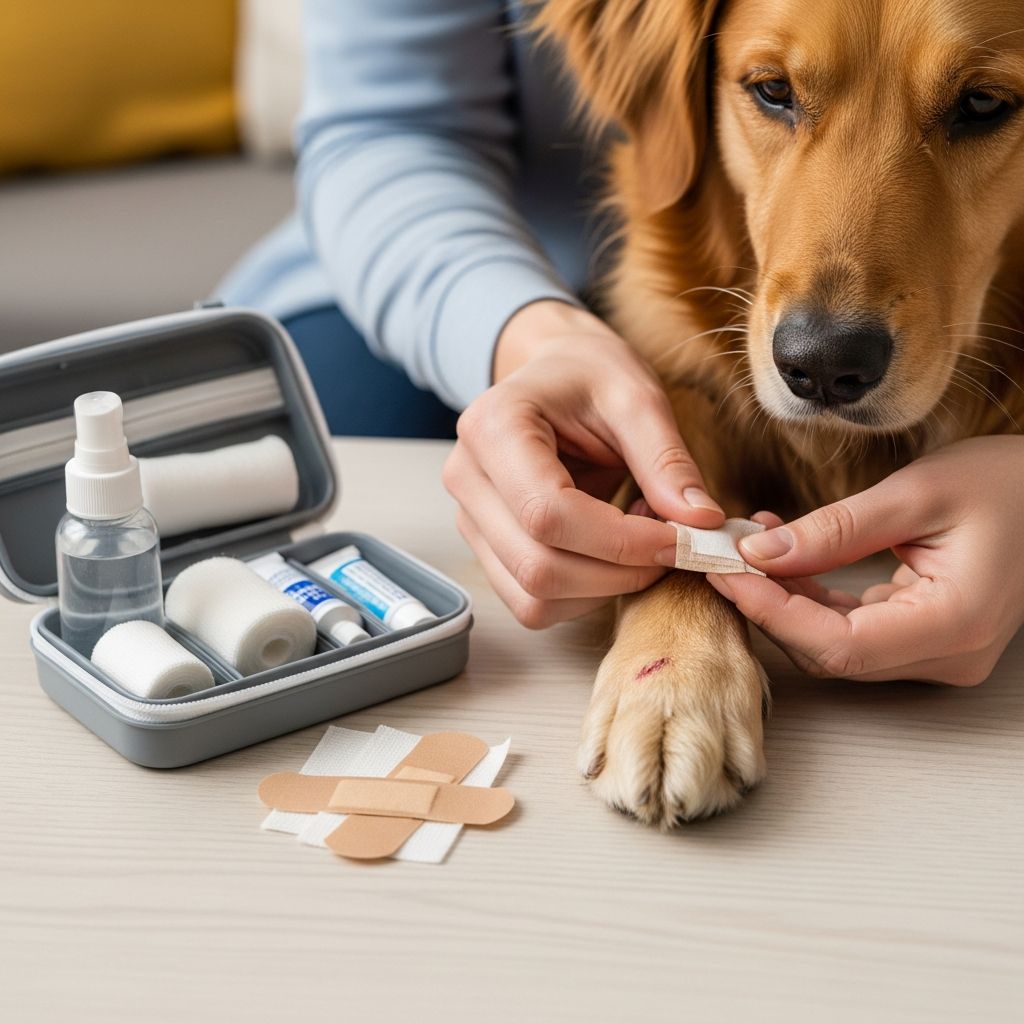
For superficial bites from a healthy, immunized domestic pet, the following steps should be taken:
- Wash the wound thoroughly with soap and water for at least 5 minutes
- Gently pat the area dry with a clean cloth
- Cover the wound with a sterile dressing or bandage
- Watch carefully for signs of infection over the following days
- Contact a healthcare professional if any signs of infection develop
Steps for Deeper Bites
Deeper bites or bites from unknown animals require more aggressive treatment:
- Apply direct pressure with a clean bandage or towel to stop any bleeding
- Wash the wound with soap and water for 5 minutes, avoiding vigorous scrubbing that could cause additional tissue damage
- After cleaning, dry the wound completely and apply a sterile dressing
- Call a healthcare professional immediately for guidance on additional treatment
- Do not use tape or butterfly bandages, as these can trap harmful bacteria in the wound
Bacteria and Pathogens Associated with Animal Bites
Animal bites carry numerous bacteria that can cause serious infections. Understanding which organisms are commonly involved in these wounds helps explain why medical intervention is often necessary.
Common Bacteria Found in Cat and Dog Bites
The oral flora of cats and dogs contains several significant pathogens. Pasteurella multocida is present in 70% to 90% of cats and is frequently isolated from cat bite infections. This bacterium can cause localized infection and, in severe cases, may lead to systemic complications. Staphylococcus aureus is found in 30% to 50% of dog and cat bites and is another common culprit in bite-related infections.
Capnocytophaga canimorsus, while less frequent, can cause severe infections particularly in immunocompromised individuals or those with certain medical conditions like asplenia or cirrhosis. Anaerobic bacteria, including Prevotella species, are present in 50% to 70% of all animal bite wounds, though they are often difficult to detect through standard laboratory methods. These organisms thrive in the oxygen-poor environment created by puncture wounds.
Related Stories



Cat Bite-Specific Concerns
Cat bites present unique challenges compared to dog bites. The sharp, narrow teeth of cats create deep puncture wounds that close quickly on the surface while leaving bacteria trapped deeper in the tissue. This anatomy makes proper wound cleaning more difficult and significantly increases infection risk.
Cat Scratch Disease
Beyond common bacterial infections, cat bites and scratches can transmit cat scratch disease, caused by the bacterium Bartonella henselae. Approximately 40% of cats carry this pathogen, typically acquired through flea bites or fights with other infected cats. If a cat scratches a person or bites them, or if a cat licks an open wound on a person’s skin, the bacterium can be transmitted.
Cat scratch disease symptoms typically develop within a few weeks of exposure and may include localized swelling, lymph node enlargement, fever, and malaise. The good news is that cat scratch disease typically resolves without treatment within 2 to 4 months. However, for individuals with severe or persistent symptoms, doctors may prescribe antibiotics to accelerate recovery.
Signs of Infection
After an animal bite, it is essential to monitor the wound for signs of infection. Infections can develop within 24 to 48 hours following the bite, though sometimes symptoms appear later. Being aware of warning signs allows for early intervention and prevents complications.
Local Infection Symptoms
Signs that a bite wound is becoming infected include:
- Pain that worsens after the initial injury
- Swelling and inflammation of the wound area
- Redness or skin discoloration around the bite
- Warmth radiating from the wound
- Pus or fluid leaking from the wound
- Red streaking extending from the wound toward the body
Systemic Infection Symptoms
More serious signs indicating systemic infection include fever, headache, decreased appetite, swollen lymph glands, and a general feeling of illness. If any of these symptoms develop, immediate medical attention is necessary.
When to Seek Medical Care
Determining whether to seek professional medical evaluation after an animal bite depends on several factors, including the type of animal, the nature of the bite, and the immunization status of the animal.
Domestic Pet Bites
For bites from domestic pets that are in good health and current on vaccinations, initial home care may be sufficient. However, you should contact a healthcare professional if the bite is deep, if it causes significant bleeding, or if you notice any signs of infection developing. Even seemingly minor domestic pet bites should be evaluated if they occur on the face, hands, or other areas prone to scarring or functional impairment.
Stray or Unknown Animal Bites
If a stray cat has bitten you, immediate medical attention is essential. Stray animals may carry rabies, which requires specific post-exposure treatment. After washing the wound with soap and water for 5 minutes, contact a doctor or emergency room immediately. The same applies to any bite from a wild animal.
Professional Medical Treatment
Healthcare professionals employ several strategies to manage animal bite wounds and prevent serious complications.
Wound Management
Medical professionals will thoroughly clean and evaluate the wound to determine its depth and extent. For deep punctures or wounds with significant tissue damage, the wound may need to be irrigated with sterile saline solution or other appropriate cleaning agents. Healthcare providers may also need to explore the wound to ensure no foreign material, such as a broken tooth fragment, remains embedded in the tissue.
Antibiotic Therapy
Prophylactic antibiotics are commonly prescribed following animal bites to prevent infection. The specific antibiotic chosen depends on the type of animal involved, the location of the bite, and the patient’s allergies or other medical considerations. Amoxicillin/clavulanate is frequently recommended for dog and cat bites as it covers many of the common pathogens involved. For patients allergic to penicillin-based antibiotics, alternative options such as fluoroquinolones or other classes of antibiotics may be prescribed.
Rabies Prophylaxis
If there is any possibility that the animal could have rabies, post-exposure rabies treatment will be recommended. This typically involves a series of rabies vaccinations and may include rabies immunoglobulin, depending on the specific exposure circumstances and the patient’s previous vaccination history.
Tetanus Protection
Healthcare providers will also assess tetanus vaccination status and administer a tetanus vaccine if needed, particularly if the patient’s vaccination status is not current or if the bite occurred in conditions that increase tetanus risk.
Potential Complications
Without prompt and appropriate treatment, animal bites can lead to serious complications. Understanding these potential outcomes underscores the importance of proper wound care and medical follow-up.
Local Complications
Infected bite wounds can result in cellulitis, abscess formation, or spread of infection to deeper tissues. Depending on the location of the bite, complications can include damage to nerves or tendons, particularly in the hands and feet. Scarring is another common complication, especially with facial bites. In rare cases, a broken fragment of an animal’s tooth may become embedded in the wound, requiring professional removal.
Systemic Complications
Serious infections from animal bites can lead to bacteremia or sepsis if not treated appropriately. Certain bacteria, particularly Capnocytophaga canimorsus, can cause severe systemic illness in immunocompromised individuals. Post-exposure rabies prophylaxis is critical because untreated rabies is almost universally fatal.
Prevention Strategies
While not all animal bites can be prevented, certain measures can significantly reduce the risk of being bitten.
Safe Animal Interaction
Never approach unfamiliar animals, particularly stray or wild animals. Even seemingly friendly animals may bite if they feel threatened or territorial. Teach children appropriate ways to interact with pets, including respecting the animal’s space and learning to recognize signs of stress or aggression.
Pet Owner Responsibilities
Cat owners should ensure their pets receive routine veterinary care. Regular check-ups help maintain overall pet health and can identify and prevent infectious diseases. Keeping pets current on vaccinations, including rabies vaccination, is essential for public health. Additionally, controlling flea infestations in cats helps prevent the transmission of Bartonella henselae.
Frequently Asked Questions
Q: How long should I wash an animal bite wound?
A: Wash the wound with soap and water for at least 5 minutes. Gentle washing is important—avoid scrubbing vigorously as this can cause additional tissue damage and bruising.
Q: What should I do if I develop symptoms of infection after a bite?
A: Contact a healthcare professional if you experience fever, increasing pain, swelling, redness, pus discharge, swollen lymph glands, or a general feeling of illness. Early intervention with antibiotics can effectively treat most bite-related infections.
Q: Can cat scratch disease be serious?
A: For most healthy individuals, cat scratch disease resolves without treatment within 2 to 4 months. However, immunocompromised individuals may experience more severe symptoms and may benefit from antibiotic treatment.
Q: Should I use butterfly bandages or tape to close a bite wound?
A: No, avoid using tape or butterfly bandages on bite wounds as these can trap harmful bacteria in the wound and increase infection risk. Instead, cover with a sterile dressing and allow the wound to heal.
Q: When should I seek immediate medical care for an animal bite?
A: Seek immediate medical care if the bite is from a stray or wild animal, if there is significant bleeding, if the wound is deep or large, if the bite is on the face or hands, or if you have any concerns about rabies exposure.
Q: How do I know if my pet could transmit rabies?
A: If your pet is current on rabies vaccination and in good health, the risk is minimal. However, if the animal is stray, wild, or has an unknown vaccination history, rabies risk must be considered and appropriate post-exposure prophylaxis may be necessary.
References
- Cat bite: Safety, first aid, and seeking help — Medical News Today. 2024. https://www.medicalnewstoday.com/articles/cat-bite
- Bite Wounds — Johns Hopkins ABX Guide, The Johns Hopkins University. 2023-01-23. https://www.hopkinsguides.com/hopkins/view/Johns_Hopkins_ABX_Guide/540058/all/Bite_Wounds
- Capnocytophaga spp. — Johns Hopkins ABX Guide, The Johns Hopkins University. 2023-01-19. https://www.hopkinsguides.com/hopkins/view/Johns_Hopkins_ABX_Guide/540078/all/Capnocytophaga_spp_
Similar Articles








Read full bio of Sneha Tete