Treatment for Borderline Underactive Thyroid
Explore effective treatments, monitoring strategies, and lifestyle tips for managing borderline underactive thyroid or subclinical hypothyroidism.
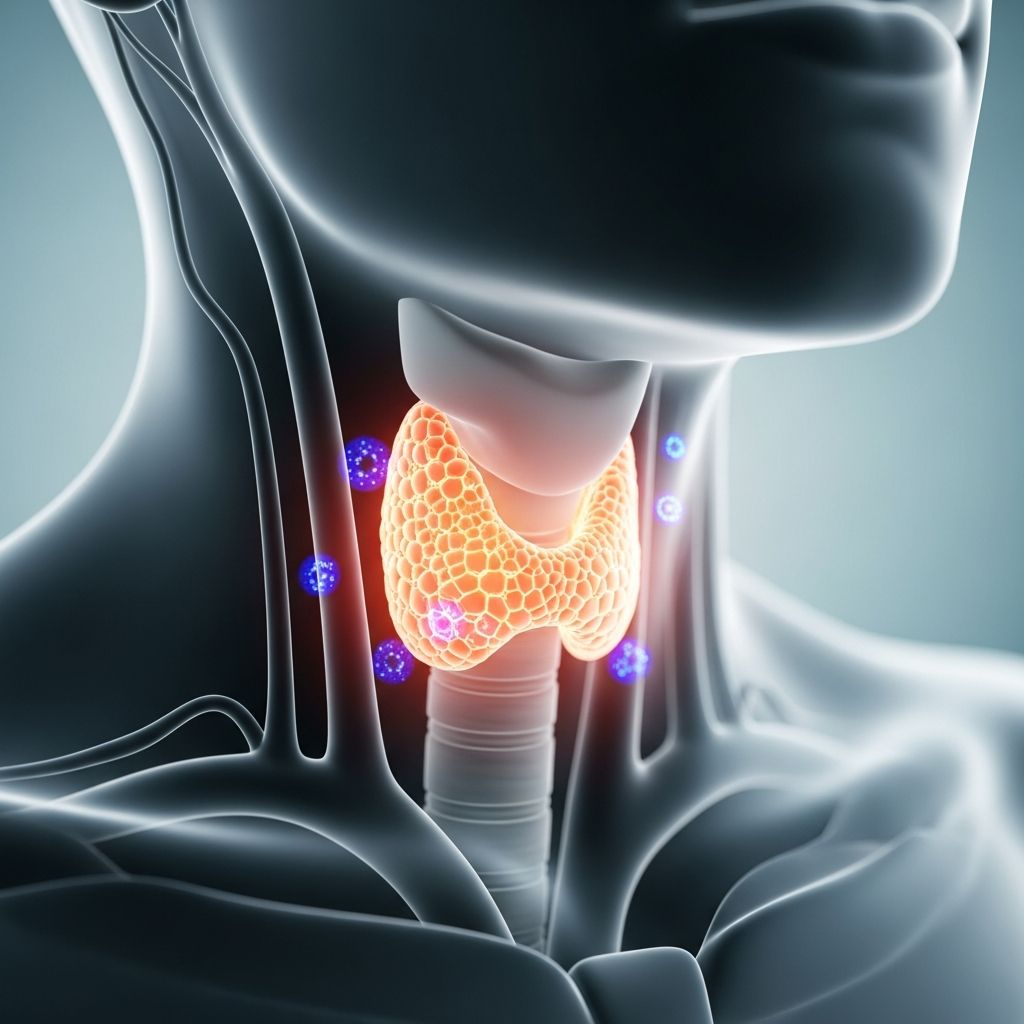
Borderline underactive thyroid, also known as subclinical hypothyroidism, occurs when thyroid-stimulating hormone (TSH) levels are elevated while free thyroxine (T4) remains normal. This condition affects millions and raises questions about when treatment is necessary.
What Is Borderline Underactive Thyroid?
Subclinical hypothyroidism is defined by elevated serum TSH (typically above 4.5-5 mIU/L) with normal free T4 levels. Unlike overt hypothyroidism, symptoms may be subtle or absent, making management controversial. TSH levels above 2.5 mIU/L correlate with higher antithyroid antibody prevalence and progression risk to clinical hypothyroidism, but lowering the normal upper limit to 2.5 mIU/L could diagnose 22-28 million more Americans, risking overtreatment.
Common causes include autoimmune thyroiditis (Hashimoto’s), iodine deficiency, or medications. About 30% of cases resolve spontaneously within a year, with only 3% progressing annually to overt hypothyroidism requiring definite treatment.
Symptoms of Borderline Underactive Thyroid
Many individuals experience no symptoms, but subtle signs can include fatigue, mild weight gain, cold intolerance, dry skin, hair thinning, constipation, and depression. These overlap with other conditions, complicating attribution. Studies show associations with cardiometabolic risks, neuromuscular issues, and cognitive effects, particularly when TSH exceeds 10 mIU/L.
- Fatigue and low energy
- Sensitivity to cold
- Mild depression or brain fog
- Constipation
- Muscle weakness or aches
- Slight hair loss or dry skin
Diagnosis: Understanding Your TSH Levels
Diagnosis relies on blood tests measuring TSH and free T4. Normal TSH ranges 0.4-4.0 mIU/L, but cutoffs vary; some experts propose 4.1 mIU/L for antibody-negative patients. Repeat testing confirms persistence, as transient elevations occur from illness or stress. Antithyroid antibodies (anti-TPO) indicate autoimmune risk and higher progression likelihood.
| TSH Level (mIU/L) | Classification | Typical Action |
|---|---|---|
| <4.0 | Normal | Monitor if symptoms |
| 4.0-10.0 | Mild subclinical | Observe or trial therapy |
| >10.0 | Severe subclinical | Treat with levothyroxine |
Family history, positive antibodies, or rising TSH warrant closer attention.
When to Treat Borderline Underactive Thyroid
Treatment decisions hinge on TSH elevation degree, symptoms, antibodies, age, and comorbidities. Strongest evidence supports levothyroxine for TSH >10 mIU/L due to links with adverse outcomes improving post-therapy. For TSH 5-10 mIU/L, treat if symptomatic, hyperlipidemic, or cardiovascular risk in younger patients.
For mild elevations (<10 mIU/L), evidence is inconclusive; shared decision-making weighs benefits against overtreatment risks like thyrotoxicosis. Trial therapy for 3-6 months if symptoms persist, then reassess. Avoid routine treatment in asymptomatic older adults without risks.
Treatment Algorithm
- Confirm with repeat TSH/free T4.
- Check antibodies and ultrasound if indicated.
- TSH >10: Start levothyroxine.
- TSH 5-10 + symptoms/comorbidities: Consider treatment.
- Mild + asymptomatic: Monitor every 6-12 months.
Treatment Options: Levothyroxine and More
Levothyroxine (Synthroid, Levoxyl) is first-line, mimicking T4 for steady T3 conversion. Dosing starts low (25-50 mcg/day), titrated to normalize TSH, avoiding T3 peaks from desiccated thyroid. Historical natural extracts caused angina and variability; modern monotherapy standardizes care.
Combination T4/T3 therapy is experimental for persistent symptoms, but ATA recommends TSH normalization first. No role for over-the-counter supplements as primary treatment.
Starting Levothyroxine
- Take empty stomach, 30-60 min before food.
- Consistent timing daily.
- Avoid calcium/iron interference.
- Retest TSH 6-8 weeks post-start/adjustment.
Monitoring and Follow-Up
Regular TSH testing ensures euthyroidism. Initial follow-up 6-8 weeks, then 6-12 months stable. Pregnancy, dose changes, or symptoms prompt earlier checks. Goal: TSH 0.5-2.5 mIU/L in treated patients.
Related Stories



Watch for overtreatment: palpitations, insomnia, bone loss. Annual lipids, cardiovascular assessment advised.
Lifestyle Changes to Support Thyroid Health
While not curative, lifestyle aids management:
- Diet: Selenium-rich (Brazil nuts), iodine-balanced; avoid excess goitrogens raw.
- Exercise: 150 min/week moderate activity combats fatigue/weight gain.
- Sleep/Stress: 7-9 hours; mindfulness reduces cortisol impact.
- Supplements: Vitamin D, selenium if deficient (consult MD).
Risks of Untreated Borderline Underactive Thyroid
Progression to overt disease (3%/year), cardiovascular risks, hyperlipidemia, infertility. TSH >10 links to morbidity/mortality; treatment mitigates.
Special Considerations: Pregnancy, Menopause, and More
Pregnant women need prompt treatment (TSH <2.5 mIU/L goal) for fetal risks. Menopause may mimic symptoms; monitor borderline results. Cardiovascular patients benefit early intervention.
Frequently Asked Questions (FAQs)
What is the difference between subclinical and overt hypothyroidism?
Subclinical has high TSH/normal T4 (often asymptomatic); overt adds low T4 with clear symptoms.
Should I treat if TSH is 6 mIU/L but no symptoms?
Monitor if no antibodies/comorbidities; trial therapy if symptoms or risks present.
How long until levothyroxine works?
Symptoms improve weeks-months; full TSH normalization 6-8 weeks.
Can diet cure borderline thyroid issues?
No, but supports management; medication primary for indicated cases.
What if TSH normalizes without treatment?
Common (30% in year); continue monitoring, especially with antibodies.
Individualized Management and Shared Decision-Making
Approach personalizes based on TSH, autoimmunity, comorbidities, age, preferences. Discuss risks/benefits; younger, symptomatic patients lean toward treatment.
References
- Subclinical hypothyroidism: When to treat — Cleveland Clinic Journal of Medicine. 2018-02-01. https://www.ccjm.org/content/86/2/101
- The History and Future of Treatment of Hypothyroidism — National Center for Biotechnology Information (PMC). 2016-07-01. https://pmc.ncbi.nlm.nih.gov/articles/PMC4980994/
- Mayo Clinic Q and A: Several factors to consider before treating hypothyroidism — Mayo Clinic News Network. 2023-01-01. https://newsnetwork.mayoclinic.org/discussion/mayo-clinic-q-and-a-several-factors-to-consider-before-treating-hypothyroidism/
- Thyroid and menopause article — British Thyroid Foundation. 2024-01-01. https://www.btf-thyroid.org/thyroid-and-menopause-article
- Natural treatments and home remedies for hypothyroidism — Medical News Today. 2024-01-01. https://www.medicalnewstoday.com/articles/remedies-for-hypothyroidism
Similar Articles








Read full bio of Sneha Tete