Enlarged Prostate Treatment Options: Comprehensive Guide
Comprehensive guide to managing benign prostatic hyperplasia with proven treatment options.
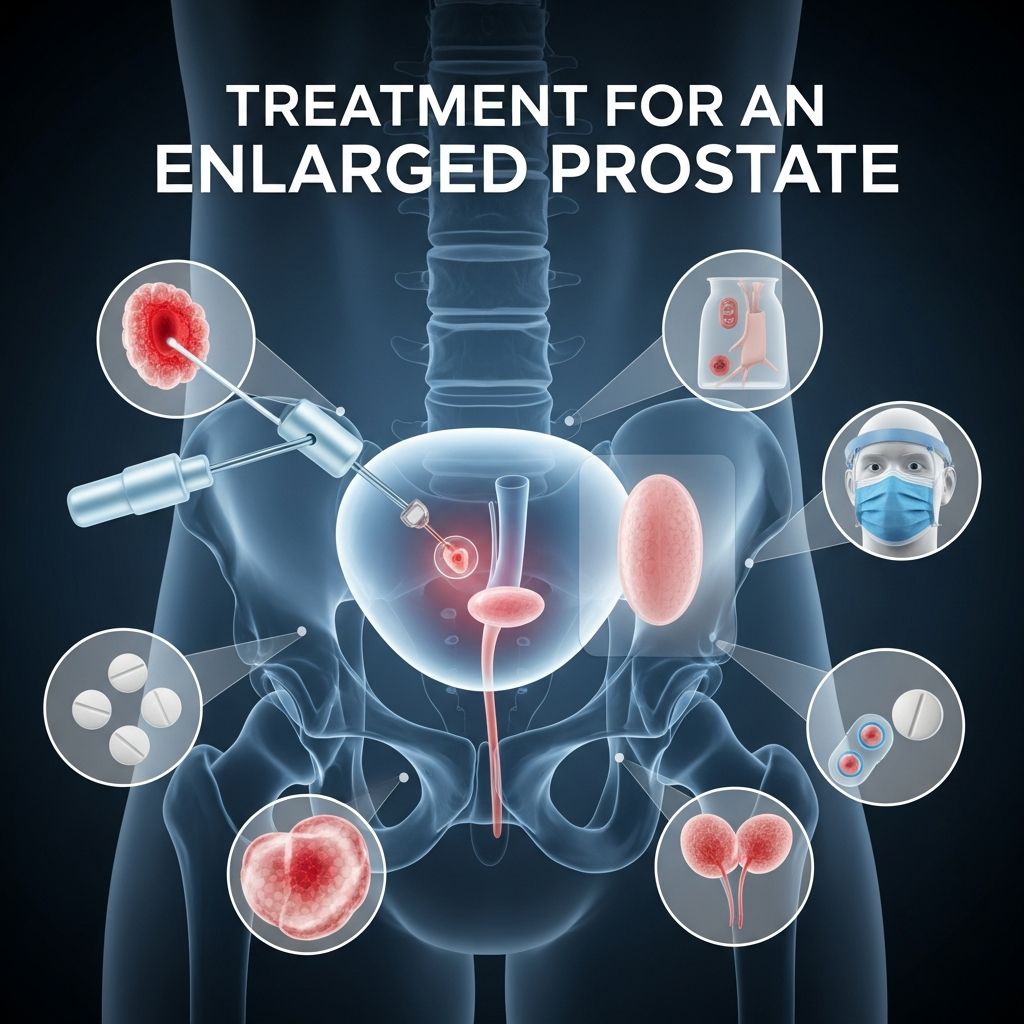
Understanding Enlarged Prostate and Treatment Options
Benign prostatic hyperplasia (BPH), commonly known as an enlarged prostate, affects millions of men worldwide, particularly as they age. The prostate gland naturally grows larger over time, which can lead to bothersome urinary symptoms including frequent urination, weak urine stream, difficulty initiating urination, and nocturia (waking multiple times at night to urinate). Fortunately, numerous treatment options are available to manage these symptoms and improve quality of life. The choice of treatment depends on the severity of symptoms, the size of the prostate, the patient’s overall health, and personal preferences regarding intervention levels.
Watchful Waiting and Lifestyle Modifications
For men with mild to moderate symptoms of enlarged prostate, watchful waiting may be an appropriate initial approach. This strategy involves regular monitoring of symptoms without immediately pursuing medical or surgical intervention. During this period, men can implement various lifestyle modifications that have been shown to help manage BPH symptoms effectively.
Lifestyle changes include limiting fluid intake, particularly in the evening hours, to reduce nighttime urination. Reducing caffeine and alcohol consumption can also be beneficial, as these substances can irritate the bladder and exacerbate urinary symptoms. Regular physical activity, maintaining a healthy weight, and practicing pelvic floor muscle exercises (Kegel exercises) can strengthen urinary control and reduce symptoms. Additionally, managing fluid intake around social activities and bedtime can minimize disruptions to daily life and sleep patterns.
Medications for BPH Management
When lifestyle modifications alone are insufficient to manage symptoms, several classes of medications can provide relief. These pharmaceutical options work through different mechanisms to address the underlying causes of urinary dysfunction associated with an enlarged prostate.
Alpha-Adrenergic Blockers
Alpha-blockers represent the most commonly prescribed medications for BPH symptoms. These drugs work by relaxing the smooth muscle tissue in the prostate and bladder neck, which improves urine flow and reduces urinary hesitancy. Common alpha-blockers include doxazosin, terazosin, tamsulosin, and alfuzosin. These medications typically provide symptom relief within days to weeks of starting treatment. Side effects may include dizziness, fatigue, and retrograde ejaculation (where semen enters the bladder instead of exiting through the urethra).
5-Alpha Reductase Inhibitors
5-alpha reductase inhibitors (5-ARIs) work by reducing the production of dihydrotestosterone (DHT), a hormone responsible for prostate growth. These medications, including finasteride and dutasteride, actually shrink the prostate gland over time, leading to long-term symptom improvement. However, these drugs take several months to become fully effective and work best in men with significantly enlarged prostates. Potential side effects include decreased libido and erectile dysfunction, though these side effects typically resolve once the medication is discontinued.
Combination Therapy
For men with moderate to severe symptoms and enlarged prostates, combining an alpha-blocker with a 5-ARI may provide superior symptom relief compared to either medication alone. This combination approach addresses both the immediate symptoms through muscle relaxation and the underlying prostate enlargement through hormonal modulation.
Related Stories



Minimally Invasive Procedures
When medications fail to provide adequate symptom relief or cause bothersome side effects, minimally invasive procedures offer middle-ground options between conservative management and traditional surgery. These procedures are less invasive than open surgery, involve shorter recovery periods, and can provide significant symptom improvement.
Transurethral Microwave Thermotherapy (TUMT)
TUMT uses microwave energy to heat and destroy excess prostate tissue. The procedure is performed in an outpatient setting with local anesthesia and typically takes about an hour. A catheter carrying microwave-emitting antenna is inserted through the urethra into the prostate. The controlled heat destroys prostate tissue while protecting the urethra. Most men experience symptom improvement within weeks, though some may require catheter placement temporarily after the procedure.
Transurethral Radiofrequency Needle Ablation (TUNA)
TUNA involves inserting radiofrequency needles into the prostate tissue through a cystoscope. These needles emit radiofrequency energy that heats and ablates prostate tissue. Like TUMT, TUNA is performed in an outpatient setting under local or regional anesthesia. The procedure is relatively quick and recovery is fast, with most men experiencing improved urinary flow within weeks.
Prostatic Urethral Lift (PUL)
The prostatic urethral lift procedure, such as the UroLift system, uses small implants to compress and lift the enlarged prostate tissue away from the urethra, widening the urethral opening to improve urine flow. This minimally invasive outpatient procedure requires minimal anesthesia and can often be performed in a doctor’s office. Recovery is rapid, with many men returning to normal activities within days. The advantage of this approach is that it preserves erectile and ejaculatory function in most patients, making it particularly attractive for men concerned about sexual side effects.
Water-Induced Thermotherapy (WIT)
WIT uses heated water to ablate prostate tissue. A catheter with a heating element circulates heated water through the prostate, destroying excess tissue. This procedure can be performed under local or regional anesthesia in an outpatient setting and offers advantages of precise temperature control and tissue destruction with minimal damage to surrounding structures.
Laser Procedures
Various laser techniques, including photoselective vaporization of the prostate (PVP) and holmium laser enucleation of the prostate (HoLEP), have emerged as effective options for treating enlarged prostate. These procedures use laser energy to vaporize or remove excess prostate tissue. Laser procedures can be performed under general or regional anesthesia and offer rapid symptom relief with relatively short recovery periods. They are particularly useful for men taking blood thinners or those with large prostates.
Traditional Surgical Options
For men with severe symptoms, very large prostates, or those not suitable for minimally invasive procedures, traditional surgical interventions remain effective treatment options.
Transurethral Resection of the Prostate (TURP)
TURP has been the gold standard surgical treatment for BPH for decades. During this procedure, a resectoscope is passed through the urethra, and a wire loop or laser is used to remove prostate tissue obstructing the urethra. TURP provides significant symptom relief and improved urinary flow, but requires general or spinal anesthesia and hospitalization. Recovery typically takes several weeks, and the procedure carries small risks of bleeding, infection, and TURP syndrome (a condition caused by absorption of irrigating fluid).
Open Prostatectomy
For men with very large prostates (typically over 45 grams), open prostatectomy may be necessary. This procedure involves making an incision in the lower abdomen to access and remove prostate tissue. While this approach is effective for large glands, it requires hospitalization, general anesthesia, and a longer recovery period of 4-6 weeks. Complications may include bleeding, infection, and temporary urinary incontinence.
Emerging Treatment Technologies
Recent advances have introduced innovative treatment approaches for BPH. Prostate artery embolization involves injecting tiny particles into the arteries supplying the prostate to reduce blood flow and shrink the gland. The Optilume BPH Catheter System represents another emerging technology designed to provide minimally invasive treatment options. These newer treatments continue to expand the therapeutic arsenal available to physicians and patients managing enlarged prostate.
Choosing the Right Treatment
Selecting an appropriate treatment requires careful consideration of several factors. The severity of symptoms and their impact on quality of life should guide decisions. Men with mild symptoms may benefit from watchful waiting and lifestyle modifications, while those with moderate to severe symptoms limiting daily activities or sleep may warrant more interventional approaches. The size of the prostate, measured through imaging studies, influences which procedures are most suitable. Medical comorbidities and medications, particularly blood thinners, affect which treatments can be safely performed. Patient preferences regarding recovery time, potential side effects, and invasiveness should be paramount in the decision-making process.
Managing Symptoms During Treatment
Regardless of which treatment option is chosen, several strategies can help manage BPH symptoms. Reducing fluid intake in the evening minimizes nighttime urination. Avoiding caffeine, alcohol, and decongestants that can worsen symptoms is important. Scheduled voiding and double-voiding techniques (urinating, waiting a few minutes, then urinating again) can improve bladder emptying. Kegel exercises strengthen pelvic floor muscles and improve urinary control. These supportive measures can be used alongside any treatment modality to optimize symptom management.
Potential Complications and When to Seek Care
While BPH itself is not life-threatening, complications can arise. Acute urinary retention (inability to urinate) may require catheterization and is a medical emergency. Recurrent urinary tract infections, bladder stones, and upper urinary tract damage from chronic obstruction are serious complications. Men experiencing sudden inability to urinate, severe abdominal pain, fever with urinary symptoms, or signs of infection should seek immediate medical attention. Regular follow-up with a healthcare provider ensures early detection of complications and appropriate management.
Long-Term Outcomes and Satisfaction
Most men experience significant symptom improvement and satisfaction with available BPH treatments. Studies demonstrate high satisfaction rates with both medical and surgical interventions. However, some men may experience recurrence of symptoms over time, particularly with minimally invasive procedures, and may require repeat treatment. Regular monitoring helps identify symptom recurrence early and allows timely intervention before symptoms become severe.
Frequently Asked Questions
Q: How long does it take for BPH medications to work?
A: Alpha-blockers typically provide symptom relief within days to weeks. 5-alpha reductase inhibitors take longer, often 3-6 months, to show full effects as they gradually shrink the prostate.
Q: Can enlarged prostate symptoms go away on their own?
A: While symptoms may fluctuate, an enlarged prostate typically continues to grow over time. Symptoms may stabilize with watchful waiting and lifestyle modifications, but spontaneous complete resolution is uncommon.
Q: Will BPH treatment affect sexual function?
A: This depends on the treatment chosen. Some medications can affect erectile function and ejaculation. Minimally invasive procedures like PUL preserve sexual function in most men, while traditional surgery carries slightly higher risks of ejaculatory dysfunction.
Q: Is surgery necessary for all enlarged prostate cases?
A: No. Many men manage BPH successfully with watchful waiting, lifestyle modifications, and medications. Surgery is reserved for men with severe symptoms, significant obstruction, or failed medical management.
Q: Can BPH recur after treatment?
A: Symptom recurrence is possible, particularly with minimally invasive procedures. However, repeat treatments can be performed if symptoms return. Regular follow-up with your healthcare provider helps monitor for recurrence.
Q: What is the most effective BPH treatment?
A: The most effective treatment varies by individual. TURP and open prostatectomy provide excellent long-term results for severe cases. For mild to moderate symptoms, medications and minimally invasive procedures often provide adequate relief with fewer risks.
References
- Benign Prostatic Hyperplasia (BPH): Overview and Treatment — National Institute of Diabetes and Digestive and Kidney Diseases (NIDDK), U.S. Department of Health and Human Services. 2024. https://www.niddk.nih.gov/health-information/urologic-diseases/prostate-problems/benign-prostatic-hyperplasia-bph
- American Urological Association Guidelines on the Management of Benign Prostatic Hyperplasia — American Urological Association. 2023. https://www.auanet.org/guidelines/benign-prostatic-hyperplasia
- Urinary Retention and Transurethral Resection of the Prostate — UpToDate, Wolters Kluwer Health. 2024. https://www.uptodate.com/contents/benign-prostatic-hyperplasia-overview
- Minimally Invasive Treatments for Benign Prostatic Hyperplasia — Journal of Endourology, American Urological Association. 2023. https://www.liebertpub.com/doi/full/10.1089/end.2023.0001
- FDA-Approved Medical Devices for BPH Treatment — U.S. Food and Drug Administration (FDA). 2024. https://www.fda.gov/medical-devices/recently-approved-devices
Similar Articles








Read full bio of medha deb