Treatment Of Fungal Infection: Guide To Topicals And Orals
Comprehensive guide to treating fungal skin infections with topical, oral therapies and prevention strategies.
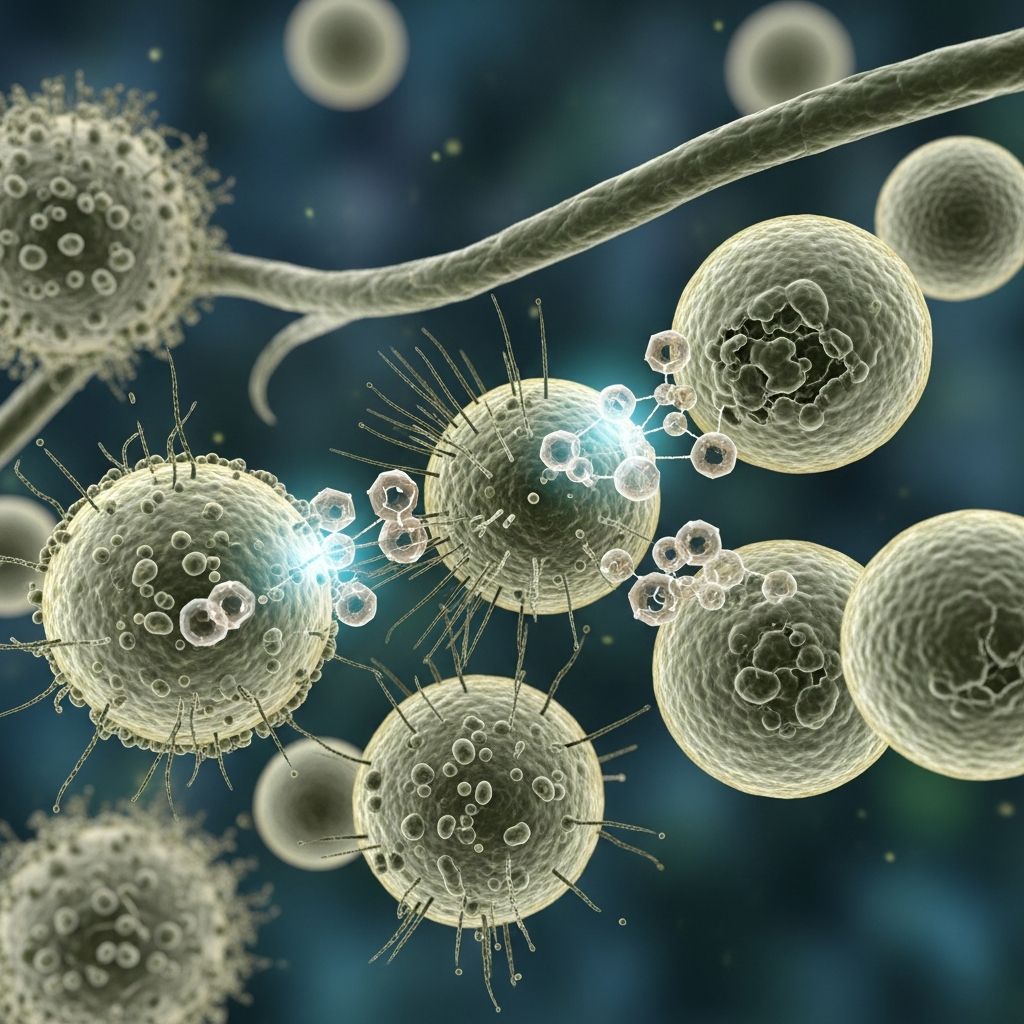
Treatment of Fungal Infection
Fungal infections, also known as mycoses, affect the skin, nails, hair, and mucous membranes. They are caused by dermatophytes, yeasts like Candida, or molds. Treatment depends on the site, extent, and type of infection, ranging from simple topical applications to systemic oral medications.
Introduction
Treatment of fungal infection may include general measures, reducing reinfection risks, topical antifungal medications, and oral antifungal drugs. Most superficial infections respond well to topical therapies, but extensive, chronic, or nail/scalp infections often require oral agents. Early diagnosis via clinical examination, microscopy, or culture improves outcomes. Patients should be educated on adherence, as incomplete treatment leads to recurrence.
General Measures
Supportive care enhances treatment efficacy and comfort:
- Keep affected areas clean and dry: Wash daily with mild soap, pat dry thoroughly. Moisture promotes fungal growth, so use absorbent powders in moist areas like groin or feet.
- Wear breathable clothing: Loose cotton underwear, socks changed daily, and open shoes to ventilate feet.
- Avoid sharing personal items: Towels, razors, or shoes to prevent spread.
- Mild antiseptic baths: For widespread infections, add 125ml Milton Sterilising Fluid per bath (2ml per liter water) and soak 10 minutes daily.
These steps are crucial for athlete’s foot (tinea pedis), ringworm (tinea corporis), and candidiasis.
Reducing Reinfection
Fungal spores survive long periods on surfaces, necessitating preventive strategies:
- Disinfect environments: Wash bedding, towels in hot water (>60°C). Vacuum carpets, discard old shoes if heavily contaminated.
- Foot hygiene for tinea pedis: Dry between toes meticulously, use antifungal powders prophylactically in at-risk individuals (e.g., athletes).
- Family screening: Treat asymptomatic household contacts if sharing environments, especially for tinea capitis.
- Avoid occlusive dressings: Except when prescribed, as they trap moisture.
Recurrence rates for onychomycosis reach 20-25%, linked to poor circulation, diabetes, or immunosuppression. Use Onychomycosis Severity Index to predict relapse risk.
Topical Antifungal Medication
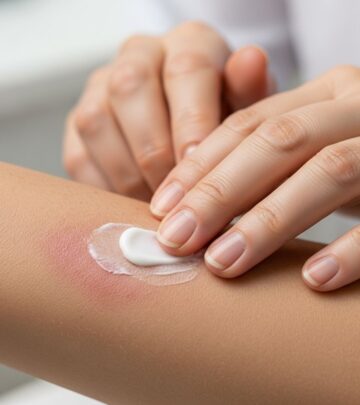
Topical antifungals are creams, lotions, powders, gels, sprays, or lacquers applied directly to the skin. They treat localized dermatophyte and yeast infections effectively.
Application guidelines: Apply twice daily for 2-4 weeks, extending 2cm beyond the lesion and continuing 1-2 weeks post-clearance. OTC availability for many.
General Skin Infections (Tinea Corporis, Cruris, Pedis)
Suitable agents include:
- Imidazoles: Clotrimazole, miconazole, econazole – broad-spectrum for dermatophytes and Candida.
- Allylamines: Terbinafine – highly effective for dermatophytes, faster action.
- Others: Ciclopirox, tolnaftate.
Localized tinea corporis often clears with topicals, but hair-bearing sites need orals.
Scalp (Tinea Capitis)
Antifungal shampoos as adjuncts: ketoconazole, ciclopirox, miconazole. Use 2-3 times weekly alongside orals.
Nail Infections (Onychomycosis)
For distal disease: amorolfine or ciclopirox lacquer weekly after filing nail. Treatment duration 6-12 months for fingernails, 12-18 months for toenails. Efficacy improves with urea avulsion for thick nails.
- Paronychia: Antiseptic/antifungal combos 2-3x daily for months.
Oral Infections (Candidiasis)
Miconazole oral gel (avoid with warfarin), nystatin suspension. Apply 4x daily, do not eat/drink 30min after.
Vaginal Infections (Candidiasis)
Clotrimazole or miconazole pessaries/creams for 1-7 days. Single-dose fluconazole for uncomplicated cases.
Combination Products
Antifungals + mild steroids (e.g., clotrimazole-betamethasone) for inflamed lesions. Avoid potent steroids to prevent tinea incognito.
Caveats: Not for nails/scalp primarily; resistance emerging.
Oral Antifungal Medications
Reserved for extensive, resistant, scalp/nail, or deep infections due to side effects/interactions.
| Drug | Dose Example | Indications | Duration | Side Effects |
|---|---|---|---|---|
| Terbinafine | 250mg daily | Dermatophytes (onycho, tinea capitis) | 6wks skin, 3-6m nails | GI upset, taste change, rare hepatotoxicity |
| Itraconazole | 200mg daily (post-fatty meal) | Broad-spectrum | Pulse: 1wk/mo x3 | NAusea, edema, heart failure risk |
| Fluconazole | 150-400mg weekly | Candida, nails | 6-12m | Headache, rash |
| Ketoconazole | 200mg daily | Refractory cases | Variable | Hepatotoxicity (monitor LFTs) |
Notes: Baseline LFTs, avoid in pregnancy/liver disease. Itraconazole contraindicated with cisapride.
For Majocchi granuloma or tinea imbricata: terbinafine/itraconazole essential.
Antifungal Drug Resistance
Allylamine/triazole resistance rising, especially in India. Suspect in therapy-resistant dermatophytosis. Confirm via culture and MIC testing. May require alternative agents or combinations.
Frequently Asked Questions (FAQs)
Q: How long to use topical antifungals?
A: 2-4 weeks, continue 1-2 weeks after rash clears to prevent recurrence.
Q: When are oral antifungals needed?
A: Extensive disease, scalp/nails, treatment failure, hair follicle involvement.
Q: Can I use steroid creams with antifungals?
A: Mild steroids okay short-term for itch/inflammation; avoid strong ones to prevent masking/spread.
Q: How to prevent fungal nail reinfection?
A: Disinfect clippers/shoes, keep feet dry, prophylactic topicals if diabetic.
Q: Is laser effective for nails?
A: May eradicate fungi in 1-3 sessions but lacks evidence vs. systemic therapy.
References
- Topical Antifungal Medication — DermNet NZ. 2023. https://dermnetnz.org/topics/topical-antifungal-medication
- Tinea Corporis (Body Ringworm) — DermNet NZ. 2023. https://dermnetnz.org/topics/tinea-corporis
- Skin Infections and Eczema — National Eczema Society. 2024. https://eczema.org/information-and-advice/living-with-eczema/skin-infections-and-eczema/
- Treatment of Fungal Infection — DermNet NZ. 2003 (updated). https://dermnetnz.org/topics/treatment-of-fungal-infection
- Fungal Nail Infections — DermNet NZ. 2023. https://dermnetnz.org/topics/fungal-nail-infections
- Oral Antifungal Drugs — DermNet NZ (CME). 2023. https://dermnetnz.org/cme/fungal-infections/oral-antifungal-drugs
- Introduction to Fungal Infections — DermNet NZ. 2023. https://dermnetnz.org/topics/introduction-to-fungal-infections
Similar Articles



Read full bio of medha deb