Treatment Of Psoriasis In Pregnancy: Safe Options And Guidance
Comprehensive guide to safely managing psoriasis symptoms during pregnancy with topical therapies, phototherapy, and biologics.
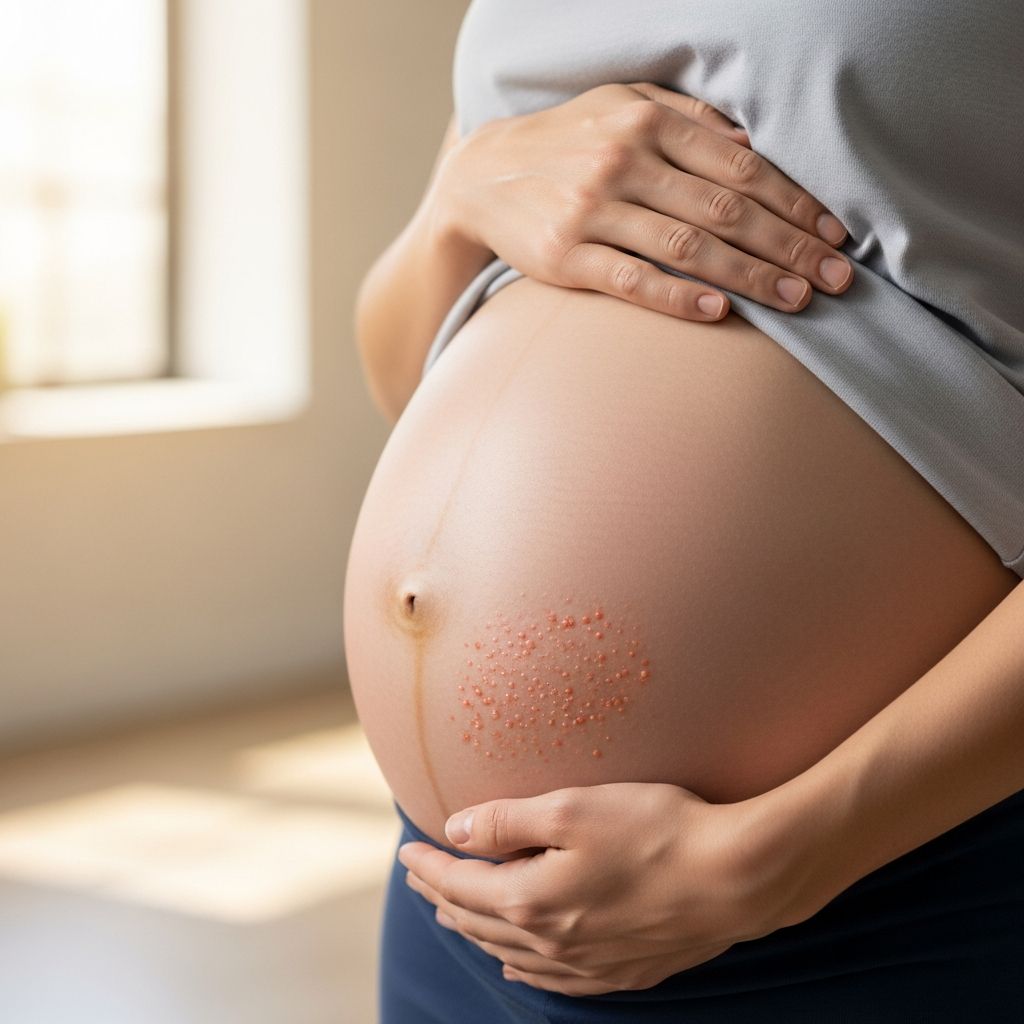
Treatment of Psoriasis in Pregnancy
Psoriasis affects many women of childbearing age, and managing the condition during pregnancy requires careful consideration of both maternal well-being and fetal safety. The severity of psoriasis during pregnancy can improve in 40 60% of cases, worsen in 10 20%, or remain stable in the remainder, with postpartum flares common in up to 65 87% of patients. There are no unique clinical features of psoriasis in pregnancy beyond these severity variations, and plaque psoriasis remains the most common subtype. This article outlines safe treatment strategies, drawing from clinical guidelines and studies to help dermatologists and patients navigate this complex period.
What is the treatment for psoriasis in pregnancy?
Treatment decisions prioritize agents with established safety profiles, starting with non-pharmacologic and topical options. Systemic therapies are reserved for moderate-to-severe cases unresponsive to first-line treatments, balancing risks of uncontrolled inflammation 6which can impact pregnancy outcomes 6against potential fetal harm. National or regional guidelines, such as those from New Zealand’s formulary, should be consulted for drug safety data. Many women require only topical care, but extensive disease may necessitate escalation.
Topical therapy
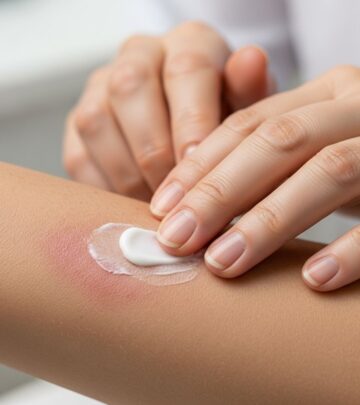
Topical treatments form the cornerstone of psoriasis management in pregnancy due to their localized action and minimal systemic absorption. Emollients and moisturizers are universally recommended as first-line adjuncts to hydrate skin, reduce scaling, and alleviate itch without risk to the fetus.
Low- to moderate-potency topical corticosteroids, such as hydrocortisone 1% or betamethasone valerate 0.1%, are safe for limited use, particularly on thinner skin areas like the face and flexures. Potent steroids should be avoided or used sparingly on thick plaques, as prolonged application may increase absorption risks. Coal tar preparations (2 5%) can be considered for stable plaque psoriasis, though evidence is limited; they are applied intermittently to minimize exposure.
Topical treatments that could be considered include:
- Emollients and soap substitutes
- Low- to moderate-potency topical corticosteroids
- Coal tar 2 5%
Avoid topical retinoids (e.g., tazarotene), calcipotriol (calcipotriene), and dithranol (anthralin), as they lack safety data or carry teratogenic risks. Salicylic acid should be limited to small areas (<10% body surface) to prevent systemic absorption and kernicterus in the fetus.
Phototherapy
Narrowband ultraviolet B (nUVB) phototherapy is a safe, effective first-line option for pregnant patients with widespread psoriasis unresponsive to topicals. It targets inflamed plaques without systemic effects and has been used successfully in pregnancy cohorts. Protocols involve 2 3 sessions weekly, titrating doses to minimal erythema.
Phototherapy depletes folate levels, so supplementation (5 mg daily) is essential to prevent neural tube defects. Broadband UVB is an alternative if nUVB is unavailable. Oral photochemotherapy (PUVA) is contraindicated due to theoretical mutagenic risks to the fetus, despite limited substantiating data.
Systemic medications
For severe, refractory psoriasis, systemic agents require multidisciplinary input weighing benefits against risks. Acitretin, methotrexate, and ciclosporin (cyclosporine) are generally contraindicated: acitretin and methotrexate are teratogenic, causing severe birth defects, while ciclosporin data is limited but suggests hypertension and renal risks.
Ciclosporin may be considered in life-threatening cases like pustular psoriasis of pregnancy (impetigo herpetiformis), a rare third-trimester emergency with high maternal-fetal morbidity if untreated. It resolves postpartum but recurs in subsequent pregnancies. Hydroxycarbamide (hydroxyurea) is also avoided due to embryotoxicity.
In practice, most uncomplicated psoriasis does not warrant systemic therapy during pregnancy, and pre-pregnancy drugs are often discontinued for medico-legal reasons.
Biologics
Biologics targeting TNF-alpha (e.g., etanercept, adalimumab, infliximab), IL-17 (secukinumab, ixekizumab), IL-23 (guselkumab, risankizumab), and IL-12/23 (ustekinumab) have growing safety evidence in pregnancy. No controlled trials exist, but registries and case series report low malformation rates.
TNF inhibitors, particularly certolizumab pegol (with minimal placental transfer), are preferred due to 2021 research indicating safety. Continuation until the second trimester, followed by a washout, minimizes flare risk while protecting the fetus. Postpartum resumption is common, as flares peak 4 6 weeks after delivery.
Stopping biologics risks severe rebound, especially in moderate-severe disease, so individualized plans are key. Live vaccines (e.g., BCG, rotavirus) should be delayed 6 12 months post-biologic exposure in infants.
Vaccination of infants
Infants exposed to biologics in utero may have impaired vaccine responses. Non-live vaccines (e.g., DTaP, IPV) are safe at birth, but live vaccines require caution:
- TNF inhibitors: Delay live vaccines 6 12 months.
- IL-17/IL-23 inhibitors: Data emerging; consult specialist.
Maternal vaccination (e.g., pertussis, influenza) during pregnancy protects newborns.
New agents
Janus kinase (JAK) inhibitors (e.g., tofacitinib, upadacitinib) and other tyrosine kinase inhibitors lack pregnancy data and should be avoided. Oral small molecules like apremilast (PDE4 inhibitor) cross the placenta and are not recommended. Ongoing trials may provide future guidance.
Frequently Asked Questions (FAQs)
Q: Does psoriasis improve during pregnancy?
A: Yes, in 40 60% of cases, with improvement often peaking mid-gestation due to hormonal shifts; 10 20% worsen, and postpartum flares affect most.
Q: Are topical steroids safe in pregnancy?
A: Low- to moderate-potency steroids are first-line and safe for limited use under supervision; avoid potent ones on large areas.
Q: Can biologics be used during pregnancy?
A: Increasing evidence supports TNF inhibitors like certolizumab; decisions are individualized based on disease severity and gestational age.
Q: What is pustular psoriasis of pregnancy?
A: A rare, severe form (impetigo herpetiformis) in the third trimester, requiring urgent systemic therapy and possible early delivery.
Q: How to manage postpartum psoriasis flares?
A: Resume pre-pregnancy treatments promptly; monitor for 4 6 months, using topicals or biologics as needed.
Postpartum considerations
Up to 87% experience flares due to estrogen/progesterone drops, often within 4 months. Breastfeeding-compatible options include topicals, nUVB, and most biologics (monitor infant for infections). Discuss contraception and family planning pre-conception.
| Treatment | Safety Category | Recommendations |
|---|---|---|
| Emollients | Safe | First-line for all |
| Low-moderate topical steroids | Safe (limited use) | Preferred topicals |
| nUVB phototherapy | Safe | With folate supplement |
| Biologics (TNF-i) | Conditional | Preferred for severe disease |
| Methotrexate/Acitretin | Contraindicated | Teratogenic; discontinue preconception |
Managing psoriasis in pregnancy demands a tailored approach. Improvement occurs in many (55 63%), but worsening or postpartum exacerbation requires proactive planning. Multidisciplinary care involving dermatology, obstetrics, and rheumatology optimizes outcomes. Pre-pregnancy counseling on drug cessation and contraception is vital.
References
- Psoriasis in pregnancy: challenges and solutions 6 PMC / Nast A, et al. 2017-10-24. https://pmc.ncbi.nlm.nih.gov/articles/PMC5683115/
- Treatment of Psoriasis in Pregnancy 6 DermNet NZ. 2023-01-15. https://dermnetnz.org/topics/treatment-of-psoriasis-in-pregnancy
- How does psoriasis affect pregnancy? 6 Medical News Today. 2023-05-12. https://www.medicalnewstoday.com/articles/316942
- Pustular psoriasis of pregnancy 6 DermNet NZ. 2022-11-08. https://dermnetnz.org/topics/pustular-psoriasis-of-pregnancy
- Biologics and novel small molecule treatments reproduction and psoriasis 6 DermNet NZ. 2024-02-20. https://dermnetnz.org/topics/biologics-and-novel-small-molecule-treatments-reproduction-and-psoriasis
- Psoriasis treatment 6 DermNet NZ. 2023-09-10. https://dermnetnz.org/topics/treatment-of-psoriasis
Similar Articles








Read full bio of medha deb