Treatment-Resistant Depression: Understanding Causes and Solutions
Comprehensive guide to understanding and managing treatment-resistant depression with evidence-based solutions.
Understanding Treatment-Resistant Depression
Treatment-resistant depression (TRD) represents a significant clinical challenge affecting approximately 10-30% of patients diagnosed with major depressive disorder. Unlike standard depression that responds well to conventional antidepressant medications and psychotherapy, treatment-resistant depression persists despite adequate trials of multiple therapeutic interventions. This condition creates profound suffering for patients and their families, characterized by prolonged symptoms, diminished quality of life, increased suicide risk, and higher rates of relapse.
Understanding treatment-resistant depression requires recognizing it as a complex clinical problem with multifactorial origins rather than a single disease entity. The condition demands integrated therapeutic strategies that go beyond traditional antidepressant approaches to address the underlying biological, psychological, and environmental factors contributing to treatment failure.
Definition and Diagnostic Criteria
Treatment-resistant depression is typically defined as major depressive disorder that does not respond adequately to at least two adequately dosed and sufficiently long antidepressant trials from different pharmacological classes. However, treatment resistance exists on a spectrum rather than as a binary classification. Some individuals experience partial resistance, where symptoms improve but not substantially enough to restore functional capacity and quality of life. Others face complete resistance, characterized by minimal or no noticeable improvement despite multiple therapeutic attempts.
The distinction between true treatment resistance and other contributing factors is critical for effective management. Misdiagnosis frequently contributes to perceived treatment resistance, as conditions such as bipolar disorder, anxiety disorders, or thyroid dysfunction can mimic depressive symptoms. Comprehensive psychiatric and medical evaluations form the foundation for accurate diagnosis and subsequent treatment planning.
Symptoms of Treatment-Resistant Depression
The symptoms of treatment-resistant depression parallel those of standard depression but often manifest with greater severity and persistence:
- Persistent sadness or profoundly depressed mood
- Complete loss of interest in previously enjoyed activities (anhedonia)
- Significant changes in appetite resulting in weight loss or gain
- Severe sleep disturbances, including insomnia or hypersomnia
- Profound fatigue and lack of energy
- Difficulty concentrating or making decisions
- Persistent feelings of worthlessness or excessive guilt
- Recurrent thoughts of death or suicidal ideation
Intensified Symptom Presentation
In treatment-resistant cases, symptoms often become intensified and more debilitating than in typical depression. Individuals may experience deeper levels of despair and helplessness, making even basic daily functioning increasingly difficult. This intensity of symptoms further complicates the treatment process, necessitating more nuanced and sophisticated therapeutic approaches. The chronic nature of these symptoms—often persisting for years—creates a cycle of frustration and hopelessness for both patients and their support systems.
Physical and Psychological Manifestations
Beyond emotional symptoms, treatment-resistant depression manifests through various physical health complications. Patients frequently experience chronic headaches, digestive disturbances, and chronic pain syndromes. These psychosomatic manifestations require integrated treatment plans addressing both mental and physical health dimensions simultaneously, as untreated physical symptoms can perpetuate or worsen depressive symptoms.
Causes and Risk Factors
Treatment-resistant depression develops through multiple interacting biological, psychological, and environmental factors rather than a single cause. Understanding these multifactorial origins is essential for developing comprehensive treatment strategies.
Biological Factors
Genetic Predisposition: Genetic factors significantly impact susceptibility to treatment-resistant depression. Family history of depression or other mental health disorders indicates elevated risk. Researchers have identified specific genetic variations associated with treatment resistance, including polymorphisms in genes affecting neurotransmitter synthesis. For example, genes encoding tryptophan hydroxylase-2 and transcription factors like CREB1 have been implicated in treatment response variations. Additionally, genetic research has revealed genes that interfere with tryptophan synthesis, a substrate essential for serotonin production.
Related Stories



Neurochemical Imbalances: The traditional understanding of depression emphasizes low brain levels of neurotransmitters including serotonin, norepinephrine, and dopamine. However, recent research suggests these neurotransmitters may not be the sole culprits, explaining why standard antidepressants targeting these systems prove ineffective for many patients. Emerging theories propose that brain inflammation may contribute to depression independently or interact with neurotransmitter dysfunction. Traditional antidepressants affecting only neurotransmitter levels may be insufficient for patients whose depression stems from or involves inflammatory mechanisms.
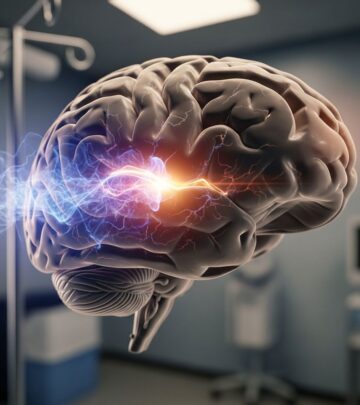
Structural Brain Changes: Neuroimaging studies have documented structural alterations in treatment-resistant depression, including reduced volume in specific brain regions involved in mood regulation. These structural differences may fundamentally affect how the brain responds to traditional treatments, highlighting the importance of advanced imaging techniques in diagnosis and treatment planning.
Psychological Factors
Trauma and Emotional History: Unresolved trauma creates significant barriers to emotional healing and treatment response. Traumatic experiences can deeply influence psychological resilience, necessitating specialized therapeutic interventions focused on trauma resolution and emotional processing rather than standard depression treatments.
Chronic Stress: Ongoing psychological stress alters brain function and hormonal responses, directly contributing to treatment resistance. Continuous release of stress hormones like cortisol exacerbates depressive symptoms, making stress management techniques integral to treatment plans.
Comorbid Mental Health Conditions: Co-occurring disorders such as anxiety disorders, post-traumatic stress disorder, or personality disorders complicate treatment responses. These overlapping conditions require integrated treatment strategies addressing all aspects of an individual’s mental health rather than depression in isolation.
Environmental and Social Factors
Socioeconomic Challenges: Financial instability, unemployment, and poor living conditions intensify depressive symptoms and impair treatment efficacy. Addressing these structural factors often requires collaboration with community resources and social services to alleviate environmental stressors.
Social Support Systems: Lack of social connection and feelings of isolation significantly impact treatment outcomes. Strong, supportive relationships are crucial for recovery, and therapeutic interventions often focus on developing social skills and building supportive networks.
Adverse Environmental Conditions: Chronic exposure to domestic violence, substance abuse environments, or other adverse conditions perpetuates depressive symptoms. Creating safe and supportive living conditions forms an integral part of comprehensive treatment approaches.
Medical and Medication Factors
Drug Interactions: Some medications interact poorly with antidepressants, preventing either medication from functioning normally. Medical professionals must carefully review all medications to identify potentially problematic interactions.
Medication Dosing and Selection: Antidepressants work differently in different individuals, and finding the correct medication at the appropriate dose requires systematic trial and adjustment. Some individuals may be rapid or slow metabolizers of antidepressants due to genetic variations, affecting drug efficacy and side effects.
Medical Comorbidities: Concurrent medical conditions such as hypothyroidism, anemia, eating disorders, and substance use disorders significantly contribute to treatment resistance. Each of these conditions requires separate treatment approaches, as untreated medical comorbidities perpetuate depression.
Treatment Approaches for Treatment-Resistant Depression
Medication Optimization Strategies
Treatment optimization begins with ensuring adequate dosing and duration of initial antidepressant trials. Many cases of apparent treatment resistance result from inadequate medication dosing or insufficient trial duration rather than true resistance. Systematic approaches include:
- Maximizing current antidepressant dose to therapeutic levels
- Extending trial duration to 8-12 weeks for adequate assessment
- Switching to alternative antidepressants from different pharmacological classes
- Combining multiple antidepressants with complementary mechanisms of action
- Augmenting antidepressants with non-antidepressant medications
Research examining antidepressant treatment strategies in resistant cases found that switching to alternative SSRIs, venlafaxine, or combining antidepressants with cognitive behavioral therapy produced meaningful improvement in many patients. Augmentation strategies involve adding medications that enhance antidepressant efficacy without being antidepressants themselves.
Psychosocial and Behavioral Interventions
Psychotherapy remains essential in treatment-resistant depression management. Cognitive behavioral therapy specifically addresses dysfunctional thought patterns and behaviors perpetuating depression. Psychotherapy combined with medication optimization often produces superior outcomes compared to medication alone. Additional therapeutic approaches include trauma-focused therapies for patients with unresolved trauma histories and interpersonal therapy addressing relationship patterns affecting mood.
Somatic Therapies
Electroconvulsive Therapy (ECT): ECT remains one of the most effective treatments for severe, treatment-resistant depression, producing rapid symptom improvement in many patients who have failed multiple medication trials.
Repetitive Transcranial Magnetic Stimulation (rTMS): rTMS uses magnetic pulses to stimulate specific brain regions involved in mood regulation, offering a non-invasive alternative to ECT.
Deep Brain Stimulation (DBS): DBS involves surgically implanting electrodes in specific brain regions to modulate neural activity. Research demonstrates meaningful response rates, with studies showing 50% symptom reduction in approximately half of treatment-resistant patients at one month, declining to 29% at 12 months using standard response definitions, though rates increase to 62% using alternative response criteria.
Vagus Nerve Stimulation (VNS): VNS involves implanting a device that stimulates the vagus nerve, modulating brain activity patterns involved in mood regulation.
Magnetic Seizure Therapy (MST) and Transcranial Direct Current Stimulation (TDCS): These emerging techniques represent promising alternatives to traditional somatic therapies.
Integrated Treatment Approach
Effective treatment of treatment-resistant depression requires integrated approaches combining medication optimization, psychotherapy, lifestyle modifications including regular exercise, risk management strategies, and complementary approaches. This multifaceted strategy addresses the multiple biological, psychological, and social factors contributing to treatment resistance.
Diagnostic Considerations and Medical Workup
Comprehensive evaluation distinguishing true treatment resistance from other contributors is critical. Clinicians must:
- Verify accurate initial diagnosis through comprehensive psychiatric assessment
- Screen for bipolar disorder, which requires different treatment than unipolar depression
- Evaluate for medical conditions mimicking depression (hypothyroidism, B12 deficiency, anemia)
- Assess for substance use affecting mood and treatment response
- Review medication adherence and tolerability issues
- Evaluate dosing adequacy and trial duration
- Identify drug interactions impairing treatment efficacy
- Assess for psychological factors including trauma and stress
Prognosis and Management Considerations
While treatment-resistant depression presents significant challenges, many patients achieve meaningful improvement through systematic, comprehensive approaches. Response rates vary depending on the specific treatments employed, with somatic therapies demonstrating particularly high efficacy rates in severely treatment-resistant cases. However, long-term management often requires ongoing treatment to prevent relapse, as the chronic nature of treatment-resistant depression typically necessitates sustained therapeutic intervention.
Frequently Asked Questions
Q: How is treatment-resistant depression defined?
A: Treatment-resistant depression is typically defined as major depressive disorder that does not respond adequately to at least two antidepressant trials using adequate doses for sufficient duration from different pharmacological classes.
Q: What percentage of depressed patients experience treatment resistance?
A: Approximately 10-30% of patients diagnosed with major depression do not respond adequately to standard antidepressant treatment.
Q: Can medical conditions contribute to treatment-resistant depression?
A: Yes, medical comorbidities such as hypothyroidism, anemia, vitamin deficiencies, and other conditions significantly contribute to treatment resistance and must be identified and treated separately.
Q: What is deep brain stimulation for depression?
A: Deep brain stimulation involves surgically implanting electrodes in specific brain regions to modulate neural activity involved in mood regulation, with response rates around 50-62% in treatment-resistant cases.
Q: Is psychotherapy important in treatment-resistant depression?
A: Yes, psychotherapy combined with medication optimization often produces superior outcomes compared to medication alone, particularly cognitive behavioral therapy addressing dysfunctional patterns.
Q: What role does inflammation play in treatment-resistant depression?
A: Recent research suggests brain inflammation may contribute to depression independently or interact with neurotransmitter dysfunction, potentially explaining why standard antidepressants are ineffective for some patients.
Conclusion
Treatment-resistant depression represents a complex clinical challenge requiring systematic, comprehensive assessment and multimodal treatment strategies. Rather than viewing treatment resistance as a treatment failure, understanding it as a multifactorial condition involving biological, psychological, and environmental components enables healthcare providers to develop tailored interventions addressing individual patient needs. Through careful diagnostic evaluation, medication optimization, psychotherapy, and when indicated, advanced somatic therapies, many patients with treatment-resistant depression achieve meaningful symptom improvement and restored quality of life.
References
- Understanding Treatment-Resistant Depression: Causes and Solutions — Pavilion Hospital. 2024. https://pavilionhospital.com/blog/treatment-resistant-depression-causes-solutions/
- Treatment-Resistant Depression: Therapeutic Trends, Challenges, and Future Directions — National Center for Biotechnology Information (NCBI/PMC). 2012. https://pmc.ncbi.nlm.nih.gov/articles/PMC3363299/
- 4 Things We Now Know About Treatment-Resistant Depression — Johnson & Johnson. 2024. https://www.jnj.com/health-and-wellness/4-facts-about-treatment-resistant-depression
- Treatment-Resistant Depression — Mayo Clinic. 2024. https://www.mayoclinic.org/diseases-conditions/depression/in-depth/treatment-resistant-depression/art-20044324
- Treatment-Resistant Depression: What Causes It? — WebMD. 2024. https://www.webmd.com/depression/treatment-resistant-depression-causes-treatment-resistant-depression
Similar Articles








Read full bio of medha deb