Treatments for Post-Nasal Drip: Complete Guide
Discover effective treatments and remedies for post-nasal drip relief
Understanding Post-Nasal Drip and Treatment Options
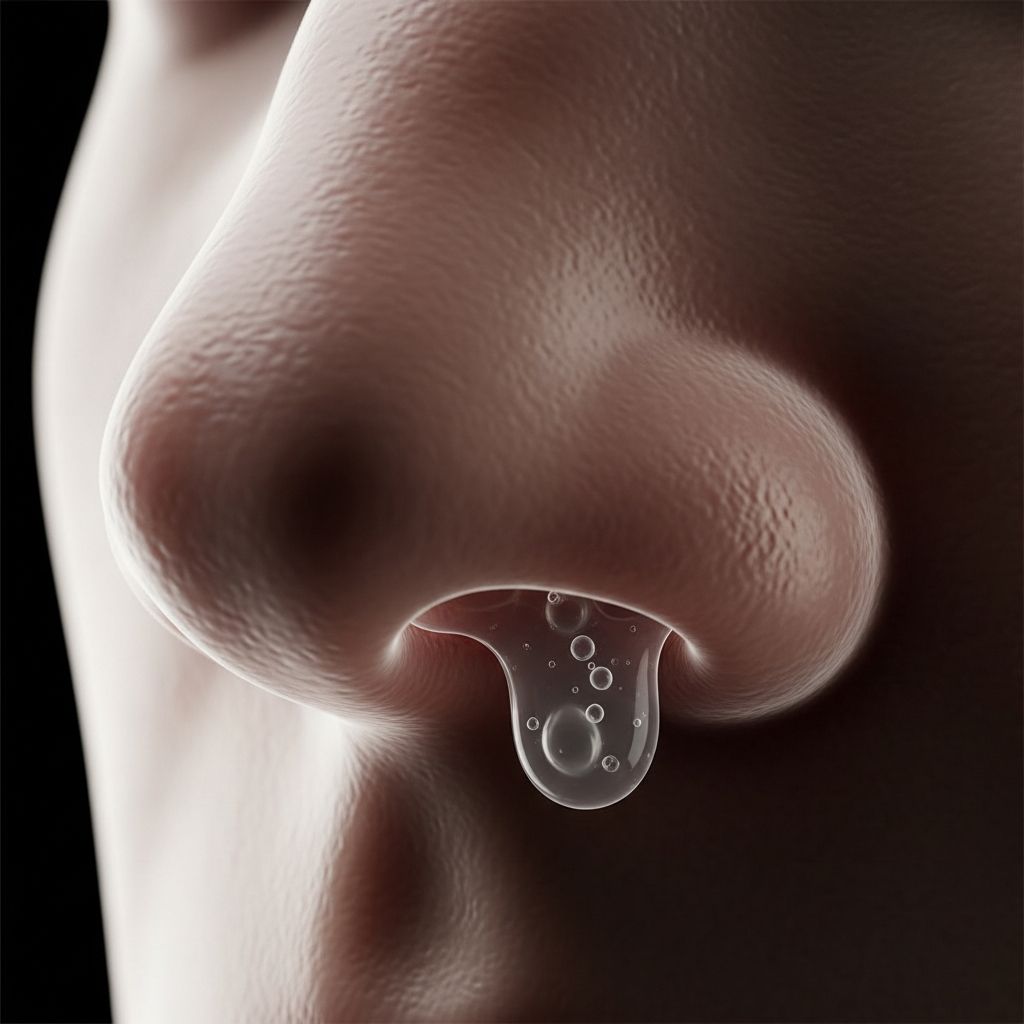
Post-nasal drip is a common condition where excess mucus from the nose and sinuses drains down the back of the throat. This fluid is produced continuously by the nose, throat, and sinuses to protect airways from drying and to defend against germs, pollen, and environmental pollutants. When mucus becomes thick or excessive, it can cause discomfort, irritation, and bothersome symptoms that affect daily life. The good news is that post-nasal drip is typically not serious and often resolves with appropriate treatment or home care strategies.
Home Remedies and Self-Care Strategies
Many individuals can successfully manage post-nasal drip with simple self-care measures implemented at home. These approaches focus on thinning mucus, maintaining proper hydration, and creating an optimal environment for symptom relief.
Hydration and Fluid Intake
One of the most effective home remedies for post-nasal drip is increasing fluid consumption. Drinking plenty of liquids, particularly water, helps thin mucus and allows it to flow smoothly through the nasal passages and throat. Warm beverages such as herbal teas and broths offer additional benefits by providing soothing relief to a sore throat while the steam helps clear congested sinuses. Adequate hydration also counteracts the dehydration that occurs from excessive mucus drainage, promoting overall recovery and comfort.
Saline Nasal Solutions
Saline nasal sprays and irrigation devices are highly effective non-medicinal treatments for post-nasal drip. These salt water solutions help flush out mucus buildup, bacteria, allergens, and other irritating substances from the sinuses and nasal passages. Using a neti pot or similar irrigation device can clear blocked airways and reduce overall mucus content. Regular use of saline nasal spray is safe for most people, including pregnant individuals, and can be used multiple times daily as needed for symptom relief.
Humidity and Environmental Moisture
Increasing moisture in the air is particularly beneficial for managing post-nasal drip, especially in cases of clogged sinuses. Using a humidifier or steam vaporizer helps moisten nasal passages and thin out thickened mucus, allowing it to drain more effectively. Taking hot, steamy showers provides similar benefits and can offer immediate relief. This approach is especially helpful during dry seasons or in dry climates where environmental conditions contribute to mucus thickening.
Sleep Position and Rest
How you position your body while sleeping can significantly impact post-nasal drip symptoms. Propping up your pillows at night prevents mucus from pooling or collecting in the back of your throat, reducing nighttime discomfort and coughing. This elevated sleeping position helps promote better drainage and more comfortable rest.
Avoiding Irritants and Dehydrating Substances
Certain substances can worsen post-nasal drip symptoms and should be avoided when possible. Alcohol and caffeine are known dehydrating agents that can thicken mucus and exacerbate symptoms. Cigarette smoke and other environmental irritants can also trigger or intensify post-nasal drip. By eliminating or reducing exposure to these substances, you can help manage your condition more effectively.
Over-the-Counter Medications
When home remedies alone are insufficient, various over-the-counter medications can help manage post-nasal drip symptoms. The choice of medication depends on the underlying cause of your condition and the specific symptoms you experience.
Decongestants
Oral decongestants such as pseudoephedrine (Sudafed) and phenylephrine (Sudafed PE Congestion) work by shrinking swollen blood vessels and tissues in nasal and sinus passages. This action helps unblock a stuffy nose and reduces the amount of mucus draining down the throat. These medications can provide relatively quick relief from congestion-related symptoms.
Related Stories



Nasal spray decongestants containing oxymetazoline (such as Afrin or Vicks Sinex) can stop post-nasal drip more rapidly than oral forms. However, these should only be used for a maximum of two to three days. Extended use can create a rebound effect, where congestion becomes worse once you stop using the medication. It is essential to follow package directions carefully and consult with a pharmacist about appropriate usage duration.
Antihistamines
Antihistamines can be particularly effective for post-nasal drip caused by seasonal allergies or allergic rhinitis. Newer, non-sedating antihistamines such as loratadine (Claritin), cetirizine (Zyrtec), fexofenadine (Allegra), and levocetirizine (Xyzal) are preferred options because they are less likely to cause drowsiness. These medications are especially suitable for people who need to work or drive while managing their symptoms.
Older antihistamines like diphenhydramine (Benadryl) and chlorpheniramine (Chlor-Trimeton) should generally be avoided for post-nasal drip treatment. While these medications dry out mucus, they can actually thicken it further and may cause drowsiness that interferes with daily activities.
Nasal Corticosteroid Sprays
Over-the-counter corticosteroid nasal sprays are highly effective for post-nasal drip, particularly when caused by allergies. Common options include fluticasone (Flonase) and triamcinolone (Nasacort). These sprays reduce inflammation in nasal passages and help control mucus production. They are generally safe for regular use and can be used alongside other treatments.
Mucus-Thinning Medications
Guaifenesin (Mucinex) and similar expectorant medications help thin out thickened mucus, making it easier to drain and clear from your sinuses and throat. These can be taken orally and are available in various formulations. When combined with adequate fluid intake and humid air, mucus-thinning medications can significantly improve drainage and symptom relief.
Prescription Medications
If over-the-counter treatments do not adequately relieve your post-nasal drip symptoms, your doctor may recommend prescription medications tailored to your specific condition.
Prescription Nasal Sprays
Several prescription nasal sprays are available for treating post-nasal drip that does not respond to OTC options. Beclomethasone and ipratropium (Atrovent) are examples of prescription nasal sprays that can provide enhanced relief from congestion and mucus drainage. Your doctor will determine if these options are appropriate for your situation.
Antibiotics for Bacterial Infections
When post-nasal drip is caused by a bacterial sinus infection or sinusitis, antibiotics may be prescribed to clear the infection and stop the drip. It is important to note that antibiotics are ineffective against viral infections like the common cold. Your doctor will determine whether antibiotics are appropriate based on diagnostic testing and evaluation of your symptoms.
Specialized Treatment Options
Treatment Based on Underlying Causes
Post-nasal drip can result from various underlying conditions, each requiring specific treatment approaches. If your post-nasal drip is caused by asthma or gastroesophageal reflux disease (GERD), your doctor will recommend appropriate treatment for these conditions, which often resolves the drip as a secondary benefit.
Surgical Intervention
In rare cases where a deviated septum is causing post-nasal drip, surgical correction may be considered. Septoplasty is a procedure designed to straighten the nasal septum and improve airflow. This surgical approach provides a more permanent solution to post-nasal drip caused by structural nasal obstruction. Your doctor will discuss whether this option is suitable for your specific situation.
When to Seek Medical Attention
While post-nasal drip is generally manageable at home, certain symptoms warrant professional medical evaluation. You should contact your doctor if you experience:
– Discolored mucus that does not clear up with treatment- Foul-smelling mucus discharge- Symptoms accompanied by a significant fever- Symptoms persisting for more than 10 days despite self-care measures- Post-nasal drip that significantly affects your quality of life
Additionally, pregnant individuals should consult with their doctor before starting any new medications, though nasal saline solutions are generally safe to use during pregnancy.
Medication Comparison Table
| Medication Type | Examples | How It Works | Best For | Considerations |
|---|---|---|---|---|
| Oral Decongestants | Pseudoephedrine (Sudafed) | Shrinks swollen nasal tissues | Congestion relief | May cause dizziness or dry mouth |
| Nasal Spray Decongestants | Oxymetazoline (Afrin) | Rapid mucus reduction | Quick relief | Use only 2-3 days maximum |
| Antihistamines | Loratadine, Cetirizine | Blocks allergic reactions | Allergy-related drip | Non-sedating options preferred |
| Nasal Corticosteroids | Fluticasone (Flonase) | Reduces inflammation | Allergies and inflammation | Safe for regular use |
| Mucus Thinners | Guaifenesin (Mucinex) | Thins thick mucus | Thick mucus drainage | Works best with hydration |
Frequently Asked Questions
Q: How long does post-nasal drip typically last?
A: Post-nasal drip often resolves on its own or with home remedies within a few days to two weeks. However, chronic post-nasal drip related to allergies or structural issues may persist longer and require ongoing management.
Q: Can post-nasal drip be prevented?
A: While you cannot completely prevent mucus production, you can reduce symptoms by avoiding known triggers, maintaining adequate hydration, using humidifiers in dry environments, and managing underlying conditions like allergies.
Q: Is post-nasal drip contagious?
A: Post-nasal drip itself is not contagious. However, if it results from a viral or bacterial infection, that infection may be transmissible to others.
Q: What is the best treatment for post-nasal drip at night?
A: Elevating your head with extra pillows, using a humidifier in your bedroom, and applying saline nasal spray before bed can help manage nighttime symptoms. Some people find nasal corticosteroid sprays particularly helpful for overnight relief.
Q: Can lifestyle changes help with post-nasal drip?
A: Yes, significant lifestyle modifications can help manage post-nasal drip. Avoiding irritants like cigarette smoke, reducing alcohol and caffeine consumption, staying well-hydrated, and maintaining proper humidity levels can all contribute to symptom improvement.
Q: Should I use saline spray or medicated nasal spray first?
A: Saline spray can be used first to clear mucus and debris from nasal passages. This clears the way for medicated sprays to work more effectively. Check with your pharmacist about the optimal timing between applications.
References
- Post-nasal drip treatments — healthdirect (Australian Government Department of Health). 2024. https://www.healthdirect.gov.au/post-nasal-drip
- Postnasal Drip: Symptoms, Causes, and Treatment — WebMD Medical Reference. 2024. https://www.webmd.com/allergies/postnasal-drip
- Postnasal Drip: Symptoms, Treatments, Home Remedies, and More — Medical News Today. Medically reviewed 2024. https://www.medicalnewstoday.com/articles/319636
Similar Articles








Read full bio of Sneha Tete