Treatments to Reduce Wrinkles: Complete Guide
Explore effective wrinkle reduction treatments from non-invasive options to surgical procedures.
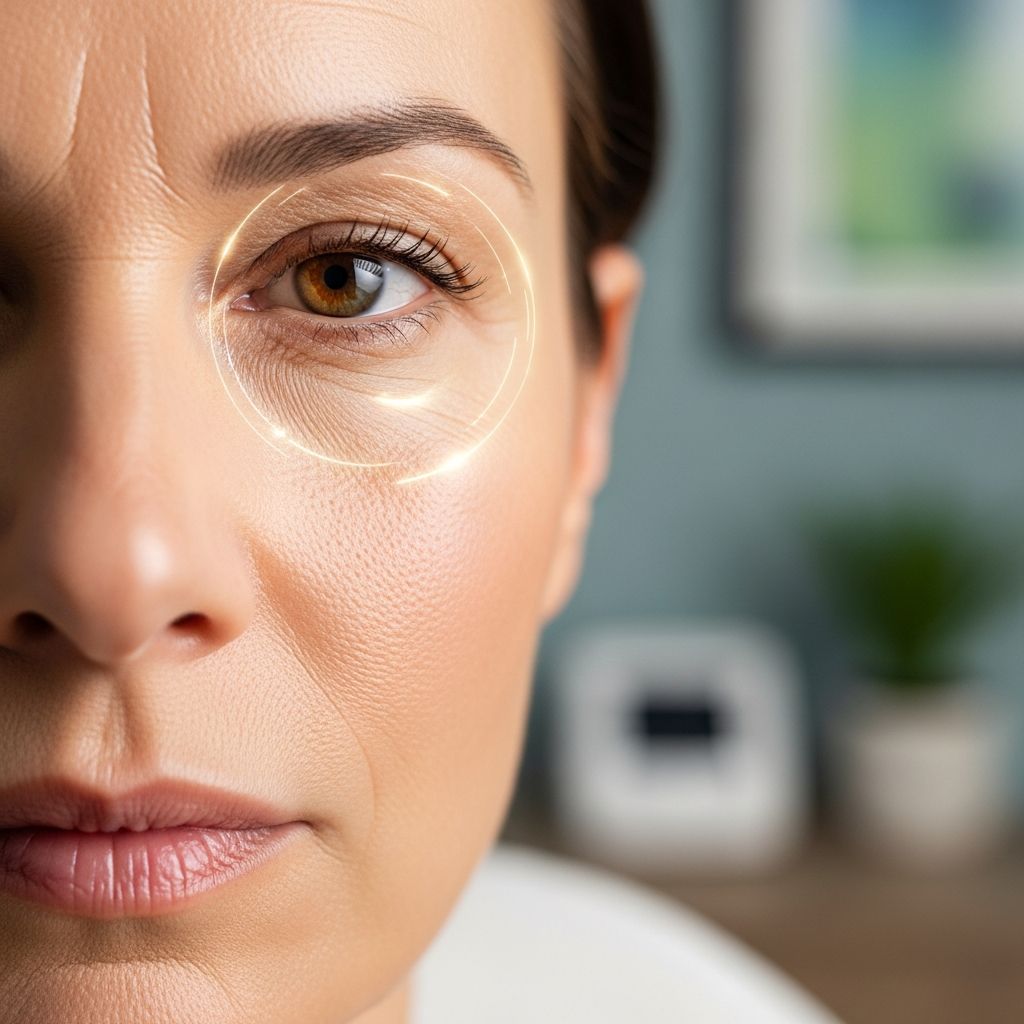
Wrinkles are a natural part of aging, but numerous treatment options are available to reduce their appearance and restore a more youthful look. Whether you prefer non-invasive procedures or surgical interventions, dermatologists and cosmetic surgeons offer solutions tailored to your specific concerns and goals. Understanding these options helps you make informed decisions about which treatment is right for you.
Topical Treatments and Prevention
Retinoids: The Gold Standard
Retinoids are among the most effective topical treatments for reducing fine lines and wrinkles. These vitamin A derivatives work by accelerating cell turnover and promoting collagen production, which helps improve skin texture and reduce the appearance of wrinkles over time. Regular use of retinoid creams or serums can provide visible improvements in skin quality and wrinkle depth. Many dermatologists recommend retinoids as a first-line treatment for mild to moderate wrinkles, making them an accessible option for home-based skincare routines.
Minimally Invasive Procedures
Micro-needling: Stimulating Natural Collagen
Micro-needling is a minimally invasive procedure that uses fine needles to create controlled micro-injuries in the skin. This process triggers the body’s natural healing response and stimulates collagen and elastin production. The procedure is performed as an outpatient treatment while you remain awake, typically taking minutes to an hour depending on the area being treated. Micro-needling is particularly effective for superficial wrinkles, fine lines, and can also address acne scars and skin texture irregularities. Multiple sessions may be required to achieve optimal results, with maintenance treatments recommended to sustain improvements.
Microdermabrasion: Gentle Skin Refinement
Microdermabrasion gently removes or sands away thick or uneven outer layers of your skin through mechanical exfoliation. This treatment is best suited for addressing scarring, stretch marks, skin discoloration, and sun damage. Unlike more aggressive dermabrasion, microdermabrasion uses fine crystals or a diamond-tipped wand to create a gentler resurfacing effect. As an outpatient procedure, it can be completed in your healthcare provider’s office without requiring general anesthesia. Recovery is typically rapid, with minimal downtime allowing you to return to normal activities immediately.
Dermabrasion: Deeper Skin Resurfacing
Dermabrasion is a more aggressive procedure than microdermabrasion, as it mechanically scrapes away multiple layers of your skin. This treatment is effective for reducing deeper wrinkles, irregular skin depressions, and other significant imperfections. By removing damaged outer layers, dermabrasion helps you regain smoother, more youthful-looking skin. The procedure removes skin layers systematically, promoting the growth of new, healthy skin underneath. One significant advantage of dermabrasion is that its results are permanent, making it a long-term solution for wrinkle reduction. However, the procedure requires proper healing and care during the recovery period.
Chemical Peels: Dissolving Imperfections
Chemical peels dissolve skin imperfections using small amounts of a chemical solution applied to the skin’s surface. The solution removes the top layers of your skin and creates space for new, healthy skin to grow in its place. These treatments are particularly effective for wrinkles, skin discoloration, and scars. Chemical peels come in various strengths, from superficial to deep, allowing customization based on your specific needs and skin type. The procedure is performed as an outpatient treatment and can take anywhere from minutes to several hours depending on the depth of the peel. Results typically appear within one to two weeks as the skin heals and reveals smoother, more radiant skin underneath.
Related Stories



Laser Skin Resurfacing: Advanced Light Technology
Laser skin resurfacing represents one of the most advanced technologies for treating wrinkles and other skin concerns. This procedure uses concentrated pulsating beams of light directed at sections of your skin to reduce facial wrinkles, irregularities caused by sun damage, and acne-related scarring. Lasers work by vaporizing the outer layers of skin and promoting the growth of new collagen fibers, which provides structural support and improves skin quality.
Several types of laser resurfacing are available, each with specific advantages. CO2 laser resurfacing has been successfully used to treat wrinkles, scars, warts, birthmarks, and other benign skin growths, with recovery time up to two weeks. Erbium laser resurfacing is designed to remove superficial and moderately deep lines with minimal injury to surrounding tissue, causing fewer side effects than CO2 lasers and requiring only one week of recovery. This option may be particularly suitable if you have a darker skin tone. Fractional laser resurfacing delivers narrow columns of laser light, leaving much of your skin uninjured while promoting collagen contraction and skin tightening, with recovery time of approximately one week.
The results of laser skin resurfacing can last up to five years, making it a durable solution for wrinkle reduction. Your doctor will determine which type of laser treatment is best for you after evaluating your medical history, current physical condition, and desired results.
Injectable Treatments
Neuromodulators: Botox and Similar Treatments
Neuromodulators, or wrinkle-relaxing treatments like Botox, are medicines derived from botulinum toxin that block the chemical signals causing muscles to contract. When injected into muscles whose contractions create wrinkles—such as between the eyebrows (frown lines) and the lines extending from the corners of the eyes (crow’s feet)—these treatments smooth out dynamic wrinkles caused by facial expressions. The procedure is quick, performed in-office while you remain awake, and typically takes just minutes. Results usually appear within three to seven days and continue improving over two weeks, lasting approximately three to four months. Non-surgical procedures like neuromodulator injections are increasingly popular, with more than 4 million wrinkle-relaxing treatment injections occurring in 2020 alone.
Dermal Fillers: Volume Restoration
Wrinkles that remain at rest—even when your face is completely relaxed—may require filler to address deep lines and restore lost volume. Dermal fillers are particularly effective for prominent folds around your mouth, nose, and chin. Hyaluronic acid, a naturally occurring sugar polymer, is the most common filler material used due to its safety profile and effectiveness. Fillers work by filling in or lifting skin with deep wrinkles, restoring volume lost through aging and gravity. Fat injections represent an advanced alternative, using your own fat harvested through liposuction to augment facial areas and reverse signs of aging. Fat grafting offers longer-lasting benefits compared to synthetic fillers, as your body absorbs approximately half of the injected fat within three to six months. The results of filler treatments typically last up to six months, after which maintenance treatments may be needed to sustain results.
Fat Injections: Natural Volume Restoration
Fat grafting, also known as fat transfers or fat injections, represents a significant advance in plastic surgery. As people age, facial volume decreases, creating a hollow or gaunt appearance. Removing fat from areas like the abdomen or hips using liposuction techniques and adding it to your face can replace this apparent volume loss and reverse signs of aging. This technique can be performed as a stand-alone procedure or during other cosmetic surgeries such as facelifts, eyelid surgery, brow lifts, or lip augmentation. Fat injection is a good option if you prefer longer-lasting benefits compared to synthetic fillers, have experienced apparent weight loss in your face, or have developed hollow areas in your temples, cheeks, and lower eyelids.
Surgical Options
Facelift: Comprehensive Facial Rejuvenation
A facelift is a surgical procedure where your healthcare provider removes excess skin and fat from your face and neck while tightening the muscular and connective tissue layers beneath. This comprehensive approach significantly reduces the appearance of wrinkles and other signs of aging, providing dramatic and long-lasting results. The procedure addresses multiple facial areas simultaneously, including sagging skin, deep folds, and loss of definition. Results from a facelift typically last seven to 10 years, making it one of the longest-lasting wrinkle treatment options available. However, as a surgical procedure, it requires more extensive recovery time and carries typical surgical risks that should be discussed with your surgeon.
Treatment Duration and Recovery
Most outpatient procedures, including micro-needling, microdermabrasion, dermabrasion, chemical peels, laser skin resurfacing, and neuromodulator injections, are performed in-office while you remain awake. These procedures can take anywhere from minutes to several hours depending on the extent of treatment. Recovery times vary significantly:
- Neuromodulator injections: Minimal to no downtime; results visible within days
- Dermal fillers: Minimal downtime; some mild swelling possible
- Micro-needling: One to three days of mild redness and sensitivity
- Microdermabrasion: Immediate return to normal activities
- Chemical peels: One to two weeks for visible results
- CO2 laser resurfacing: Up to two weeks recovery time
- Erbium laser resurfacing: Approximately one week recovery time
- Fractional laser resurfacing: Approximately one week recovery time
- Dermabrasion: Permanent results after healing period
- Facelift: Two to three weeks before returning to normal activities
Treatment Longevity Comparison
| Treatment Option | Duration of Results | Procedure Type |
|---|---|---|
| Neuromodulators (Botox) | 3-4 months | Injectable |
| Dermal Fillers | Up to 6 months | Injectable |
| Micro-needling | 3-6 months (multiple sessions recommended) | Minimally invasive |
| Microdermabrasion | Results improve over weeks | Minimally invasive |
| Chemical Peels | Results improve over weeks to months | Minimally invasive |
| Laser Skin Resurfacing | Up to 5 years | Minimally invasive |
| Dermabrasion | Permanent | Minimally invasive |
| Facelift | 7-10 years | Surgical |
Choosing the Right Treatment for You
Before undergoing any wrinkle-reduction procedure, you’ll meet with your healthcare provider to discuss your medical history, allergies, concerns, and treatment goals. Your provider will assess this information and recommend treatment options that are right for your specific situation. It’s important to understand that all treatment options are unique, and the procedure that works well for one person may not be ideal for another.
Depending on the severity of your wrinkles and your personal goals, you may need multiple procedures to achieve and maintain your desired results. Your healthcare provider can help you develop a treatment plan that combines different approaches for optimal outcomes. Some patients benefit from combining injectables with laser treatments or starting with non-invasive options before considering more aggressive interventions.
Emerging Technologies
Red Light Therapy
Red light therapy (RLT) is an emerging treatment showing promise in reducing wrinkles, scars, redness, and other signs of aging. This non-invasive approach uses low levels of red light to stimulate cellular processes and improve skin appearance. While many researchers say more clinical trials are needed to confirm its effectiveness as a primary treatment, some patients report noticeable improvements with consistent use. If you’re interested in red light therapy, consult with your healthcare provider to determine if this option is suitable for your specific skin concerns.
Radio Frequency Skin Tightening
Radio frequency (RF) skin tightening uses safe electromagnetic waves to firm sagging skin through a non-surgical cosmetic procedure. During RF treatment, providers use an electromagnetic device that generates heat to stimulate the production of collagen, elastin, and new skin cells. This non-surgical facelift alternative firms and lifts sagging skin with results similar to a surgical facelift, though temporary in nature. The procedure offers a good option for those seeking noticeable improvements without surgical intervention.
Frequently Asked Questions (FAQs)
Q: How do I know which wrinkle treatment is best for me?
A: The best treatment depends on your wrinkle type, skin condition, age, budget, and downtime tolerance. Dynamic wrinkles from facial expressions respond well to Botox, while static wrinkles benefit from fillers or resurfacing procedures. Consult with a dermatologist or cosmetic surgeon to determine the ideal option for your specific needs.
Q: Can I combine different wrinkle treatments?
A: Yes, many patients benefit from combining treatments. For example, laser resurfacing can be paired with injectables, or microneedling can complement topical retinoids. Your healthcare provider can recommend safe combinations that work synergistically for enhanced results.
Q: Are wrinkle treatments permanent?
A: Most wrinkle treatments are not permanent. Injectable treatments last three to six months and require maintenance. Laser resurfacing results last up to five years, while facelifts last seven to 10 years. Only dermabrasion provides permanent results. However, maintaining results may require periodic treatments depending on your aging process and lifestyle.
Q: What is the downtime for wrinkle treatments?
A: Downtime varies significantly. Injectable treatments have minimal to no downtime, while laser resurfacing requires one to two weeks. Surgical procedures like facelifts require two to three weeks. Your healthcare provider will discuss specific recovery expectations based on your chosen treatment.
Q: At what age should I start wrinkle treatments?
A: This depends on your skin concerns and goals. Some people start preventative treatments like retinoids in their 20s or 30s, while others don’t pursue professional treatments until later in life. Early intervention can prevent deeper wrinkles from forming, but it’s never too late to benefit from wrinkle-reduction treatments.
Q: Can I prevent wrinkles without professional treatments?
A: Yes, preventative measures include daily sunscreen use, maintaining skin hydration, avoiding smoking, eating a healthy diet rich in antioxidants, and using retinoids. These steps slow wrinkle formation, though professional treatments provide more dramatic and faster results for existing wrinkles.
Q: What are the risks and side effects of wrinkle treatments?
A: Common side effects include temporary redness, swelling, bruising, and sensitivity. More serious complications are rare but can include infection, scarring, or asymmetrical results. Discuss potential risks with your healthcare provider before any procedure to ensure you’re a suitable candidate.
Q: How much do wrinkle treatments cost?
A: Costs vary widely depending on the treatment type and extent. Topical treatments are inexpensive, while injectables typically cost $300-800 per treatment area. Laser procedures range from $1,000-3,000, and surgical facelifts can cost $5,000-15,000 or more. Many treatments are not covered by insurance as they’re considered cosmetic.
References
- Treatments to Reduce Wrinkles — Cleveland Clinic. 2024. https://my.clevelandclinic.org/health/treatments/8411-treatments-to-reduce-wrinkles
- Laser Skin Resurfacing — Cleveland Clinic. 2024. https://my.clevelandclinic.org/health/treatments/11015-laser-skin-resurfacing
- Microneedling: What It Is, Uses, Benefits & Results — Cleveland Clinic. 2024. https://my.clevelandclinic.org/health/treatments/23113-microneedling
- Botox Injections: Treatment, Recovery & Side Effects — Cleveland Clinic. 2024. https://my.clevelandclinic.org/health/treatments/8312-botulinum-toxin-injections
- Radio Frequency (RF) Skin Tightening: Benefits & Dangers — Cleveland Clinic. 2024. https://my.clevelandclinic.org/health/treatments/24683-radio-frequency-rf-skin-tightening
- Red Light Therapy: Benefits, Side Effects & Uses — Cleveland Clinic. 2024. https://my.clevelandclinic.org/health/articles/22114-red-light-therapy
Similar Articles








Read full bio of medha deb