Tree Nettle: Essential Guide To Risks, First Aid & Prevention
Exploring the hazardous New Zealand tree nettle: identification, toxic stings, symptoms, treatments, and prevention strategies.
What is tree nettle?
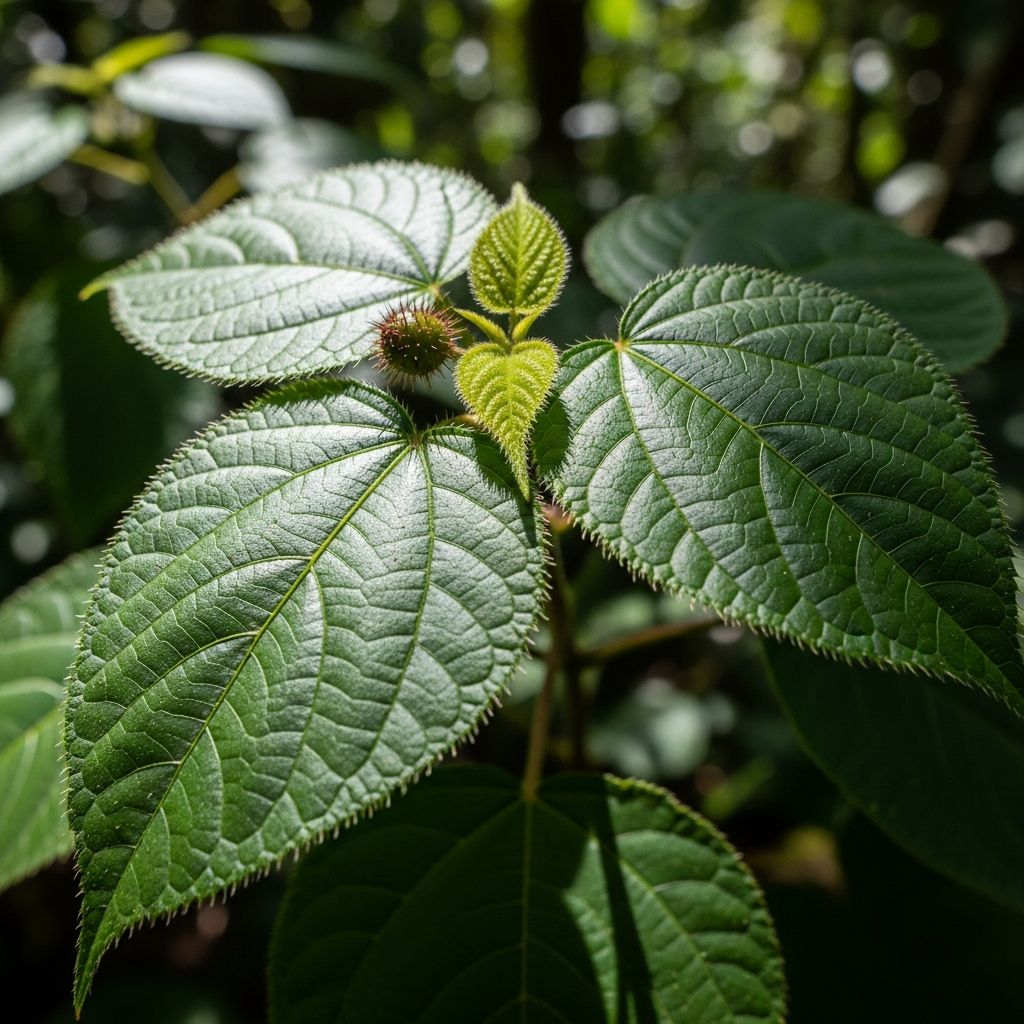
Tree nettle, scientifically known as Urtica ferox, is a notorious stinging plant endemic to New Zealand. Unlike common stinging nettles found worldwide, tree nettle grows as a shrub or small tree, reaching heights of up to 5 meters, with distinctive needle-like stinging hairs on its leaves and stems that deliver potent toxins. These hairs act like hypodermic needles, injecting chemicals that cause intense pain, swelling, and in severe cases, systemic effects or even fatalities. Native to forested areas, it poses significant risks to hikers, gardeners, and outdoor workers in regions like the North Island and parts of the South Island.
The plant’s aggressive defense mechanism has earned it the Māori name ‘okaoka’ or ‘onion weed,’ reflecting its onion-like smell when crushed. Historical records document at least two fatalities from its stings, underscoring its extreme danger compared to herbaceous nettles like Urtica dioica. Understanding tree nettle is crucial for prevention in New Zealand’s unique biodiversity hotspots.
Origin
Tree nettle is exclusively native to New Zealand, thriving in damp, shaded forests, stream banks, and disturbed lowland areas from sea level to about 600 meters elevation. It is particularly prevalent in the Northland to Wellington regions on the North Island and extends to Marlborough and Nelson on the South Island. This plant has evolved in isolation, developing more potent stinging capabilities than its global relatives, likely as an adaptation to herbivory in New Zealand’s bird-dominated ecosystem lacking native mammals. Conservation efforts sometimes conflict with human safety, as tree nettle is browsed by introduced deer and goats, but human encounters remain hazardous.
Description
Tree nettle is a perennial shrub or small tree with a single trunk up to 5 cm thick and 3–5 meters tall, though it can reach 10 meters in ideal conditions. Its leaves are heart- or oval-shaped, 6–10 cm long, with serrated edges and prominent stinging hairs covering both surfaces. These hairs are brittle, hollow structures filled with toxin, resembling glass shards under magnification. Stems are green to reddish, and the plant produces small, greenish flowers in summer, followed by tiny seeds dispersed by wind or animals.
- Key identifying features:
- Glaucous (blue-green) leaves with white midribs.
- Needle-like stinging hairs up to 6 mm long on leaves, stems, and leaf stalks.
- Grows in clumps or as solitary plants in moist, shaded understory.
- Mild onion odor when leaves are crushed.
Juvenile plants are more heavily armed with stings, making young tree nettles especially dangerous. Distinguish it from non-stinging look-alikes like native Boehmeria species by the presence of visible stinging hairs.
Uses
Despite its toxicity, tree nettle has limited traditional Māori uses, primarily as a medicinal plant for pain relief when applied externally in diluted forms, though this is rare due to risks. Modern herbalism avoids it in favor of safer Urtica dioica, which is used for teas, supplements, and anti-inflammatory remedies. No commercial or culinary uses are recommended for tree nettle owing to its severe irritant properties. In ecology, it serves as a food source for certain moths and butterflies, contributing to New Zealand’s invertebrate biodiversity.
Related Stories



Allergens
Tree nettle’s stinging hairs contain a cocktail of toxic chemicals that provoke intense local and sometimes systemic reactions. Primary allergens include:
- Acetylcholine: Triggers rapid nerve depolarization, causing immediate burning pain.
- 5-Hydroxytryptamine (5-HT, serotonin): Induces prolonged itching and vasoconstriction.
- Histamine: Promotes inflammation, swelling, and wheal formation similar to urticaria.
- Other compounds: Formic acid, leukotrienes, and moroidin-like peptides amplify irritation.
These toxins are mechanically injected via hollow hairs that break off in the skin, acting as irritant contact dermatitis agents rather than true IgE-mediated allergens. Sensitivity varies, but tree nettle is far more potent than common nettles, with effects lasting hours to days.
Clinical Features
Contact with tree nettle elicits immediate, excruciating pain described as electric shocks or intense burning, escalating within seconds. Local reactions include:
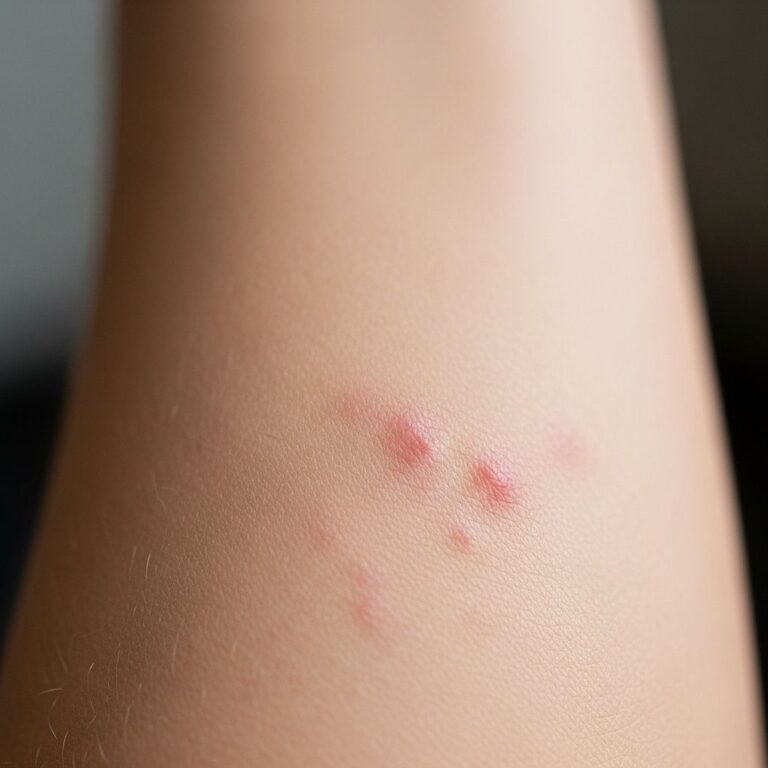
- Skin findings: Urticarial wheals, vesicles, edema, linear petechiae, and ecchymoses at sting sites. Blisters may form in severe cases.
- Pain profile: Peaks at 30–60 minutes, persists 24–48 hours; neuropathic pain can last weeks.
- Systemic effects: Nausea, sweating, muscle spasms, dyspnea, and rarely, cardiac arrhythmias or death from respiratory failure.
Two documented fatalities in New Zealand involved rapid progression to shock and multi-organ failure after multiple stings. Children and sensitive individuals are at higher risk. Unlike common nettle rash, tree nettle dermatitis often leaves persistent hypopigmentation or scarring.
Diagnosis
Diagnosis is primarily clinical, based on history of exposure in endemic areas and characteristic linear stinging tracks with glassy hair remnants. Dermoscopy reveals fractured stinging hairs embedded in epidermis. Patch testing is contraindicated due to risk of severe reactions. Differential diagnoses include:
| Condition | Key Distinctions |
|---|---|
| Common nettle dermatitis | Milder, self-resolves faster; no fatalities |
| Contact urticaria (other plants) | Lacks embedded hairs; shorter duration |
| Spider bite | Central punctum, necrotic center absent here |
| Herpes zoster | Dermatomal; no exposure history |
Biopsy, if needed, shows micro-abscesses and toxin granulomas.
Management
Immediate decontamination is critical: Avoid rubbing for 10 minutes to prevent deeper toxin penetration, then wash with soap and cool water. Do not use hot water, which worsens pain.
- Home remedies: Cool compresses, aloe vera, baking soda paste (dab, don’t rub). Traditional dock/jewelweed lacks evidence for tree nettle.
- OTC options: Hydrocortisone cream, oral antihistamines (loratadine), NSAIDs (ibuprofen) for pain/itch.
- Medical care: For severe pain, opioids or nerve blocks; severe cases require hospitalization with IV fluids, antihistamines, and monitoring for anaphylaxis.
Extract visible hairs with tweezers under magnification. Symptoms usually resolve in 1–3 days, but neuropathic pain may need gabapentin.
Prevention
Prevention focuses on avoidance:
- Wear long sleeves, pants, gloves in bushy areas.
- Learn identification; use trails.
- Apply barrier creams pre-exposure.
- For workers, use machetes to clear paths safely.
Post-exposure, immediate washing prevents 80–90% of reactions.
Frequently Asked Questions
Is tree nettle found outside New Zealand?
No, Urtica ferox is endemic to New Zealand.
Can tree nettle stings be fatal?
Yes, rarely; two fatalities recorded from systemic toxicity.
How long does tree nettle pain last?
Intense pain: hours; full resolution: 1–7 days; neuropathic: weeks.
What is the best immediate treatment?
Wash with soap/cool water after 10-min wait; avoid rubbing.
Is tree nettle edible or medicinal?
No safe uses due to toxicity; avoid ingestion/application.
References
- Stinging Nettle Rash: Pictures, Treatment, Home Remedy — Healthline. 2023-05-15. https://www.healthline.com/health/stinging-nettle-rash
- Stinging nettle rash: Symptoms and treatments — Medical News Today. 2024-02-20. https://www.medicalnewstoday.com/articles/stinging-nettle-rash
- Stinging Nettle — Framingham Dermatology. 2021-10-07. https://www.framinghamdermatology.com/blog/336284-stinging-nettle
- Stinging Nettle: the Bad, the Good, the Unknown — Advocate Health Care. 2024-01-01. https://institutionalrepository.aah.org/jpcrr/vol3/iss1/6/
- Stinging Nettle Fact Sheet — Defense Centers for Public Health. 2018-07-16. https://ph.health.mil/PHC%20Resource%20Library/StingingNettle_FS_18-086-0716.pdf
- Urtica dioica — Wikipedia (informational only). 2026-01-28. https://en.wikipedia.org/wiki/Urtica_dioica
- Tree nettle — DermNet NZ. 2025-06-12. https://dermnetnz.org/topics/tree-nettle
Similar Articles








Read full bio of medha deb