Raw Food Diet Guide: 7-Day Meal Plan, Pros & Cons
Is the raw food diet a nutrient-packed path to vitality or a risky trend lacking essential nutrients? We put it on trial.
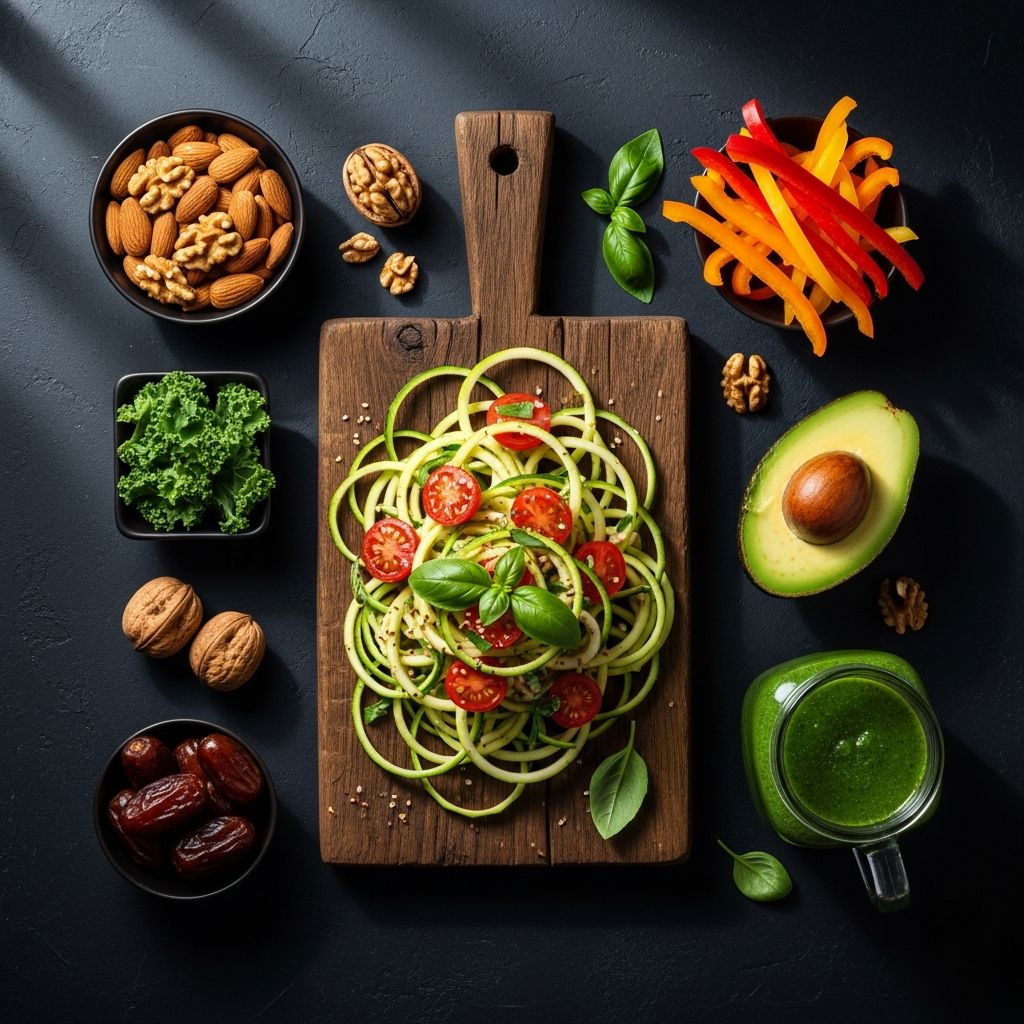
The raw food diet has surged in popularity among health enthusiasts promising vibrant energy, weight loss, and disease prevention through uncooked, unprocessed foods. Primarily plant-based, it emphasizes fruits, vegetables, nuts, seeds, and sprouted grains, typically comprising 75-100% of intake, excluding cooked staples like grains, legumes, and meats.
What Is the Raw Food Diet?
A raw food diet, also known as raw foodism or raw veganism, involves consuming mostly or entirely uncooked and unprocessed foods to preserve natural enzymes, nutrients, and ‘life force’ proponents claim cooking destroys above 118°F (48°C). Most adherents are vegan, eating raw fruits, vegetables, nuts, seeds, and sprouted items, though some include raw dairy, fish, or eggs.
Proponents argue raw foods retain heat-sensitive vitamins like C and E, enzymes for better digestion, and higher antioxidant levels compared to cooked diets. However, critics note stomach acids denature food enzymes, rendering them ineffective, and cooking can enhance nutrient bioavailability in foods like tomatoes and broccoli.
Health Rationale: Raw Foods as Ultimate Unprocessed Eating
The slogan ‘raw is the ultimate unprocessed food diet’ highlights its appeal: bodies burn calories extracting nutrients from fibrous, voluminous foods low in calories, aiding weight loss like volumetric diets. It shuns processed items, reducing sodium, sugar, and unhealthy fats while emphasizing micronutrient-rich produce.
Studies show potential benefits: improved fibromyalgia and rheumatoid arthritis symptoms, higher vitamins A and C intake, weight loss, and self-reported better quality of life among long-term followers, though protein and B12 levels may drop. A plant-based raw approach links to lower heart disease and diabetes risk via high fiber.
Pros of the Raw Food Diet
- Nutrient Density: High in fruits, veggies, nuts providing vitamins, minerals, fiber, and healthy fats; raw state preserves water-soluble nutrients like vitamin C lost in cooking.
- Weight Loss: Bulky, low-calorie foods promote satiety; reduced processed foods lower triglycerides and body fat.
- Digestion and Energy: Fiber aids gut health; anecdotal reports of increased vitality and chronic disease improvements.
- Reduced Processed Intake: Eliminates additives, pesticides, sugars for cleaner eating.
Cons and Risks of the Raw Food Diet
Despite benefits, challenges abound. It’s hard to sustain, excluding protein/fat sources like cooked legumes and meats, risking deficiencies in B12, iron, calcium, zinc, and omega-3s. Long-term adherents show lower nutrient intakes in key areas.
- Nutrient Losses: Not all raw foods superior; cooking boosts lycopene in tomatoes, beta-carotene in carrots.
- Digestive Issues: High fiber can cause bloating, gas; tough textures strain chewing.
- Food Safety: Risk of bacteria/parasites in raw sprouts, eggs, fish; vulnerable groups (pregnant, elderly, immunocompromised) advised against.
- Calorie Insufficiency: Difficulty meeting energy needs, especially for active individuals.
Scientific Evidence: Mixed Verdict
Related Stories



Limited large-scale studies exist. Small trials indicate symptom relief for arthritis/fibromyalgia and weight loss, with higher antioxidants but risks of deficiencies. Stanford analysis gives mixed verdict: praises produce emphasis and processed food avoidance but notes protein/fat gaps. Nutrition experts recommend raw foods as part of balanced diets, not exclusively.
| Aspect | Pros (Supported Evidence) | Cons (Supported Evidence) |
|---|---|---|
| Nutrients | High vitamins C/E, fiber | Low B12, protein; bioavailability issues |
| Weight/Digestion | Loss, better gut health | Bloating, low calories |
| Overall Health | Antioxidants up, disease risk down | Deficiencies, sustainability |
A Sample 7-Day Raw Food Meal Plan
Following at least 75% raw, here’s a beginner-friendly plan with diverse, nutrient-packed meals. Soak/sprout grains/legumes; use cold-pressed oils.
Day 1
- Breakfast: Green smoothie (spinach, banana, apple, almond milk)
- Lunch: Zucchini noodles with pesto (basil, pine nuts, olive oil)
- Snack: Apple slices with almond butter
- Dinner: Kale salad with avocado, tomatoes, sprouts
Day 2
- Breakfast: Chia pudding with berries
- Lunch: Stuffed bell peppers (nuts, veggies)
- Snack: Carrot sticks, raw hummus
- Dinner: Raw pad Thai (zucchini, kelp noodles, almond sauce)
Day 3
- Breakfast: Fruit bowl with sprouted buckwheat
- Lunch: Green salad with tahini dressing
- Snack: Handful of walnuts
- Dinner: Cauliflower sushi rolls
Day 4
- Breakfast: Banana nice cream
- Lunch: Avocado boats with seeds
- Snack: Celery with sunflower seed butter
- Dinner: Raw lasagna (zucchini, nut cheese)
Day 5
- Breakfast: Soaked oats with mango
- Lunch: Cucumber gazpacho
- Snack: Orange segments
- Dinner: Beet salad with oranges
Day 6
- Breakfast: Soaked oats with berries
- Lunch: Salad with avocado and fruit
- Snack: Sliced bell pepper and sunflower seeds
- Dinner: Raw veggie sushi and chopped veggies
Day 7
- Breakfast: Raw banana pancakes and fruit
- Lunch: Raw squash soup
- Snack: Orange slices and nuts
- Dinner: Kale and mushroom salad
Frequently Asked Questions (FAQs)
Q: Is the raw food diet safe long-term?
A: It can be for some but risks deficiencies in B12, iron, protein; monitor with blood tests and supplement if needed. Not ideal for everyone.
Q: Do raw food enzymes aid digestion?
A: Unlikely, as stomach acid destroys them; benefits stem more from fiber and nutrients.
Q: Can I eat 100% raw?
A: Possible but challenging; 75-85% raw with some cooked foods balances risks/benefits.
Q: Is it good for weight loss?
A: Yes, due to low calories and high volume, but ensure adequate intake to avoid fatigue.
Q: What about raw animal products?
A: Risky due to pathogens; stick to plant-based unless sourcing impeccably.
The Verdict
The raw food diet earns a mixed verdict: strong for emphasizing whole plants, cutting junk, and potential short-term benefits, but unsustainable and nutritionally incomplete long-term without planning. Incorporate more raw foods into a balanced diet for optimal health rather than going all-raw.
References
- A Skeptical Look at Popular Diets: Hurrah for Raw Food? — Stanford Medicine. 2019-02-11. https://med.stanford.edu/news/insights/2019/02/a-skeptical-look-at-popular-diets-hurrah-for-raw-food.html
- Raw Foods Diet | Research Starters — EBSCO. Accessed 2026. https://www.ebsco.com/research-starters/health-and-medicine/raw-foods-diet
- Is a Raw Food Diet Right for You? The Pros and Cons of Going Raw — Carbon Health. Accessed 2026. https://carbonhealth.com/blog-post/is-a-raw-food-diet-right-for-you-the-pros-and-cons-of-going-raw
- The Raw Food Diet: Types, Benefits, and Risks — Medical News Today. Accessed 2026. https://www.medicalnewstoday.com/articles/7381
- The Science Behind the Raw Food Diet Plan — NESTA. Accessed 2026. https://www.nestacertified.com/the-science-behind-the-raw-food-diet-plan/
- The Raw Food Diet: A Beginner’s Guide and Review — Healthline. Accessed 2026. https://www.healthline.com/nutrition/raw-food-diet
- Pros and Cons of Raw Food Diets — NutritionFacts.org. Accessed 2026. https://nutritionfacts.org/video/pros-and-cons-of-raw-food-diets/
Similar Articles








Read full bio of medha deb