Tretinoin Capsules: Uses, Dosage, and Side Effects
Complete guide to tretinoin capsules for acute promyelocytic leukaemia treatment.

Tretinoin Capsules: An Overview
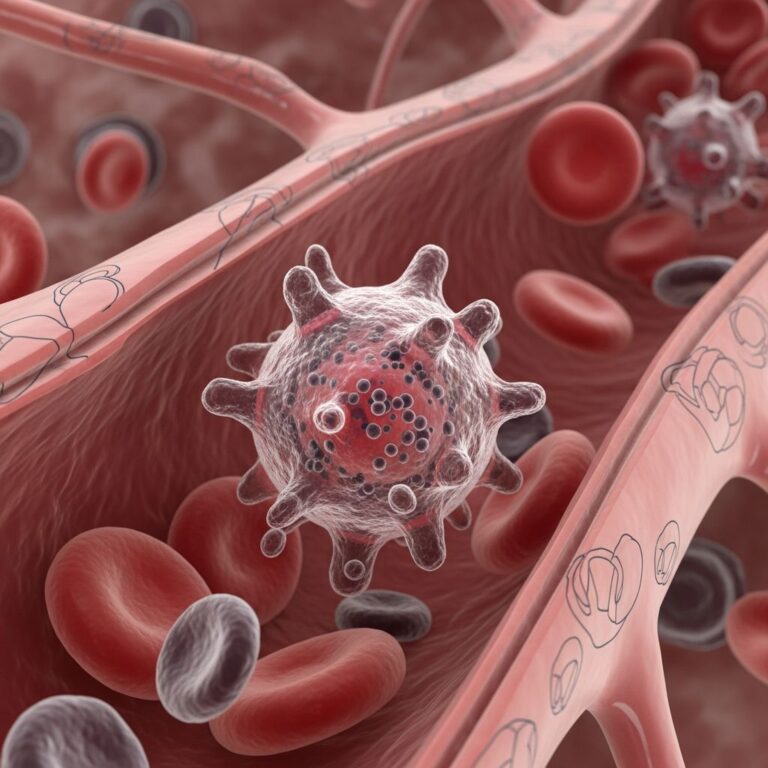
Tretinoin capsules are an anti-cancer medicine specifically designed to treat acute promyelocytic leukaemia (APL), also known as APML. This medication is a vitamin A derivative that works by slowing the growth of abnormal blood cells responsible for the cancer. The condition tretinoin treats occurs when abnormal immature white blood cells accumulate in the bone marrow, leading to a significant reduction in the number of blood cells circulating in the bloodstream. This accumulation causes various symptoms including anaemia, increased susceptibility to infection, and blood clotting and bleeding complications.
Tretinoin functions by promoting cell production, proliferation, and differentiation, which helps combat the cancerous cells. Unlike topical tretinoin used for acne and skin conditions, oral tretinoin capsules are prescribed exclusively by specialist doctors experienced in treating leukaemia and related blood disorders. The medication represents an important treatment option, particularly for patients who are refractory to or have relapsed from anthracycline chemotherapy, or for whom anthracycline-based chemotherapy is contraindicated.
Important Information Before Starting Tretinoin
Before beginning tretinoin treatment, it is essential to inform your doctor about your complete medical history. Your healthcare provider must be aware of several conditions and circumstances that could affect your treatment:
- Any problems with liver or kidney function
- A history of depression, severe anxiety, or other mental health conditions
- Any allergic reactions to medicines you have experienced previously
- All medications you are currently taking, including prescription drugs, over-the-counter medicines, herbal supplements, and complementary remedies
- Special attention must be given to antibiotics and vitamin supplements, as these can interact with tretinoin
Before starting your treatment course, you should read the manufacturer’s printed information leaflet included in the medicine pack. This leaflet provides comprehensive details about tretinoin and a complete list of possible side effects you might experience. Understanding this information helps you recognise any adverse reactions and report them promptly to your healthcare team.
How to Take Tretinoin Capsules
Proper administration of tretinoin capsules is critical for treatment effectiveness and safety. Your specialist doctor will calculate your specific dose based on your weight and height, making precise adherence to instructions essential.
Dosage and Administration
Tretinoin is typically prescribed as two doses per day. The exact number of capsules for each dose will be determined by your doctor and printed on the medicine label for easy reference. Capsules must be swallowed whole with a glass of water and should never be chewed or opened, as this may alter the pharmacokinetics and stability of the drug. You should take the capsules at mealtime to help with absorption.
To improve your adherence to treatment, try to take your doses at the same times each day. This consistent schedule helps you remember to take tretinoin regularly and maintains stable drug levels in your system.
Missed Doses
If you forget to take a dose at your usual time, take it with something to eat when you remember. However, if it is nearly time for your next scheduled dose, skip the forgotten dose and take the next dose as planned. Never take two doses together to compensate for a missed dose, as this could lead to overdose and adverse effects.
Treatment Duration
Related Stories



A typical course of tretinoin treatment can last up to three months. Your specialist doctor will determine the appropriate duration based on your individual response to the medication and disease progression.
Getting the Most From Your Treatment
Maximising the effectiveness of tretinoin therapy requires active participation in your medical care. You must maintain regular appointments with your doctor or hospital to allow your healthcare team to monitor your progress.
Regular Monitoring and Check-ups
During tretinoin treatment, you will need regular blood tests and check-ups. These assessments are crucial because tretinoin can affect various bodily systems, particularly liver function and triglyceride levels. Your doctor may recommend monitoring target triglyceride and liver function concentrations to ensure the medication is working safely.
Medication Interactions
Before purchasing any new medicines, always check with a pharmacist to ensure they are safe to take alongside tretinoin. This precaution is particularly important for vitamin supplements, as you must not take vitamin A supplements while undergoing tretinoin treatment. Since tretinoin is a vitamin A derivative, additional vitamin A could lead to hypervitaminosis A and serious adverse effects.
Contraception Considerations for Female Patients
Tretinoin is teratogenic, meaning it can cause severe birth defects if taken during pregnancy. For this reason, all females undergoing tretinoin therapy must use effective contraception throughout treatment and continue it for one month after discontinuation. Two reliable forms of contraception are recommended simultaneously, even in patients with a history of infertility or menopause. Abstinence is also an acceptable contraceptive method. If contraception fails during treatment, discussion about continuing or terminating the pregnancy should occur between the patient and physician. Patients who have undergone hysterectomy do not require contraceptive measures.
Possible Side Effects of Tretinoin
While tretinoin provides important anti-cancer benefits, it can cause unwanted side effects. Not everyone experiences these effects, and many improve as your body adjusts to the medication. The table below outlines some common side effects and practical management strategies:
| Side Effect | Management Strategy |
|---|---|
| Dizziness | Get up or move more slowly. Avoid driving or using tools and machines while dizzy |
| Headache | Drink plenty of water and ask your doctor to recommend a suitable painkiller |
| Nausea or vomiting | Stick to simple foods and avoid fatty or spicy meals |
| Abdominal pain | Eat simple foods and avoid fatty or spicy meals |
| Diarrhoea | Drink plenty of water |
| Constipation | Drink plenty of water and eat a well-balanced diet |
Other Possible Side Effects
Additional side effects may include reduced appetite, confusion, anxiety, mood changes, difficulty sleeping, tingling feelings, difficulties with hearing or vision, flushing, dry mouth or skin, difficulty breathing, skin rash, hair loss, increased sweating, pains, heart rhythm changes, and generally feeling unwell. If any of these become troublesome, discuss them with your doctor.
Severe Side Effects Requiring Immediate Attention
Certain symptoms require immediate medical attention and should be reported to your doctor straightaway. These include:
- A high temperature (fever)
- Feeling breathless
- Chest pain or abdominal pain
- A persistent cough
Additionally, reversible signs of vitamin A toxicity, such as severe headache, nausea, vomiting, and mucocutaneous symptoms, may appear in cases of overdose. If you experience any symptoms you believe may be due to the medicine, speak with your doctor or pharmacist for further advice.
Headache Management
Headache is a common side effect associated with tretinoin and typically occurs several hours after taking a dose. These headaches usually resolve before the next scheduled dose. Your care team can recommend over-the-counter medications to manage the discomfort. However, if you experience a persistent or severe headache, notify your healthcare provider immediately, as this is a very rare but serious side effect of tretinoin.
Overdose and Emergency Information
In the event of tretinoin overdose, reversible signs of hypervitaminosis A are expected to appear, including headache, nausea, vomiting, and mucocutaneous symptoms. Other reported symptoms include transient headache, facial flushing, cheilosis, abdominal pain, dizziness, and ataxia. These symptoms have typically resolved quickly without apparent residual effects. There is no specific treatment for tretinoin overdose, and patients experiencing overdose should be treated in a special haematological unit.
Frequently Asked Questions About Tretinoin Capsules
Q: Why must tretinoin capsules be swallowed whole?
A: Capsules must be swallowed whole and should not be opened, chewed, or crushed, as this may alter the pharmacokinetics and stability of the drug, potentially reducing its effectiveness in treating acute promyelocytic leukaemia.
Q: Can tretinoin be taken without food?
A: While tretinoin may be taken with or without food, taking it with food may help increase the absorption of tretinoin, making mealtime administration preferable for optimal treatment outcomes.
Q: How long does a typical tretinoin treatment course last?
A: A course of tretinoin treatment can last up to three months, though the exact duration depends on individual patient response and disease progression as determined by your specialist doctor.
Q: Can I take vitamin supplements while on tretinoin?
A: No, you must not take vitamin A supplements while on tretinoin. Since tretinoin is a vitamin A derivative, additional vitamin A could cause serious adverse effects. Always check with your pharmacist before taking any new supplements.
Q: What should I do if I miss a dose?
A: Take the missed dose with food when you remember, unless it is nearly time for your next dose. In that case, skip the forgotten dose and take the next dose as scheduled. Never double up on doses.
Q: Are there any contraceptive requirements for tretinoin treatment?
A: Yes, all females must use effective contraception throughout tretinoin treatment and for one month after discontinuation. Two reliable forms of contraception are recommended simultaneously, even in patients with a history of infertility or menopause.
Q: What should I do if I experience severe headaches?
A: While mild headaches are common and often manageable with over-the-counter pain relief, persistent or severe headaches should be reported to your healthcare provider immediately, as this could indicate a serious adverse reaction requiring medical evaluation.
References
- Tretinoin capsules – Patient.info — Patient.info. Accessed January 2026. https://patient.info/medicine/tretinoin-capsules
- Tretinoin (Vesanoid®, All-Trans-Retinoic Acid, ATRA) — OncoLink. https://www.oncolink.org/cancer-treatment/oncolink-rx/tretinoin-vesanoid-R-all-trans-retinoic-acid-atra
- Tretinoin: Uses, Interactions, Mechanism of Action — DrugBank. https://go.drugbank.com/drugs/DB00755
- Tretinoin – StatPearls — NCBI Bookshelf, National Center for Biotechnology Information. https://www.ncbi.nlm.nih.gov/books/NBK557478/
Similar Articles








Read full bio of Sneha Tete