Tretinoin Cream: 5 Expert Application Tips For Faster Results
Discover how tretinoin cream transforms skin by tackling acne, aging signs, and pigmentation for healthier, smoother complexion.
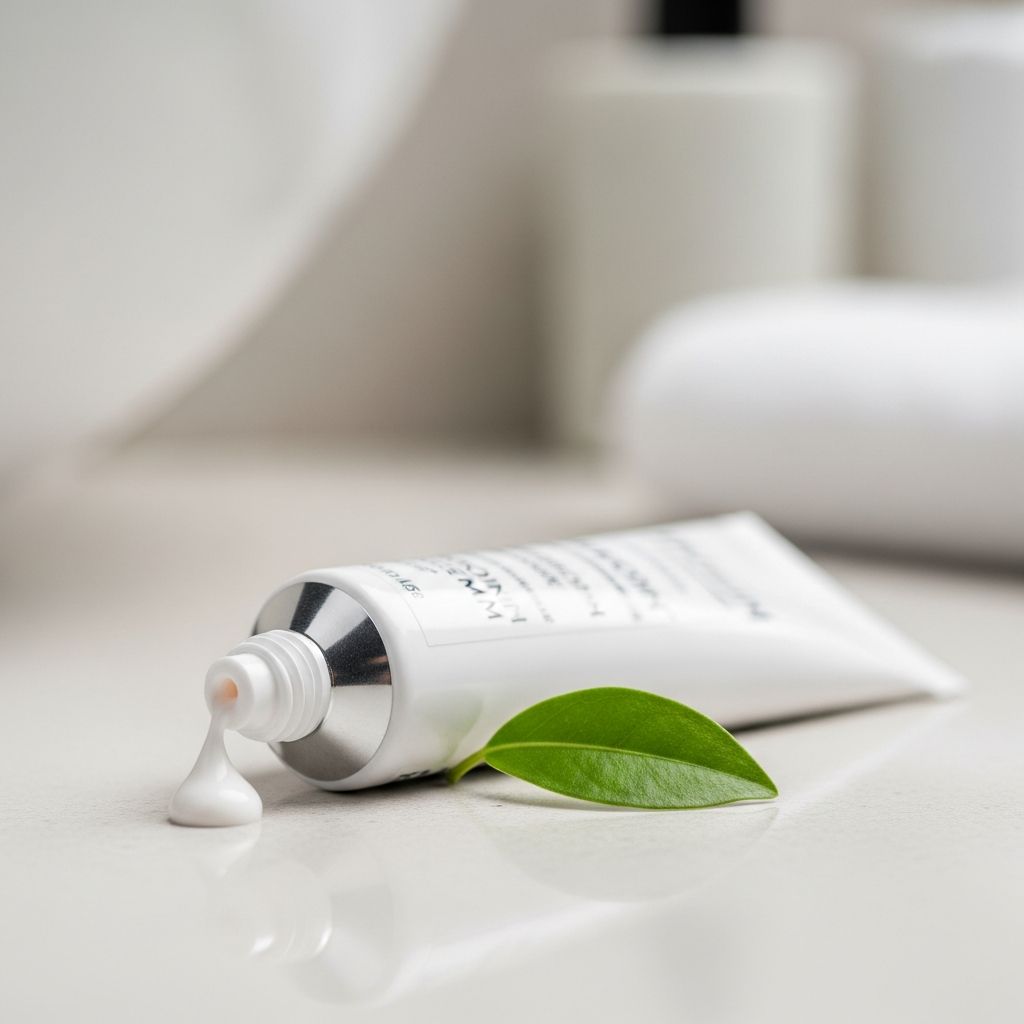
Tretinoin cream, a potent topical retinoid derived from vitamin A, accelerates skin cell renewal to address acne, fine lines, and uneven tone. This guide details its mechanisms, applications, and best practices for safe use.
Understanding Tretinoin and Its Skin Science
Tretinoin functions by binding to retinoic acid receptors in skin cells, prompting faster turnover of the epidermis. This process unclogs pores, reduces inflammation, and stimulates collagen synthesis, leading to improved texture and resilience.
Available in concentrations from 0.01% to 0.1%, it comes as cream, gel, or lotion, with creams suiting drier skin types due to their moisturizing base. Unlike over-the-counter retinol, prescription-strength tretinoin delivers direct, potent action without conversion in the skin.
Key Therapeutic Benefits
Tretinoin excels in multiple dermatological concerns through its multifaceted action.
Combating Acne Effectively
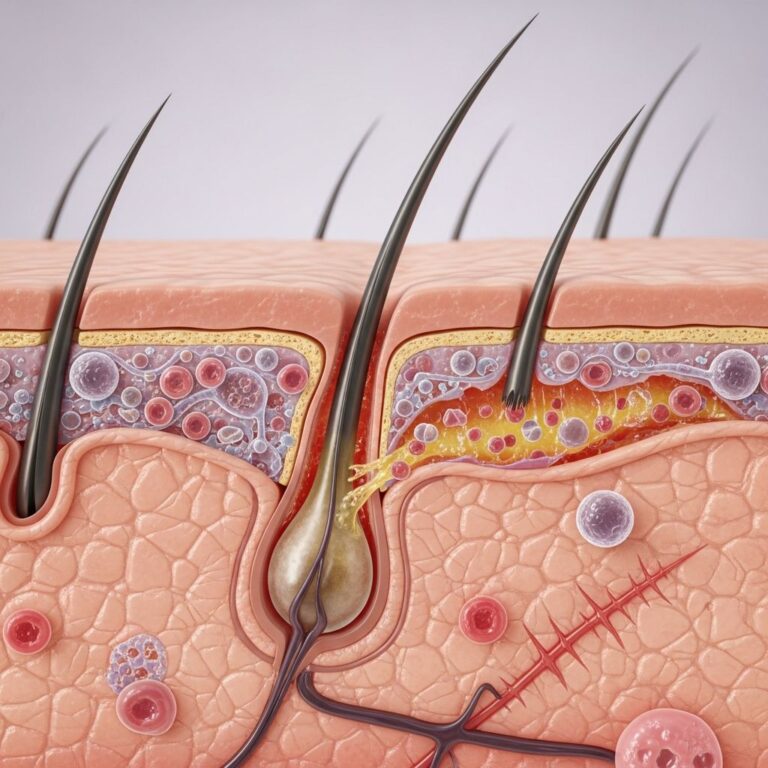
For acne vulgaris, including comedonal and inflammatory types, tretinoin prevents follicular blockage and curbs inflammation. Clinical data shows it significantly lowers lesion counts by promoting exfoliation and sebum regulation.
- Targets whiteheads and blackheads by dissolving keratin plugs.
- Reduces cystic acne severity, minimizing scarring risk.
- Enhances penetration of other topicals like benzoyl peroxide.
Reversing Photoaging Signs
Sun-damaged skin benefits from tretinoin’s ability to lighten rough patches, fade lentigines, and smooth wrinkles. Systematic reviews confirm improvements in sallowness, mottling, and fine lines after consistent use.
Long-term studies reveal up to 80% collagen increase, restoring dermal structure and elasticity.
Fading Hyperpigmentation
By inhibiting tyrosinase and accelerating pigmented cell shedding, tretinoin treats melasma, sunspots, and post-inflammatory marks. It boosts efficacy of hydroquinone when combined.
- Diminishes epidermal melanin production.
- Improves UV-induced dyspigmentation in 70%+ of users.
Optimal Application Techniques
Start with a pea-sized amount applied to clean, dry skin at night to avoid photosensitivity. Begin 2-3 times weekly, gradually increasing as tolerance builds.
| Step | Instructions |
|---|---|
| 1. Cleanse | Gently wash face with non-soap cleanser; pat dry. |
| 2. Wait | 20-30 minutes for skin to fully dry. |
| 3. Apply | Thin layer over affected areas; avoid eyes/lips. |
| 4. Moisturize | Follow with fragrance-free moisturizer. |
| 5. Protect | Use broad-spectrum SPF 30+ daily. |
Results appear in 4-12 weeks for acne, 3-6 months for anti-aging.
Managing Common Side Effects
Initial irritation, known as “retinization,” includes redness, peeling, and dryness, peaking in weeks 2-4. Mitigate with buffering (moisturizer first) and lower strengths.
- Severe reactions: Burning or swelling warrants discontinuation and medical advice.
- Pregnancy contraindication: Category C; avoid due to fetal risks.
- Sun sensitivity: Heightened UV damage risk necessitates strict photoprotection.
Who Benefits Most and Precautions
Ideal for moderate acne, early photoaging, or pigmentation in adults over 12. Not for eczema, rosacea, or open wounds. Consult dermatologists for personalized dosing, especially with sensitivities.
Enhancing Results with Combinations
Pair with niacinamide for calming, hyaluronic acid for hydration, or azelaic acid for pigmentation. Avoid simultaneous use with benzoyl peroxide to prevent degradation.
Related Stories



Frequently Asked Questions
Can tretinoin purge skin?
Yes, initial breakouts occur as hidden clogs surface, typically resolving in 4-6 weeks.
Is tretinoin safe long-term?
Studies support 1-2 years continuous use with maintenance thereafter; monitor for sustained tolerability.
Does it work on body acne?
Effective on chest/back; use sparingly to minimize irritation.
What if I miss a dose?
Apply next evening; do not double up.
Alternatives for sensitive skin?
Adapalene or lower tretinoin strengths; patch test first.
Realistic Expectations and Timeline
Weeks 1-4: Purging, irritation peak.
Weeks 4-12: Acne reduction, texture smoothing.
Months 3-6: Collagen boost, pigmentation fade.
Year+: Pronounced anti-aging effects.
Consistency and sun protection are pivotal for enduring benefits.
References
- Tretinoin Cream: The Ultimate Guide to Understanding Its Benefits — Academic Alliance Dermatology. 2023. https://www.academicallderm.com/blog/tretinoin-cream-the-ultimate-guide-to-understanding-its-benefits/
- What is Tretinoin? | 8 Benefits of Tretinoin — UpCircle Beauty. 2023. https://us.upcirclebeauty.com/blogs/upcircle/what-is-tretinoin
- The Scientific Benefits Of Tretinoin (Retin-A®) — SIP Derm. 2023. https://www.sipderm.com/what-are-the-benefits-of-tretinoin-retin-a/
- Tretinoin Cream: Skin Benefits, How to Use, Side Effects — Healthline. 2023-10-01. https://www.healthline.com/health/skin/tretinoin
- Topical tretinoin for treating photoaging: A systematic review — PMC (NCBI). 2022-04-27. https://pmc.ncbi.nlm.nih.gov/articles/PMC9112391/
- Tretinoin Cream: Benefits, Uses, and Side Effects — NYU Langone Health (YouTube). 2021-09-27. https://www.youtube.com/watch?v=2_8d6p_Mk_k
- Tretinoin (topical route) — Mayo Clinic. 2023. https://www.mayoclinic.org/drugs-supplements/tretinoin-topical-route/description/drg-20066521
Similar Articles








Read full bio of medha deb