Tretinoin For Acne: 5-Step Application & Skincare Guide
Comprehensive guide to using tretinoin cream and gel for treating mild-to-moderate acne effectively and safely.
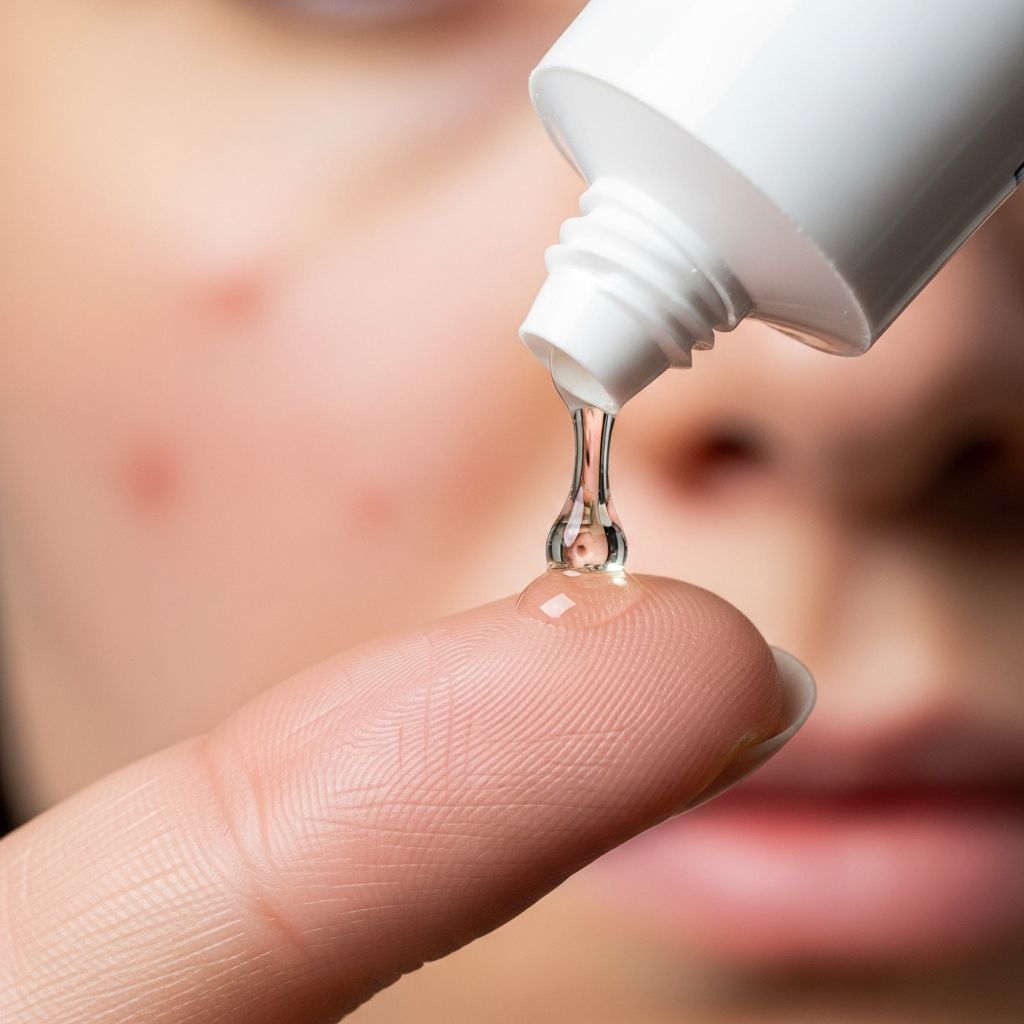
Tretinoin is a topical retinoid medication specifically used to treat
mild-to-moderate acne
. It works by unblocking pores, addressing blackheads and whiteheads, and reducing inflammation in affected skin areas.About Tretinoin
Tretinoin belongs to a group of medicines known as
topical retinoids
, derived from vitamin A. It is applied directly to the skin and is primarily prescribed for acne vulgaris, a common skin condition characterized by pimples, blackheads, and whiteheads.| Type of Medicine | Used For | Also Called |
|---|---|---|
| A rub-on (topical) retinoid | Mild-to-moderate acne | Aknemycin® Plus (with erythromycin); Treclin® (with clindamycin) |
The exact mechanism of tretinoin involves decreasing the cohesiveness of follicular epithelial cells, reducing microcomedo formation, and increasing cell turnover to extrude comedones. This promotes shedding of dead skin cells, opens clogged pores, and regulates sebum production while offering anti-inflammatory benefits.
Key Facts
- Tretinoin is available as a cream, gel, or solution in strengths like 0.025%, 0.05%, or 0.1%.
- It treats both comedonal acne (blackheads/whiteheads) and inflammatory acne.
- Combination products like Aknemycin® Plus include erythromycin (antibacterial), and Treclin® includes clindamycin.
- Not suitable for severe cystic acne without medical supervision; consult a dermatologist.
How Tretinoin Treats Acne
Tretinoin accelerates skin cell turnover, allowing dead cells to shed faster and new cells to surface, which unclogs pores and releases trapped bacteria or irritants causing acne. It also reduces sebum overproduction and inflammation, preventing future breakouts and clearing active pustules.
For
acne scars
, tretinoin promotes new cell growth at scar sites, potentially improving appearance and skin quality, sometimes enhanced by techniques like iontophoresis under dermatologist guidance.Studies show significant improvements in acne within 12 weeks of consistent use, with benefits for pigmentation and scars.
Dosage and How to Use Tretinoin
Apply tretinoin
exactly as prescribed
by your doctor, typically once daily at bedtime to the entire affected area, not just individual spots. Use a pea-sized amount for the whole face.Step-by-Step Application Guide
- Cleanse skin: Wash affected areas with warm water and a mild cleanser, then pat dry. Wait 20-30 minutes for skin to fully dry.
- Apply thinly: Use fingertips to spread a thin layer over acne-prone areas. Avoid eyes, mouth, nostrils, and mucous membranes.
- Timing: Apply at night. For Aknemycin® Plus, once or twice daily; Treclin® gel once at bedtime.
- Post-application: Wash hands thoroughly. Allow to absorb; avoid makeup immediately after.
- Moisturize: Use a water-based moisturizer if skin feels dry to minimize irritation.
Starting slowly: Begin with lower strength (e.g., 0.025% or 0.05%) and short contact times (e.g., 5-10 minutes, then wash off) to build tolerance.
Treatment Duration
- Initial worsening (purging): Common in first 7-10 days; continue use.
- Noticeable improvement: 2-3 weeks; full benefits: 6-12 weeks or up to 3-6 months.
- Maintenance: Reduce frequency once acne improves.
Cautions and Side Effects
Tretinoin can cause skin irritation, especially initially. A transitory feeling of warmth, stinging, redness, peeling, dryness, itching, or burning is common during the first 2-3 weeks.
Common Side Effects
| Side Effect | Frequency | Management |
|---|---|---|
| Redness, peeling, dryness | Very common (first 3 weeks) | Use moisturizers; reduce frequency temporarily. |
| Burning/itching/stinging | Common | Start slow; avoid irritants. |
| Skin lightening/warmth | Less common | Monitor; consult doctor if persists. |
Related Stories



If irritation is severe, pause treatment or reduce to every other day until tolerated, then resume.
Precautions
- Sun sensitivity: Tretinoin increases photosensitivity; use high-SPF sunscreen daily and limit sun exposure.
- Pregnancy: Avoid—can cause birth defects. Not recommended during pregnancy or breastfeeding.
- Other products: Avoid concurrent use of drying agents (astringents, alcohol cleansers), benzoyl peroxide, salicylic acid, or other retinoids to prevent excessive irritation.
- Eyes/sensitive areas: Rinse immediately if contact occurs.
- Cosmetics: Allowed, but cleanse skin thoroughly before applying tretinoin.
How to Cope with Side Effects
- Moisturize frequently with fragrance-free, water-based products.
- Use gentle, non-comedogenic cleansers.
- Start with 2-3 applications per week, increasing gradually.
- Protect from sun with broad-spectrum SPF 30+.
- If no improvement after 8-12 weeks or severe irritation, consult your doctor.
Acne may purge (worsen) initially as clogged pores clear, but persistence yields smoother, clearer skin.
Before Using Tretinoin: Essential Information
- Inform your doctor of allergies, pregnancy plans, eczema, or sunburn.
- Not for children under 12 without advice.
- Store at room temperature, away from heat/moisture.
- Discontinue if rash or severe reaction occurs; seek medical help.
Frequently Asked Questions
Does tretinoin work for all types of acne?
Tretinoin is most effective for mild-to-moderate acne, including comedonal and inflammatory types. For severe cystic acne, combine with other treatments under dermatologist supervision.
Will my acne get worse before it gets better?
Yes, often in the first 7-10 days due to purging. Improvement starts in 2-3 weeks, with optimal results after 6-12 weeks.
Can I use tretinoin during pregnancy?
No, it may harm the fetus. Use effective contraception and consult your doctor.
How long should I use tretinoin?
Continue as prescribed, often long-term for maintenance. Results may fade if stopped.
Can I combine tretinoin with other acne treatments?
Yes, but space applications (e.g., benzoyl peroxide in morning). Avoid irritants; doctor approval needed.[10]
When Not to Use Tretinoin
- Hypersensitivity to retinoids.
- Active eczema, rosacea, or sunburned skin.
- Pregnancy or planning pregnancy.
Always consult a healthcare professional for personalized advice. Tretinoin is a powerful tool for clearer skin when used correctly.
References
- Tretinoin for acne: How to use, uses, effectiveness and side effects — Vinmec. 2023. https://www.vinmec.com/eng/blog/tretinoin-for-acne-how-to-use-uses-effectiveness-and-side-effects-en
- How to Use Tretinoin for Acne, Anti-Aging, and Skin — Care Campbell MD. 2023. https://www.carencampbellmd.com/blogs/news/how-to-use-tretinoin
- Tretinoin for acne — Patient.info. 2023. https://patient.info/medicine/tretinoin-for-acne
- TRETINOIN CREAM — DailyMed (NIH). 2023-10-01. https://dailymed.nlm.nih.gov/dailymed/fda/fdaDrugXsl.cfm?setid=745cc3ce-60b4-4479-a055-316817567949
- Tretinoin Topical: MedlinePlus Drug Information — MedlinePlus (NIH). 2024-01-15. https://medlineplus.gov/druginfo/meds/a682437.html
- Tretinoin (topical route) – Side effects & dosage — Mayo Clinic. 2024. https://www.mayoclinic.org/drugs-supplements/tretinoin-topical-route/description/drg-20066521
Similar Articles








Read full bio of Sneha Tete