Tretinoin Gel: Uses, Benefits, and Side Effects
Complete guide to tretinoin gel for acne treatment and skin care benefits.
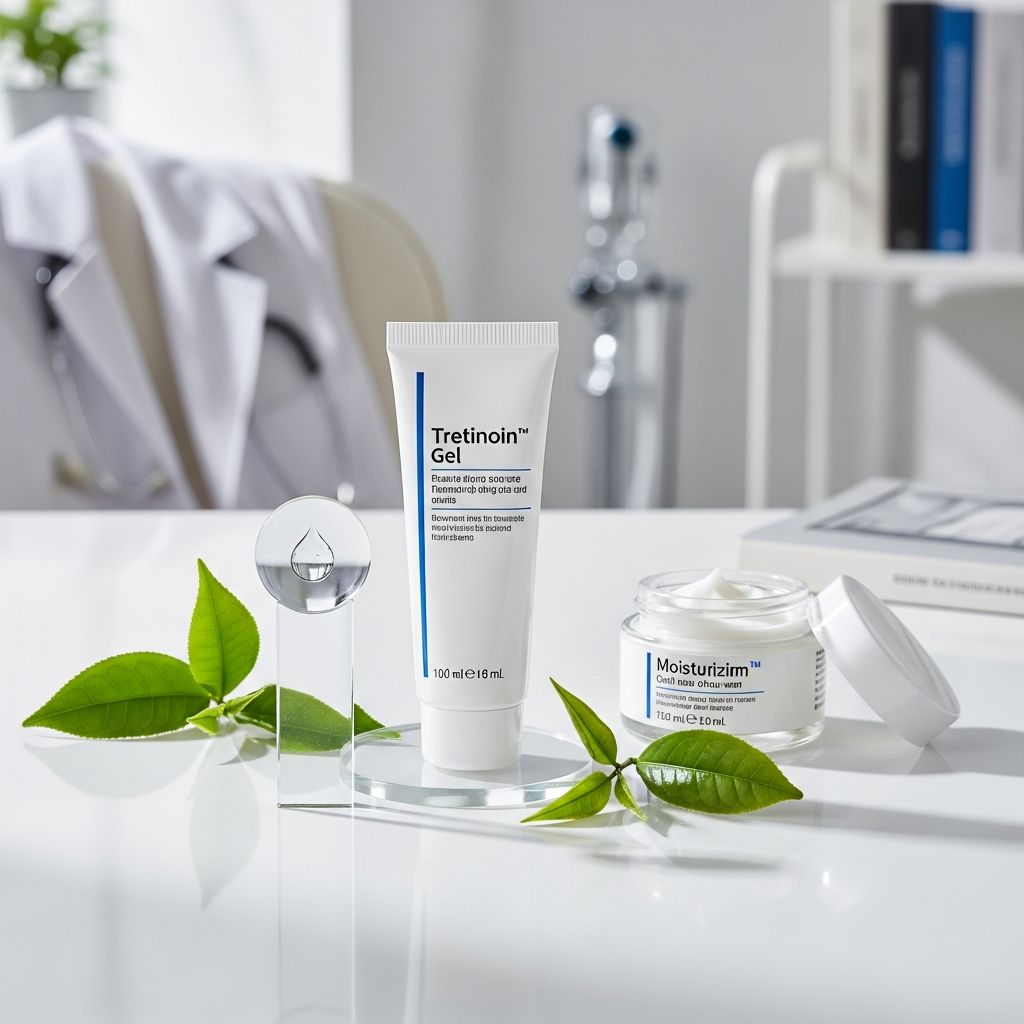
What is Tretinoin Gel?
Tretinoin gel is a prescription medication belonging to a class of compounds known as retinoids, which are derivatives of vitamin A. This topical treatment is primarily used to address acne vulgaris, one of the most common skin conditions affecting millions of people worldwide. Tretinoin works by promoting skin cell turnover, unclogging pores, and reducing inflammation associated with acne formation. The medication is available under various brand names, with Retin-A being one of the most recognized prescription formulations.
The active ingredient in tretinoin gel comes in different concentrations, ranging from 0.01% to 0.1%, allowing healthcare providers to tailor treatment to individual skin types and severity of acne. The gel formulation uses an advanced microsphere delivery system that gradually releases the active ingredient, which helps minimize irritation while maintaining efficacy. Unlike over-the-counter retinol products, tretinoin is significantly more potent and provides stronger therapeutic benefits for treating acne and photoaging.
How Does Tretinoin Gel Work?
Tretinoin gel functions through multiple mechanisms that collectively address acne formation and improve overall skin health. The medication accelerates the natural process of skin cell turnover, encouraging the shedding of dead skin cells that typically accumulate and clog pores. By preventing pore blockage, tretinoin reduces the environment where acne-causing bacteria thrive and multiply.
Additionally, tretinoin decreases inflammation in the skin, which is a primary driver of acne lesion development. The medication also helps regulate sebum production in some individuals, though effects vary depending on individual skin characteristics. Through these combined actions, tretinoin reduces both existing acne lesions and prevents the formation of new comedones, blackheads, and inflammatory breakouts.
Uses and Indications
While tretinoin gel is primarily indicated for treating acne vulgaris, healthcare providers may recommend it for additional dermatological concerns based on individual patient needs and skin conditions.
Primary Uses
Acne Treatment: Tretinoin gel is FDA-approved specifically for the topical treatment of acne vulgaris. Clinical trials have demonstrated that tretinoin gel, applied once daily, is significantly more effective than vehicle control in reducing acne lesion counts. Studies show that approximately 28-35% of patients using tretinoin gel 0.1% achieved excellent results compared to only 9-11% of patients using placebo, highlighting its superior efficacy.
Secondary Applications
Beyond acne treatment, healthcare providers sometimes recommend tretinoin gel off-label for other dermatological conditions, including fine lines and wrinkles, sun damage, age spots, and rough skin texture. However, patients should always follow their healthcare provider’s specific recommendations for any off-label use.
Tretinoin Gel Strength and Formulations
Tretinoin gel is available in multiple concentrations to accommodate different skin types and acne severity levels. The most commonly prescribed strengths include 0.04% and 0.1%, though other concentrations between 0.01% and 0.1% may also be available depending on the specific formulation and manufacturer.
Available Strengths
0.04% Concentration: This lower-strength formulation is often recommended for patients new to tretinoin therapy or those with sensitive skin. Clinical trials showed that approximately half of subjects experienced mild cutaneous irritation at week 2, with less than 10% experiencing moderate irritation. Only 1% of patients experienced severe irritation throughout the entire treatment period.
0.1% Concentration: This higher-strength formulation provides more potent acne-fighting effects but typically causes slightly more initial irritation. In clinical trials, no more than 3% of subjects had severe cutaneous irritation scores, and approximately 6% discontinued treatment due to irritation concerns.
Related Stories



How to Use Tretinoin Gel
Proper application technique is essential for maximizing tretinoin gel effectiveness while minimizing side effects and irritation. Healthcare providers typically recommend applying tretinoin gel once daily, preferably in the evening, to clean, completely dry skin.
Application Guidelines
Begin by washing your face with a gentle cleanser and patting skin completely dry—moisture can enhance tretinoin penetration and increase irritation. Apply a pea-sized amount of gel to the affected acne areas, avoiding sensitive regions like the eyes, lips, and corners of the mouth. Gently smooth the gel across the skin using light, circular motions until fully absorbed. Allow the medication to dry completely before applying other skincare products or makeup.
Most healthcare providers recommend starting with the lowest available concentration, typically 0.01% or 0.04%, and gradually increasing strength as skin tolerance develops. This gradual approach, known as the “start low, go slow” method, helps minimize irritation while allowing skin to adapt to the medication’s effects.
Benefits of Tretinoin Gel
Clinical evidence demonstrates multiple benefits of tretinoin gel for acne treatment and skin health improvement. Studies show significant reductions in acne lesion counts, with improvements typically becoming noticeable after 8-12 weeks of consistent use.
Key Benefits
Effective Acne Reduction: Clinical trials demonstrate that tretinoin gel reduces both comedonal acne (blackheads and whiteheads) and inflammatory acne lesions (pimples and cysts) more effectively than over-the-counter alternatives.
Prevention of Future Breakouts: By promoting skin cell turnover and preventing pore clogging, tretinoin helps prevent new acne from forming, reducing overall acne burden over time.
Improved Skin Texture: Regular tretinoin use can smooth skin texture, reduce roughness, and create a more refined appearance.
Minimal Systemic Absorption: Pharmacokinetic studies show that tretinoin plasma concentrations remain low (1-3 ng/mL) and essentially unchanged after repeated daily applications, indicating minimal systemic exposure and reduced risk of internal side effects.
Tretinoin Gel vs. Cream: Key Differences
Tretinoin is available in multiple formulations, each with distinct characteristics and optimal use cases. Understanding these differences helps patients and providers select the most appropriate option for individual skin types and treatment goals.
| Characteristic | Tretinoin Gel | Tretinoin Cream |
|---|---|---|
| Texture | Light, non-greasy | Greasy, moisturizing |
| Absorption | Quick-drying | Slower absorption |
| Best For | Oily or combination skin | Dry or sensitive skin |
| Irritation Level | Higher initial irritation potential | Lower irritation potential |
| Shine/Appearance | Minimal shine | More noticeable shine |
Possible Side Effects and Precautions
While tretinoin gel is generally well-tolerated, users commonly experience certain side effects, particularly during initial treatment phases. Understanding these effects and how to manage them is crucial for treatment success and patient satisfaction.
Common Side Effects
Skin Irritation: The most frequent side effect of tretinoin gel is cutaneous irritation, including erythema (redness), peeling, dryness, burning, stinging, and itching. Clinical trials show that irritation typically peaks during the initial two weeks of therapy and decreases thereafter. Approximately half of patients using 0.04% tretinoin experienced some level of cutaneous irritation at week 2, though most cases were mild in severity.
Dryness and Flaking: Many patients experience dry, flaky skin when starting tretinoin therapy. This typically resolves as skin acclimates to the medication.
Photosensitivity: Tretinoin can increase skin sensitivity to sunlight, making sunburn more likely. Daily broad-spectrum sunscreen use with at least SPF 30 is essential during tretinoin treatment.
Management Strategies
To minimize side effects, start with the lowest recommended concentration and gradually increase strength as tolerated. Use tretinoin only as directed, typically once daily in the evening. Apply moisturizer after tretinoin dries completely to combat dryness. Always use broad-spectrum sunscreen daily, as tretinoin increases photosensitivity. If irritation becomes severe or intolerable, contact your healthcare provider—they may recommend reducing frequency or strength.
Important Precautions
Tretinoin gel is contraindicated during pregnancy, as retinoids are known teratogens that can cause birth defects. Women of childbearing age should use reliable contraception during treatment. Additionally, avoid concurrent use of other potentially irritating products, including benzoyl peroxide, vitamin C serums, and exfoliating acids when first starting tretinoin, as these can compound irritation.
Who Should Use Tretinoin Gel?
Tretinoin gel is appropriate for most individuals with moderate to severe acne who have not responded adequately to over-the-counter treatments or other acne medications. Healthcare providers typically recommend tretinoin for patients with:
– Persistent acne despite trying other treatments
– Moderate to severe inflammatory acne
– Acne with significant scarring or post-inflammatory hyperpigmentation
– Combination of acne and signs of photoaging
However, tretinoin may not be suitable for pregnant or breastfeeding women, individuals with very sensitive skin, or those with certain skin conditions. Consultation with a dermatologist or healthcare provider is essential to determine appropriateness for individual circumstances.
Clinical Efficacy and Results Timeline
Research demonstrates that tretinoin gel delivers measurable improvements in acne over a 12-week treatment period. Clinical trials show that patients typically begin noticing improvements after 6-8 weeks, with maximum benefits evident by 12 weeks of consistent use.
In comparative studies, tretinoin gel 0.1% was significantly more effective than vehicle control in reducing acne lesion counts. The investigator’s global evaluation of clinical response showed that 28-35% of tretinoin-treated patients achieved excellent results compared to only 9-11% of placebo patients. These results highlight tretinoin’s superior efficacy compared to non-active treatments and many over-the-counter alternatives.
Tretinoin as Part of Comprehensive Acne Management
For optimal results, tretinoin gel works best as part of a comprehensive skincare and acne management plan. Healthcare providers may recommend combining tretinoin with other acne treatments, such as benzoyl peroxide, oral antibiotics, or hormonal contraceptives, depending on acne severity and individual factors. A consistent skincare routine emphasizing gentle cleansing, non-comedogenic moisturizing, and daily sunscreen use further enhances tretinoin’s effectiveness.
Frequently Asked Questions
Q: How long does it take to see results from tretinoin gel?
A: Most patients begin noticing improvements after 6-8 weeks of consistent daily use, with maximum benefits typically evident by 12 weeks. Initial retinization effects may include increased dryness and peeling before improvements appear.
Q: Can I use tretinoin gel with other acne medications?
A: It depends on the specific medication. Benzoyl peroxide can be used together with tretinoin, though some providers recommend alternating them initially to minimize irritation. Avoid combining tretinoin with other potentially irritating products like vitamin C or exfoliating acids when first starting treatment.
Q: Is tretinoin gel safe for long-term use?
A: Yes, tretinoin gel is safe for long-term use when used as directed. Clinical studies demonstrate safety over extended treatment periods. However, continued use should be monitored by a healthcare provider.
Q: What should I do if tretinoin gel causes excessive irritation?
A: Contact your healthcare provider immediately. They may recommend reducing frequency of application, decreasing concentration strength, or switching to a different formulation like tretinoin cream, which typically causes less irritation than gel.
Q: Can I use tretinoin gel during pregnancy?
A: No, tretinoin gel is contraindicated during pregnancy as retinoids are known teratogens that can cause birth defects. Women of childbearing age should use reliable contraception during tretinoin treatment.
Q: Do I need to wear sunscreen while using tretinoin gel?
A: Yes, daily broad-spectrum sunscreen with SPF 30 or higher is essential during tretinoin treatment. Tretinoin increases skin photosensitivity, making sunburn more likely without proper protection.
References
- TRETINOIN gel – DailyMed Consumer Label — U.S. National Library of Medicine (NIH). 2024. https://dailymed.nlm.nih.gov/dailymed/drugInfo.cfm?setid=ff10a007-5814-4794-8ce3-da5cc85fca85&audience=consumer
- Vitamin C, Topical Retinoids, and Sunscreen in Clinical Practice: Essentials for Family Physicians — American College of Osteopathic Family Physicians Journal. 2024. https://www.acofp.org/news-and-publications/journal/
- Tretinoin Topical Gel: Bioequivalence Study Guidelines — U.S. Food and Drug Administration. 2024. https://www.accessdata.fda.gov/drugsatfda_docs/psg/PSG_020475.pdf
- Online Topical Tretinoin Prescription Information — Walgreens Virtual Healthcare. 2024. https://www.walgreens.com/topic/virtual-healthcare/skin-health/tretinoin.jsp
- Tretinoin emollient cream 0.01% for the treatment of photoaged skin — Cleveland Clinic Journal of Medicine, Vol. 60, No. 1. 2024. https://www.ccjm.org/content/60/1/49
Similar Articles








Read full bio of Sneha Tete