Triazolam: Essential Guide To Uses, Dosage, And Safety
Explore triazolam's role in managing insomnia, from mechanism to risks and safe usage for better sleep hygiene.

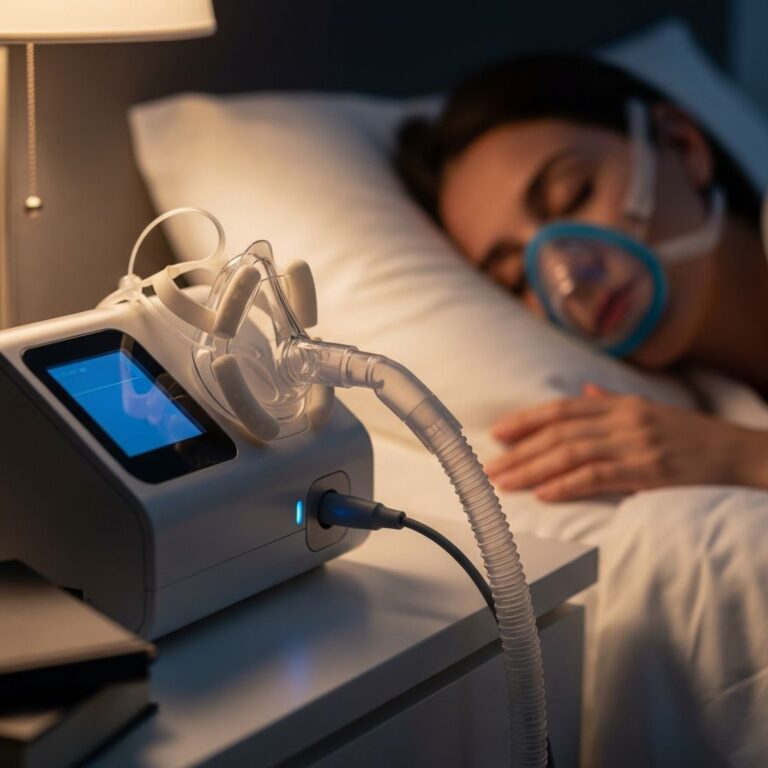
Triazolam, marketed as Halcion, serves as a benzodiazepine medication primarily aimed at addressing short-term insomnia by promoting faster sleep onset. This guide delves into its applications, operational mechanisms, potential adverse reactions, dosing protocols, and critical safety measures to inform responsible use.
Understanding Insomnia and Triazolam’s Role
Insomnia manifests as difficulty initiating sleep, maintaining it, or achieving restorative rest, impacting daily functioning. Triazolam targets acute episodes, typically lasting 7 to 10 days, to avoid dependency risks inherent in prolonged benzodiazepine therapy.
Unlike chronic sleep disorders requiring behavioral interventions, triazolam offers rapid relief for transient issues like jet lag or stress-induced sleeplessness. Its short-acting profile minimizes next-day residual effects compared to longer-acting counterparts.
Mechanism of Action in the Brain
Triazolam enhances gamma-aminobutyric acid (GABA) activity, the brain’s primary inhibitory neurotransmitter. By binding to GABA-A receptors, it hyperpolarizes neurons, dampening excessive neural firing that perpetuates wakefulness.
This sedative-hypnotic effect induces relaxation and sleep without altering sleep architecture significantly in short-term use. Peak plasma concentrations occur within 2 hours, with effects waning quickly due to its brief half-life of 1.5 to 5.5 hours.
Approved Uses and Off-Label Applications
- Primary Indication: Short-term management of insomnia characterized by prolonged sleep latency.
- Dental Anxiety: Occasionally prescribed pre-procedure to alleviate apprehension without full sedation.
- Pre-Surgical Calm: Limited use to reduce anxiety prior to operations, under strict medical oversight.
Regulatory bodies approve it solely for insomnia, emphasizing brevity to curb tolerance buildup. Off-label extensions demand specialist evaluation.
Dosage Recommendations for Adults
Standard dosing begins at 0.125 mg to 0.25 mg orally, taken immediately before bedtime, ensuring at least 7-8 hours for sleep. Elderly or debilitated patients start at 0.125 mg to mitigate oversedation risks.
| Patient Group | Initial Dose | Maximum Dose | Duration |
|---|---|---|---|
| Adults under 65 | 0.25 mg | 0.5 mg | 7-10 days |
| Elderly/Debilitated | 0.125 mg | 0.25 mg | 7-10 days |
| Hepatic Impairment | 0.125 mg | 0.25 mg | Shortest possible |
Dose adjustments hinge on response and tolerability; escalation beyond 0.5 mg rarely occurs. Abrupt cessation post-therapy prevents withdrawal.
Common Side Effects and Management
Most users encounter mild, transient issues resolving post-discontinuation.
- Drowsiness or next-day somnolence
- Dizziness/lightheadedness
- Dry mouth
- Headache
- Coordination impairment
- Nausea
Minimize by adhering to lowest effective dose and avoiding alcohol. Hydration alleviates xerostomia; rest counters fatigue.
Serious Adverse Reactions Requiring Attention
Rare yet severe effects demand vigilance.
- Anaphylaxis/Angioedema: Hives, swelling, breathing difficulty—seek emergency care.
- Behavioral Changes: Amnesia, confusion, aggression, hallucinations.
- Respiratory Depression: Especially with opioids or in COPD patients.
- Paradoxical Reactions: Heightened anxiety or excitability in 1-2% of cases.
Mood alterations, including suicidal ideation in depressed individuals, necessitate immediate provider contact.
Overdose Symptoms and Emergency Response
Excess intake risks coma, respiratory arrest, or death, amplified by CNS depressants. Hallmarks include:
- Extreme drowsiness/confusion
- Shallow breathing
- Loss of coordination/seizures
- Blue lips/skin cyanosis
Activate emergency services (911); flumazenil may reverse effects in clinical settings, but risks seizures. Supportive care like ventilation is cornerstone.
Related Stories



Drug Interactions and Contraindications
Triazolam metabolizes via CYP3A4; inhibitors (ketoconazole, ritonavir) prolong exposure.
| Interaction Type | Examples | Effect |
|---|---|---|
| CNS Depressants | Alcohol, opioids, barbiturates | Potentiated sedation/respiratory failure |
| CYP3A4 Inhibitors | Grapefruit juice, erythromycin | Increased triazolam levels |
| CYP3A4 Inducers | Rifampin, carbamazepine | Reduced efficacy |
Contraindicated in acute narrow-angle glaucoma, severe respiratory insufficiency, or pregnancy (Category X risk). Disclose all medications to prescribers.
Special Populations: Precautions and Adjustments
Elderly Patients
Heightened sensitivity warrants half-dose initiation; monitor for falls, cognitive decline.
Pregnancy and Breastfeeding
Fetal risks include malformations; avoid entirely. Excreted in milk, potentially sedating infants.
Liver/Kidney Impairment
Reduced clearance prolongs effects—dose reduction essential.
Distinguishing Triazolam from Similar Benzodiazepines
| Drug | Primary Use | Half-Life | Onset |
|---|---|---|---|
| Triazolam | Insomnia (sleep onset) | 1.5-5.5 hrs | 15-30 min |
| Alprazolam | Anxiety/panic | ~11 hrs | 1-2 hrs |
| Temazepam | Insomnia (maintenance) | 8-22 hrs | 30-60 min |
Triazolam’s brevity suits onset-focused insomnia sans hangover.
Long-Term Considerations and Dependency Risks
Habituation develops rapidly; rebound insomnia exceeds baseline post-cessation. Taper gradually if used beyond 2 weeks. Cognitive behavioral therapy for insomnia (CBT-I) supersedes pharmacotherapy long-term.
Monitoring and When to Seek Help
Track efficacy via sleep logs; discontinue if no improvement in 7-10 days. Report persistent side effects, mood shifts, or efficacy loss promptly.
Frequently Asked Questions (FAQs)
Can triazolam be taken with alcohol?
No—synergistic depression risks coma.
How quickly does triazolam work?
Effects begin in 15-30 minutes, peaking at 1-2 hours.
Is triazolam addictive?
Yes, with short-term use potential; limit duration.
What if I miss a dose?
Skip; do not double up. Take only at bedtime.
Can children use triazolam?
Not approved; safety unestablished.
Promoting Safe Sleep Hygiene Alongside Medication
Integrate triazolam with habits like consistent schedules, caffeine curfew, screen avoidance. Light therapy or melatonin aids transition off meds.
In summary, triazolam provides targeted insomnia relief when behavioral strategies falter, but demands cautious, brief application amid risks. Consult providers for personalized plans.
References
- Triazolam (Halcion) — MentalHealth.com. 2023. https://www.mentalhealth.com/library/triazolam-halcion-uses-dosage-side-effects
- Triazolam (oral route) — Mayo Clinic. 2024-02-01. https://www.mayoclinic.org/drugs-supplements/triazolam-oral-route/description/drg-20072203
- Triazolam (Halcion): Uses, Side Effects, Dosage & More — GoodRx. 2024. https://www.goodrx.com/triazolam/what-is
- Triazolam Tablets — Cleveland Clinic. 2023. https://my.clevelandclinic.org/health/drugs/19962-triazolam-tablets
- Triazolam (Halcion) — WebMD. 2024. https://www.webmd.com/drugs/triazolam-halcion
Similar Articles








Read full bio of Sneha Tete