Trichiasis: Misdirected Eyelashes Causes & Treatment
Understanding trichiasis: symptoms, causes, and effective treatment options for misdirected eyelashes.
What is Trichiasis?
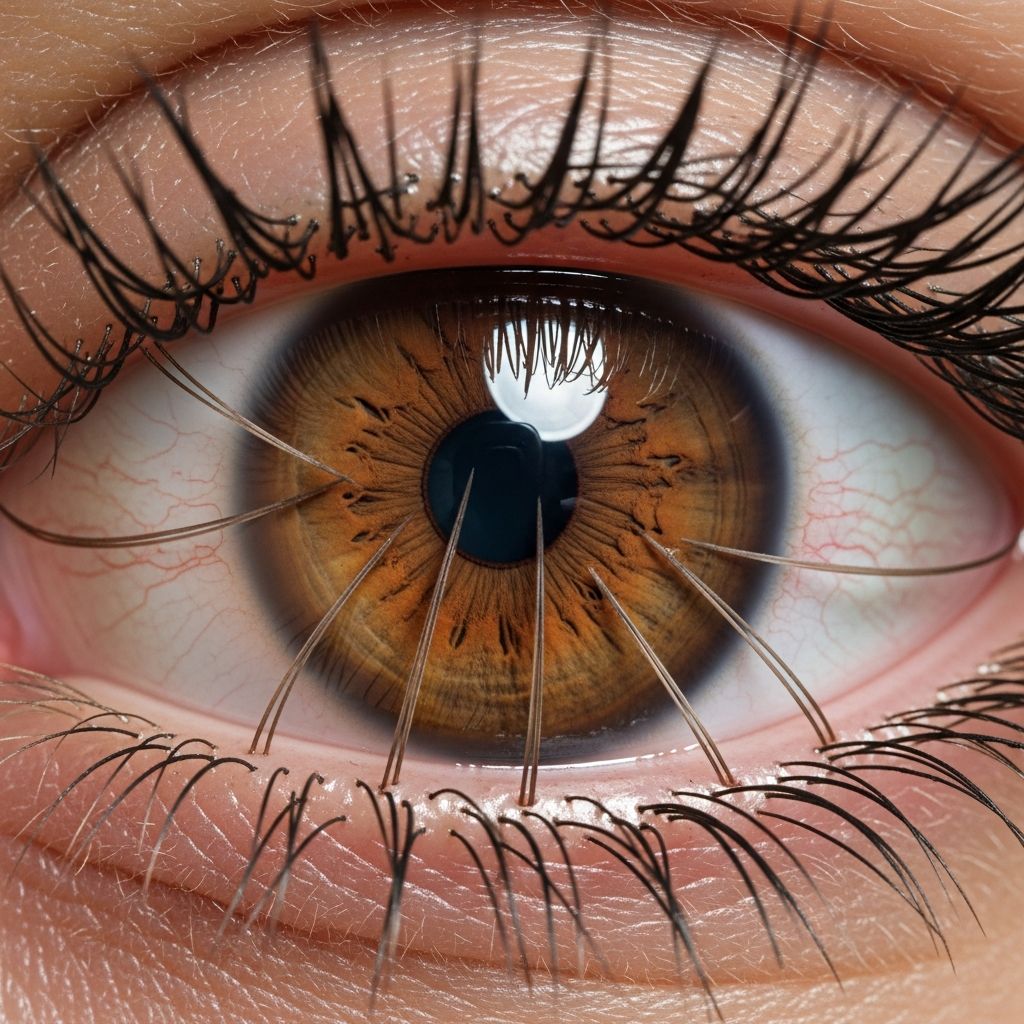
Trichiasis is an eye condition in which your eyelashes grow in the wrong direction—toward your eye rather than away from it. This misdirection of eyelashes causes significant irritation to the eye because the lashes constantly scrape against the cornea, conjunctiva, and the inside of your eyelids. Unlike entropion, where the entire eyelid margin turns inward, trichiasis involves individual eyelashes growing abnormally while the eyelid position remains normal. This distinction is important for accurate diagnosis and treatment planning.
The condition can range from mild to severe, depending on the number of inward-growing eyelashes and the extent of corneal involvement. In some cases, trichiasis can be so harmful that it results in low vision and may even progress to blindness if left untreated. Understanding this condition is crucial for anyone experiencing symptoms of eye irritation or vision problems.
Common Symptoms of Trichiasis
Trichiasis presents with various symptoms that can significantly impact your quality of life and eye comfort. The severity of these symptoms often correlates with the number of misdirected lashes and the duration of the condition. Common symptoms include:
- Eye Irritation: A constant, bothersome sensation of having something in your eye, even when nothing is visibly present
- Redness: The white part of your eye becomes red and inflamed due to constant friction from the lashes
- Tearing: Excessive tearing or watery eyes as your eye attempts to flush away the irritating lashes
- Light Sensitivity (Photophobia): Increased sensitivity or pain when exposed to bright lights
- Blurry Vision: Vision may become unclear or blurry, particularly if the cornea is scratched or scarred by the lashes
- Eye Pain: Discomfort or sharp pain in the affected eye, particularly when blinking or rubbing your eyes
- Foreign Body Sensation: A persistent feeling that something is trapped beneath your eyelid
These symptoms can range from mild to severe depending on individual factors and the extent of misdirected lashes. Some people may experience only minor discomfort, while others face debilitating symptoms that interfere with daily activities.
Causes and Risk Factors
Trichiasis can develop due to various underlying causes. Understanding what triggers this condition is essential for determining the appropriate treatment approach and preventing recurrence. The causes of trichiasis fall into several categories:
Inflammatory Causes
Inflammation of the eyelid is one of the most common causes of trichiasis. Chronic inflammation disrupts the normal growth pattern of eyelashes, causing them to grow inward. Conditions that cause eyelid inflammation include chronic blepharitis, atopic keratoconjunctivitis, ocular cicatricial pemphigoid (OCP), Stevens-Johnson Syndrome, rosacea, and meibomian gland dysfunction. Chemical burns to the eye can also trigger severe inflammation leading to trichiasis affecting both the upper and lower eyelids.
Infectious Causes
Infection represents a significant cause of trichiasis worldwide. Trachoma, caused by the bacterium Chlamydia trachomatis, is the leading infectious cause and remains one of the biggest causes of preventable blindness globally. Repeated trachoma infections irritate the eye and cause scar tissue to build up inside the eyelid, leading to trichiasis and potentially permanent vision loss. The bacterium spreads easily among people, making trachoma a public health concern in developing regions.
Traumatic Causes
Physical trauma to the eyelid, such as from accidents, sports injuries, or eyelid lacerations, can damage the tissue around the lash root and cause abnormal lash growth. Additionally, surgery on or near the eyelid can result in post-surgical changes that lead to trichiasis. Any procedure involving the eye area carries some risk of misdirecting eyelash growth.
Related Stories



Congenital and Anatomic Causes
Some individuals are born with misaligned eyelashes that turn into inward growth. Certain anatomic variations, such as epiblepharon (an extra lower eyelid skinfold), can direct lashes into abnormal positions. Distichiasis, a congenital condition involving an extra row of eyelashes, can also contribute to trichiasis.
Medication-Related Causes
Interestingly, topical ocular medications, particularly certain glaucoma medications and prostaglandin eye drops, can cause eyelash trichiasis as a side effect. Chronic use of these medications may alter eyelash growth patterns and lead to inward-growing lashes.
Other Contributing Factors
Idiopathic trichiasis, where no specific cause can be identified, is also common. Additionally, eyelid margin malignancy can present with trichiasis symptoms, making proper diagnosis essential to rule out more serious conditions.
Diagnosis of Trichiasis
Accurate diagnosis of trichiasis typically involves a comprehensive eye examination performed by an ophthalmologist or optometrist. The diagnostic process includes:
- Clinical Examination: Your eye care professional will examine your eyelids under magnification to identify misdirected lashes and assess their position relative to the cornea and conjunctiva
- Biomicroscopy: This specialized examination technique allows detailed visualization of the eyelid margin, posterior lamella, and surrounding tissue to identify scarring or inflammation
- Fluorescein Staining: Fluorescein dye is applied to the eye to highlight any corneal abrasions, ulcerations, or scarring caused by the misdirected lashes
- Assessment of Underlying Causes: Your doctor will evaluate whether an underlying condition like trachoma, Stevens-Johnson Syndrome, or chemical injury is responsible for the trichiasis
- Visual Acuity Testing: Testing your ability to see clearly helps determine whether the misdirected lashes have affected your vision
Trichiasis is differentiated from involutional entropion, where the entire eyelid margin turns inward. In trichiasis, the eyelid position remains normal while individual lashes grow abnormally. This distinction is crucial because the treatment approaches differ significantly.
Treatment Options for Trichiasis
Treatment for trichiasis depends on the severity of the condition, the number of affected lashes, and the underlying cause. Various options are available, ranging from conservative management to surgical interventions.
Conservative Management
For mild cases with minimal symptoms, conservative approaches may be recommended initially. These include:
- Using lubricating eye drops to reduce irritation and provide temporary relief
- Applying protective eyeglasses or contact lenses to shield the cornea from lash contact
- Avoiding eye trauma and protecting eyes from environmental irritants
Mechanical Removal
Temporary relief can be achieved through mechanical removal of the misdirected lashes. However, this approach provides only short-term benefits because the lashes typically regrow within weeks. Repeated plucking can cause infection and irritation, making this an impractical long-term solution.
Epilation with Chemical Cautery
This procedure involves removing the problematic lashes and then applying a chemical agent to destroy the lash follicles and prevent regrowth. Agents such as trichloroacetic acid or electrocautery may be used. While this can provide longer-lasting results than mechanical plucking, recurrence rates vary.
Cryotherapy (Freeze Therapy)
Cryotherapy uses extreme cold to destroy the lash follicles. A freezing probe is applied to the areas where misdirected lashes originate, permanently damaging the follicles and preventing regrowth. This procedure is effective for localized trichiasis and has reasonable success rates, though some patients may experience recurrence.
Laser Treatment
Laser ablation can be used to destroy lash follicles with precision. Different laser types may be employed, and this approach offers good control over the treatment area. Laser treatment is particularly useful when multiple lashes need to be addressed and when precision is important to avoid damaging surrounding normal lashes.
Surgical Intervention
For more severe cases or when other treatments fail, surgical options may be necessary:
- Eyelash Removal Surgery: Surgical excision of the affected lash-bearing tissue provides a more permanent solution than other methods
- Eyelid Reconstruction: In cases where significant scarring has occurred, eyelid reconstruction surgery may be required to restore normal eyelid function and lash direction
- Tarsal Rotation: This procedure involves rotating the tarsal plate to change the direction in which lashes grow, redirecting them away from the eye
The choice of treatment depends on factors including the number of affected lashes, the underlying cause, previous treatment attempts, and patient preferences. Your eye care specialist will recommend the most appropriate approach for your specific situation.
Addressing Underlying Conditions
Successful long-term management of trichiasis often requires addressing the underlying cause. If trichiasis results from trachoma, treatment of the infection is essential. Managing chronic inflammatory conditions like Stevens-Johnson Syndrome or ocular cicatricial pemphigoid with appropriate medications can help prevent recurrent trichiasis. If medication-induced trichiasis occurs, discussing alternative treatments with your eye care provider may be necessary.
Prevention of Trichiasis
While not all cases of trichiasis can be prevented, certain measures may help reduce the risk of developing this condition:
- Protect your eyes from injury and trauma by wearing appropriate eye protection during activities that pose risk
- Seek prompt treatment for eye infections to prevent complications like trachoma-related trichiasis
- Manage chronic eyelid conditions like blepharitis with proper eyelid hygiene and medical treatment
- Avoid chemical exposure to the eyes; seek immediate medical attention if chemical injury occurs
- If using topical glaucoma medications or prostaglandin eye drops, discuss potential side effects with your eye care provider
Outlook and Prognosis
With appropriate treatment, the outlook for individuals with trichiasis is generally favorable. Early intervention by medical experts provides relief from complications such as corneal ulcers or scarring, which could otherwise lead to permanent vision loss. However, some individuals may experience recurrent episodes of trichiasis and require repeated treatments. The prognosis depends on factors including the underlying cause, the extent of corneal damage, timeliness of treatment, and individual healing responses.
Frequently Asked Questions
Q: Is trichiasis contagious?
A: Trichiasis itself is not contagious. However, infections that can cause trichiasis, such as trachoma caused by Chlamydia trachomatis, are contagious and spread easily among people. Trachomatous trichiasis is one of the biggest causes of blindness in the world, making infection control and proper hygiene important.
Q: Can trichiasis lead to blindness?
A: Yes, if left untreated, trichiasis can progress to blindness. Constant rubbing of misdirected lashes against the cornea can cause scarring, corneal thinning, perforation, and eventual loss of vision. Early treatment is essential to prevent these serious complications.
Q: How long does recovery take after trichiasis treatment?
A: Recovery time varies depending on the treatment method used. Simpler procedures like epilation with chemical cautery may allow for quick recovery, while surgical interventions may require several weeks for complete healing. Your eye care provider will give you specific recovery instructions.
Q: Can trichiasis return after treatment?
A: Yes, some individuals experience recurrent trichiasis and may require repeated treatments. The recurrence rate depends on the treatment method used and the underlying cause. Addressing the underlying condition helps reduce recurrence risk.
Q: What should I do if I suspect I have trichiasis?
A: Schedule an appointment with an ophthalmologist or optometrist for a comprehensive eye examination. Early diagnosis and treatment can prevent serious complications and preserve your vision.
References
- Trichiasis (Misdirected Eyelashes): Causes & Treatment — Cleveland Clinic. 2024. https://my.clevelandclinic.org/health/diseases/24542-trichiasis
- Trichiasis — EyeWiki, American Academy of Ophthalmology. 2024. https://eyewiki.org/Trichiasis
- Diseases of the Eyelashes — StatPearls, National Center for Biotechnology Information (NCBI). 2024. https://www.ncbi.nlm.nih.gov/books/NBK537100/
- Trichiasis – Eye Disorders — MSD Manual Professional Edition. 2024. https://www.msdmanuals.com/professional/eye-disorders/eyelid-and-lacrimal-disorders/trichiasis
- Trachoma and Trichiasis: Causes, Symptoms and Treatment — Sight Savers International. 2024. https://www.sightsavers.org/eye-conditions/trachoma/
Similar Articles








Read full bio of medha deb