Trichilemmal Cyst Pathology: Essential Guide For Diagnosis
Comprehensive pathology of trichilemmal cysts: from clinical features to histological diagnosis and management strategies.
A trichilemmal cyst, also known as a pilar cyst, is a common benign cutaneous cyst derived from the outer root sheath of the hair follicle. These cysts are filled with keratin and predominantly occur on the scalp, often presenting diagnostic challenges due to their similarity to other dermal nodules. Understanding their pathology is essential for accurate diagnosis and appropriate management.
Introduction
Trichilemmal cysts originate from the trichilemma, the outer root sheath of the hair follicle, where keratinization occurs abruptly without an intervening granular layer. They are keratin-filled nodules most frequently located on the scalp, comprising up to 90% of cases, with occasional occurrences on the face, neck, trunk, or extremities such as the scrotum. These cysts are typically diagnosed in middle-aged adults, particularly females, and exhibit an autosomal dominant inheritance pattern in familial cases, with a 50% chance of transmission from an affected parent.
Multiple cysts are common, especially in hereditary forms, and they grow slowly over time. While generally asymptomatic, inflammation or rupture can lead to pain, erythema, and diagnostic confusion with infections. Proliferating variants exist, which may mimic malignancy, underscoring the importance of histopathological evaluation.
Clinical features
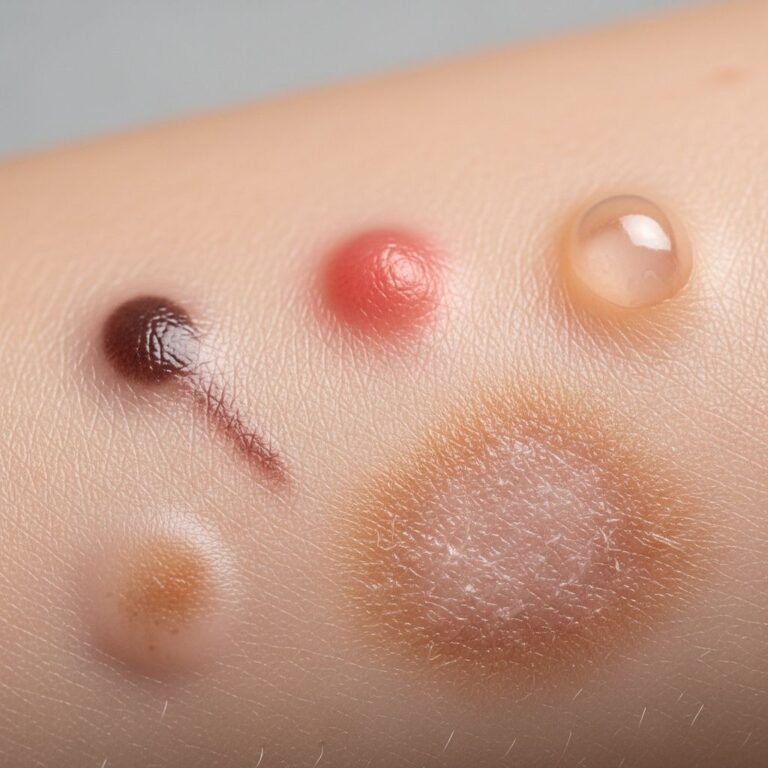
Trichilemmal cysts manifest as solitary or multiple, firm, mobile, subcutaneous nodules ranging from 0.5 to 5 cm in diameter. They are often described as smooth, dome-shaped swellings with minimal overlying epidermal changes, such as thinned hair due to skin stretching. The scalp is the hallmark site, but they can appear elsewhere on hair-bearing skin.
- Firm, nontender nodules unless inflamed
- No central punctum, distinguishing them from epidermoid cysts
- Slow growth; stable size in most cases
- May become painful, erythematous if traumatized or ruptured
- Family history suggestive of autosomal dominant inheritance
Inflammation arises from rupture, releasing keratin contents that provoke a foreign body reaction, often misdiagnosed as bacterial abscess. True infection is rare unless secondarily contaminated.
Difference from epidermoid cyst
Trichilemmal cysts are frequently mislabeled as sebaceous or epidermoid cysts due to superficial resemblance. Key distinctions aid clinical differentiation:
| Feature | Trichilemmal Cyst | Epidermoid Cyst |
|---|---|---|
| Location | 90% scalp; outer root sheath origin | Anywhere; infundibular epithelium |
| Punctum | Absent | Present (central blackhead) |
| Wall | Thick, rupture-resistant | Thin, prone to rupture |
| Contents | Dense, compact keratin (no granular layer) | Flaky keratin, granular layer present |
| Histology | Trichilemmal keratinization | Stratum granulosum visible |
These differences are confirmed histologically, as clinical overlap can lead to misdiagnosis. Epidermoid cysts arise from surface epidermis or follicular infundibulum, featuring a granular layer and punctum.
Histological findings
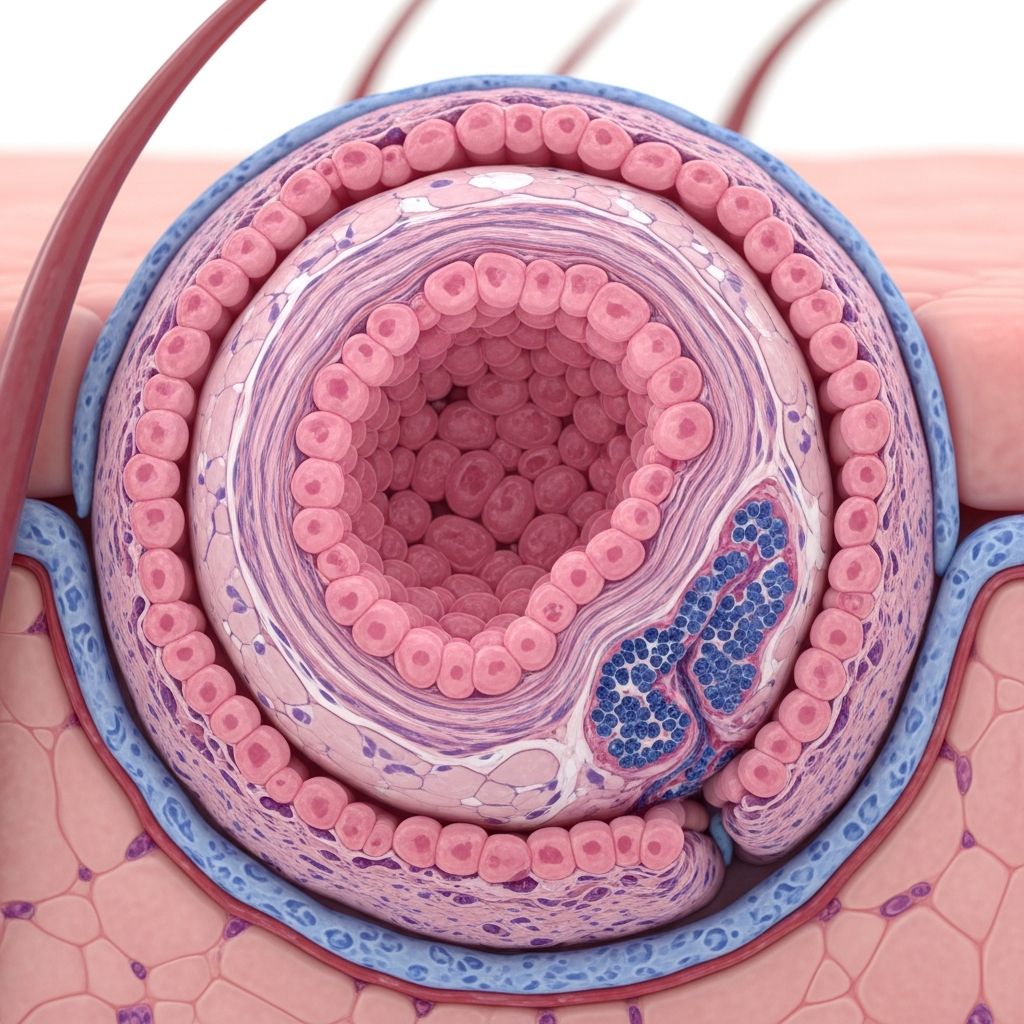
The pathology is characteristic: the cyst wall comprises stratified squamous epithelium resembling the outer root sheath, with a palisaded basal layer. Keratinization is abrupt, lacking a granular layer, resulting in homogeneous, eosinophilic keratin filling the lumen. This ‘trichilemmal keratinization’ is diagnostic.
- Cyst wall: Stratified squamous epithelium, palisaded outer layer mimicking hair follicle outer sheath
- Granular layer: Absent
- Lumen contents: Dense, pink keratin on H&E stain; may calcify or liquefy
- Inflammation: Rupture induces granulomatous reaction with giant cells
- Proliferating variant: Endophytic growth, atypia; rare malignant transformation (mPTT)
Related Stories



Biopsy reveals brightly eosinophilic keratin, occasionally with focal calcification. Malignant proliferating trichilemmal tumors (mPTT) show infiltrative growth, atypia, and potential for metastasis, occurring in <3% of cases. Differential includes pilomatrixoma, lipoma, and squamous cell carcinoma.
Treatment
Asymptomatic cysts require no intervention, as they are benign and slow-growing. Symptomatic cases—due to pain, cosmetics, or inflammation—warrant treatment. Conservative observation suffices for small, stable lesions.
Non-surgical options
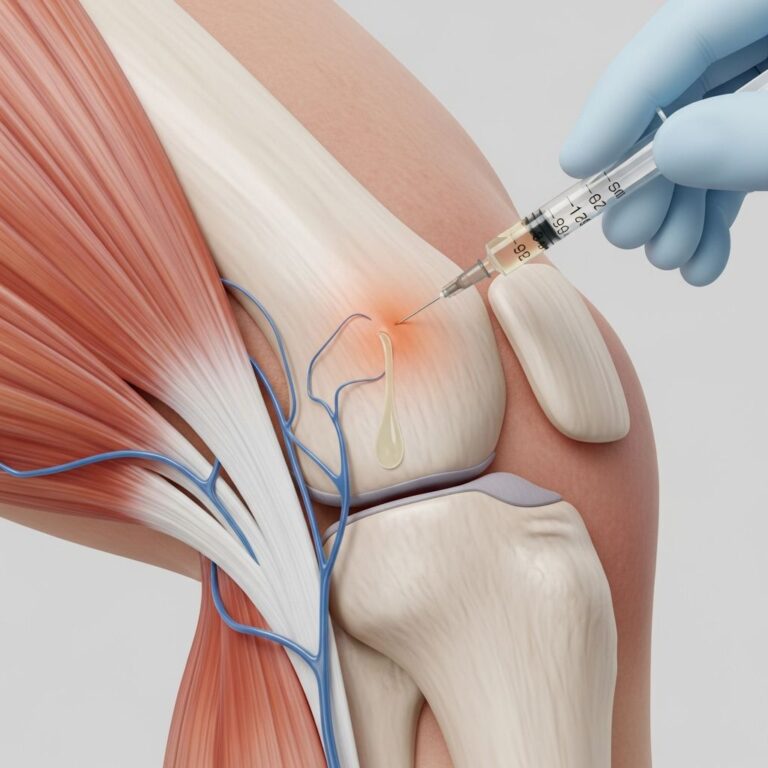
- Intralesional corticosteroids (0.1–1 mg) for inflamed cysts
- Incision and drainage under local anesthesia for rapid relief
- Antibiotics only if culture-confirmed infection; avoid empiric use post-rupture
Surgical options
Surgical excision is curative with low recurrence. Techniques include:
- Complete excision without breaching cyst wall, preserving surrounding skin
- Punch excision: Incise, express contents, extract wall
- Elliptical excision for larger lesions
Post-rupture inflammation should subside before elective surgery to minimize scarring. Proliferating or suspicious lesions necessitate full excision for histopathology.
Recurrence is uncommon if the cyst wall is fully removed. Scarring is minimal with proper technique. For mPTT, multimodal therapy (surgery, radiation, chemotherapy) may be required.
Frequently Asked Questions (FAQs)
What causes trichilemmal cysts?
They arise from abnormal keratinization in the outer hair root sheath, often with genetic predisposition (autosomal dominant).
Are trichilemmal cysts cancerous?
Benign in most cases; rare proliferating variants (<3%) may become malignant (mPTT), requiring excision.
How are they diagnosed?
Clinical exam suffices; biopsy confirms histology if atypical. Imaging (CT/MRI) for deep/large lesions.
Do they always need removal?
No, only if symptomatic. Asymptomatic cysts can be monitored.
Can they recur after treatment?
Low risk with complete surgical removal; higher if wall remnants persist.
What if a cyst becomes infected?
Culture swab guides antibiotics; incise/drain if abscessed. Avoid surgery during acute phase.
This FAQ section addresses common patient concerns, optimizing for search intent on cyst pathology and care.
Complications and Prognosis
Complications include inflammation, scarring post-rupture, and rare malignant change. Prognosis is excellent post-excision, with <5% recurrence. Early intervention prevents cosmetic issues on visible scalp areas.
Differential Diagnosis
- Epidermoid cyst
- Sebaceous cyst (misnomer)
- Lipoma
- Pilomatrixoma
- Proliferating trichilemmal tumor
- Squamous cell carcinoma
Histology resolves ambiguities.
References
- Pilar Cyst (Trichilemmal Cyst) — Dermatology Advisor. 2023. https://www.dermatologyadvisor.com/home/decision-support-in-medicine/dermatology/pilar-cysts-trichilemmal-cyst-tricholemmal-cyst-wen/
- Trichilemmal cyst — DermNet NZ. 2024-01-15. https://dermnetnz.org/topics/trichilemmal-cyst
- What is a trichilemmal cyst? — KMC Dermatology. 2023-05-10. https://www.kmcpa.com/post/what-is-a-trichilemmal-cyst
- Pilar Cyst — StatPearls, NCBI Bookshelf (NIH). 2023-08-08. https://www.ncbi.nlm.nih.gov/books/NBK534209/
- Pilar cyst: Causes, treatment, and removal — Medical News Today. 2023. https://www.medicalnewstoday.com/articles/321405
- Pilar Cyst — MD Searchlight. 2024. https://mdsearchlight.com/skin-problems-and-treatments/pilar-cyst/
Similar Articles








Read full bio of Sneha Tete