Trichomoniasis: Symptoms, Diagnosis, And Treatment Guide
Understanding symptoms, diagnosis, effective treatments, and prevention strategies for this common yet often overlooked STI.
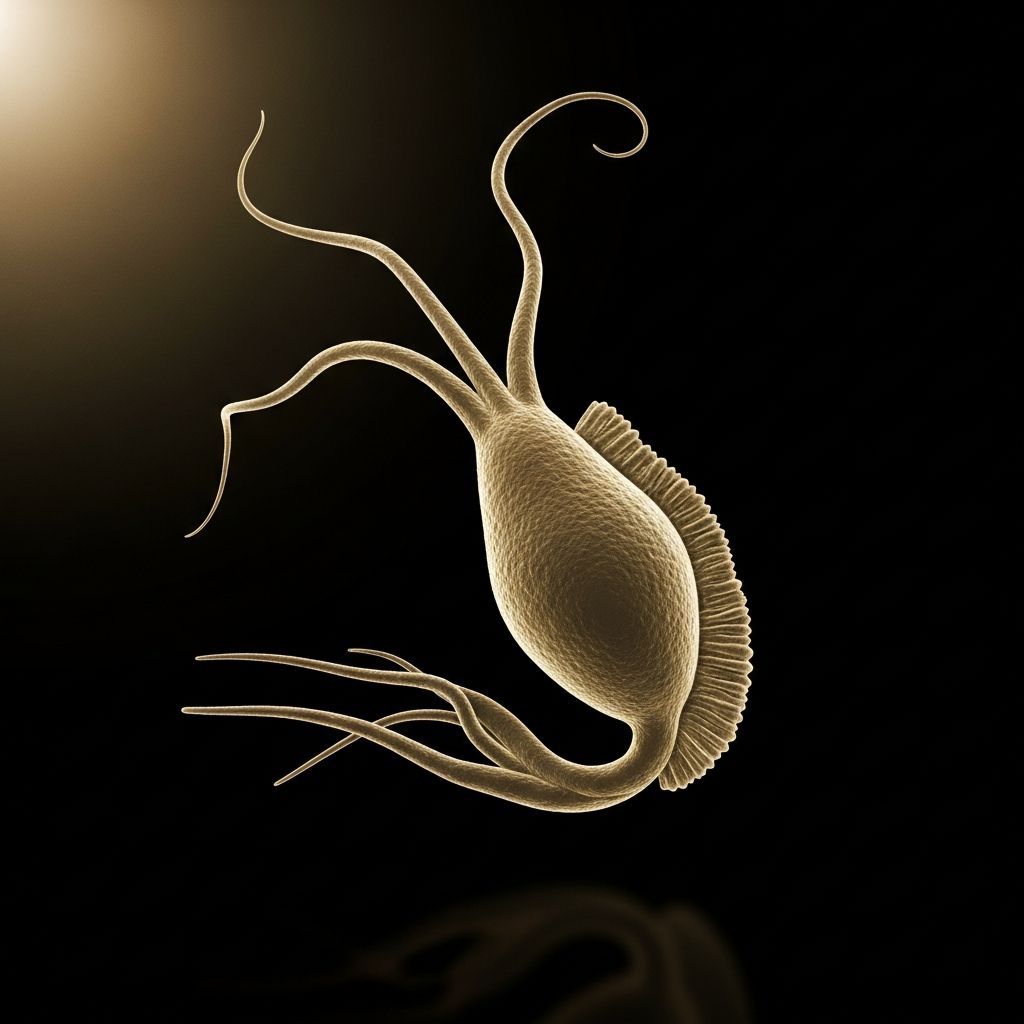
Trichomoniasis stands as one of the most widespread sexually transmitted infections globally, caused by the single-celled parasite Trichomonas vaginalis. This protozoan invades the genitourinary tract, primarily affecting the vagina in women and the urethra in men, though it can spread to other areas. Despite its prevalence, many carriers remain unaware due to the infection’s frequent lack of symptoms, facilitating silent transmission during sexual activity.
Health authorities like the World Health Organization estimate millions of new cases yearly, underscoring the need for awareness. Unlike bacterial STIs, trichomoniasis requires specific antiparasitic drugs for cure, and untreated cases can persist for months or years, heightening risks of complications and onward spread.
The Biological Culprit Behind the Infection
The parasite T. vaginalis thrives in moist environments, propelled by flagella that enable rapid movement. It attaches to mucosal linings in the genitals, urethra, or prostate, triggering inflammation. Transmission occurs almost exclusively through vaginal-penile intercourse, with rare instances via shared damp objects like towels, though evidence for this remains limited.
Men often serve as asymptomatic reservoirs, harboring the parasite in semen or urine without noticeable effects, unknowingly passing it to partners. In women, the vaginal pH shift favors parasite growth, exacerbated by factors like douching or bacterial imbalances. Globally, women bear a disproportionate burden, with higher detection rates in routine screenings.
Recognizing Symptoms in Women
While up to 70% of infected women experience no signs, those who do often report a distinctive frothy vaginal discharge with a fishy or foul odor, varying from clear to yellow-green. Accompanying issues include intense genital itching, redness, soreness, and burning sensations, particularly during urination or intercourse. Lower abdominal pain or spotting post-sex may also occur.
- Frothy, malodorous discharge: Often pale yellow or green, frothy due to gas production by the parasite.
- Itching and irritation: Vulvar and vaginal discomfort that worsens with moisture or friction.
- Dysuria and dyspareunia: Painful urination and sexual penetration, signaling urethral or vaginal inflammation.
- Abdominal discomfort: Mild cramping, sometimes mistaken for menstrual issues.
Symptoms typically emerge 5-28 days post-exposure but can appear later or mimic other conditions like yeast infections or bacterial vaginosis, necessitating professional evaluation.
Symptoms Experienced by Men
Men with trichomoniasis seldom notice symptoms, with fewer than 10% reporting issues. When present, signs include urethral itching or burning, especially after ejaculation or urination, thin urethral discharge, and mild soreness at the penis tip. Prostate involvement may cause discomfort during ejaculation or lower urinary tract symptoms.
- Urethral irritation: Burning sensation during urination or semen release.
- Clear discharge: Minimal, watery fluid from the penis.
- Penile discomfort: Slight redness or tenderness around the opening.
This subtlety perpetuates transmission, as men rarely seek testing without symptoms or concurrent STI screening.
Related Stories



Diagnostic Approaches for Accurate Detection
Diagnosis begins with a clinical history and pelvic exam for women, revealing characteristic discharge and inflammation. Lab confirmation is essential, as visual cues alone are insufficient. Nucleic acid amplification tests (NAATs) on vaginal swabs, urine, or semen offer high sensitivity, detecting parasite DNA even in low loads. Wet mount microscopy visualizes motile trichomonads but misses up to 50% of cases due to intermittent shedding.
| Method | Accuracy | Best For |
|---|---|---|
| Wet Mount | 50-70% | Immediate results in symptomatic cases |
| NAAT (PCR) | 95%+ | All cases, including asymptomatic |
| Culture | 75-85% | Confirmatory, slower turnaround |
For men, first-void urine NAAT is preferred. Pregnant women and HIV-positive individuals warrant routine screening due to elevated risks. Point-of-care tests are emerging but not yet standard.
Effective Treatment Protocols
Trichomoniasis responds well to nitroimidazole antibiotics, the only FDA-approved class. CDC recommends metronidazole 500 mg orally twice daily for 7 days as first-line for women, outperforming single 2g doses in cure rates (84-98%). Tinidazole 2g single dose serves as an alternative, with similar efficacy.
Men receive the same regimens. Partners must be treated concurrently, regardless of symptoms, to avert reinfection. Abstain from sex for 7 days post-treatment completion. Avoid alcohol during therapy and 48 hours after, as it triggers severe nausea, vomiting, and flushing.
- Regimen 1: Metronidazole 500mg x2/day x7 days (preferred for women).
- Regimen 2: Metronidazole 2g single dose.
- Regimen 3: Tinidazole 2g single dose.
Test-of-cure one month post-treatment is advised for persistent symptoms or HIV cases.
Managing Persistent or Resistant Cases
Failure rates are low (2-5%), often from reinfection or non-adherence. For refractory infections, escalate to high-dose tinidazole 2g daily for 7 days or combine oral/intravaginal options. Rare resistance prompts specialist consult and susceptibility testing. Boric acid suppositories show anecdotal success but lack robust trials.
Special Considerations for Vulnerable Groups
Pregnant women face preterm birth risks, meriting third-trimester screening. HIV-positive individuals experience higher viral shedding and persistence; multidose therapy is crucial. Breastfeeding requires caution with tinidazole, favoring metronidazole.
Strategies to Prevent Transmission
Consistent condom use slashes risk by over 90%. Mutual testing and partner treatment before resuming sex are vital. Limit partners, avoid douching, and screen during STI checks. No vaccine exists, emphasizing behavioral prevention.
Potential Complications if Untreated
Chronic infection amplifies HIV acquisition/transmission twofold. Women risk pelvic inflammatory disease, infertility, and adverse pregnancy outcomes. Men may develop prostatitis. Routine screening mitigates these.
Frequently Asked Questions (FAQs)
Can trichomoniasis be cured completely?
Yes, antibiotics like metronidazole cure over 90% of cases when adhered to fully.
Is trichomoniasis only sexually transmitted?
Primarily yes, via unprotected vaginal sex; non-sexual spread is exceedingly rare.
Should I tell my partner if diagnosed?
Absolutely—prompt partner treatment prevents ping-pong reinfection.
How soon after treatment can I have sex?
Wait 7 days after completing antibiotics, ensuring all partners are treated.
Can I get trichomoniasis from oral or anal sex?
Risk is very low; it’s mainly vaginal transmission.
References
- Trichomoniasis — World Health Organization. 2023-11-07. https://www.who.int/news-room/fact-sheets/detail/trichomoniasis
- Trichomoniasis — NHS. 2023. https://www.nhs.uk/conditions/trichomoniasis/
- Trichomoniasis — UF Health. 2024. https://ufhealth.org/conditions-and-treatments/trichomoniasis
- Trichomoniasis: The “Neglected” Sexually Transmitted Disease — PMC (PubMed Central). 2015-12-01. https://pmc.ncbi.nlm.nih.gov/articles/PMC4677781/
- Trichomoniasis – STI Treatment Guidelines — Centers for Disease Control and Prevention (CDC). 2021-07-22. https://www.cdc.gov/std/treatment-guidelines/trichomoniasis.htm
Similar Articles








Read full bio of medha deb