Trichomoniasis: 6 Key Facts on Symptoms, Treatment & Prevention
Everything you need to know about trichomoniasis: symptoms, causes, diagnosis, treatment, and prevention of this common STI.
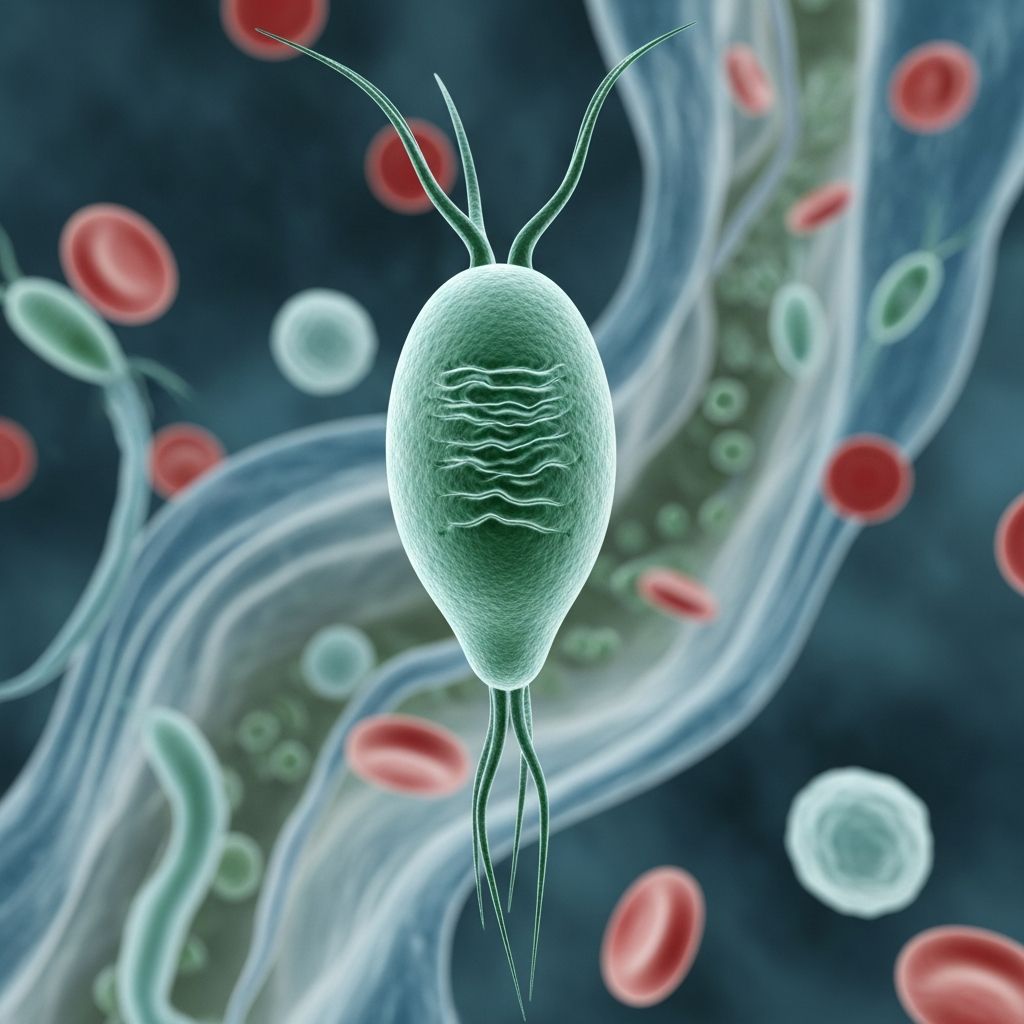
Trichomoniasis, commonly known as “trich,” is one of the most prevalent non-viral sexually transmitted infections (STIs) worldwide, caused by the protozoan parasite Trichomonas vaginalis. It primarily affects the urogenital tract in both men and women, with an estimated 156 million new cases among people aged 15–49 in 2020 alone. While treatable and curable with antibiotics, many infections are asymptomatic, allowing silent transmission. This article explores the causes, symptoms, diagnosis, treatment, prevention, and complications of trichomoniasis, drawing from authoritative health sources.
What Is Trichomoniasis?
Trichomoniasis is a sexually transmitted infection caused by Trichomonas vaginalis, a motile protozoan parasite that infects the penis, vagina, cervix, urethra, or prostate. The parasite thrives in the urogenital tract, releasing cytotoxic proteins that damage epithelial cells and elevate vaginal pH, leading to inflammation. Unlike bacterial or viral STIs, trichomoniasis is parasitic and cannot survive long outside the body, making direct sexual contact the primary transmission route.
In the United States, the CDC estimates over two million infections annually, with higher prevalence among women aged 16–35 and older women. Globally, it disproportionately affects women of reproductive age, street-based sex workers, and populations in regional areas. Men often remain asymptomatic carriers, facilitating spread. The incubation period ranges from 5–28 days, though symptoms may appear later or never manifest.
Symptoms of Trichomoniasis
Approximately 70–90% of infected individuals experience no symptoms, particularly men, enabling undetected transmission. When present, symptoms typically emerge 4–28 days post-infection and vary by sex.
Symptoms in Women:
- Frothy, yellow-green vaginal discharge with a fishy odor
- Vaginal itching, burning, or soreness
- Pain or discomfort during urination (dysuria) or intercourse (dyspareunia)
- Bleeding between periods or after sex
- Lower abdominal pain or redness of the vulva
Symptoms in Men:
- Penile itching, irritation, or burning after urination/ejaculation
- Thin penile discharge
- Urethritis, rarely prostatitis or epididymitis
Symptoms can fluctuate, resolve spontaneously in men within weeks, or persist for months/years without treatment. Asymptomatic cases still pose transmission risks.
Causes and Risk Factors
Trichomoniasis spreads primarily through unprotected vaginal sex (penis-to-vagina or vulva-to-vulva), as the parasite cannot survive in the mouth, rectum, or on dry surfaces. Rare non-sexual transmission may occur via damp towels, but venereal contact accounts for nearly all cases.
Key Risk Factors:
- Multiple or new sexual partners
- History of other STIs
- Inconsistent condom use
- Intravenous drug abuse
- HIV infection, which increases susceptibility
- Demographic factors: older age, regional/remote living, sex work, Indigenous populations
The parasite’s flagella enable rapid motility, comparable to white blood cells, aiding urogenital colonization.
How Does Trichomoniasis Spread?
Transmission occurs via direct genital contact during sex; condoms significantly reduce risk if used correctly and consistently. Unlike some STIs, trichomoniasis does not spread through oral or anal sex, kissing, or toilet seats. Infected individuals, even asymptomatic ones, can transmit it until treated. Pregnant women risk vertical transmission, though rare. Partner notification and treatment are crucial to prevent reinfection cycles.
Related Stories



Diagnosis and Testing
Diagnosis begins with clinical evaluation of symptoms like discharge or irritation. Key tests include:
- Nucleic Acid Amplification Testing (NAAT): Gold standard for high sensitivity, detects parasite DNA in vaginal/urethral swabs or urine; recommended for cure confirmation 2–3 months post-treatment
- Wet Mount Microscopy: Observes motile trichomonads in fresh discharge sample
- Culture or Rapid Antigen Tests: Less sensitive but useful
Routine STI screening is advised for at-risk groups; pregnant women should be tested if symptomatic. Men require urethral swabs or first-void urine. Early detection prevents complications.
Treatment for Trichomoniasis
Trichomoniasis is curable with a single dose of oral antibiotics: metronidazole (2g) or tinidazole (2g), achieving >90% efficacy. Alternatives for resistance or pregnancy include multi-day regimens (e.g., metronidazole 500mg twice daily for 7 days).
Treatment Guidelines:
| Patient Group | Recommended Regimen | Notes |
|---|---|---|
| Adults (non-pregnant) | Metronidazole 2g single dose or Tinidazole 2g single dose | Abstain from sex/alcohol 24–72 hours post-dose |
| Pregnant Women | Metronidazole 2g single dose (safe in pregnancy) | Stop breastfeeding during 12-hour treatment window; test-of-cure at 3 months |
| Partner Treatment | Same as above for all recent partners | Prevent ping-pong reinfection |
Resistance is rare but rising; consult providers for failures. Avoid alcohol with nitroimidazoles to prevent disulfiram reaction. Test-of-cure via NAAT recommended for women 3 months post-treatment.
Trichomoniasis Prevention
Prevention strategies include:
- Consistent condom use during vaginal sex
- Regular STI testing for sexually active individuals
- Partner notification and simultaneous treatment
- Limiting sexual partners and avoiding IV drugs
- Routine screening in high-risk groups (e.g., pregnant women, HIV-positive)
Vaccines are absent; education on asymptomatic transmission is key.
Complications of Trichomoniasis
Untreated trichomoniasis heightens risks:
- Increased HIV acquisition/transmission due to genital inflammation
- Cervical changes visible on Pap smears, requiring follow-up
- Pelvic inflammatory disease (PID) risk
- Pregnancy complications: preterm birth, low birth weight (<5.5 lbs)
- Chronic prostatitis/epididymitis in men (rare)
Treatment mitigates these; long-term infection may persist subclinically.
Trichomoniasis in Pregnancy
Pregnant women face elevated risks of preterm delivery and low-birth-weight infants. Metronidazole is safe after the first trimester; treat promptly and retest 3–6 months later. Untreated cases correlate with adverse outcomes, underscoring screening importance.
Frequently Asked Questions (FAQs)
Can trichomoniasis go away on its own?
Yes, especially in men, but it can persist for months/years and spread unknowingly. Treatment is recommended to prevent complications.
Is trichomoniasis curable?
Yes, with antibiotics like metronidazole; cure rates exceed 90%.
Does trichomoniasis cause infertility?
Indirectly via PID or inflammation; prompt treatment minimizes risks.
Can you get trichomoniasis from oral sex?
No, it primarily spreads via vaginal sex; oral/anal transmission is negligible.
How long after treatment can I have sex?
Wait 7 days and until partners are treated; use condoms thereafter.
References
- Trichomoniasis – Healthdirect — Australian Government Department of Health. 2023. https://www.healthdirect.gov.au/trichomoniasis
- Trichomoniasis: MedlinePlus Medical Encyclopedia — MedlinePlus (U.S. National Library of Medicine). 2024-01-15. https://medlineplus.gov/ency/article/001331.htm
- Trichomoniasis – StatPearls — NCBI Bookshelf (National Center for Biotechnology Information). 2023-08-08. https://www.ncbi.nlm.nih.gov/books/NBK534826/
- Trichomoniasis – World Health Organization — WHO. 2024-05-29. https://www.who.int/news-room/fact-sheets/detail/trichomoniasis
- Trichomoniasis – NHS — National Health Service (UK). 2023. https://www.nhs.uk/conditions/trichomoniasis/
- About Trichomoniasis – CDC — Centers for Disease Control and Prevention. 2024. https://www.cdc.gov/trichomoniasis/about/index.html
Similar Articles








Read full bio of Sneha Tete