Trichophagia: Essential Guide To Risks, Diagnosis And Treatment
Understanding trichophagia: the compulsive hair-eating disorder linked to trichotillomania, its causes, symptoms, complications like trichobezoars, and effective treatments.
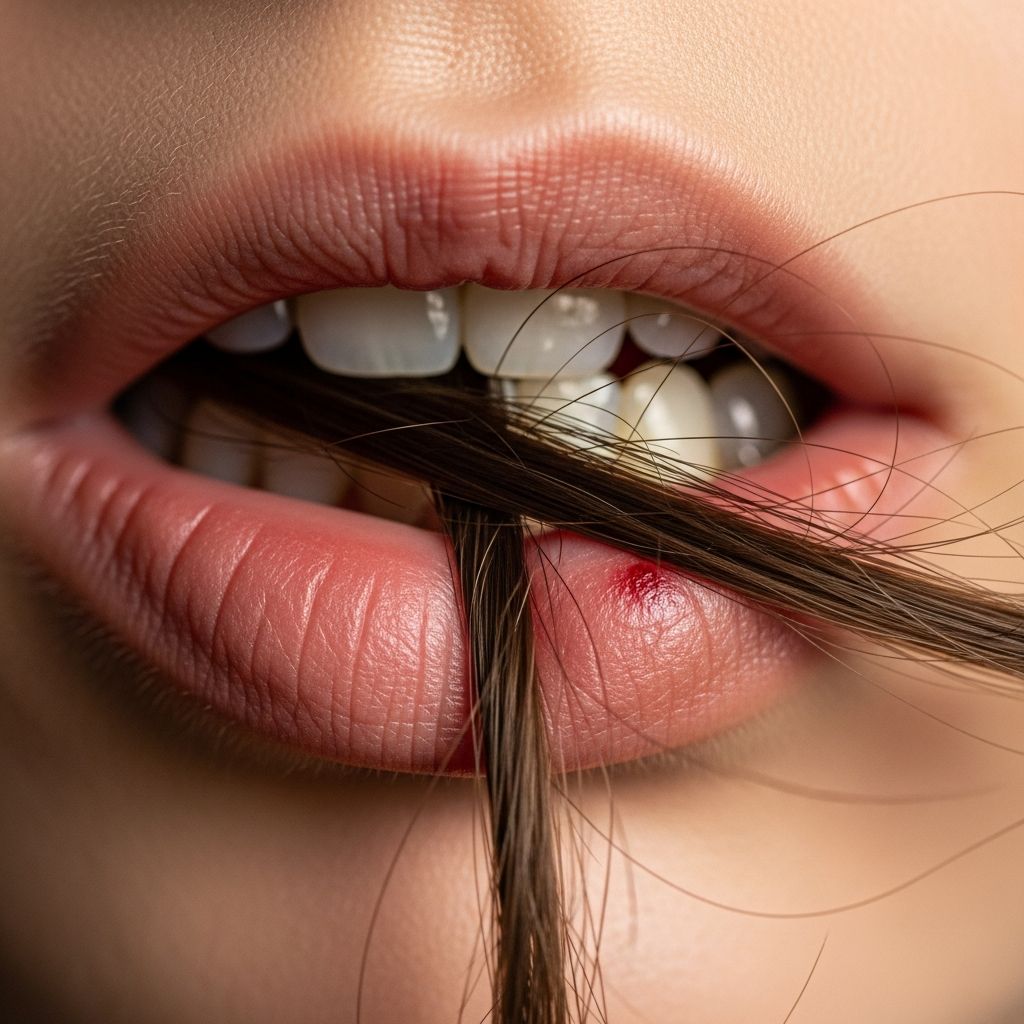
Trichophagia is the compulsive ingestion of hair, typically one’s own, and is frequently associated with trichotillomania, a body-focused repetitive behaviour disorder characterised by the repetitive pulling out of one’s own hair. It is classified as a form of pica, an eating disorder involving non-nutritive substances. While occasional hair chewing is common, particularly in children, chronic trichophagia can lead to serious gastrointestinal complications, most notably the formation of a trichobezoar—a mass of undigested hair accumulated in the stomach.
Who is at risk of trichophagia? Trichophagia predominantly affects young females, with onset often during adolescence. It is estimated to occur in approximately 20% of individuals with trichotillomania. Genetic predisposition, neurobiological factors, and environmental stressors contribute to its development, though no single cause has been identified.
What is the cause of trichophagia?
Trichophagia likely results from a multifactorial interplay of genetic, neurobiological, psychological, and environmental elements. It commonly co-occurs with trichotillomania, where individuals first pull out hair before ingesting it. Several etiological hypotheses include disordered emotional regulation, response to chronic stress or trauma, behavioural conditioning, and sensory gratification from chewing hair.
Genetic factors play a role, as relatives of those with trichotillomania and trichophagia show higher rates of obsessive-compulsive disorder (OCD), excoriation disorder, and major depressive disorder. Neuroimaging studies suggest alterations in brain circuits involved in impulse control and habit formation. Environmental triggers, such as anxiety-provoking situations or habit formation in childhood, further perpetuate the behaviour.
Psychoanalytic theories propose symbolic meanings, such as oral aggression or regression, but lack empirical support. Instead, modern understanding emphasises impulse control deficits akin to other body-focused repetitive behaviours.
Clinical features of trichophagia
Trichophagia manifests through both behavioural and physical symptoms. Individuals often engage in hair pulling followed by mouthing, chewing, or swallowing hair strands, sometimes subconsciously. Visible signs include irregular alopecia (hair loss) on the scalp, eyebrows, eyelashes, or body hair, with shorter regrowing hairs and longer ones near the mouth.
- Behavioural signs: Preoccupation with hair, repetitive pulling and eating, avoidance of situations revealing bald patches.
- Mouth and dental issues: Dental wear from chronic chewing, halitosis, or impacted hair in teeth.
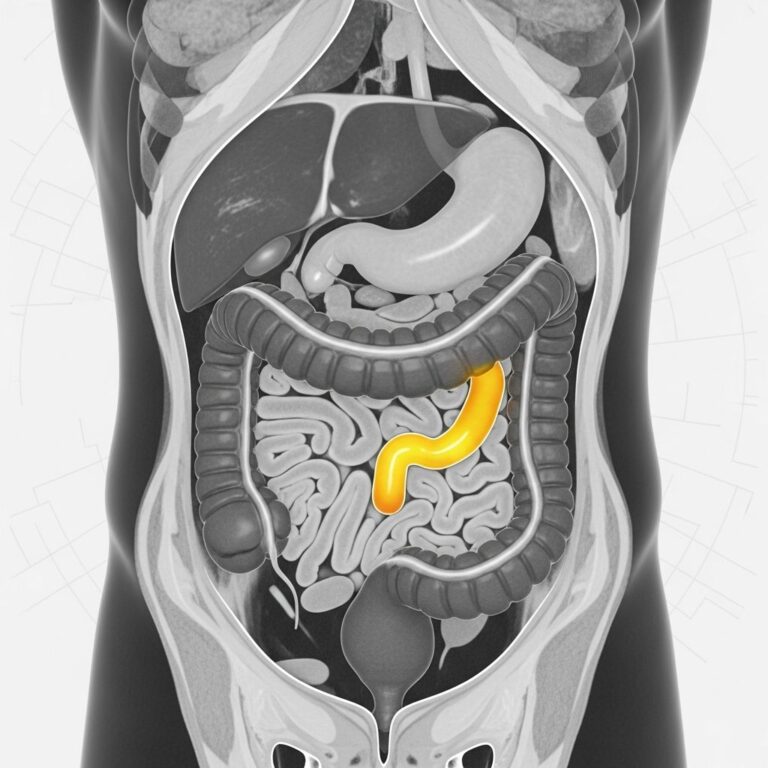
Gastrointestinal symptoms arise from trichobezoar formation, which develops over months to years as hair accumulates in the stomach due to its indigestibility. Early symptoms include epigastric discomfort and early satiety; advanced cases present with severe abdominal pain, nausea, vomiting, diarrhoea, constipation, or weight loss.
In extreme cases, the trichobezoar extends into the small intestine, mimicking Rapunzel syndrome—a rare condition where the bezoar forms a tail-like extension causing bowel obstruction, ulceration, perforation, pancreatitis, or appendicitis.
How is trichophagia diagnosed?
Diagnosis relies on clinical history and examination, often prompted by trichobezoar-related symptoms rather than the behaviour itself. Key diagnostic features include:
- History of trichotillomania with observed or reported hair ingestion.
- Physical exam revealing alopecia patterns and possible abdominal mass.
- Imaging: Abdominal ultrasound, CT, or MRI confirming trichobezoar—a hypoechoic mass with a mottled ‘soap bubble’ appearance or radiating streaks.
Related Stories



Endoscopy provides definitive diagnosis, visualising the hair mass in the stomach fundus. Differential diagnoses include other bezoars (phytobezoars, pharmacobezoars), gastric tumours, or pica variants. Psychiatric evaluation assesses for comorbid OCD, anxiety, or depression.
What are the complications of trichophagia?
The primary complication is trichobezoar formation, affecting up to 20% of severe cases. Small bezoars may be asymptomatic, but large ones (>5 cm) cause:
| Complication | Description | Frequency |
|---|---|---|
| Obstruction | Gastric outlet or small bowel blockage | Common |
| Ulceration/Perforation | Mucosal erosion leading to bleeding or perforation | 10-20% |
| Rapunzel Syndrome | Linear extension into jejunum/ileum | Rare (<1%) |
| Pancreatitis/Appendicitis | Secondary inflammation | Rare |
| Malnutrition | Vitamin deficiencies, weight loss | Variable |
Surgical intervention is required in 70-90% of symptomatic trichobezoars, with laparotomy preferred for large or multiple masses. Postoperative recurrence risk is high without behavioural treatment.
Trichophagia treatment
Treatment addresses both the psychiatric behaviour and medical complications through a multidisciplinary approach involving dermatologists, gastroenterologists, psychiatrists, and psychologists.
Management of trichobezoar
- Endoscopic removal: Feasible for small (<5 cm), soft bezoars using snares, baskets, or laser fragmentation.
- Surgical removal: Gastrotomy or enterotomy for large, hard, or obstructive bezoars. Laparoscopic techniques reduce morbidity.
- Post-removal: Enzymatic dissolution (e.g., papain, cellulase) rarely effective alone.
Behavioural and psychological interventions
Cognitive behavioural therapy (CBT), particularly habit reversal training (HRT), is the most evidence-based treatment. HRT involves awareness training, competing response training (e.g., fist clenching), and stimulus control. Studies show 50-70% symptom reduction, superior to pharmacotherapy.
- Mindfulness-based therapies enhance distress tolerance.
- Acceptance and commitment therapy (ACT) addresses emotional avoidance.
- Family therapy for paediatric cases.
Pharmacotherapy
Medications target comorbidities but show modest efficacy for core symptoms:
- SSRIs (fluoxetine, sertraline): Reduce anxiety/impulsivity; mixed trial results.
- N-acetylcysteine (NAC): Glutamate modulator; promising in small studies.
- Olanzapine or topiramate: For refractory cases.
Combination therapy yields best outcomes. Long-term follow-up prevents relapse.
Frequently Asked Questions
What is trichophagia?
Trichophagia is the habitual eating of hair, often one’s own, associated with trichotillomania. It can lead to trichobezoars in the stomach.
Is trichophagia dangerous?
Yes, chronic cases form indigestible hair masses causing obstruction, perforation, and life-threatening complications like Rapunzel syndrome.
Can trichophagia be cured?
No single cure exists, but CBT/HRT effectively manages symptoms in most cases, preventing recurrence with ongoing support.
How is a trichobezoar treated?
Small ones via endoscopy; large ones require surgery. Behavioural therapy prevents reformation.
Who gets trichophagia?
Primarily adolescent females with trichotillomania; genetic and stress factors increase risk.
References
- Trichophagia — Wikipedia. 2024-01-15. https://en.wikipedia.org/wiki/Trichophagia
- Trichophagia: Causes, Symptoms, Complications, Diagnosis, and … — Sparsh Diagnostica. 2023-11-20. https://www.sparshdiagnostica.com/trichophagia/
- Trichophagia — DermNet NZ (Authoritative dermatology resource). 2024-05-10. https://dermnetnz.org/topics/trichophagia
- Rapunzel Syndrome: What It Is, Causes & Symptoms — Cleveland Clinic. 2023-08-12. https://my.clevelandclinic.org/health/diseases/rapunzel-syndrome
- Trichotillomania and Trichophagia: Modern Diagnostic and … — NIH/PMC (Peer-reviewed). 2018-08-29. https://pmc.ncbi.nlm.nih.gov/articles/PMC6109030/
- Trichotillomania (hair-pulling disorder) – Symptoms and causes — Mayo Clinic. 2024-02-14. https://www.mayoclinic.org/diseases-conditions/trichotillomania/symptoms-causes/syc-20355188
Similar Articles








Read full bio of Sneha Tete