Trichothiodystrophy: Rare Hair & Skin Disorder
Understanding trichothiodystrophy: Causes, symptoms, diagnosis and management.
Trichothiodystrophy: A Comprehensive Clinical Overview
Trichothiodystrophy (TTD) is a rare, multisystem, autosomal-recessive disorder characterized by sulfur-deficient, short, brittle hair. The term “trichothiodystrophy” derives from Greek roots: tricho (hair), thio (sulfur), and dystrophy (wasting away), accurately describing the condition’s primary manifestation. This complex genetic disorder affects multiple organ systems, particularly those derived from the neuroectoderm, making it a syndromic condition with highly variable clinical presentations.
Introduction and Demographics
Trichothiodystrophy represents a group of rare inherited conditions that affect hair structure and numerous other body systems. The condition is inherited in an autosomal-recessive pattern, meaning both parents must carry a mutated gene for a child to be affected. The disorder exhibits significant phenotypic heterogeneity, with clinical manifestations ranging from mild cosmetic concerns involving hair alone to severe multisystem involvement affecting neurological function, skeletal development, and organ systems.
The classification of TTD has evolved over time. Historical terminology included acronyms such as PIBIDS, IBIDS, BIDS, and PBIDS, which described specific symptom combinations:
- PIBIDS: Photosensitivity, Ichthyosis, Brittle hair, Intellectual impairment, Decreased fertility, and Short stature
- IBIDS: Ichthyosis, Brittle hair, Intellectual impairment, Decreased fertility, and Short stature (without photosensitivity)
- BIDS: Brittle hair, Intellectual impairment, Decreased fertility, and Short stature (without ichthyosis or photosensitivity)
- PBIDS: Photosensitivity, Brittle hair, Intellectual impairment, Decreased fertility, and Short stature (without ichthyosis)
Modern clinical practice now classifies TTD numerically (TTD-1 through TTD-9) based on the specific mutated gene and photosensitivity status, as these historical acronyms do not accurately reflect the condition’s multiple features or assist in patient healthcare management.
Causes and Genetic Basis
Trichothiodystrophy results from mutations in genes encoding proteins involved in nucleotide excision repair (NER) and transcription-repair coupling factor (TRCF) pathways. Multiple genes can be mutated in TTD, accounting for the different TTD subtypes. The most commonly affected genes include XPD (ERCC2), XPA, XPB (ERCC3), XPC, and others involved in DNA repair mechanisms.
Approximately half of all TTD patients exhibit marked photosensitivity due to abnormalities in the excision repair of ultraviolet (UV)-damaged DNA. In these photosensitive cases, the deficiency in DNA excision repair is indistinguishable from that observed in Xeroderma Pigmentosum type D, though TTD patients typically have better outcomes than XP patients. The DNA repair defect can be identified through functional testing, specifically unscheduled DNA synthesis (UDS) testing of the nucleotide excision repair system.
Clinical Features and Manifestations
Hair and Nail Abnormalities
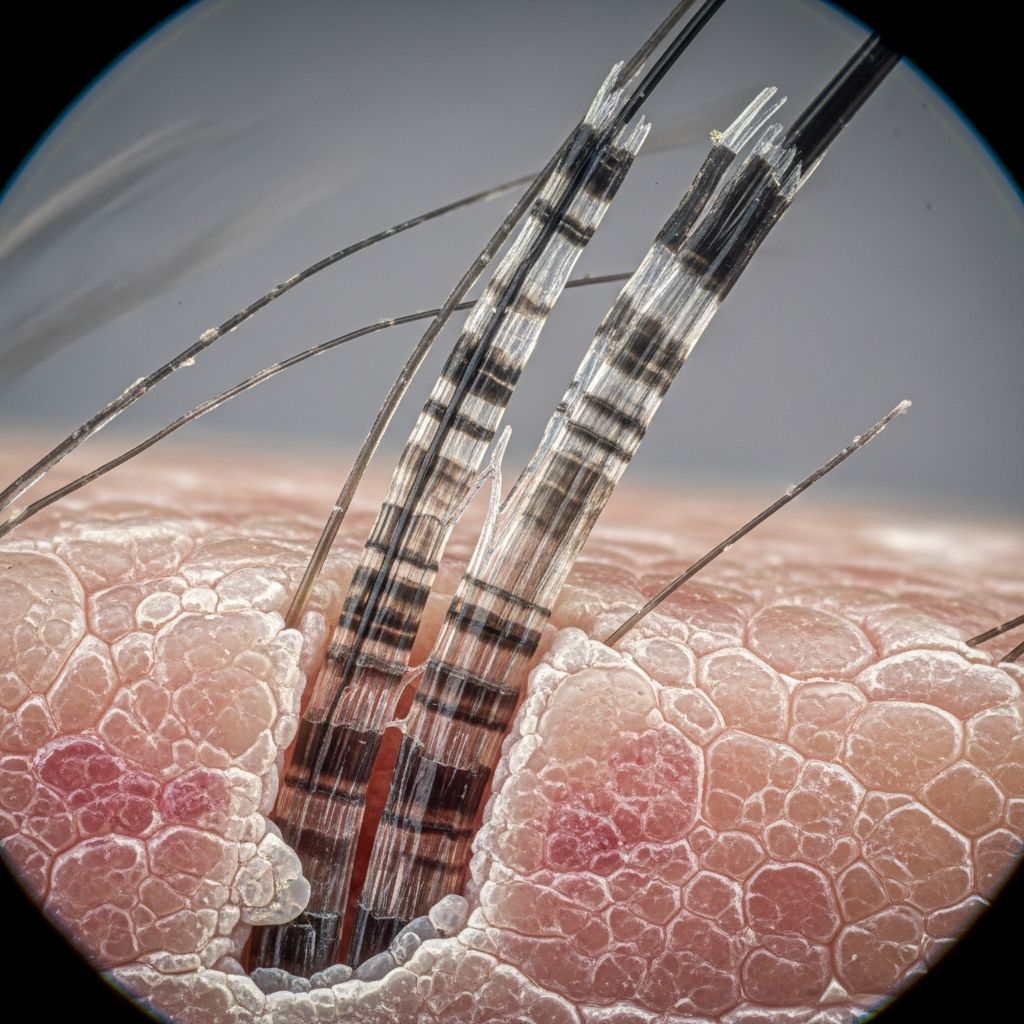
The hallmark diagnostic feature of TTD is the characteristic hair abnormality. Hair shafts are typically short, dry, unruly, and brittle, with a distinctive appearance under polarizing microscopy showing alternating dark and light bands in a “tiger-tail” pattern. Scanning electron microscopy reveals trichoschisis (hair shaft breaks) or trichorrhexis, along with an absent or defective cuticle. Hair amino acid analysis demonstrates significantly reduced cystine content, commonly reduced to less than half of normal values, accounting for the sulfur deficiency characterizing the condition.
Nail abnormalities frequently accompany the hair changes and may include nail dystrophy, brittleness, and poor growth. Patients often develop poorly formed teeth with thin, hypoplastic enamel, leading to recurrent dental caries and requiring extensive dental care including extractions and crowns.
Related Stories



Dermatological Manifestations
Other clinical features commonly include photosensitivity and ichthyosis. Many infants are born with a shiny, parchment-like skin covering called a collodion membrane, which peels off over several days to weeks. Throughout childhood and beyond, patients may develop dry, scaly skin (ichthyosis), which varies in severity among affected individuals. About half of TTD patients present with marked photosensitivity, manifesting as abnormal sensitivity to sunlight that can lead to severe sunburns, skin damage, and potentially increased cancer risk in severely affected individuals.
Neurological and Developmental Features
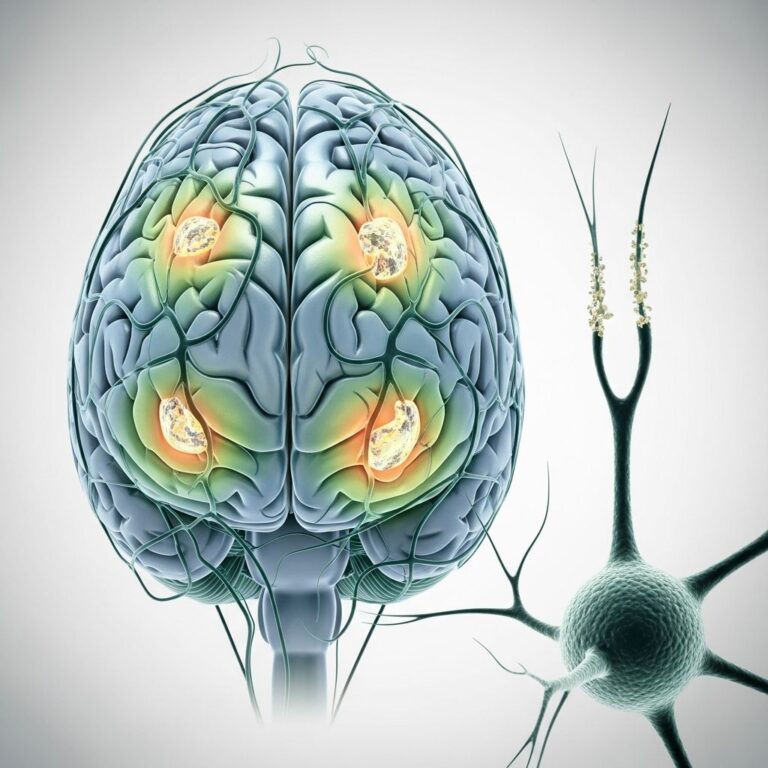
Most children and adults with TTD experience some degree of developmental delay and/or intellectual disability. Small head size (microcephaly) is commonly observed. Many children show delayed motor and speech milestones, not walking or talking at typical ages. Neuroimaging often reveals reduced myelin (white matter) in the brain and central nervous system. Myelin acts as an insulator around nerve sheaths, facilitating rapid nerve transmission, and its deficiency (dysmyelination) contributes to developmental and neurological complications.
Additional neurological features may include:
- Tremors and difficulty with fine and gross motor coordination
- Seizures (in a minority of patients)
- Hearing loss (usually secondary to recurrent ear infections rather than primary nerve deafness)
- Normal to preserved social and emotional functioning despite developmental delays
Despite cognitive and developmental challenges, individuals with TTD are characteristically outgoing, highly social, and engaging, maintaining positive interpersonal connections and emotional engagement.
Growth and Metabolic Features
Short stature with poor weight gain is typical, reflecting systemic growth retardation. Birth complications are common, with many patients born prematurely and with low birth weight. Maternal pregnancy complications often precede delivery, including polyhydramnios and other obstetric abnormalities.
Hematological Abnormalities
Patients may exhibit abnormal red blood cells, including cells smaller than normal (microcytic), and elevated levels of hemoglobin A2, a protein variant found in red blood cells. These hematological changes do not typically require specific intervention but may contribute to general systemic involvement.
Skeletal and Dental Complications
TTD patients present with unusual and complex skeletal findings. They characteristically have thick, dense bones (osteosclerosis) in the central skeleton, including the skull, spine, and pelvis, while simultaneously having thinner bone (osteopenia) in peripheral bones of the lower arms, hands, and feet. This paradoxical bone density distribution is distinctive for the condition.
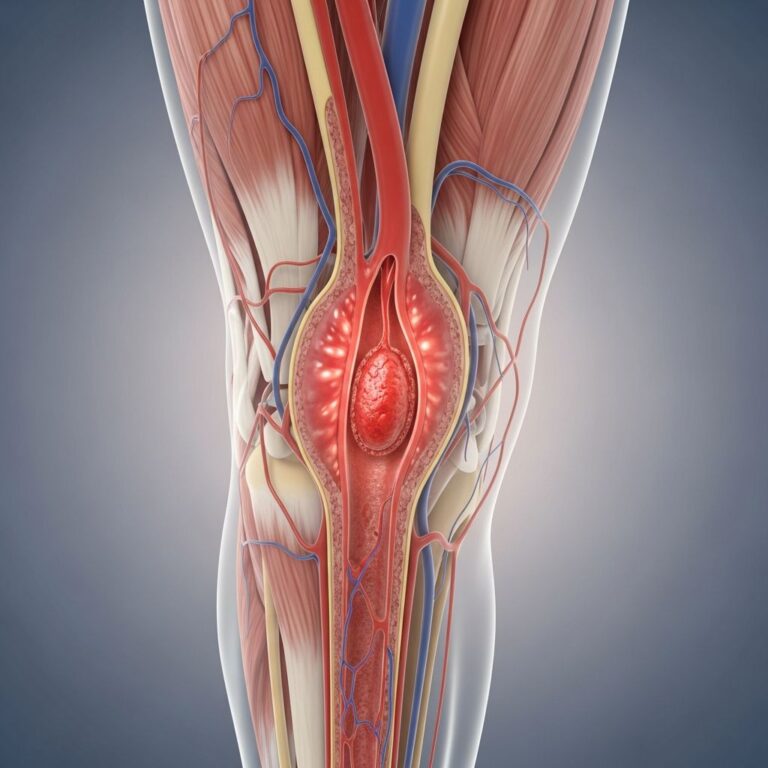
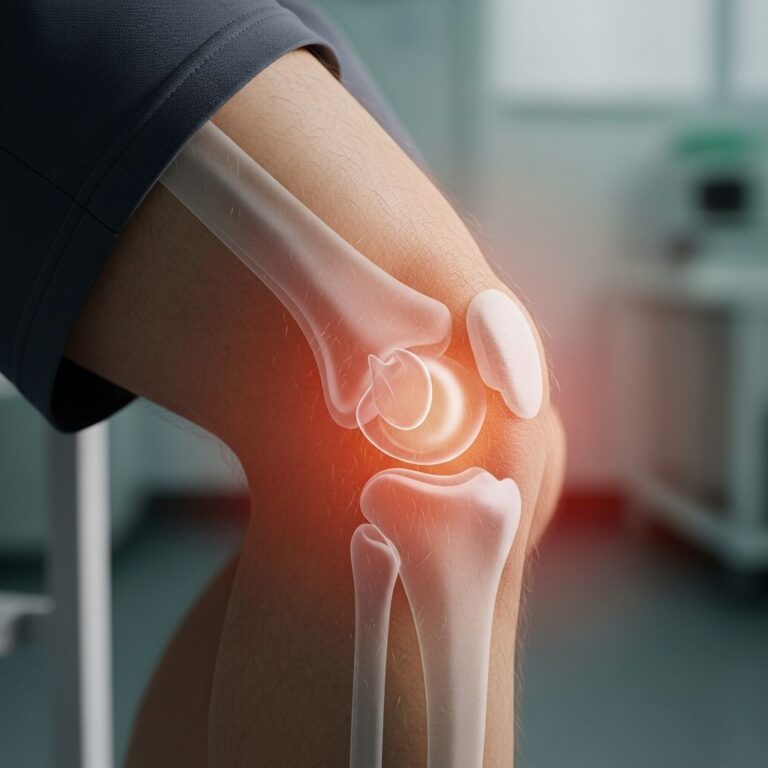
A particularly serious complication occurs in some TTD patients with mutations in the XPD/ERCC2 gene, who develop debilitating hip degeneration, including avascular necrosis of the femoral head. This can cause severe pain, inability to walk, and significantly impaired quality of life, requiring surgical intervention and specialized orthopedic management.
Reproductive and Endocrine Features
Decreased fertility affects many TTD patients. Males may develop cryptorchidism, where testes fail to descend into the scrotum, typically requiring surgical correction. Females may have sparse breast tissue development despite normal nipple development. Some TTD females have experienced normal menstruation, and pregnancy, while rare, is possible.
Diagnosis and Diagnostic Findings
TTD diagnosis combines clinical observation, microscopic analysis, and molecular confirmation. The primary diagnostic findings include:
- Short, unruly, brittle hair with tiger-tail banding pattern under polarizing microscopy
- Trichoschisis (hair shaft breaks) or trichorrhexis visible on microscopic examination
- Absent or defective hair cuticle on scanning electron microscopy
- Reduced cystine content in hair shaft amino acid analysis (typically less than 50% of normal)
- Unscheduled DNA synthesis (UDS) testing to identify photosensitive forms with DNA repair defects
- Molecular confirmation through genetic testing identifying specific gene mutations
TTD diagnosis can be challenging due to symptom variability and similarity to other conditions. Early diagnosis requires a high index of clinical suspicion, particularly when characteristic hair findings are present alongside developmental delays, ichthyosis, or photosensitivity. Brain imaging via MRI often demonstrates characteristic white matter abnormalities supporting diagnosis.
Differential Diagnoses
Several conditions present with similar features and must be distinguished from TTD. Netherton syndrome is a rare autosomal-recessive condition characterized by a triad of inflammatory and scaly skin lesions, the characteristic hair-shaft abnormality trichorrhexis invaginata (bamboo hair), and increased incidence of allergic diseases including food allergy, urticaria, and atopic dermatitis. However, the specific hair findings differ from TTD’s tiger-tail pattern and sulfur deficiency.
Xeroderma Pigmentosum (XP), particularly type D, shares DNA repair defects with photosensitive TTD forms, creating diagnostic overlap. However, XP typically presents with progressive neurodegeneration, whereas TTD shows developmental delay without progressive neurological decline. Patients with TTD who recover from infections typically regain functional abilities, whereas XP patients demonstrate progressive deterioration.
Other differential diagnoses to consider include Cockayne syndrome, trichorrhexis nodosa from other causes, and various ichthyoses presenting with hair abnormalities.
Complications and Life-Threatening Concerns
TTD patients face several significant complications that impact survival and quality of life. Recurrent infections, particularly respiratory infections, represent a major cause of morbidity and mortality. Minor infections may lead to prolonged illness requiring hospitalization or intensive care unit management. Importantly, recovery from infections typically allows functional improvement and regaining of abilities, distinguishing TTD from progressive neurodegenerative conditions.
However, repeated infections can interfere with normal development, and the cumulative burden of infection-related hospitalizations and functional regressions significantly impacts long-term outcomes. TTD patients have markedly reduced life expectancy, primarily related to increased infection risk and complications from multisystem involvement.
Treatment and Management
TTD management is primarily symptomatic and supportive, addressing specific complications as they arise. No curative treatment currently exists for the underlying genetic defect. Management approaches include:
- Photosensitivity management: Strict photoprotection with high-SPF sunscreens, protective clothing, and avoidance of sun exposure for photosensitive patients
- Skin care: Regular moisturizing and emollients to manage ichthyosis and dry skin
- Hair care: Gentle handling to minimize hair breakage, avoiding harsh treatments
- Dental care: Regular dental evaluation and intervention to address enamel hypoplasia and prevent caries
- Infection prevention: Prompt recognition and aggressive treatment of infections; consideration of immunizations and prophylactic measures
- Orthopedic management: Specialized care for hip degeneration and bone abnormalities when present
- Developmental support: Early intervention services, educational support, and therapeutic interventions to maximize developmental potential
- Endocrinological monitoring: Assessment and management of growth, reproductive function, and other endocrine concerns
Multidisciplinary care involving dermatologists, geneticists, pediatricians, neurologists, orthopedists, and other specialists ensures comprehensive management of this complex condition.
Outcome and Prognosis
The outcome of TTD varies widely depending on disease severity, specific gene mutations, photosensitivity status, and presence of serious complications like hip degeneration or severe immunodeficiency. Mild cases may involve primarily hair abnormalities with minimal systemic impact. More severe cases cause profound developmental delay, significant intellectual disability, and recurrent life-threatening infections; severely affected individuals may survive only into infancy or early childhood.
TTD patients generally have reduced life expectancy compared to the general population, with infection risk and complications from multisystem involvement being primary contributing factors. However, many patients survive into adolescence and adulthood with appropriate supportive care and infection management.
Frequently Asked Questions
Q: Is trichothiodystrophy inherited?
A: Yes, TTD is inherited in an autosomal-recessive pattern. Both parents must carry a mutated gene for a child to be affected. Each parent is typically an asymptomatic carrier.
Q: Can trichothiodystrophy be cured?
A: Currently, there is no cure for TTD. Treatment is supportive and symptomatic, addressing specific complications as they arise. Genetic counseling is recommended for affected families.
Q: What causes the “tiger-tail” hair pattern in TTD?
A: The distinctive tiger-tail pattern of alternating light and dark bands is visible under polarizing microscopy and reflects the structural abnormality of the hair shaft due to sulfur deficiency and defective cuticle formation.
Q: Are all TTD patients photosensitive?
A: No. Approximately half of TTD patients have marked photosensitivity due to DNA repair defects. The other half lack photosensitivity. Classification now distinguishes TTD-P (photosensitive) from non-photosensitive forms.
Q: What is the life expectancy for someone with TTD?
A: Life expectancy varies widely depending on disease severity and complications. Some individuals survive into adolescence and adulthood with appropriate care, while severely affected individuals may not survive early childhood. Recurrent infections and multisystem involvement significantly impact survival.
References
- Trichothiodystrophy — Orphanet (ORPHA:33364). 2024. https://www.orpha.net/en/disease/detail/33364
- Trichothiodystrophy – Symptoms, Causes, Treatment — National Organization for Rare Disorders (NORD). 2024. https://rarediseases.org/rare-diseases/ichthyosis-trichothiodystrophy/
- Trichothiodystrophy — Foundation for Ichthyosis & Related Skin Conditions. 2024. https://www.firstskinfoundation.org/types-of-ichthyosis/trichothiodystrophy
- Trichothiodystrophy – Genetics — MedlinePlus, U.S. National Library of Medicine. 2024. https://medlineplus.gov/genetics/condition/trichothiodystrophy/
- Definition of trichothiodystrophy — NCI Dictionary of Cancer Terms, National Cancer Institute. 2024. https://www.cancer.gov/publications/dictionaries/cancer-terms/def/trichothiodystrophy
Similar Articles








Read full bio of Sneha Tete