Trichotillomania Images: 8 Clinical Regrowth Outcomes
Clinical images and detailed descriptions of trichotillomania manifestations across scalp, eyebrows, eyelashes, and body hair pulling.
Author: Dr. Amanda Oakley, Dermatologist, Hamilton, New Zealand.
Trichotillomania, also known as hair-pulling disorder, is a body-focused repetitive behaviour (BFRB) characterised by the repetitive pulling out of one’s own hair, resulting in hair loss and noticeable alopecia. It is classified as an obsessive-compulsive and related disorder in DSM-5. This image gallery presents clinical photographs of trichotillomania affecting various body sites, demonstrating the diverse patterns of hair loss and associated skin changes.
What is trichotillomania?
Trichotillomania (TTM) involves irresistible urges to pull out hair from the scalp, eyelashes, eyebrows, beard, or other body areas. The behaviour provides temporary relief from tension but leads to distress, impaired social or occupational functioning, and characteristic alopecia. Prevalence is estimated at 1-2% in the general population, with higher rates among women seeking treatment, though it affects both genders equally in childhood. Genetic factors, neurotransmitter imbalances (serotonin, dopamine, glutamate), stress, and environmental triggers contribute to its aetiology.
Who gets trichotillomania?
TTM typically onset between ages 9-13 years, with a second peak in early adulthood. It affects children, adolescents, and adults of all ages. While more women present for treatment, men may underreport due to stigma. Risk factors include family history of TTM or OCD-spectrum disorders, childhood trauma, and co-existing anxiety or mood disorders (40-60% comorbidity with depression).
Clinical features of trichotillomania
Hair pulling episodes vary from brief seconds to hours, often automatic or focused. Patients may select specific hair textures (coarse, curly) and engage in rituals like examining, biting, or eating pulled hair (trichophagia in ~20%). Sites include scalp (most common), eyebrows, eyelashes, pubic, axillary, and beard areas. Complications encompass alopecia, scarring, infections, and gastrointestinal issues from trichobezoars (hairballs) in trichophagia cases.
- Scalp: Irregular patches of alopecia with broken hairs of uneven lengths, ‘tonsure’ pattern sparing occipital area.
- Eyebrows/eyelashes: Partial or total madarosis (loss of hairs).
- Beard/moustache: Patchy loss in men.
- Body hair: Pubic, axillary, or truncal alopecia.
Diagnosis of trichotillomania
Diagnosis relies on DSM-5 criteria: recurrent hair pulling causing distress/impairment, multiple failed cessation attempts, and exclusion of other medical/dermatological causes (e.g., alopecia areata, tinea capitis). Clinical evaluation includes history of pulling rituals, triggers, and comorbidities. Differential diagnosis: trichotemnomania (hair cutting), factitial dermatitis.
Treatment of trichotillomania
First-line therapy is habit reversal training (HRT), a cognitive-behavioural therapy (CBT) component involving awareness training, stimulus control, and competing responses (e.g., fist clenching). Comprehensive behavioural model (ComB) addresses multiple maintaining factors. Pharmacotherapy includes N-acetylcysteine (NAC, 1200-2400mg/day, glutamate modulator, 50-60% response), SSRIs, clomipramine, or naltrexone. Multidisciplinary care involves dermatologists, psychiatrists, psychologists.
| Treatment Type | Description | Efficacy |
|---|---|---|
| HRT/CBT | Awareness, competing responses, stimulus control | Gold standard, 60-80% improvement |
| NAC | Glutamate modulator supplement | 50-60% response rate |
| SSRIs/Clomipramine | Antidepressants targeting serotonin | Moderate, for comorbid anxiety |
| Naltrexone | Opioid antagonist reducing urges | Promising in studies |
Trichotillomania images
This section features high-resolution clinical images illustrating TTM manifestations. Images depict pre- and post-treatment cases where available, highlighting regrowth potential with intervention[original DermNet structure].
Areas affected by trichotillomania
- Scalp trichotillomania: Patchy alopecia with hairs of varying lengths, often frontal or vertex.
- Eyebrow trichotillomania: Unilateral or bilateral thinning/loss.
- Eyelash trichotillomania: Madarosis with sparing of inner lashes.
- Beard trichotillomania: Irregular patches in facial hair.
Related Stories



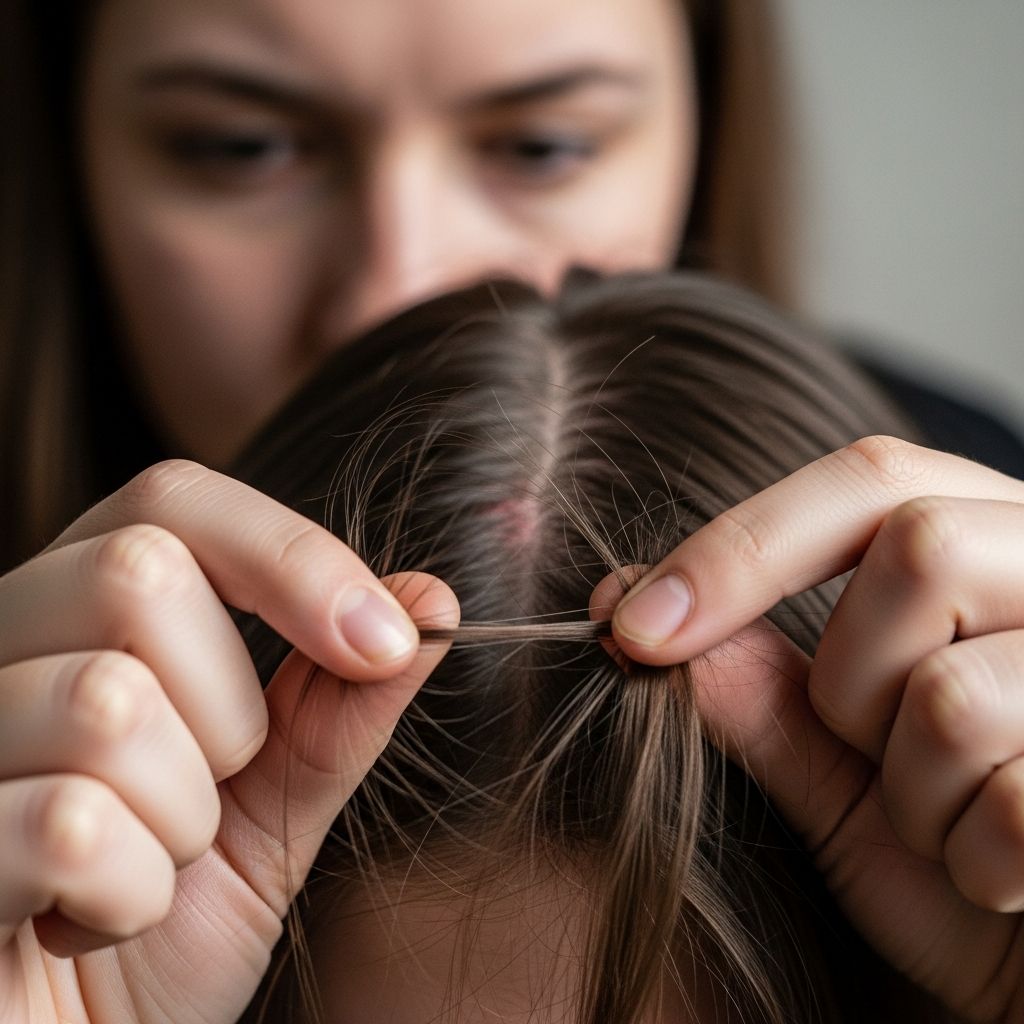
Image 1: Scalp trichotillomania in adolescent
A 14-year-old female with irregular alopecia on the scalp vertex. Broken hairs of different lengths are evident, with preserved follicular openings indicating non-scarring aetiology. Pulling focused on coarse hairs.
Image 2: Frontal scalp trichotillomania
Adult male showing ‘tonsure-like’ pattern with sparing of occipital scalp due to difficult reach. Skin shows mild erythema from repetitive trauma.
Image 3: Eyebrow trichotillomania
Partial loss of right eyebrow in a young woman, with ritualistic pulling creating angular defects.
Image 4: Bilateral eyelash madarosis
Complete loss of upper eyelashes bilaterally in a child, demonstrating rapid regrowth potential post-HRT.
Image 5: Beard trichotillomania
Male patient with patchy alopecia on chin and moustache area, co-existing with nail biting.
Image 6: Pubic hair trichotillomania
Adult female with total pubic hair loss, associated with trichophagia and abdominal pain (suspected trichobezoar).
Image 7: Axillary trichotillomania
Unilateral axillary alopecia in adolescent, triggered by stress.
Image 8: Post-treatment regrowth
Scalp regrowth after 6 months of HRT and NAC therapy, showing near-complete hair restoration.
Related topics
- Alopecia areata
- Body focused repetitive behaviour
- Excoriation (skin picking) disorder
- Trichotemnomania
- Onychophagia (nail biting)
Frequently asked questions about trichotillomania
Q1: Is trichotillomania curable?
A: TTM is manageable with therapy like HRT achieving long-term remission in many, though chronic waxing/waning occurs. Early intervention improves prognosis.
Q2: Does hair grow back after trichotillomania?
A: Yes, in most non-scarring cases, hair regrows within months of cessation, though texture may change temporarily.
Q3: Can medication alone treat trichotillomania?
A: Medications like NAC support but are less effective standalone; combine with behavioural therapy for best outcomes.
Q4: What triggers trichotillomania episodes?
A: Stress, boredom, hormonal changes, and privacy enable pulling. Awareness training helps identify personal triggers.
Q5: How is trichotillomania diagnosed?
A: Based on DSM-5 criteria, clinical history, and ruling out dermatoses via dermoscopy or biopsy if needed.
Q6: Can children have trichotillomania?
A: Yes, onset often pre-adolescent; family support and paediatric CBT are key.
This article was last reviewed on 29 January 2026. Original content inspired by DermNet NZ trichotillomania images page, expanded with evidence-based insights.
References
- Treatment for Trichotillomania: Habit Reversal Therapy — Baker Center. 2023. https://www.bakercenter.org/trich-3
- Trichotillomania – StatPearls — NCBI Bookshelf. 2023-11-03. https://www.ncbi.nlm.nih.gov/books/NBK493186/
- What Is Trichotillomania? – Symptoms, Causes, & Treatment — The Recovery Village. 2024. https://www.therecoveryvillage.com/mental-health/trichotillomania/
- Trichotillomania – Facts and Treatment — Anxiety and Depression Association of America (ADAA). 2023. https://adaa.org/learn-from-us/from-the-experts/blog-posts/professional/trichotillomania-facts-and-treatment
- Trichotillomania (hair-pulling disorder) – Symptoms and causes — Mayo Clinic. 2023-11-22. https://www.mayoclinic.org/diseases-conditions/trichotillomania/symptoms-causes/syc-20355188
- Trichotillomania (hair pulling disorder) — NHS UK. 2023. https://www.nhs.uk/mental-health/conditions/trichotillomania/
Similar Articles








Read full bio of Sneha Tete