Trichotillomania: Key Insights On Symptoms & Treatment In 2025
Understanding trichotillomania: symptoms, causes, diagnosis, and effective treatments for hair-pulling disorder.
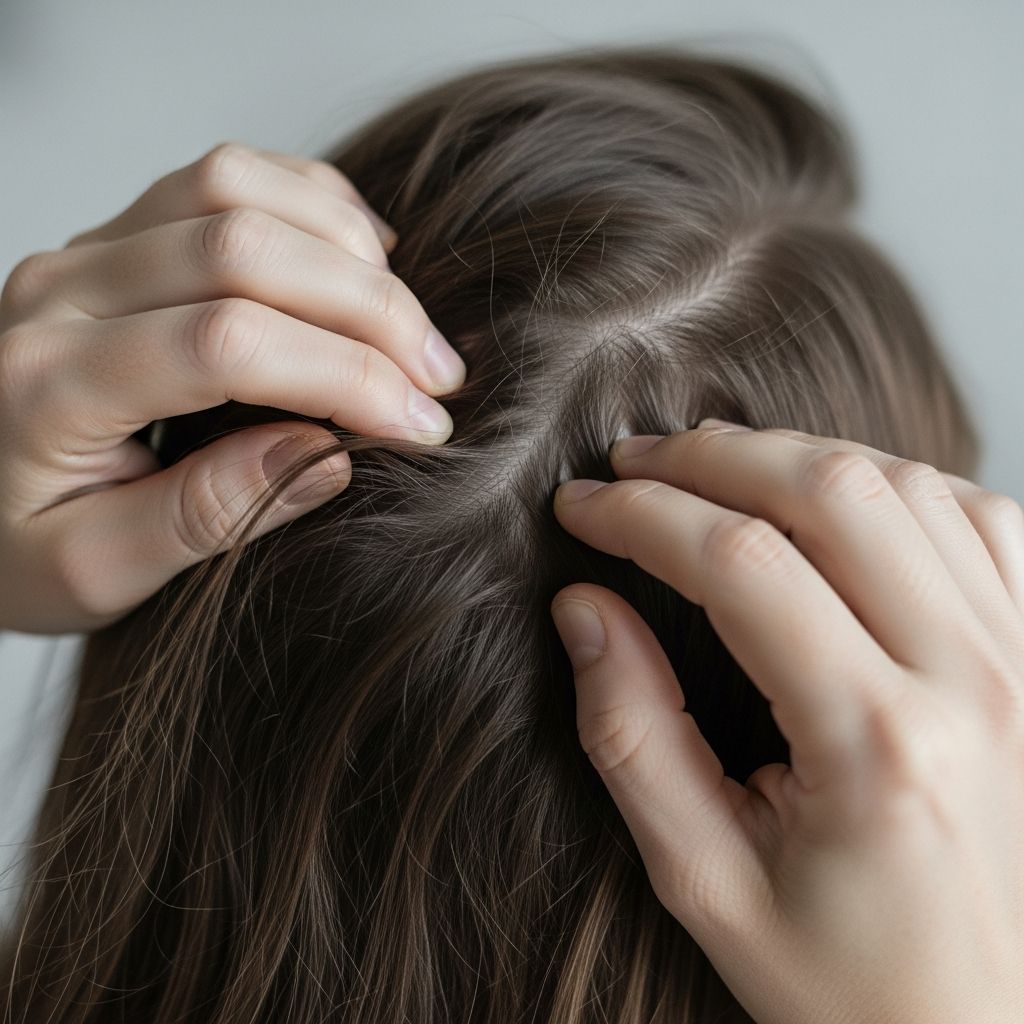
Trichotillomania, commonly known as hair-pulling disorder, is a mental health condition classified as an obsessive-compulsive or related disorder characterized by recurrent, irresistible urges to pull out hair from the scalp, eyebrows, eyelashes, or other body areas, leading to noticeable hair loss. This body-focused repetitive behavior affects approximately 1-4% of the population, predominantly females, and often begins in childhood or early adolescence, causing significant emotional distress, social stigma, and physical complications like trichobezoars if hair is ingested.
What Is Trichotillomania?
Defined in the DSM-5 as a disorder involving repeated hair pulling resulting in hair loss, trichotillomania (TTM) manifests as nonscarring patchy alopecia with irregular patterns, often denied by patients. The condition overlaps with other impulsive behaviors like skin-picking and nail-biting, and in over 20% of cases, trichophagia (eating pulled hair) leads to trichobezoars—hairballs that can cause gastrointestinal issues or rare Rapunzel syndrome with intestinal obstruction. Historically noted since ancient Greece, TTM gained its name in the 18th century and presents psychosocial challenges underestimated in literature.
Hair pulling can be automatic (unconscious) or focused (intentional), targeting accessible sites like the scalp (most common), eyebrows, eyelashes, pubic area, or forearms. The frontoparietal scalp region is frequently affected, producing bizarre-shaped bald patches with short, broken hairs and a negative hair pull test.
Symptoms and Signs of Trichotillomania
Symptoms typically emerge before age 17, often between 10-13 years, though infantile cases may resolve spontaneously. Key signs include:
- Recurrent pulling or twisting of hair until it breaks, creating uneven bald patches or diffuse thinning.
- Increasing tension or anxiety before pulling, followed by relief, pleasure, or gratification afterward.
- Bare spots with stubble-like regrowth, constant tugging, and denial of the behavior.
- Associated issues like depression, anxiety, poor self-image, or other self-injurious behaviors.
Clinically, it appears as irregular nonscarring alopecia; trichoscopy reveals black dots, broken shafts of varying lengths, yellow dots, melanin casts, trichomalacia (dysmorphic hairs), and increased catagen/telogen follicles without inflammation. Complications encompass skin infections, scarring, permanent hair loss, and bowel obstruction from hairballs.
Causes and Risk Factors
The exact causes of trichotillomania remain unclear but involve genetic, neurobiological, and environmental factors as an impulse control disorder. It affects up to 4% of people, with women four times more likely than men. Risk factors include:
- Age: Peak onset in early teens; lifelong if untreated.
- Mental health comorbidities: Often co-occurs with OCD, depression, anxiety.
- Family history: Genetic predisposition suggested.
- Stress: Used to self-soothe anxiety or boredom.
Neuroimaging implicates basal ganglia dysfunction, similar to OCD. Unlike other alopecias, follicle density remains normal.
Types and Variants of Trichotillomania
Beyond classic pulling, variants include:
- Trichoteiromania: Compulsive scalp rubbing/scratching causing breakage, with scaling, lichenification, broom hairs, proximal trichorrhexis nodosa on trichoscopy; linked to itchy conditions like lichen simplex.
- Trichotemnomania: Hair loss from cutting/shaving; scalp appears healthy otherwise, trichoscopy shows short broken hairs without follicle loss.
- Trichodaganomania: Biting accessible hairs (e.g., forearms), not scalp; provides gratification like pulling.
- Others: Telogen mania (telogen hair focus), trichophobia (fear-driven).
Diagnosis of Trichotillomania
Diagnosis relies on DSM-5 criteria: recurrent pulling causing distress/impairment, not due to another condition, with failed resistance attempts. Differential includes alopecia areata, tinea capitis, traction alopecia, telogen effluvium. Trichoscopy is key, distinguishing with broken hairs, black/yellow dots vs. exclamation marks in alopecia areata. No lab tests needed; rule out medical causes.
Related Stories



Treatment and Management
Multifaceted approach involves therapy, meds, and support; no cure, but remission possible.
Therapy
Cognitive Behavioral Therapy (CBT) with Habit Reversal Training (HRT)—awareness training, competing responses—is first-line, effective in reducing pulling. Acceptance and Commitment Therapy (ACT) also helps.
Medications
No FDA-approved drugs; off-label options:
| Medication | Use | Evidence |
|---|---|---|
| N-acetylcysteine (NAC) | Glutamate modulator | Promising in trials |
| SSRIs (e.g., fluoxetine) | Anxiety/OCD symptoms | Mixed results |
| Clomipramine | Tricyclic antidepressant | Some benefit |
| Antipsychotics (low-dose) | Impulse control | Anecdotal |
Address comorbidities; behavioral strategies like fidget toys aid.
Lifestyle and Support
- Stress reduction: mindfulness, exercise.
- Avoid triggers: hats, boredom.
- Support groups: TrichStop, TLC Foundation.
Complications and Prognosis
Untreated, leads to scarring, infections, trichobezoars (requiring surgery), social withdrawal. Prognosis improves with early CBT; chronic but manageable.
Frequently Asked Questions (FAQs)
What is trichotillomania?
A disorder of irresistible hair pulling causing alopecia, classified under OCD-related conditions.
Who gets trichotillomania?
Mostly females, onset before 17; up to 4% prevalence.
Is trichotillomania curable?
Not curable but treatable with CBT/HRT; many achieve remission.
Can trichotillomania cause serious health issues?
Yes, including hairballs, blockages, infections.
How is trichotillomania diagnosed?
Via history, exam, trichoscopy; DSM-5 criteria.
This overview equips individuals with knowledge for seeking help. Consult professionals for personalized care.
References
- Trichotillomania: What Do We Know So Far? — PMC – NIH. 2022. https://pmc.ncbi.nlm.nih.gov/articles/PMC8787581/
- Trichotillomania — MedlinePlus Medical Encyclopedia. Accessed 2026. https://medlineplus.gov/ency/article/001517.htm
- Learn About Trichotillomania: The “Hair Pulling” Disorder — Baker Center. Accessed 2026. https://www.bakercenter.org/trich-2
- Trichotillomania — StatPearls – NCBI Bookshelf – NIH. 2023. https://www.ncbi.nlm.nih.gov/books/NBK493186/
- Trichotillomania (hair-pulling disorder) – Symptoms and causes — Mayo Clinic. 2023-11-22. https://www.mayoclinic.org/diseases-conditions/trichotillomania/symptoms-causes/syc-20355188
- Trichotillomania (Hair Pulling) — Adult Down Syndrome Center. 2025-04. https://adscresources.advocatehealth.com/resources/trichotillomania/
- Trichotillomania and its treatment: a review and recommendations — Taylor & Francis. 2011. https://www.tandfonline.com/doi/full/10.1586/ern.11.93
Similar Articles








Read full bio of medha deb