Trichotillomania: 8 Insights On Symptoms, Causes & Treatment
Understanding trichotillomania: causes, symptoms, diagnosis, and effective treatments for compulsive hair pulling disorder.
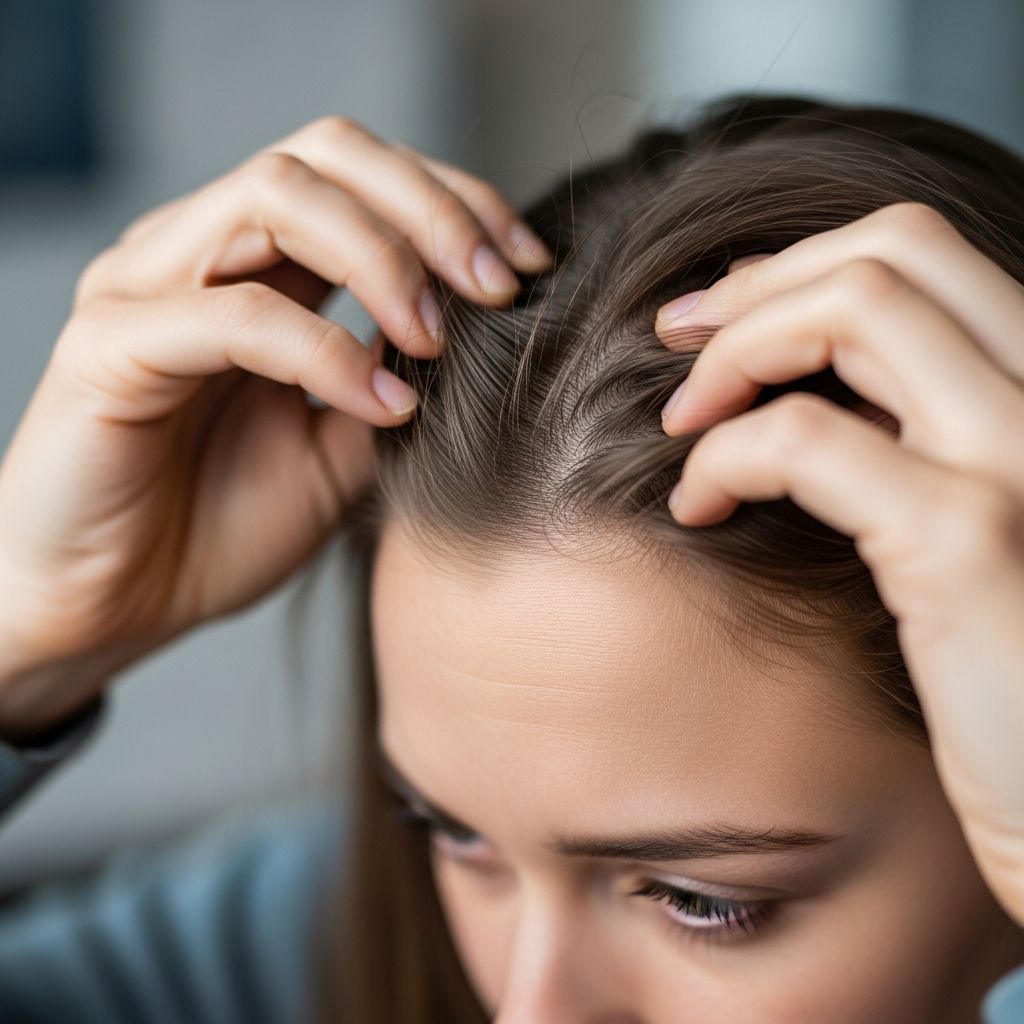
What is trichotillomania?
Trichotillomania, also known as hair-pulling disorder, is a mental health condition classified as a body-focused repetitive behaviour (BFRB) disorder. It is characterized by the recurrent pulling out of one’s own hair, resulting in hair loss and significant distress or impairment in daily functioning. Individuals with trichotillomania experience an intense urge to pull hair from any part of the body, most commonly the scalp, eyebrows, eyelashes, or pubic area. This urge builds tension that is relieved only upon pulling, often followed by feelings of guilt or shame.
The disorder affects approximately 1-2% of the general population, with a higher prevalence in women seeking treatment, though it occurs equally in both genders during childhood. Onset typically happens in adolescence, but it can begin in early childhood or adulthood. Trichotillomania is chronic if untreated, with periods of exacerbation triggered by stress and spontaneous remission in some cases.
Who gets trichotillomania?
Trichotillomania can affect individuals of any age, gender, or background, but certain patterns emerge from clinical observations. It often starts between ages 9 and 13, coinciding with puberty, though childhood onset (before age 6) and adult onset are also reported. Females are more likely to seek treatment (up to 90% of clinical cases), possibly due to greater concern over appearance, but community studies show similar rates in males and females.
- Prevalence: Lifetime prevalence is 1-3%, with higher rates in those with family history of similar disorders.
- Risk groups: People with family history of trichotillomania, OCD, or other BFRBs; those exposed to high stress or trauma.
- Comorbidities: Common with anxiety (50%), depression (40-60%), OCD (20-30%), and other BFRBs like skin picking.
Genetic factors play a role, as first-degree relatives have higher risk, supported by twin studies showing heritability.
Clinical features of trichotillomania
The hallmark of trichotillomania is repetitive hair pulling that leads to noticeable hair loss. Pulling episodes can last seconds to hours and may be automatic (unconscious) or focused (deliberate with rituals). Common sites include scalp, eyebrows, eyelashes, beard, and pubic hair.
| Feature | Description |
|---|---|
| Behavioural symptoms | Urge to pull, tension before pulling, relief/pleasure after; rituals like examining, biting, or eating hair (trichophagia in 20%). |
| Physical signs | Bald patches, broken hairs of uneven length, perifollicular haemorrhage (red dots), nail-biting marks on fingers. |
| Associated habits | Using tools (tweezers), mouthing hair, avoidance of social situations due to shame. |
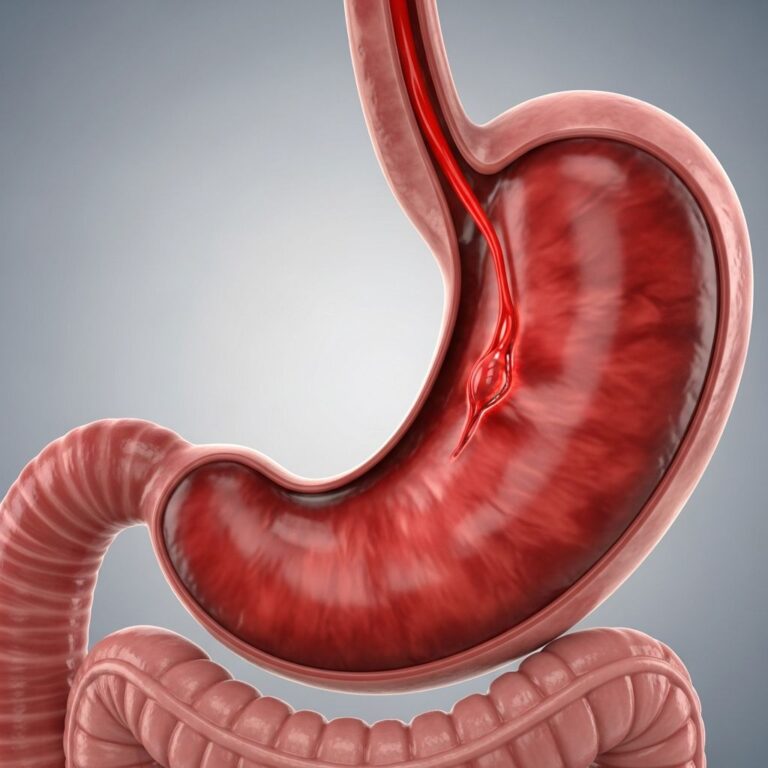
Emotional distress includes shame, low self-esteem, and anxiety. Complications range from infections and scarring to trichobezoars (hairballs) causing gastrointestinal obstruction in trichophagia cases.
Diagnosis of trichotillomania
Diagnosis relies on DSM-5 criteria: recurrent hair pulling causing distress/impairment, not due to another medical condition or substance, and not better explained by another disorder. Clinical evaluation includes history, observation of hair loss patterns (irregular, unlike alopecia areata), and ruling out dermatitis artefacta or tics.
- History: Onset, triggers, rituals, comorbidities.
- Examination: Patchy alopecia, hair mounts for length variation.
- Differentials: Alopecia areata (smooth patches), androgenetic alopecia, chemotherapy-induced loss.
No lab tests are diagnostic, but trichoscopy may aid differentiation.
Related Stories



What causes trichotillomania?
The exact cause is multifactorial, involving genetic, neurobiological, psychological, and environmental elements. No single factor explains all cases.
- Genetics: Heritable; twin studies show concordance; linked to OCD spectrum genes.
- Neurobiology: Dysregulation in serotonin, dopamine, glutamate systems; basal ganglia and frontal cortex involvement.
- Psychological: Stress, anxiety, perfectionism; often co-occurs with mood disorders.
- Environmental: Triggers like boredom, trauma, puberty; positive reinforcement from sensory relief.
It shares features with OCD but is distinct in lacking true obsessions.
Treatment of trichotillomania
Treatment is multimodal, focusing on therapy as first-line, with medications as adjuncts. Habit reversal training (HRT), a form of CBT, is the gold standard, effective in 50-90% of cases.
Psychological therapies
- HRT components: Awareness training, stimulus control, competing response training (e.g., fist clenching).
- CBT: Addresses triggers, cognitive distortions; includes acceptance and commitment therapy (ACT).
- Support: Diaries, trigger avoidance, family involvement.
Medications
No FDA-approved drugs, but evidence supports:
| Medication | Mechanism | Dose/Evidence |
|---|---|---|
| N-acetylcysteine (NAC) | Glutamate modulator | 1200-2400mg/day; 50-60% response. |
| SSRIs (e.g., fluoxetine) | Serotonin reuptake | Moderate benefit in severe cases. |
| Naltrexone | Opioid antagonist | 50-100mg/day; reduces urges. |
Antidepressants not routinely recommended unless comorbid depression.
Prevention of trichotillomania
Primary prevention is challenging due to unclear etiology, but early intervention in at-risk children (family history) with stress management helps. Secondary prevention involves prompt treatment to avoid chronicity and complications like scarring. Patient education on triggers and self-monitoring prevents relapse.
Trichotillomania FAQs
Q: Is trichotillomania curable?
A: Not always curable, but highly manageable with HRT/CBT; many achieve remission, though relapse can occur under stress.
Q: Does trichotillomania cause permanent baldness?
A: Possible if follicles are damaged long-term, but early treatment often allows regrowth.
Q: Can medication alone treat trichotillomania?
A: Rarely; therapy is essential, meds support in moderate-severe cases.
Q: Is trichotillomania related to OCD?
A: Similarities exist (grooming dysregulation), but classified separately; some respond to OCD treatments.
Q: How does stress affect trichotillomania?
A: Triggers or worsens episodes; stress reduction is key in management.
(Word count: 1678)
References
- Trichotillomania – StatPearls – NCBI Bookshelf — NCBI. 2023. https://www.ncbi.nlm.nih.gov/books/NBK493186/
- Trichotillomania (hair-pulling disorder) – Symptoms and causes — Mayo Clinic. 2023-11-22. https://www.mayoclinic.org/diseases-conditions/trichotillomania/symptoms-causes/syc-20355188
- What Is Trichotillomania? – Symptoms, Causes, & Treatment — The Recovery Village. 2023. https://www.therecoveryvillage.com/mental-health/trichotillomania/
- Treatment for Trichotillomania: Habit Reversal Therapy — Baker Center. 2023. https://www.bakercenter.org/trich-3
- Trichotillomania – Facts and Treatment — Anxiety and Depression Association of America (ADAA). 2023. https://adaa.org/learn-from-us/from-the-experts/blog-posts/professional/trichotillomania-facts-and-treatment
- Trichotillomania (hair pulling disorder) — NHS. 2023. https://www.nhs.uk/mental-health/conditions/trichotillomania/
Similar Articles








Read full bio of Sneha Tete