Tricyclic Antidepressants: Dermatology Uses & Management
Exploring tricyclic antidepressants' role in treating chronic pain, itch, and dermatological conditions with side effect considerations.

Tricyclic antidepressants (TCAs) such as
amitriptyline
andnortriptyline
are increasingly utilized in dermatology for managingchronic pain
anditch
(pruritus) associated with various skin conditions. These medications, originally developed for depression, exert their effects through modulation of neurotransmitters like serotonin and norepinephrine, providing relief in neuropathic pain syndromes common in dermatological practice.What are tricyclic antidepressants?
Tricyclic antidepressants are a class of medications characterized by their three-ring chemical structure. They primarily inhibit the reuptake of norepinephrine and serotonin in the central nervous system, leading to enhanced synaptic availability of these neurotransmitters. In dermatology, their
antihistaminic
,analgesic
, andantipruritic
properties are particularly valuable, often at lower doses than those used for psychiatric indications.Common TCAs include
amitriptyline
,nortriptyline
(active metabolite of amitriptyline with fewer side effects),doxepin
(noted for strong H1-antihistamine activity), imipramine, and desipramine. These agents are especially effective forsympathetically maintained pain (SMP)
, a type of neuropathic pain described as burning and triggered by non-painful stimuli.Who gets tricyclic antidepressant-induced skin reactions?
Skin reactions to TCAs are relatively uncommon but can affect anyone taking these medications, particularly with long-term use. Women appear more prone to certain reactions like
photo-distributed hyperpigmentation
, with a mean age of presentation around 55 years. Risk factors include prolonged exposure (mean 10.4 years for hyperpigmentation), higher doses (e.g., 222.7 mg daily imipramine), and fair skin types sensitive to photosensitivity.Patients with pre-existing skin conditions like atopic dermatitis or psoriasis may experience exacerbated symptoms, though TCAs can paradoxically treat these in some cases. Most individuals tolerate TCAs without cutaneous issues, with side effects like sweating or acne being more frequent than eczema-like reactions.
What skin conditions are treated with tricyclic antidepressants?
TCAs are beneficial for
chronic pain
andpruritus
in several dermatoses:- Postherpetic neuralgia: Burning pain following shingles resolution.
- Diabetic neuropathy: Peripheral nerve pain in diabetes.
- Notalgia paraesthetica: Itch and pain in the upper back due to nerve entrapment.
- Brachioradial pruritus: Arm itch from cervical spine issues.
- Pruritus ani: Anal itching, often neuropathic.
- Chronic urticaria: Doxepin excels due to antihistaminic effects.
- Atopic dermatitis and psoriasis: For associated itch and inflammation.
These conditions involve
neuropathic itch
or SMP, where TCAs reduce symptoms at low doses (e.g., 10-50 mg amitriptyline nightly). Studies show improvement in urticaria within hours to weeks, and in dermatitis/psoriasis over 3-6 weeks.How do tricyclic antidepressants work?
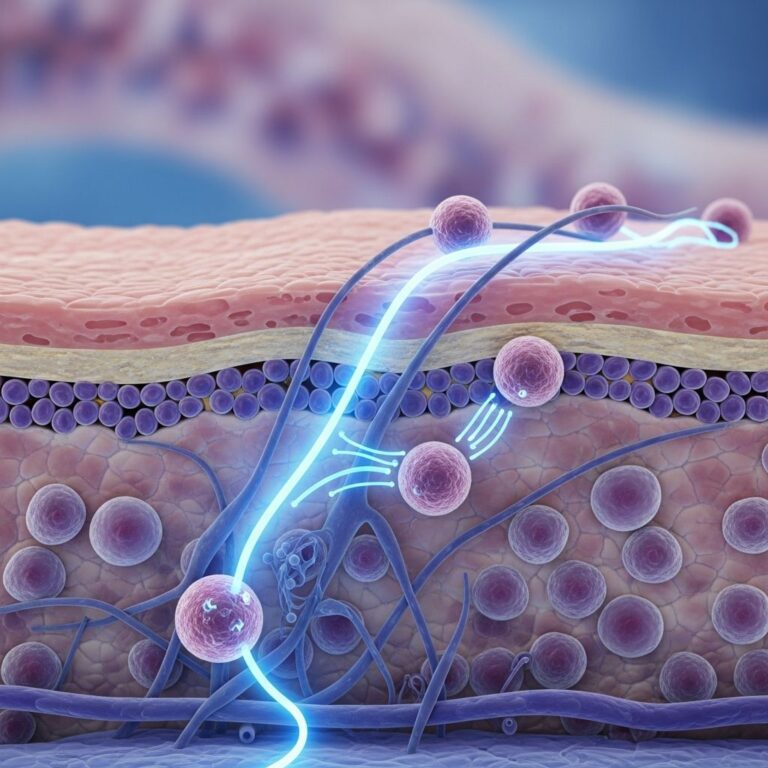
TCAs block reuptake of serotonin and norepinephrine, dampening pain and itch signals in the central nervous system. They also possess:
- Antihistaminic effects: Doxepin is a potent H1 blocker, rivaling hydroxyzine for urticaria.
- Sedative properties: Aid sleep-disrupted pruritus cycles.
- Anti-inflammatory effects: May reduce cytokine activity in inflammatory dermatoses.
For itch, TCAs suppress peripheral signals centrally, akin to ‘turning down the volume’ on itch perception. This is particularly useful in serotonin-mediated itch without elevating skin serotonin levels.
Related Stories



Clinical features and diagnosis of tricyclic antidepressant-induced skin reactions
Cutaneous adverse reactions include:
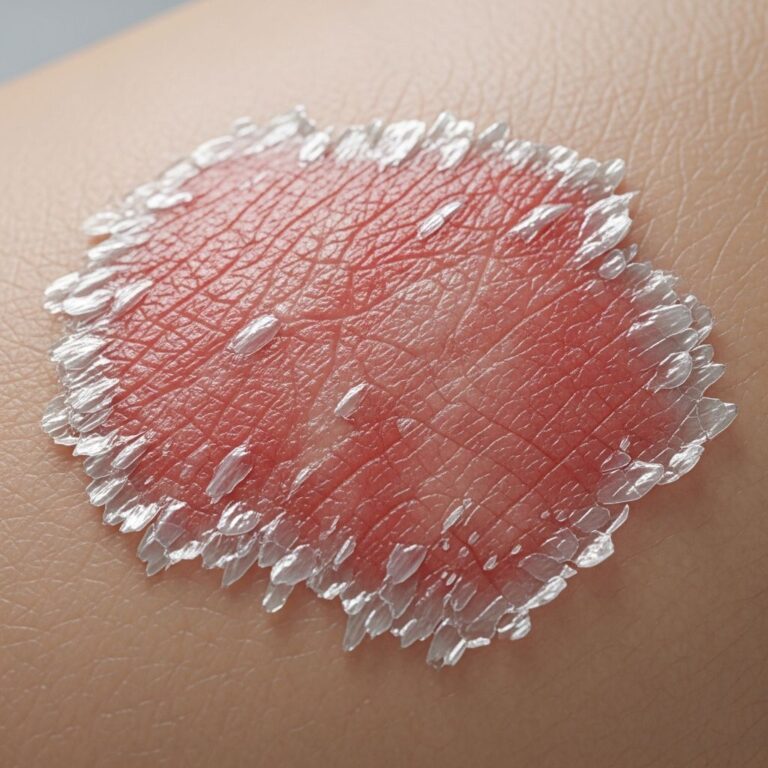
- Photosensitivity and hyperpigmentation: Slate-gray or blue-brown discoloration on sun-exposed areas (face, hands, V-neck), after years of use. Histology shows golden-brown dermal granules positive for Masson-Fontana and MEL-5 stains.
- Pruritus and eczema-like eruptions: Dry, itchy, inflamed skin, often mild and resolving spontaneously.
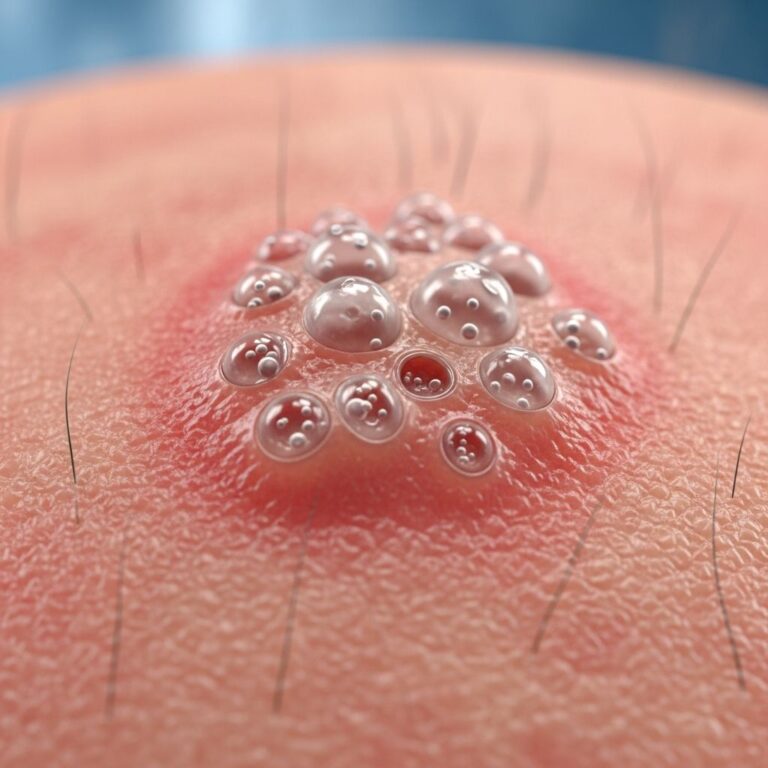
- Other reactions: Urticaria, maculopapular rashes, vasculitis, erythema multiforme, alopecia, increased sweating.
Diagnosis relies on temporal association, phototesting (if available), and biopsy for hyperpigmentation. Eczema typically emerges days after starting therapy.
Imipramine-induced photosensitivity
Imipramine is most implicated (81% of cases), causing
TCA-induced photosensitivity (TIPS)
with asymptomatic hyperpigmentation on exposed sites after prolonged use. Our systematic review identified 21 such cases, predominantly in females. Phototesting post-discontinuation normalizes.Management of tricyclic antidepressant-induced skin reactions
- Discontinuation: Often leads to resolution; hyperpigmentation fades slowly.
- Sun protection: Broad-spectrum sunscreen, clothing for photosensitivity.
- Topical treatments: Emollients, mild steroids for eczema.
- Switch agents: To SSRIs if TCA side effects intolerable.
For therapeutic use, start low (10-25 mg) and titrate. Monitor ECG in cardiac risk patients due to anticholinergic effects.
| Drug | Dose Range (mg/day) | Key Benefits | Side Effects |
|---|---|---|---|
| Amitriptyline | 10-75 | Neuropathic pain, pruritus | Sedation, dry mouth |
| Nortriptyline | 25-100 | Less sedating | Anticholinergic |
| Doxepin | 10-50 | Urticaria (antihistaminic) | Strong sedation |
| Imipramine | 50-200 | Pain relief | Photosensitivity risk |
Frequently asked questions
Q: Can antidepressants like TCAs cause eczema?
A: Rarely, TCAs may trigger mild eczema-like symptoms shortly after initiation, but they often resolve without stopping the drug. SSRIs are less likely.
Q: Are TCAs safe for long-term use in skin conditions?
A: Yes, at low doses for pruritus/pain, with monitoring for side effects like photosensitivity after years.
Q: How quickly do TCAs relieve itch?
A: Benefits can start within hours for urticaria, 3-6 weeks for dermatitis/psoriasis.
Q: What if hyperpigmentation develops?
A: Discontinue if possible, use sun protection; biopsy confirms diagnosis.
Q: Which TCA is best for chronic urticaria?
A: Doxepin, due to potent antihistamine action.
This comprehensive overview expands on TCA applications, drawing from clinical evidence to guide dermatologic practice. (Word count: 1678)
References
- Can Antidepressants Cause Eczema? 6 FAQs — Healthline. 2023. https://www.healthline.com/health/eczema/can-antidepressants-cause-eczema
- Tricyclic antidepressant‐induced photosensitivity; A case report and systematic review — Wiley Online Library. 2021-06-08. https://onlinelibrary.wiley.com/doi/abs/10.1111/phpp.12724
- Tricyclic antidepressants — DermNet NZ. 2023. https://dermnetnz.org/topics/tricyclic-antidepressants
- Antidepressant Drugs in Dermatology — Skin Therapy Letter. 2022. https://www.skintherapyletter.com/ideas/antidepressant-drugs/
- Psychotropic Drugs in Dermatology Part 1: Anti-depressants — PMC (NCBI). 2024. https://pmc.ncbi.nlm.nih.gov/articles/PMC11784973/
- Antidepressants have Anti-inflammatory Effects that may be Beneficial in Common Inflammatory Skin Disorders — Medical Journals (Acta). 2023. https://www.medicaljournals.se/acta/content/html/10.2340/00015555-2702
Similar Articles








Read full bio of Sneha Tete