Trigeminal Neuralgia: Causes, Symptoms, and Treatment
Understand trigeminal neuralgia: A comprehensive guide to symptoms, causes, diagnosis, and effective treatment options.
Trigeminal Neuralgia: Understanding a Debilitating Facial Pain Condition
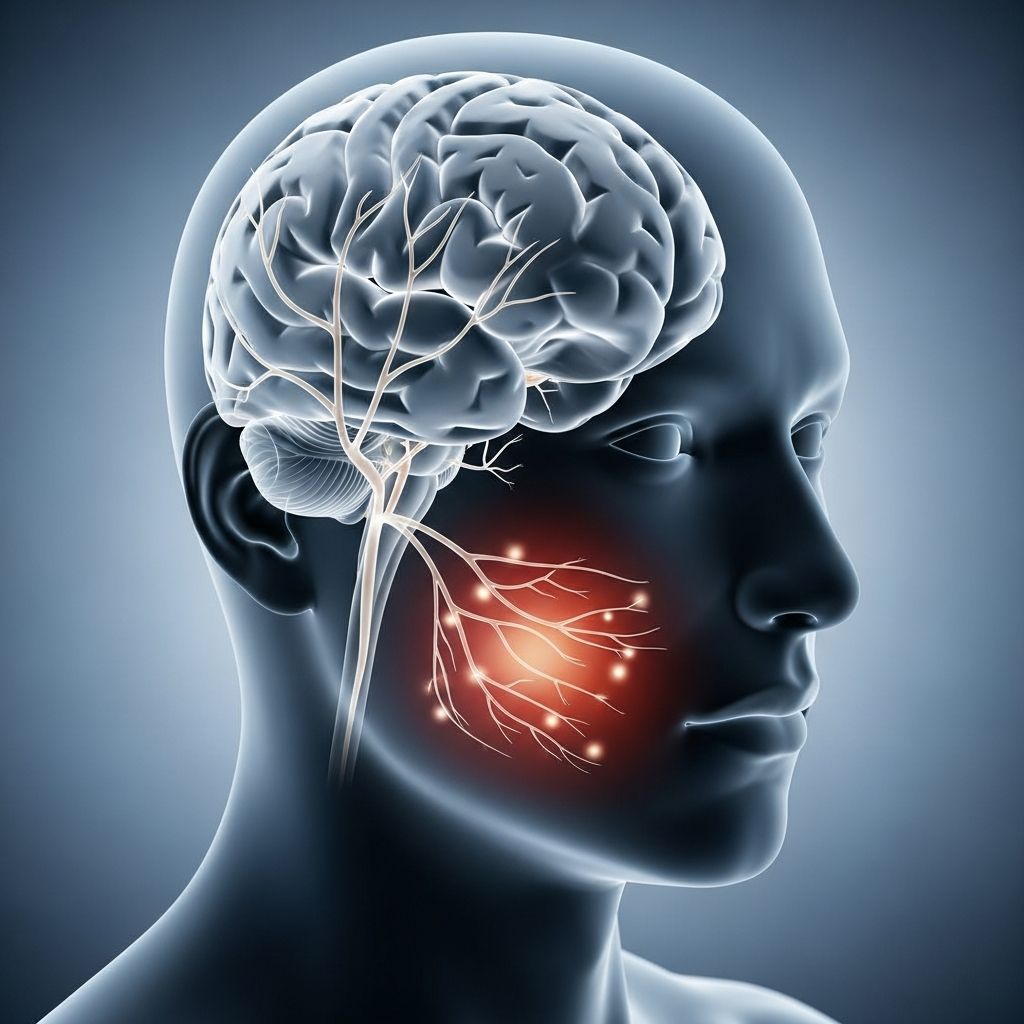
Trigeminal neuralgia is a chronic pain condition that affects the trigeminal nerve, one of the largest nerves in the face. This nerve is responsible for transmitting sensation from your face to your brain. When the trigeminal nerve becomes irritated or damaged, it can cause intense, shooting pain that feels like an electric shock. The pain typically affects one side of the face and can significantly impact quality of life, making even routine activities like eating, talking, or brushing teeth extremely challenging.
This condition is relatively rare, affecting approximately 4 to 13 people per 100,000 annually. While it can occur at any age, it is most commonly diagnosed in people over 50. Understanding the causes, symptoms, and available treatment options is essential for managing this condition effectively and finding relief from the debilitating pain.
What Is the Trigeminal Nerve?
The trigeminal nerve is the fifth cranial nerve and one of the most important sensory nerves in the face. The word “trigeminal” refers to the three main branches of this nerve: the ophthalmic nerve (upper face and forehead), the maxillary nerve (middle face and upper jaw), and the mandibular nerve (lower jaw and chin). These three branches distribute sensory information throughout the face, allowing you to feel touch, temperature, and pain.
The trigeminal nerve also controls the muscles responsible for chewing. When this nerve functions normally, it provides sensation and helps coordinate facial movements. However, when the nerve becomes compressed, irritated, or damaged, it can malfunction and send abnormal pain signals to the brain, resulting in the characteristic sharp, shooting pain of trigeminal neuralgia.
Causes of Trigeminal Neuralgia
The underlying causes of trigeminal neuralgia vary, and understanding them can help guide appropriate treatment decisions.
Blood Vessel Compression
The most common cause of trigeminal neuralgia is compression of the trigeminal nerve by a neighboring blood vessel, typically an artery or vein. This neurovascular conflict causes the nerve to become irritated and malfunction, leading to pain signals. As people age, blood vessels can shift and compress the nerve due to natural changes in the brain and facial structures. This compression can cause demyelination, which is the gradual wearing away of the protective covering (myelin sheath) that surrounds nerve fibers, making them more susceptible to abnormal impulses.
Multiple Sclerosis
Multiple sclerosis (MS) is an autoimmune disease that damages the myelin sheath protecting nerve fibers throughout the body. When MS affects the trigeminal nerve, it can cause trigeminal neuralgia as a secondary symptom. Patients with MS-related trigeminal neuralgia may experience different pain patterns and may require modified treatment approaches compared to those with primary trigeminal neuralgia caused by blood vessel compression.
Tumors and Space-Occupying Lesions
A tumor or other growth pressing against the trigeminal nerve can cause neuralgia symptoms. These space-occupying lesions can compress the nerve and interfere with its normal function. Brain tumors, acoustic neuromas, or other abnormal growths in the area near the trigeminal nerve may present with trigeminal neuralgia as an initial symptom.
Related Stories



Other Causes
Trigeminal neuralgia can also result from stroke, facial trauma, or nerve injury following dental or facial surgery. In some cases, the exact cause cannot be identified, but the condition still requires appropriate management and treatment.
Symptoms and Diagnosis
Trigeminal neuralgia presents with distinctive symptoms that help physicians identify the condition. The pain is typically described as sudden, severe, shooting, stabbing, or shock-like, often compared to an electric shock. The pain usually affects only one side of the face and is limited to the distribution area of one or more branches of the trigeminal nerve.
Pain Triggers
Trigeminal neuralgia pain is often triggered by specific activities or sensations, including:
– Light touch or brushing of the face- Eating or chewing- Speaking or talking- Brushing teeth- Wind or cold air on the face- Shaving- Hot or cold foods and beverages
Pain Patterns
The pain typically occurs in brief episodes lasting seconds to a few minutes, though in severe cases, the episodes may last longer. Some patients experience clusters of attacks followed by pain-free periods. Over time, if left untreated, trigeminal neuralgia can progressively worsen, with pain becoming more frequent and severe.
Diagnostic Process
Diagnosis of trigeminal neuralgia primarily relies on clinical evaluation and patient description of symptoms. Your healthcare provider will ask detailed questions about the location, nature, frequency, and triggers of your pain. Physical examination typically reveals pain with light touch to the face. Imaging studies, such as MRI, may be ordered to rule out other causes of facial pain, such as tumors, multiple sclerosis, or blood vessel abnormalities.
Treatment Options
Treatment for trigeminal neuralgia is individualized based on the severity of symptoms, underlying causes, and patient preferences. The goal is to manage pain effectively and improve quality of life.
Medication Management
Medications are typically the first line of treatment for trigeminal neuralgia. Most patients experience significant pain relief with appropriate pharmacological therapy.
Anticonvulsants (Anti-seizure Medications)
Anticonvulsants are the primary medication class used to treat trigeminal neuralgia. These medications work by stabilizing nerve cell membranes and reducing abnormal electrical activity in the trigeminal nerve.
– Carbamazepine is the most commonly prescribed anticonvulsant and is highly effective in the early stages of the disease, providing pain relief for most patients. However, effectiveness may decrease over time, and side effects such as dizziness, double vision, drowsiness, and nausea can occur.- Gabapentin is another anticonvulsant option that may be used alone or in combination with other medications.- Pregabalin is also used to manage trigeminal neuralgia pain by reducing nerve impulses and pain signals.
Muscle Relaxants
Muscle-relaxing medications such as baclofen may be used alone or in combination with carbamazepine. These medications help prevent muscle spasms associated with facial pain. Common side effects include confusion, nausea, and drowsiness.
Additional Medications
Other nerve pain medications may be prescribed as alternatives or adjuncts to first-line therapies. These may include topical anesthetics or other pain management agents.
Injections
When medications become less effective or cause unacceptable side effects, injection-based treatments may be considered.
Botox Injections
Small studies have shown that onabotulinumtoxinA (Botox) injections may reduce pain from trigeminal neuralgia in people no longer helped by medications. The botulinum toxin can be injected into the trigeminal ganglion, with effects lasting several weeks to several months. However, more research is needed before this treatment becomes widely used.
Surgical Options
Surgery is typically considered when medications are ineffective or cause intolerable side effects, or when patients cannot tolerate medication long-term. Several surgical approaches are available, each with different success rates and recovery profiles.
Microvascular Decompression (MVD)
Microvascular decompression is considered the longest-lasting treatment for trigeminal neuralgia, bringing pain relief to approximately 80% of patients. This procedure involves making an incision behind the ear to access the trigeminal nerve. The surgeon moves or removes blood vessels that compress the nerve and places a soft cushion between the nerve and arteries to prevent further compression. Patients must be in good health, able to tolerate general anesthesia, and able to accommodate a 4 to 6-week recovery period.
Glycerol Injection (Glycerol Rhizotomy)
This minimally invasive procedure involves inserting a needle through the face into an opening at the base of the skull. The needle is guided to the Gasserian ganglion, where the trigeminal nerve divides into three branches. A small amount of sterile glycerol is injected, which damages the trigeminal nerve and blocks pain signals. While this procedure often relieves pain, pain returns in some patients over time. Many patients experience facial numbness or tingling after the procedure.
Radiofrequency Lesioning (Percutaneous Radiofrequency Rhizotomy)
This procedure uses heat to destroy part of the trigeminal nerve and suppress pain signals to the brain. The surgeon passes a hollow needle through the cheek into the trigeminal nerve. A heating current passed through an electrode destroys some nerve fibers responsible for pain sensation. This approach provides targeted pain relief while potentially preserving other facial sensations.
Balloon Compression
In this procedure, a tiny balloon is passed along a thin tube inserted through the cheek and positioned around the Gasserian ganglion. The balloon is then inflated to compress the nerve and block pain signals, after which it is removed. This technique has a favorable safety profile and relatively quick recovery time.
Stereotactic Radiosurgery
This non-invasive procedure uses focused radiation beams to target and damage the trigeminal nerve. Side effects are typically minimal and may include fatigue and facial numbness. However, stereotactic radiosurgery should be performed no more than two times due to the relatively high radiation doses delivered near the brain.
Neuromodulation Techniques
Advanced surgical options include placement of electrodes to deliver electrical stimulation to specific brain areas or nerve tissues. Peripheral nerve stimulation places leads under the skin on trigeminal nerve branches, while motor cortex stimulation (MCS) targets the facial motor area. Deep brain stimulation (DBS) may stimulate regions affecting sensory pathways to the face. These approaches can be effective for patients who do not respond to other treatments.
Managing Trigeminal Neuralgia
Beyond medication and surgery, several strategies can help manage trigeminal neuralgia and improve quality of life:
– Identify and avoid personal pain triggers when possible- Use soft toothbrushes and gentle oral hygiene techniques- Eat soft, lukewarm foods to minimize chewing- Apply warm or cool compresses to affected areas- Manage stress through relaxation techniques- Seek support from healthcare providers and support groups- Maintain open communication with your medical team about treatment effectiveness
Frequently Asked Questions
Q: Is trigeminal neuralgia curable?
A: While trigeminal neuralgia cannot always be permanently cured, effective treatments are available to alleviate the debilitating pain. Many patients achieve significant pain relief through medications or surgical interventions.
Q: What is the first treatment typically prescribed?
A: Treatment usually starts with medications, specifically anticonvulsants like carbamazepine, which controls pain for most patients in the early stages of the disease.
Q: How long does pain relief from surgery last?
A: The duration of pain relief varies by procedure. Microvascular decompression provides the longest-lasting relief, while glycerol injections and radiofrequency procedures may require repeat treatments as pain sometimes returns.
Q: Can trigeminal neuralgia be caused by multiple sclerosis?
A: Yes, multiple sclerosis can cause trigeminal neuralgia by damaging the myelin sheath protecting the trigeminal nerve. When trigeminal neuralgia is related to MS, treatment may differ from primary trigeminal neuralgia.
Q: What should I do if my medication stops working?
A: If your current medication becomes less effective over time, consult your healthcare provider. Options include adjusting medication dosages, switching to different medications, or considering surgical or injection-based treatments.
Q: Are there side effects associated with trigeminal neuralgia treatments?
A: Yes, medications can cause side effects such as dizziness, drowsiness, and nausea. Surgical procedures may result in facial numbness or tingling. Your healthcare provider will discuss potential side effects and help you weigh benefits against risks.
References
- Trigeminal Neuralgia – Diagnosis and Treatment — Mayo Clinic. 2024. https://www.mayoclinic.org/diseases-conditions/trigeminal-neuralgia/diagnosis-treatment/drc-20353347
- Trigeminal Neuralgia Treatment and Management — American Association of Neurological Surgeons (AANS). 2024. https://www.aans.org/patients/conditions-treatments/trigeminal-neuralgia/
- Trigeminal Neuralgia: Diagnosis and Treatment — National Center for Biotechnology Information (NCBI/PubMed). 2016. https://pubmed.ncbi.nlm.nih.gov/28076964/
- Trigeminal Neuralgia: Symptoms, Treatment and Causes — Healthdirect. 2024. https://www.healthdirect.gov.au/trigeminal-neuralgia
- Diagnosis and Treatment of Trigeminal Nerve Pain Resources — University of Michigan Orofacial Pain & Jaw Disorders Center. 2024. https://myoms.org/what-we-do/tmj-and-facial-pain/diagnosis-and-treatment-of-trigeminal-nerve-pain/
- Trigeminal Neuralgia – Treatment — NHS (National Health Service). 2024. https://www.nhs.uk/conditions/trigeminal-neuralgia/treatment/
- Trigeminal Neuralgia – Symptoms and Causes — Mayo Clinic. 2024. https://www.mayoclinic.org/diseases-conditions/trigeminal-neuralgia/symptoms-causes/syc-20353344
- Trigeminal Neuralgia: Diagnosis & Treatment — UCHealth. 2024. https://www.uchealth.org/diseases-conditions/trigeminal-neuralgia/
Similar Articles








Read full bio of Sneha Tete