Trigeminal Neuralgia: Symptoms, Causes, And Treatments
Comprehensive insights into causes, symptoms, diagnosis, and advanced treatments for managing trigeminal neuralgia effectively.
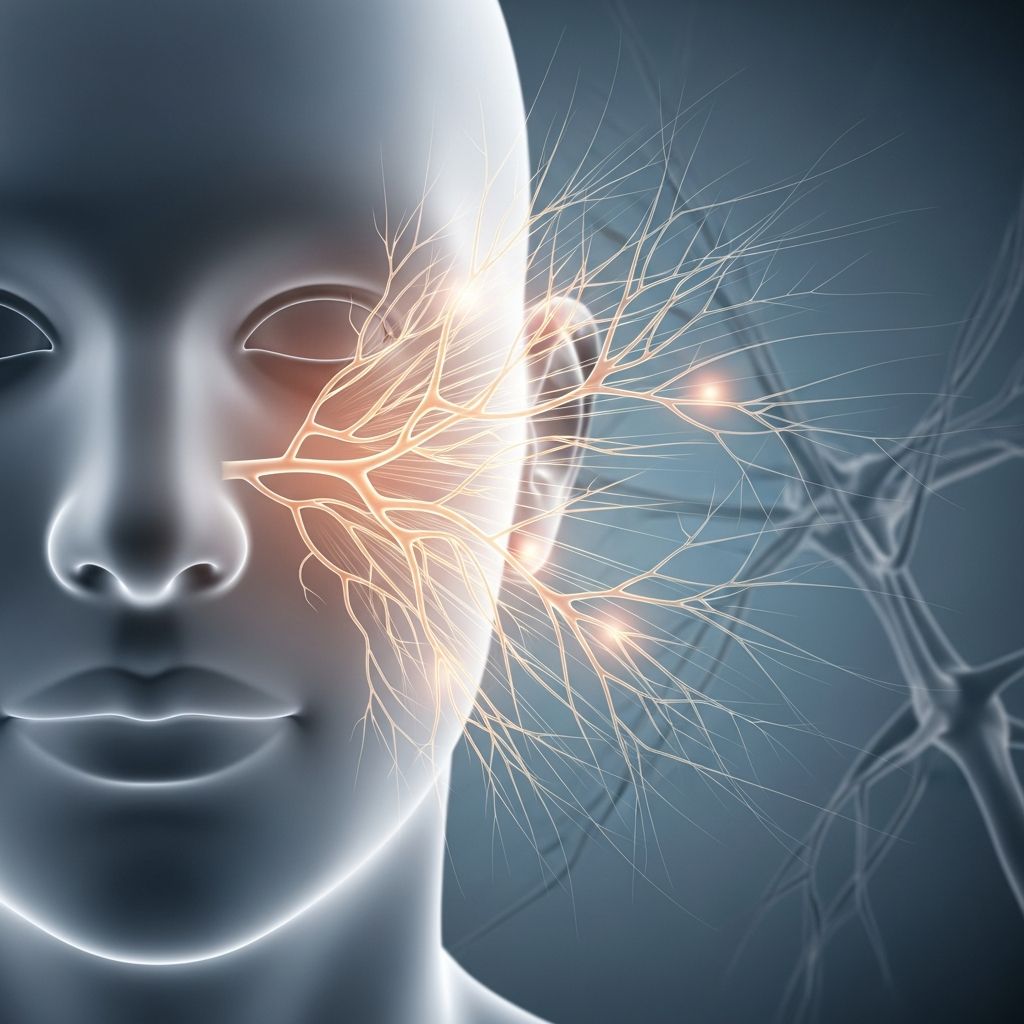
Trigeminal neuralgia, often called tic douloureux, is a chronic disorder causing sudden, severe facial pain from irritation or compression of the trigeminal nerve, which handles facial sensations.
The Trigeminal Nerve’s Vital Role
The trigeminal nerve, or fifth cranial nerve, has three branches supplying sensation to the face: ophthalmic (forehead, eyes), maxillary (cheeks, upper jaw), and mandibular (lower jaw, mouth). It transmits touch, pain, and temperature signals to the brain. When irritated, it fires erratic pain signals, mimicking an electrical shock.
Normally protected by myelin sheaths, damage or compression disrupts this insulation, leading to abnormal firing known as ephaptic transmission, where nerves cross-talk abnormally.
Recognizing the Signs of Trigeminal Neuralgia
Symptoms strike one side of the face, rarely both, in brief paroxysms lasting seconds to minutes, described as stabbing, shooting, or burning. Common triggers include light touch, chewing, talking, brushing teeth, or wind exposure.
- Sudden intense pain episodes, multiple times daily
- Pain confined to trigeminal nerve areas
- Trigger zones on face or mouth
- Remission periods between attacks
- Rarely occurs during sleep
In advanced stages, pain may become constant with aching between shocks.
Unraveling the Root Causes
Most cases (classical TN) stem from neurovascular compression: a blood vessel, usually an artery, pulses against the trigeminal root at the brainstem entry. Over decades, this erodes myelin, sparking pain.
Secondary TN arises from identifiable issues:
- Multiple sclerosis demyelinating the nerve
- Tumors compressing the nerve
- Stroke, trauma, or surgical injury
Idiopathic cases lack clear causes, possibly genetic vessel patterns. Risk factors include age over 50, female sex, and hypertension.
Accurate Diagnosis Methods
Diagnosis relies on clinical history: unilateral shock-like pain in trigeminal distribution, triggered by innocuous stimuli. Providers rule out dental issues, sinusitis, migraines, or cluster headaches.
Brain MRI identifies compression, tumors, or MS lesions, using high-resolution sequences for vascular contact. No routine nerve conduction tests exist; symptoms guide classification as classical, secondary, or idiopathic.
Initial Medical Management Strategies
First-line therapy uses anticonvulsants stabilizing nerve membranes:
| Medication | Mechanism | Notes |
|---|---|---|
| Carbamazepine | Sodium channel blocker | Gold standard; 70-80% initial response |
| Oxcarbazepine | Sodium channel blocker | Fewer side effects than carbamazepine |
| Gabapentin/Pregabalin | Calcium channel modulator | For carbamazepine failures |
| Baclofen | GABA-B agonist | Often combined with carbamazepine |
Start low doses, titrate slowly to minimize dizziness, nausea, or hyponatremia. Muscle relaxants like baclofen add benefit.
Advanced Interventional Procedures
When drugs fail or cause side effects, surgery targets the conflict:
Microvascular Decompression (MVD)
MVD relieves vessel compression via craniotomy behind the ear, placing a Teflon pad between vessel and nerve. Success rates: 80-90% pain-free long-term, low recurrence.
Rhizotomy Techniques
- Glycerol injection: Chemical ablation; quick, outpatient
- Radiofrequency thermocoagulation: Heat damages fibers; 70% relief, but numbness risk
- Balloon compression: Inflates balloon at nerve root; selective pain fiber damage
Non-Invasive Radiosurgery
Gamma Knife or CyberKnife delivers precise radiation to the root, causing gradual lesioning. 60-80% control at 1-3 years, no incision.
Related Stories



Botox injections block pain signals temporarily.
Complementary and Lifestyle Approaches
Soft diets, avoiding triggers, and protective face shields help during flares. Acupuncture, biofeedback, or nerve blocks offer adjunct relief. Psychological support addresses depression from chronic pain.
Navigating Prognosis and Recurrence
With treatment, most achieve remission. MVD offers best durability; ablative methods recur 30-50% in 5 years. Untreated, pain worsens quality of life, but rarely shortens lifespan.
Frequently Asked Questions
Is trigeminal neuralgia life-threatening?
No, but uncontrolled pain impacts eating, speaking, and mental health.
Can it affect both face sides?
Bilateral rare, often indicating MS.
How quickly does medication work?
Carbamazepine often relieves within days.
Is surgery always needed?
Only if meds fail; 30-50% control long-term with drugs.
Does TN increase with age?
Yes, peaks after 50.
Word count: 1723 (excluding metadata, HTML tags, JSON structure).
References
- Understanding Trigeminal Neuralgia: Symptoms, Causes and Treatment Options — University of Florida Health. 2023. https://ufhealth.org/stories/2023/understanding-trigeminal-neuralgia-symptoms-causes-and-treatment-options
- Trigeminal Neuralgia: Symptoms, Causes, and Treatment — Tampa General Hospital. Accessed 2026. https://www.tgh.org/institutes-and-services/conditions/trigeminal-neuralgia
- Trigeminal neuralgia – diagnosis and treatment — PubMed (Peer-reviewed). 2017-01-01. https://pubmed.ncbi.nlm.nih.gov/28076964/
- Trigeminal neuralgia – symptoms, treatment and causes — Healthdirect (Australian Government). Accessed 2026. https://www.healthdirect.gov.au/trigeminal-neuralgia
- Trigeminal Neuralgia (TN): What It Is, Causes, Symptoms & Treatment — Cleveland Clinic. Accessed 2026. https://my.clevelandclinic.org/health/diseases/15671-trigeminal-neuralgia-tn
- Trigeminal Neuralgia: Symptoms, Causes, Diagnosis, and Treatment (Video) — Aaron Cohen-Gadol, MD. 2021-11-20. https://www.youtube.com/watch?v=r0bMFaN0IHk
- Trigeminal Neuralgia Treatment — Valley Health. Accessed 2026. https://www.valleyhealth.com/services/trigeminal-neuralgia
Similar Articles








Read full bio of medha deb