Trigger Finger: Understanding Hand Tendon Dysfunction
A comprehensive guide to recognizing, managing, and treating finger tendon disorders
What Is Trigger Finger and How Does It Develop?
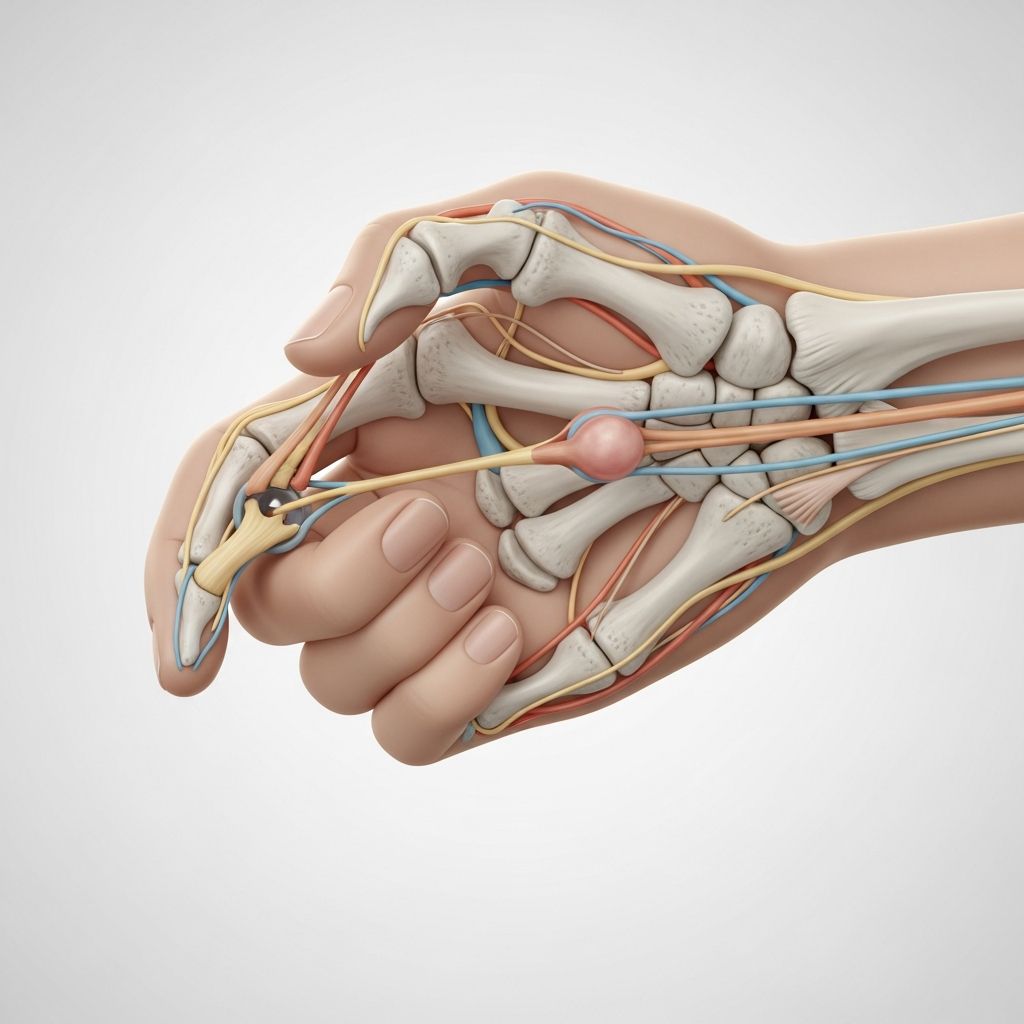
Trigger finger, medically known as stenosing tenosynovitis, is a musculoskeletal condition that disrupts the normal movement of finger tendons. The condition occurs when the protective tunnel surrounding the flexor tendons—structures responsible for bending your fingers and thumb—becomes inflamed or thickened. This narrowing makes it progressively difficult for tendons to glide smoothly through the tunnel, resulting in a characteristic catching or locking sensation.
The finger tendon system functions through a series of pulleys that guide tendon movement along the hand’s anatomy. The A1 pulley, located at the base where the finger meets the palm, is the most common site of involvement. When this pulley becomes swollen or develops excessive scar tissue, the tendon encounters resistance during flexion and extension. Over time, the repetitive friction can cause a small nodule—a benign lump—to form directly on the tendon surface, further exacerbating the mechanical obstruction.
Recognizing the Symptoms of Trigger Finger
Trigger finger presents through a distinct pattern of symptoms that typically develop gradually without a preceding injury. Understanding these manifestations helps individuals seek appropriate medical attention early in the condition’s progression.
Primary Symptoms
- Finger or thumb locking in a bent position, requiring manual straightening with the opposite hand
- Clicking, popping, or snapping sensations during finger movements
- Pain at the base of the affected finger on the palm side
- A palpable nodule or tender lump near the base of the finger
- Stiffness in the affected digit, particularly pronounced upon waking
- Catching sensations that momentarily interrupt smooth finger motion
Symptom Patterns and Progression
Most individuals report that symptoms are worst in the morning, when tissues have been immobile overnight. As the day progresses and the hand engages in gentle activity, symptoms often improve temporarily. This pattern distinguishes trigger finger from many other hand conditions and provides valuable diagnostic insight. Activities requiring sustained gripping—such as preparing food, using hand tools, or playing sports—typically exacerbate symptoms.
The condition can progress from mild occasional catching to severe locking where the finger remains stuck in a bent position and cannot straighten without manual assistance. In advanced cases, the finger may suddenly snap straight with considerable force, creating both physical discomfort and functional impairment.
Identifying Risk Factors and Underlying Causes
Demographic and Systemic Risk Factors
Trigger finger demonstrates a clear association with advancing age, with peak incidence occurring in individuals over 40 to 45 years. Women experience the condition more frequently than men, suggesting hormonal or structural factors may contribute. Certain systemic diseases significantly increase susceptibility to trigger finger development.
Individuals with diabetes face elevated risk, as hyperglycemia can affect tendon composition and increase inflammation. Rheumatoid arthritis, an autoimmune condition causing joint inflammation, predisposes patients to stenosing tenosynovitis through systemic inflammatory mechanisms. Other associated conditions include gout, hypothyroidism, amyloidosis, and carpal tunnel syndrome, each contributing through distinct pathophysiological pathways.
Related Stories



Mechanical and Occupational Factors
Repetitive or forceful hand use represents a primary mechanical cause of trigger finger. Activities involving sustained gripping, pinching, or squeezing motions—whether occupational or recreational—create repetitive microtrauma to the tendon and its protective sheath. This inflammation and thickening of tissues gradually narrows the pulley system, making tendon gliding increasingly difficult.
Previous hand injuries, even those that appeared to resolve, can predispose individuals to later trigger finger development. Additionally, anatomical variations or the presence of benign growths such as cysts or tumors that compress the tendon can initiate or accelerate the condition.
Genetic and Developmental Considerations
Evidence suggests some individuals possess genetic predisposition toward developing trigger finger, though specific genes have not been definitively identified. In children, trigger thumb—the juvenile presentation—is believed to result from developmental mismatch between the tendon size and its protective sheath, independent of trauma or overuse.
Which Fingers Are Most Commonly Affected?
While trigger finger can develop in any digit, the ring finger and thumb demonstrate the highest incidence rates. When the thumb is involved, clinicians specifically refer to the condition as trigger thumb, though the underlying pathophysiology remains identical. Multiple fingers can develop the condition simultaneously or sequentially, affecting one or both hands.
Diagnostic Approach and Medical Evaluation
Healthcare providers typically diagnose trigger finger through clinical examination and patient history rather than specialized imaging. During evaluation, your physician will assess the range of motion, palpate for nodules at the finger base, and observe for the characteristic catching or locking phenomenon. Imaging studies are generally unnecessary unless the diagnosis remains uncertain or underlying structural abnormalities are suspected.
Conservative Management Strategies
Activity Modification and Rest
Initial treatment emphasizes allowing the inflamed tendon and sheath to recover through reduced activity levels. Individuals should temporarily minimize or eliminate activities that aggravate symptoms, particularly those requiring repetitive gripping or forceful finger movements. Complete immobility is counterproductive; rather, gentle, consistent hand use throughout the day facilitates symptom improvement.
Splinting and Immobilization
Wearing a finger splint that maintains the affected digit in slight extension helps reduce tendon irritation by preventing the nodule from catching within the pulley. Night splinting is particularly beneficial, as it prevents the habitual finger flexion that occurs during sleep and contributes to morning stiffness. Modern splints are designed for comfort and discretion, allowing individuals to maintain hand functionality while providing therapeutic benefit.
Anti-Inflammatory Interventions
Nonsteroidal anti-inflammatory medications can reduce tendon sheath inflammation and provide pain relief. Applying ice to the affected area may help manage acute inflammation, though results vary among individuals. Some healthcare providers recommend heat application to improve tissue flexibility and reduce morning stiffness.
Corticosteroid Injections
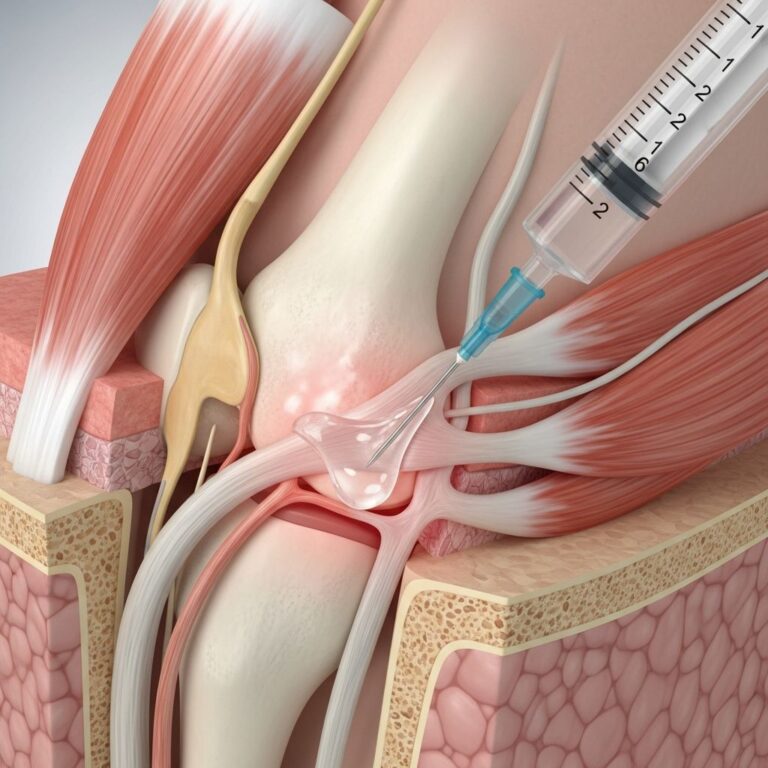
When conservative measures prove insufficient after 4 to 6 weeks, corticosteroid injections directly into the tendon sheath represent an effective intermediate treatment. These injections reduce inflammation and can provide extended symptom relief or even complete resolution in select cases. Multiple injections may be administered over time if symptoms recur.
Surgical Treatment Options
Surgical intervention becomes appropriate when conservative treatments fail to provide adequate symptom control, or when the condition significantly impacts hand function and quality of life. The surgical procedure, called A1 pulley release or trigger finger release surgery, involves carefully opening the thickened pulley to widen the tendon tunnel.
Surgical Procedure Details
Hand surgeons perform this procedure through a small incision at the base of the affected finger, using either open or minimally invasive techniques. The goal is to divide the restrictive pulley tissue, thereby increasing the available space for the tendon to move freely. Most patients experience immediate symptom relief following successful surgery.
Recovery and Outcomes
Post-operative recovery typically spans several weeks, with individuals gradually returning to normal hand activities under their surgeon’s guidance. Success rates exceed 90% in most surgical series, with the vast majority of patients experiencing complete symptom resolution. Some patients may experience temporary swelling or mild discomfort during the healing phase, but these resolve with appropriate wound care.
Potential Complications and Their Management
Common Post-Treatment Complications
Although trigger finger treatment is generally safe, certain complications can occur in specific cases. Persistent locking or clicking after surgery may indicate incomplete pulley release or concurrent finger pathology requiring further evaluation. Bowstringing, a rare complication where the tendon bows away from the bone following surgery, can result in reduced finger range of motion. This typically occurs when multiple pulleys are inadvertently compromised during the surgical procedure.
Infection and Nerve Involvement
Infection following surgery is uncommon but requires prompt medical attention if signs such as increasing redness, warmth, or drainage develop. Digital nerve injury, though rare, can cause numbness or tingling along portions of the affected finger. Protecting the surgical site and following post-operative care instructions significantly reduces these complication risks.
Frequently Asked Questions
Can trigger finger develop in multiple fingers simultaneously?
Yes, trigger finger commonly affects multiple digits either at the same time or in sequence. Individuals with systemic risk factors such as diabetes or rheumatoid arthritis face particularly elevated risk for multi-digit involvement. Bilateral hand involvement is also possible.
Is trigger finger preventable?
While not entirely preventable in genetically predisposed individuals, certain lifestyle modifications reduce risk. Maintaining proper ergonomics during repetitive hand activities, taking regular breaks from gripping tasks, and managing underlying medical conditions such as diabetes help minimize trigger finger development. For individuals with occupational risk, using padded gloves or implementing job modifications provides additional protection.
How long does trigger finger treatment typically take?
Conservative treatment typically requires 4 to 6 weeks of consistent effort to demonstrate meaningful improvement. Corticosteroid injections provide relief that may last several months or result in permanent resolution. Surgical recovery generally spans 4 to 8 weeks, depending on individual healing capacity and post-operative rehabilitation.
Will trigger finger recur after treatment?
Recurrence rates vary by treatment modality. Conservative treatments may require ongoing management if symptoms return. Following surgical release, recurrence is uncommon, occurring in fewer than 5% of cases in most studies. However, individuals with multiple risk factors may develop trigger finger in previously unaffected digits.
When to Seek Medical Attention
Individuals experiencing persistent finger stiffness, catching sensations, or locking should consult a healthcare provider for evaluation. Early intervention often prevents progression to more severe stages and may facilitate resolution through conservative measures. Those with significant hand pain affecting activities of daily living or occupational function should seek prompt assessment.
Living Well With Trigger Finger
Managing trigger finger effectively involves understanding your personal triggers, implementing activity modifications, and maintaining consistent treatment adherence. Many individuals find that combining several approaches—splinting, anti-inflammatory medication, and gentle hand exercises—provides optimal symptom control. Regular follow-up with your healthcare provider ensures appropriate progression through treatment stages and timely intervention if symptoms worsen.
References
- Trigger Finger — American Academy of Orthopaedic Surgeons (AAOS). 2024. https://orthoinfo.aaos.org/en/diseases–conditions/trigger-finger/
- Trigger Finger — Yale Medicine. 2024. https://www.yalemedicine.org/conditions/trigger-finger
- Treatment Options for Trigger Finger and Trigger Thumb — Hospital for Special Surgery (HSS). 2024. https://www.hss.edu/health-library/conditions-and-treatments/list/trigger-finger
- Trigger Finger: Symptoms and Causes — Mayo Clinic. 2024. https://www.mayoclinic.org/diseases-conditions/trigger-finger/symptoms-causes/syc-20365100
- Trigger Finger — National Health Service (NHS). 2024. https://www.nhs.uk/conditions/trigger-finger/
Similar Articles








Read full bio of Sneha Tete