Triglycerides: What They Are And How To Lower Your Levels
Understand triglycerides: their role in energy storage, health risks of high levels, and proven strategies for maintaining optimal blood levels.

Triglycerides represent the predominant form of fat in the human body, serving as a primary energy reserve derived from dietary intake and internal production. These molecules, composed of glycerol bound to three fatty acids, circulate in the bloodstream to deliver energy to cells or get stored for future use.
The Fundamental Role of Triglycerides in the Body
At their core, triglycerides function as an efficient energy storage system. When you consume more calories than needed immediately—particularly from carbohydrates, fats, or excess sugars—your liver converts them into triglycerides for storage in adipose tissue. This process ensures a ready supply of fuel during fasting or increased physical demands. Upon energy needs arising, enzymes break down these triglycerides into fatty acids and glycerol, which cells then utilize for ATP production, heat generation, and muscle function.
Approximately 95% of dietary fats enter the body as triglycerides, found abundantly in foods like butter, oils, meats, and plant-based fats. Beyond energy, they contribute to cell membrane structure and aid in the absorption of fat-soluble vitamins such as A, D, E, and K. In the blood, triglycerides hitch a ride on very low-density lipoproteins (VLDL), facilitating their transport from the liver to peripheral tissues.
How Triglycerides Differ from Cholesterol
While often measured together in lipid panels, triglycerides and cholesterol serve distinct purposes. Triglycerides act primarily as fuel, whereas cholesterol—a waxy sterol—supports hormone synthesis, bile production, and cell wall integrity. The body produces cholesterol mainly in the liver, unlike triglycerides which stem largely from diet and caloric surplus.
Lipoproteins package both: LDL delivers cholesterol to tissues (earning its ‘bad’ reputation for plaque formation), while HDL shuttles it back to the liver for excretion (‘good’ cholesterol). High triglycerides often pair with low HDL and high LDL, amplifying atherosclerosis risk through arterial plaque buildup.
Normal Ranges and What Blood Tests Reveal
Healthcare providers assess triglyceride levels via a fasting blood test, typically part of a comprehensive lipid profile. Levels are reported in milligrams per deciliter (mg/dL) or millimoles per liter (mmol/L), with guidelines as follows:
| Category | mg/dL | mmol/L |
|---|---|---|
| Normal | <150 | <1.7 |
| Borderline High | 150-199 | 1.7-2.2 |
| High | 200-499 | 2.3-5.6 |
| Very High | ≥500 | ≥5.7 |
These thresholds help gauge metabolic health. Testing occurs routinely during check-ups, especially for those with risk factors like obesity, diabetes, or family history of heart disease. Very high levels (>500 mg/dL) demand urgent attention due to pancreatitis risk.
Causes Behind Elevated Triglyceride Levels
Hypertriglyceridemia arises from a mix of lifestyle, genetic, and medical factors. Primary culprits include:
- Caloric Excess: Consuming more energy than expended, especially refined carbs and sugars, prompts liver overproduction.
- Sedentary Lifestyle: Lack of exercise impairs fat metabolism, leading to accumulation.
- Obesity: Excess body fat correlates strongly with higher circulating triglycerides.
- Dietary Choices: High intake of saturated fats, trans fats, and alcohol exacerbates levels.
- Medical Conditions: Uncontrolled diabetes, hypothyroidism, kidney disease, and metabolic syndrome disrupt processing.
- Genetics: Familial hypertriglyceridemia causes inherited elevations independent of lifestyle.
- Medications: Certain drugs like beta-blockers, steroids, or estrogens can raise levels.
Related Stories



Women may experience spikes during pregnancy, while post-menopausal shifts increase vulnerability.
Health Risks Associated with High Triglycerides
Elevated triglycerides rarely act alone; their danger amplifies in combination with other dyslipidemias. Key risks include:
- Cardiovascular Disease: They promote atherosclerosis by fostering plaque in arteries, heightening heart attack and stroke odds, particularly with low HDL.
- Pancreatitis: Extreme levels (>1000 mg/dL) inflame the pancreas, causing severe abdominal pain and potential organ failure.
Peripheral Artery Disease (PAD): Reduced blood flow to limbs from arterial narrowing.- Metabolic Syndrome: Clusters with high blood pressure, insulin resistance, and abdominal obesity, signaling broader issues.
Longitudinally, sustained highs correlate with fatty liver disease and type 2 diabetes progression.
Proven Strategies to Lower Triglyceride Levels
Lifestyle modifications form the cornerstone of management, often normalizing levels without drugs. Key approaches:
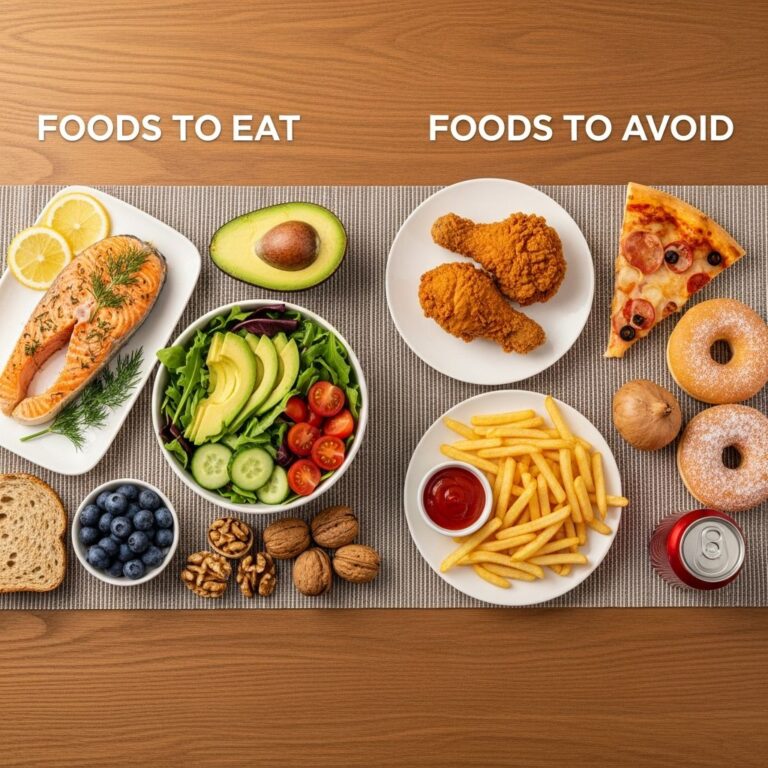
- Adopt a Heart-Healthy Diet: Prioritize fiber-rich foods (oats, fruits, veggies), omega-3s (salmon, flaxseeds), and limit sugars, refined grains, and saturated fats. The Mediterranean diet excels here.
- Exercise Regularly: Aim for 150 minutes weekly of moderate activity like brisk walking, boosting HDL and fat burning.
- Achieve Healthy Weight: Losing 5-10% body weight can drop levels by 20%.
- Limit Alcohol: Even moderate intake spikes production; abstinence benefits heavy drinkers most.
- Quit Smoking: Improves overall lipid profiles and vascular health.
For persistent highs, medications like fibrates, niacin, or statins may be prescribed alongside lifestyle changes.
Monitoring and Professional Guidance
Regular lipid panels track progress, ideally fasting 9-12 hours beforehand. Discuss results with your doctor, who considers full risk profile including age, blood pressure, and glucose. Personalized plans integrate testing frequency with interventions.
Frequently Asked Questions (FAQs)
What foods raise triglycerides the most?
Sugary drinks, baked goods, white bread, and fried foods top the list due to rapid conversion to triglycerides.
Can exercise alone lower my levels?
Yes, consistent aerobic exercise enhances clearance, often reducing levels by 20-30%.
Are high triglycerides always dangerous?
Not standalone, but combined with low HDL or high LDL, they significantly elevate heart risks.
How quickly can levels improve?
With diet and exercise, noticeable drops occur in weeks; full optimization takes months.
Do supplements help?
Fish oil (omega-3s) shows evidence for modest reductions; consult a doctor before use.
References
- Triglycerides – InformedHealth.org – NCBI Bookshelf — NIH. 2023. https://www.ncbi.nlm.nih.gov/books/NBK618443/
- Triglycerides | Better Health Channel — Better Health Channel, Victoria Government. 2023-10-04. https://www.betterhealth.vic.gov.au/health/conditionsandtreatments/triglycerides
- Triglyceride – Wikipedia — Wikipedia. 2026-02-20. https://en.wikipedia.org/wiki/Triglyceride
- Triglycerides: Levels & Normal Range — Cleveland Clinic. 2023-11-01. https://my.clevelandclinic.org/health/articles/11117-triglycerides
- HDL (Good), LDL (Bad) Cholesterol and Triglycerides — American Heart Association. 2024. https://www.heart.org/en/health-topics/cholesterol/hdl-good-ldl-bad-cholesterol-and-triglycerides
- Triglycerides — MedlinePlus, NIH. 2024-01-30. https://medlineplus.gov/triglycerides.html
- LDL and HDL Cholesterol and Triglycerides — CDC. 2024. https://www.cdc.gov/cholesterol/about/ldl-and-hdl-cholesterol-and-triglycerides.html
Similar Articles








Read full bio of Sneha Tete