Triglyceride Levels: What They Mean And How To Lower Them
Understanding triglyceride levels and how to maintain a healthy range for heart health.
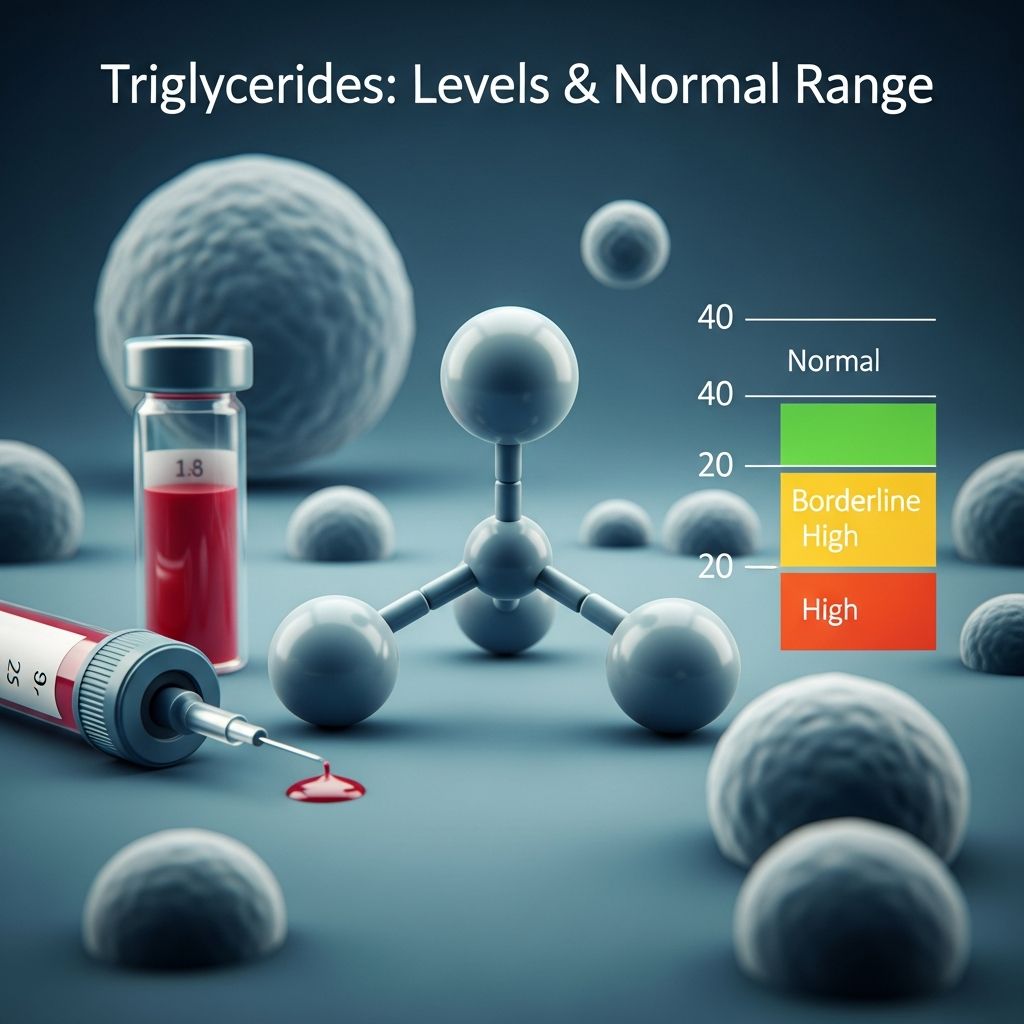
Understanding Triglycerides: What You Need to Know
Triglycerides are a type of fat found in your blood that your body uses for energy. When you eat, your digestive system breaks down calories into triglycerides, which are then transported through your bloodstream to cells throughout your body. Your liver also produces triglycerides and stores them as energy reserves. While your body needs some triglycerides to function properly, excessively high levels can significantly increase your risk of serious health complications, including heart disease, stroke, and pancreatitis.
Understanding your triglyceride levels is an important part of maintaining overall cardiovascular health. Unlike cholesterol, which receives considerable attention in health conversations, triglycerides often go unnoticed despite their substantial impact on heart health. Many people with elevated triglyceride levels don’t realize they have a problem because high triglycerides typically don’t cause noticeable symptoms. This is why regular testing and monitoring are essential components of preventive healthcare.
Normal Triglyceride Levels and Classification
A normal triglyceride level in adults is below 150 milligrams per deciliter (mg/dL), with an ideal level being below 100 mg/dL. It’s critical to note that triglycerides should be measured while you’re fasting, typically after not eating for 12 hours, to ensure accurate results. This fasting requirement helps eliminate the influence of recently consumed food on your triglyceride measurements.
For young people between ages 10 and 19, a normal triglyceride level is below 90 mg/dL, which is lower than adult standards. This suggests that maintaining healthy triglyceride levels becomes increasingly important during adolescence and should be monitored as part of routine health screenings.
Triglyceride Level Categories
| Classification | Triglyceride Level (mg/dL) |
|---|---|
| Normal | Under 150 |
| Borderline High | 150 to 199 |
| High | 200 to 499 |
| Very High | 500 or higher |
Understanding these categories helps you and your healthcare provider assess your cardiovascular risk. Borderline elevated levels warrant evaluation for other elements of metabolic syndrome, while high triglycerides require active management. Very high triglycerides, classified as 500 mg/dL or higher, represent severe hypertriglyceridemia and require immediate medical attention.
Health Risks Associated with High Triglycerides
Cardiovascular Disease and Atherosclerosis
High triglyceride levels are directly linked to atherosclerosis, which is the hardening and thickening of the arteries. This progressive condition involves the buildup of plaque in arterial walls, restricting blood flow and oxygen delivery to vital organs. When triglycerides exceed 200 mg/dL, you’re approximately 25% more likely to die from cardiovascular disease compared to someone with normal levels.
The relationship between triglycerides and atherosclerosis works through a specific mechanism. When your body metabolizes triglycerides, it creates remnant particles containing leftover cholesterol and fatty acids. These particles can accumulate in artery walls, creating conditions favorable for atherosclerosis development. Even though triglycerides themselves don’t form the sticky plaque that clogs arteries, they facilitate the conditions that allow other particles to lodge in vessel walls.
Heart Attack and Stroke Risk
A triglyceride level above 200 mg/dL significantly raises your risk for heart attack and stroke. The elevated cardiovascular risk persists across various demographic groups and is particularly concerning when combined with other risk factors. People with high triglycerides often have additional health problems that compound their cardiovascular risk, including obesity, poorly controlled type 2 diabetes, and metabolic syndrome.
Related Stories



Metabolic syndrome is a cluster of risk factors characterized by a large waist circumference, high blood pressure, elevated triglyceride levels, and abnormal cholesterol levels. The presence of multiple risk factors creates a synergistic effect, dramatically increasing overall cardiovascular disease risk.
Pancreatitis Risk
Perhaps the most acute risk associated with very high triglycerides is pancreatitis—severe and painful inflammation of the pancreas. This condition can be life-threatening and requires emergency medical care. Patients with triglyceride levels of 1,000 mg/dL or higher face substantial risk for acute pancreatitis. The National Cholesterol Education Program’s Adult Treatment Panel (ATP-III) recommends that triglyceride levels over 2,000 mg/dL warrant urgent treatment to prevent this serious complication.
Causes of High Triglycerides
Dietary Factors
Your diet plays a major role in determining triglyceride levels. Consuming excessive calories, particularly from refined carbohydrates, sugary foods, and alcohol, can significantly elevate triglycerides. When your body has more calories than it needs for immediate energy, the excess is converted into triglycerides and stored in fat cells and the liver. This metabolic process is why weight loss is an effective intervention for reducing triglyceride levels.
Lifestyle and Behavioral Factors
Physical inactivity is strongly associated with elevated triglyceride levels. Regular exercise helps your body use triglycerides for energy and improves overall metabolic function. Additionally, excessive alcohol consumption can significantly raise triglyceride levels, sometimes dramatically. Smoking and chronic stress may also contribute to elevated triglycerides through various metabolic mechanisms.
Medical Conditions
Certain medical conditions can cause elevated triglycerides independently of lifestyle factors. Hypothyroidism (an underactive thyroid) reduces metabolic rate and can lead to higher triglyceride levels. Liver and kidney disease impair the body’s ability to process and eliminate triglycerides efficiently. Type 2 diabetes, particularly when poorly controlled, frequently results in elevated triglycerides due to insulin resistance and altered glucose metabolism.
Medications
Several medications can raise triglyceride levels as a side effect. Beta blockers, commonly prescribed for hypertension and heart disease, may elevate triglycerides. Oral contraceptives and hormone replacement therapy containing estrogen can increase triglyceride levels. Corticosteroids used to treat inflammatory conditions may also raise triglycerides.
Other Contributing Factors
Triglyceride levels can fluctuate based on various factors including the time of day, menstrual cycle phase in women, and recent exercise patterns. For this reason, healthcare providers typically order fasting triglyceride tests to obtain consistent, comparable results across different patients and timepoints.
Lowering Your Triglycerides Naturally
Dietary Modifications
Making strategic changes to your diet is one of the most effective ways to lower triglyceride numbers. The following dietary approaches have proven effective:
– Reduce refined carbohydrates and added sugars, as these are readily converted to triglycerides- Limit alcohol consumption or eliminate it entirely- Choose whole grains over refined grains- Increase fiber intake through vegetables, fruits, and legumes- Incorporate healthy fats from sources like fish, nuts, and olive oil- Reduce saturated fat intake by choosing lean proteins- Eat fatty fish rich in omega-3 fatty acids at least twice weekly- Control portion sizes to maintain a healthy weight
Physical Activity and Exercise
Regular exercise is highly effective for lowering triglycerides and improving overall cardiovascular health. Physical activity helps your body utilize triglycerides for energy rather than storing them. Aim for at least 150 minutes of moderate-intensity aerobic exercise weekly, combined with resistance training. Even moderate exercise can produce significant improvements in triglyceride levels within weeks.
Weight Management
Weight loss is particularly effective for reducing triglycerides. Even modest weight reductions of 5-10% of body weight can produce measurable improvements in triglyceride levels. This occurs because excess body weight, particularly abdominal fat, is associated with increased triglyceride production and storage.
Lifestyle Changes
Beyond diet and exercise, several other lifestyle modifications support triglyceride management. Quitting smoking improves lipid profiles and reduces cardiovascular disease risk. Managing stress through relaxation techniques, meditation, or counseling can help normalize triglyceride levels. Ensuring adequate sleep is also important, as sleep deprivation has been linked to elevated triglycerides.
Medication Treatment for High Triglycerides
People at high risk for heart attacks, strokes, or other cardiovascular problems may need medications to lower triglycerides in addition to lifestyle modifications. Statins are the most commonly prescribed cholesterol-lowering drugs and are often the best initial choice for treating hypertriglyceridemia, particularly when the lipid triad (low HDL cholesterol, high LDL cholesterol, and high triglycerides) is present. This combination creates exceptionally high atherosclerosis risk.
In cases where triglycerides remain elevated despite statin therapy, healthcare providers may add additional medications such as niacin or fibrates. These medications work through different mechanisms than statins and can be combined for optimal lipid control. The choice of medication depends on individual health status, other medications being taken, and specific lipid profile abnormalities.
Monitoring and Management Strategy
High triglyceride levels become more of a problem with age, and as risk increases, healthcare providers typically recommend more frequent testing. The National Cholesterol Education Program’s ATP-III provides a practical framework emphasizing that for most patients with hypertriglyceridemia, LDL cholesterol is the primary focus of treatment, with non-HDL cholesterol as a secondary focus.
For patients with borderline elevated triglycerides (150-199 mg/dL), evaluation should include assessment for metabolic syndrome components. Those with high triglycerides (200-499 mg/dL) require LDL and non-HDL cholesterol targeting. When triglyceride levels exceed 400 mg/dL, serum LDL cholesterol must be directly measured rather than calculated. Very high triglycerides (500 mg/dL or higher) require primary focus on lowering triglyceride levels, with secondary attention to LDL cholesterol in patients at atherosclerosis risk.
Frequently Asked Questions
Q: How often should I have my triglycerides tested?
A: Most healthy adults should have their triglycerides tested as part of routine lipid screening every four to six years. If you have elevated triglycerides or other cardiovascular risk factors, your healthcare provider may recommend more frequent testing.
Q: Can triglycerides be lowered without medication?
A: Yes, for many people, lifestyle changes including diet modification, regular exercise, weight loss, and reducing alcohol consumption can effectively lower triglyceride levels. However, some individuals require medication in addition to lifestyle changes to achieve target levels.
Q: What foods should I avoid if I have high triglycerides?
A: Avoid refined carbohydrates, sugary foods and beverages, alcohol, processed foods, and foods high in saturated fats. Focus instead on whole grains, lean proteins, healthy fats, and plenty of vegetables and fruits.
Q: Is triglyceride level more important than cholesterol level?
A: Both triglycerides and cholesterol are important for cardiovascular health. They work together to influence your risk of heart disease. A comprehensive lipid panel evaluating both is recommended for complete assessment.
Q: Can I reverse high triglycerides?
A: Yes, triglyceride levels often respond well to treatment. With consistent lifestyle changes and appropriate medication when needed, many people can significantly lower their triglyceride levels and reduce their cardiovascular disease risk.
Conclusion
High triglyceride levels represent a significant but often overlooked risk factor for cardiovascular disease and pancreatitis. Understanding your triglyceride levels, recognizing the risk factors that contribute to elevation, and implementing evidence-based management strategies are essential for protecting your long-term health. Whether through dietary modifications, increased physical activity, weight management, or appropriate medications, you have multiple tools available to control triglyceride levels and reduce your cardiovascular risk. Work with your healthcare provider to develop a personalized management plan that addresses your specific health needs and risk factors.
References
- Demystifying triglycerides: A practical approach for the clinician — Cleveland Clinic Journal of Medicine. 2005-08. https://www.ccjm.org/content/ccjom/72/8/661.full.pdf
- Triglycerides & Cardiovascular Disease — Cleveland Clinic Abu Dhabi. 2024. https://www.clevelandclinicabudhabi.ae/en/health-hub/health-resource/diseases-and-conditions/triglycerides
- Hypertriglyceridemia: Causes, Risk Factors & Treatment — Cleveland Clinic. 2024. https://my.clevelandclinic.org/health/diseases/23942-hypertriglyceridemia
- How Triglycerides Impact Heart Health — Cleveland Clinic. 2024. https://my.clevelandclinic.org/health/articles/17583-triglycerides–heart-health
- National Cholesterol Education Program’s Adult Treatment Panel (ATP-III) — National Institutes of Health. 2002. https://www.nhlbi.nih.gov/
Similar Articles








Read full bio of medha deb