Triglycerides: Why Do They Matter for Your Health
Understanding triglycerides: why they matter for your cardiovascular health and energy.
Triglycerides are the most common type of fat in your body, and understanding them is essential for maintaining good cardiovascular health. These fatty substances play a crucial role in energy metabolism, yet when present in excessive amounts, they can significantly increase your risk of serious health conditions. This article explores what triglycerides are, why they matter, how to measure them, and what you can do to maintain them at healthy levels.
What Are Triglycerides?
Triglycerides are a type of fat found in your blood and throughout your body. They are organic compounds consisting of three fatty acids bonded to a molecule called glycerol, a form of glucose. Approximately 95% of all dietary fats are triglycerides, making them a fundamental component of nutrition.
Your body gets triglycerides from two main sources. First, you consume them directly through food—especially butter, oils, and other dietary fats. Second, your body manufactures triglycerides from excess calories you consume but don’t immediately use for energy. Several tissues in your body can synthesize triglycerides, including the liver, gut, muscles, and adipose (fat) tissue.
Once consumed, triglycerides are digested and enter the bloodstream, where they are transported to cells throughout your body. These molecules serve as a readily available energy source, fueling your cells’ daily activities. Any excess triglycerides are stored in fat cells for later use when your body needs energy between meals.
The Dual Role of Triglycerides: Energy and Storage
Triglycerides serve two essential functions in your body: they provide immediate energy and act as long-term energy storage. This dual role explains why having some triglycerides is necessary for normal health.
When you need energy, special proteins called lipoproteins—specifically VLDL (very low-density lipoprotein) cholesterol particles—carry triglycerides through your bloodstream to your tissues. Your cells then use these triglycerides to power everything from muscle contractions to brain function. Any triglycerides you don’t use right away are stored in fat cells, creating an energy reserve your body can tap into when food is scarce or energy demands increase.
However, this storage mechanism becomes problematic when you regularly consume more calories than you burn. Over time, excess triglycerides accumulate in the bloodstream, leading to elevated blood levels that pose serious health risks.
Understanding Triglyceride Levels
Triglyceride levels in your blood are measured in milligrams per deciliter (mg/dL), and these measurements provide important information about your metabolic health. The following categories define triglyceride status:
- Healthy level: Less than 150 mg/dL
- Mildly high level: 150–199 mg/dL
- High level: 200–499 mg/dL
- Very high level: More than 500 mg/dL
Your triglyceride levels are closely linked to your lifestyle choices. Eating unhealthy, fatty foods, consuming excess calories, drinking too much alcohol, and failing to exercise regularly can all lead to elevated triglyceride levels.
Related Stories



Healthcare providers measure triglyceride levels as part of a lipid panel—a blood test that also includes cholesterol measurements. These measurements help doctors assess your individual risk of cardiovascular disease. When combined with cholesterol levels, triglyceride measurements provide a more complete picture of your heart health than either measure alone.
Triglycerides vs. Cholesterol: Understanding the Difference
While both triglycerides and cholesterol are fatty substances found in your blood, they are fundamentally different. Triglycerides are actual fats that your body uses as fuel. Cholesterol, by contrast, is a waxy substance your liver manufactures that your body uses to build cell walls, support nervous system function, aid digestion, and produce hormones.
Because pure cholesterol cannot dissolve in blood, your liver packages it with triglycerides and proteins called lipoproteins to transport it throughout your body. This is why doctors measure both substances together when assessing your cardiovascular risk.
The two main types of cholesterol are:
- LDL (low-density lipoprotein) cholesterol: Often called “bad” cholesterol, high levels increase your risk for heart disease and stroke
- HDL (high-density lipoprotein) cholesterol: Often called “good” cholesterol, it helps remove fat from your arteries and protects against heart disease
High triglycerides often occur alongside high LDL cholesterol and low HDL cholesterol—a combination that significantly increases cardiovascular risk. Research shows that many people with elevated triglycerides have low HDL cholesterol levels, which is a known risk factor for heart disease.
Health Risks Associated with High Triglycerides
Elevated blood triglycerides, a condition called hypertriglyceridemia, increase your risk for serious health conditions. When triglyceride levels are too high, they can directly damage your cardiovascular system and impair your body’s ability to metabolize fats and sugars properly.
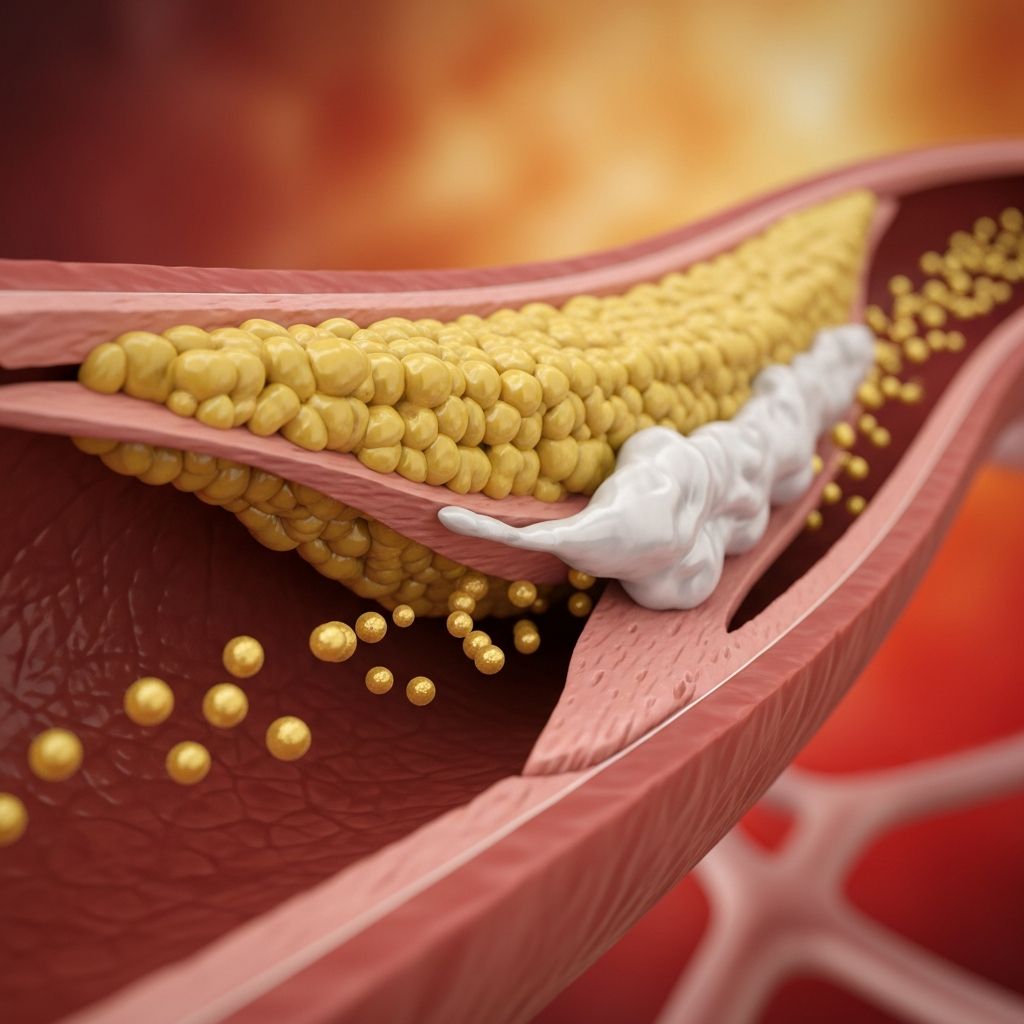
High triglycerides contribute to atherosclerosis—the buildup of fatty plaques on blood vessel walls. This narrowing of blood vessels restricts blood flow and can lead to:
- Coronary heart disease
- Heart attack
- Stroke
- Peripheral artery disease (PAD)
- Acute pancreatitis (inflammation of the pancreas)
It’s important to recognize that triglyceride levels don’t tell the complete story of your cardiovascular risk when considered alone. Your personal risk of heart disease and stroke is influenced by multiple factors, including your age, family history, blood pressure, smoking status, and overall cholesterol profile. However, maintaining triglycerides in the healthy range is an important component of comprehensive cardiovascular disease prevention.
Very high triglyceride levels—particularly above 500 mg/dL—may directly cause inflammation of the pancreas, a potentially serious condition. This is why doctors specifically measure triglyceride levels in people with acute pancreatitis.
How to Maintain Healthy Triglyceride Levels
The good news is that lifestyle modifications can effectively lower triglyceride levels and reduce your cardiovascular risk. Unlike some health conditions requiring medication, many people can achieve healthy triglyceride levels through diet and exercise changes.
Dietary Strategies: Focus on eating a balanced diet rich in fruits, vegetables, whole grains, and lean proteins while limiting foods high in saturated and trans fats. Reduce your intake of added sugars and refined carbohydrates, as these are quickly converted to triglycerides by your liver. Limit alcohol consumption, as alcohol significantly raises triglyceride levels. Choose healthy fats from sources like olive oil, nuts, and fish containing omega-3 fatty acids.
Physical Activity: Regular exercise is one of the most effective ways to lower triglyceride levels. Aim for at least 150 minutes of moderate-intensity aerobic activity per week, such as brisk walking, jogging, or cycling. Strength training exercises also help improve metabolic health and triglyceride levels.
Weight Management: If you’re overweight or obese, losing just 5–10% of your body weight can meaningfully reduce triglyceride levels. Weight loss reduces the amount of excess triglycerides stored in fat cells and circulating in your bloodstream.
Other Lifestyle Factors: Reduce stress through meditation or yoga, get 7–9 hours of quality sleep each night, and quit smoking if applicable. These factors all contribute to overall metabolic health and triglyceride management.
Why Triglycerides Matter: The Bottom Line
Triglycerides are a critical marker of your metabolic and cardiovascular health. While your body needs some triglycerides to function properly, elevated levels pose significant risks. Regular blood tests, combined with lifestyle modifications, can help you maintain triglycerides in the healthy range and reduce your risk of heart disease, stroke, and other serious conditions.
By understanding what triglycerides are and how they affect your health, you can take proactive steps to protect your cardiovascular system. Work with your healthcare provider to monitor your triglyceride levels and develop a personalized plan for maintaining healthy levels through diet, exercise, and other lifestyle modifications.
Frequently Asked Questions
Q: What do triglycerides do in the body?
A: Triglycerides are an important source of energy for your body. Your cells use them to fuel daily activities. Any excess triglycerides are stored in fat cells for later use. However, when present in excess amounts in the blood, they can increase your risk for serious conditions such as heart disease, stroke, and inflammation of the pancreas.
Q: How often should I have my triglyceride levels checked?
A: The frequency depends on your personal health status and risk factors. Healthy adults should have their triglyceride levels measured as part of a regular lipid panel at least once every five years. If you have elevated levels, a family history of heart disease, or other cardiovascular risk factors, your doctor may recommend more frequent testing.
Q: What’s the difference between triglycerides and cholesterol?
A: Both are fatty substances, but they have different functions. Triglycerides are fats your body uses for energy, while cholesterol is a waxy substance your liver makes that’s used to build cells and produce hormones. Your body uses cholesterol for cellular and metabolic functions, not directly for energy like triglycerides.
Q: Can I lower triglycerides without medication?
A: Yes, for many people, lifestyle changes alone can effectively lower triglyceride levels. Regular exercise, eating a balanced diet, maintaining a healthy weight, reducing alcohol and sugar consumption, and managing stress can all help normalize triglyceride levels. However, some people with very high levels or genetic predispositions may need medication in addition to lifestyle changes. Discuss options with your healthcare provider.
Q: What foods raise triglyceride levels?
A: Foods high in refined carbohydrates, added sugars, and saturated fats raise triglyceride levels. Specifically, limit foods like refined grains, sugary drinks and desserts, fried foods, fatty meats, butter, and alcohol. These foods are quickly converted into triglycerides by your body, especially when consumed in excess of your energy needs.
Q: Is it possible to have normal cholesterol but high triglycerides?
A: Yes, it’s possible to have a normal cholesterol level while triglyceride levels are elevated. This is why both measurements are important for assessing your cardiovascular risk. High triglycerides combined with low HDL cholesterol pose a particular risk for heart disease, even if your total cholesterol appears normal.
References
- Triglycerides — Ada Health. 2025. https://ada.com/biomarkers/triglycerides/
- In Brief: Triglycerides — InformedHealth.org (NIH Bookshelf). 2024. https://www.ncbi.nlm.nih.gov/books/NBK618443/
- Triglycerides — MedlinePlus (U.S. National Library of Medicine). 2025. https://medlineplus.gov/triglycerides.html
- Triglycerides: Levels & Normal Range — Cleveland Clinic. 2024. https://my.clevelandclinic.org/health/articles/11117-triglycerides
- Triglycerides — Better Health Channel (Victoria State Government). 2024. https://www.betterhealth.vic.gov.au/health/conditionsandtreatments/triglycerides
- LDL and HDL Cholesterol and Triglycerides — Centers for Disease Control and Prevention (CDC). 2025. https://www.cdc.gov/cholesterol/about/ldl-and-hdl-cholesterol-and-triglycerides.html
Similar Articles








Read full bio of medha deb