Triglycerides: 4 Science-Backed Tips To Lower Levels
Understand what triglycerides are, normal levels, risks of high levels, and proven strategies to lower them for better heart health.
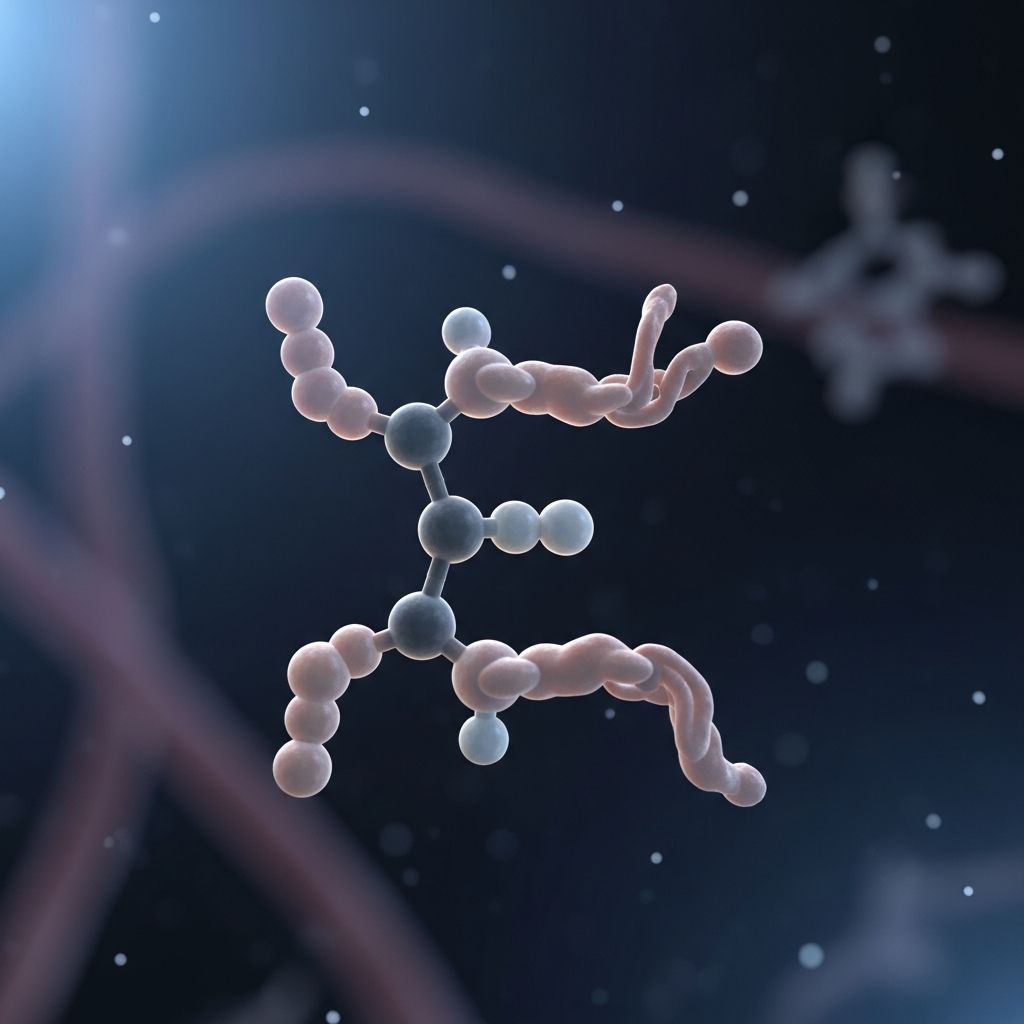
Triglycerides are a type of fat, or lipid, in your blood that your body uses for energy between meals. When you consume more calories than your body needs immediately—particularly from carbohydrates, sugars, or alcohol—your body converts them into triglycerides and stores them in fat cells. Hormones later release these triglycerides for energy when needed. While essential for energy storage, elevated triglyceride levels, known as hypertriglyceridemia, pose significant health risks, including artery hardening (atherosclerosis), heart disease, stroke, and acute pancreatitis.
What Are Triglycerides?
Triglycerides represent the most common form of fat in the body and bloodstream. They consist of three fatty acid molecules attached to a glycerol backbone. After eating, your liver packages excess calories into very low-density lipoprotein (VLDL) particles, which transport triglycerides through the blood. Muscle and fat tissues extract these for fuel or storage. Normal levels support energy balance, but excess contributes to metabolic issues.
Your body produces triglycerides naturally from dietary fats, sugars, and starches. Insulin plays a key role: after meals, it signals the liver to store calories as triglycerides rather than releasing glucose into the blood. Disruptions in this process, such as insulin resistance, lead to overproduction and poor clearance, causing buildup.
Normal Triglyceride Levels
Health organizations define triglyceride levels through fasting blood tests, typically after 9-12 hours without food. According to Cleveland Clinic guidelines, normal levels are below 150 mg/dL for adults, with under 90 mg/dL ideal for ages 10-19. Mayo Clinic aligns with these ranges:
| Category | Triglyceride Level (mg/dL) |
|---|---|
| Normal | Less than 150 |
| Borderline high | 150–199 |
| High | 200–499 |
| Very high | 500 or above |
Levels above 500 mg/dL signal very high risk, particularly for pancreatitis, while over 1,500 mg/dL is extremely high and may impair fat metabolism, leading to organ swelling and pain. Regular lipid panels, part of routine checkups, measure these alongside total cholesterol, LDL, and HDL.
Symptoms of High Triglycerides
High triglycerides often produce no noticeable symptoms, earning them the label of a “silent” risk factor. Many discover elevated levels only through bloodwork. However, extremely high levels (over 1,000 mg/dL) can cause:
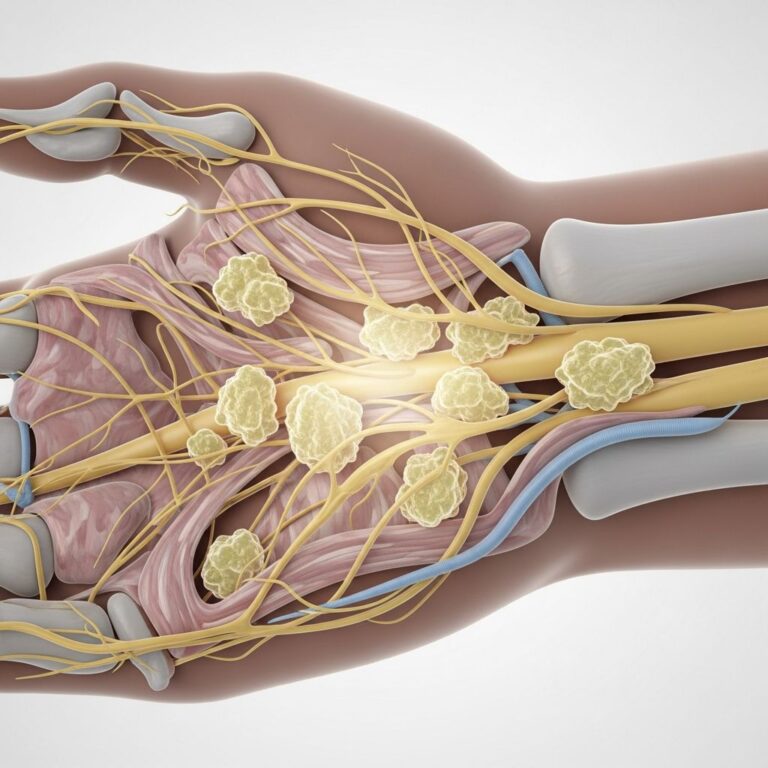
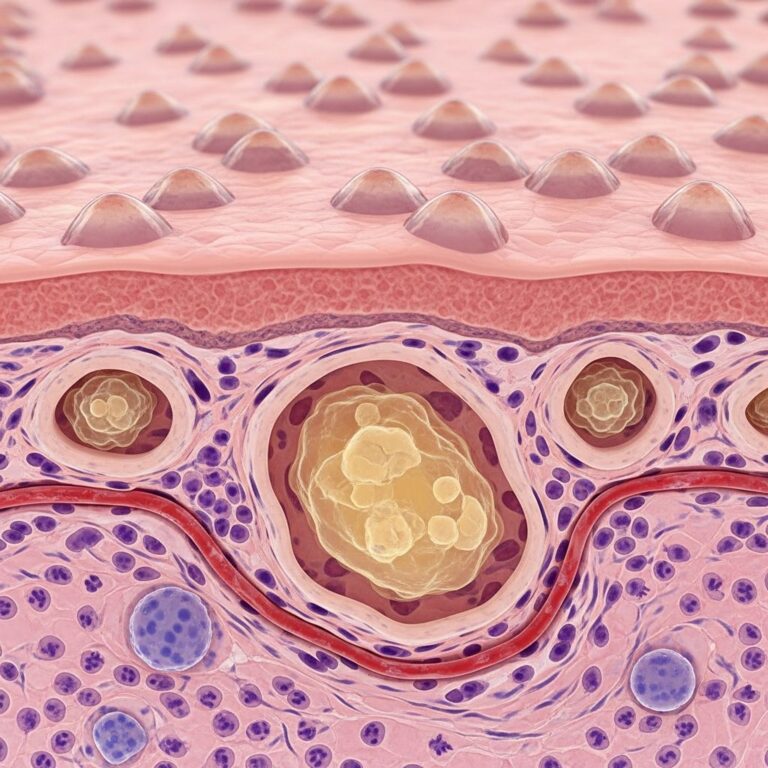
- Xanthomas: Painless fatty deposits under the skin, often on elbows, knees, or buttocks.
- Abdominal pain from liver or spleen enlargement or fatty deposits.
- Memory issues or confusion in rare severe cases.
Symptoms typically emerge alongside related conditions like obesity or diabetes. A 2025 study linked levels over 150 mg/dL to worsening acute pancreatitis severity, highlighting indirect signs like sudden severe abdominal pain, nausea, and vomiting as emergencies.
Causes of High Triglycerides
Several modifiable and non-modifiable factors elevate triglycerides:
- Diet: Excess calories, especially refined carbs, sugars (soda, sweets), and alcohol, directly boost production.
- Obesity: Fat tissue, particularly visceral fat, impairs clearance.
- Sedentary lifestyle: Lack of exercise reduces fat burning.
- Medical conditions: Type 2 diabetes, hypothyroidism, kidney disease, and metabolic syndrome promote overproduction.
- Medications: Beta-blockers, steroids, estrogen, and some HIV drugs.
- Genetics: Familial hypertriglyceridemia causes inherited high levels.
Related Stories



The triglyceride-HDL ratio offers deeper insight: above 3.5 signals insulin resistance and cardiovascular risk, balancing harmful vs. protective lipids.
Health Risks of High Triglycerides
Elevated triglycerides independently and synergistically heighten disease risk:
Heart Disease and Stroke
High levels contribute to atherosclerosis by thickening artery walls, raising heart attack and stroke odds. They often cluster with low HDL, high LDL, and hypertension in metabolic syndrome.
Acute Pancreatitis
Levels over 500 mg/dL, especially above 1,000, inflame the pancreas—a medical emergency comprising 10% of cases. Mechanisms include pancreatic cell toxicity or blood flow impairment.
Metabolic Syndrome
Defined by central obesity (waist >40 inches men/>35 inches women), triglycerides ≥150 mg/dL, low HDL, hypertension (≥130/85 mmHg), and high fasting glucose (≥100 mg/dL). This cluster accelerates diabetes and cardiovascular disease.
Non-Alcoholic Fatty Liver Disease (NAFLD)
Excess triglycerides deposit in the liver, causing fat accumulation, inflammation, and potential cirrhosis. Bidirectional with insulin resistance.
Other Risks
Increased peripheral artery disease (PAD), type 2 diabetes progression, and in extremes, organ failure.
How to Lower Triglycerides
Lifestyle changes form the cornerstone, often reducing levels 20-50%:
Dietary Changes
- Reduce sugars/carbs: Limit to <10% daily calories; avoid sugary drinks.
- Choose healthy fats: Omega-3s from fatty fish (salmon), nuts, avocados; limit saturated/trans fats.
- Increase fiber: Oats, beans, fruits/veggies.
- Moderate alcohol: Or abstain, as it spikes production.
Exercise
Aim for 150 minutes/week moderate aerobic (brisk walking, cycling) plus strength training. Boosts fat metabolism and HDL.
Weight Loss
5-10% body weight reduction lowers levels significantly.
Medications
For persistent high levels: Fibrates, omega-3 prescriptions (e.g., Lovaza), niacin, or statins. Consult providers.
| Lifestyle Intervention | Expected Triglyceride Reduction |
|---|---|
| Weight loss (5-10%) | 20-40% |
| Aerobic exercise | 10-30% |
| Low-carb diet | 20-50% |
| Omega-3 supplements | 20-50% |
When to See a Doctor
Seek care if bloodwork shows borderline/high levels, or with risk factors like obesity/diabetes. Urgent evaluation for abdominal pain suspecting pancreatitis. Annual lipid screens recommended for adults over 20, more frequent for high-risk groups.
Frequently Asked Questions (FAQs)
What foods cause high triglycerides?
Sugary foods/drinks, refined carbs, excess alcohol, and fried foods. Focus on whole foods, fiber, and healthy fats.
Can exercise lower triglycerides?
Yes, regular aerobic exercise enhances fat breakdown and insulin sensitivity, reducing levels by 10-30%.
Are high triglycerides dangerous?
Yes, they raise heart disease, stroke, pancreatitis, and metabolic syndrome risks, especially above 500 mg/dL.
How quickly can triglycerides be lowered?
Weeks to months with diet/exercise; significant drops in 4-6 weeks for many.
Do all high triglycerides need medication?
No, lifestyle often suffices for mild cases; meds for very high or unresponsive levels.
References
- SiPhox Health: What Health Problems Are Linked to High Triglycerides? — SiPhox Health. 2023. https://siphoxhealth.com/articles/what-health-problems-are-linked-to-high-triglycerides
- Triglycerides: Why do they matter? — Mayo Clinic. 2023-10-02. https://www.mayoclinic.org/diseases-conditions/high-blood-cholesterol/in-depth/triglycerides/art-20048186
- High triglycerides: Risks, causes, and treatments — Medical News Today. 2025. https://www.medicalnewstoday.com/articles/high-triglycerides-symptoms
- High Triglyceride Levels: Symptoms, Causes, Tests, & Range — WebMD. 2023. https://www.webmd.com/cholesterol-management/high-triglycerides-what-you-need-to-know
- Triglycerides Levels: How to Lower, Risks & Treatment — Healthline. 2023. https://www.healthline.com/health/triglycerides
- Triglycerides: Levels & Normal Range — Cleveland Clinic. 2023-08-13. https://my.clevelandclinic.org/health/articles/11117-triglycerides
Similar Articles








Read full bio of medha deb