Triple-Negative Breast Cancer: What You Need To Know
Understanding triple-negative breast cancer: symptoms, diagnosis, treatments, and survival rates for this aggressive subtype.
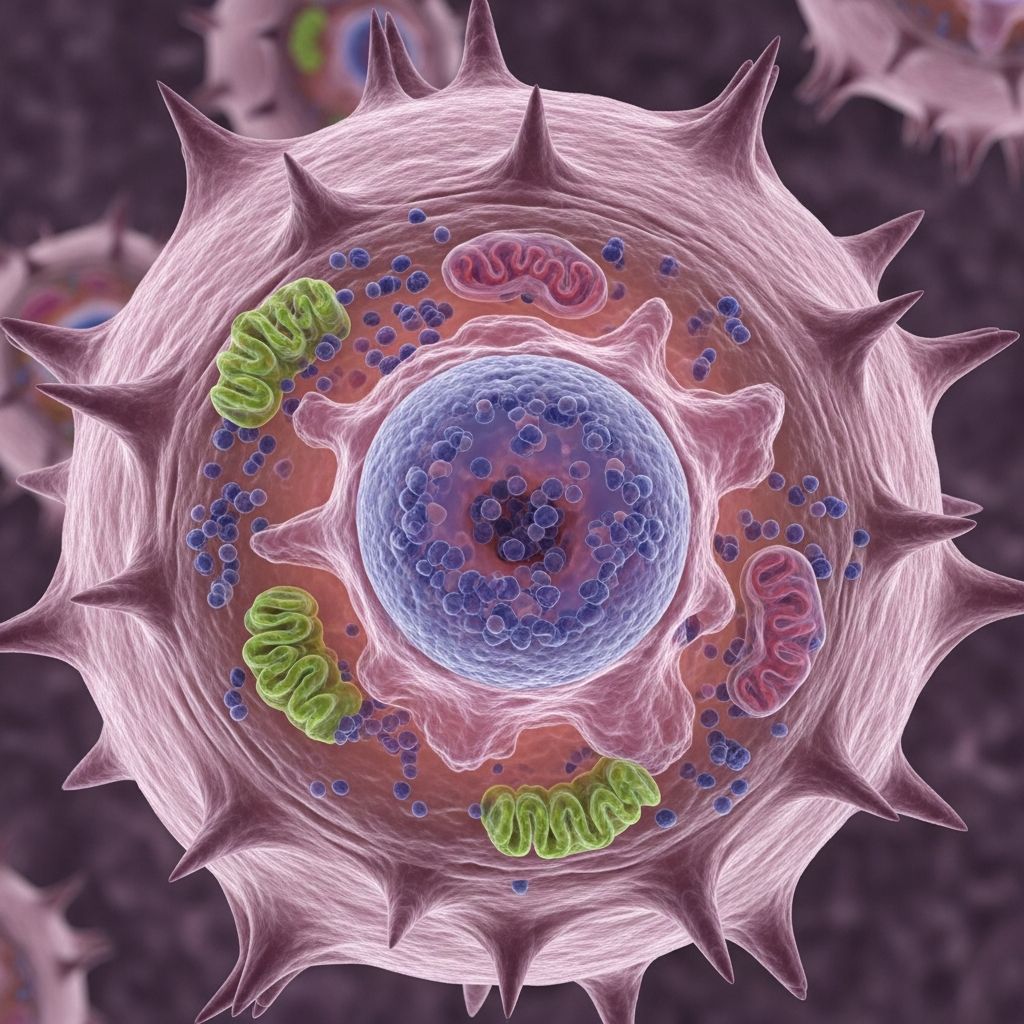
Triple-negative breast cancer (TNBC) is a particularly aggressive subtype of breast cancer that lacks estrogen receptors (ER), progesterone receptors (PR), and excess HER2 protein, limiting targeted therapy options and contributing to faster growth and poorer prognosis compared to other breast cancers.
What Is Triple-Negative Breast Cancer?
TNBC represents breast cancers where tumor cells test negative for three key receptors: ER, PR, and HER2. This absence means TNBC does not respond to hormonal therapies like tamoxifen or HER2-targeted drugs like trastuzumab, making chemotherapy the mainstay treatment. Accounting for 10-15% of all breast cancers, TNBC is characterized by rapid growth, higher likelihood of metastasis at diagnosis, and increased recurrence risk, particularly in the first 3-5 years post-treatment.
The subtype’s heterogeneity poses challenges, as TNBC encompasses various genomic profiles, leading to ongoing research into personalized approaches. Unlike hormone-positive cancers, TNBC lacks the ‘recurrence cliff’ beyond five years, with risk peaking early and then declining substantially if no relapse occurs.
How Common Is Triple-Negative Breast Cancer?
TNBC comprises about
10-15% of all breast cancer diagnoses
, with higher incidence among younger women under 40, Black women, and those with BRCA1 gene mutations. Black women face a 38% higher breast cancer mortality rate partly due to elevated TNBC prevalence—one in five diagnoses in Black women versus one in ten overall.Recent trends indicate rising TNBC incidence, especially in younger demographics, underscoring demographic disparities in incidence, treatment access, and survival. A systematic review highlights TNBC’s distinct risk factor profile, differing from overall breast cancer risks, aiding prevention strategies.
Risk Factors for Triple-Negative Breast Cancer
TNBC shares some breast cancer risks but has a unique profile. Key factors include:
- Younger age: More common in women under 40.
- Race/ethnicity: Higher in Black women.
- Genetic mutations: BRCA1 carriers elevated risk.
- Family history: Strong hereditary links, especially BRCA-related.
- Other factors: Obesity, nulliparity, and lack of breastfeeding may contribute, per meta-analyses.
These disparities emphasize the need for targeted screening in high-risk groups.
Signs and Symptoms of Triple-Negative Breast Cancer
TNBC presents similarly to other breast cancers, including:
- A lump or thickening in the breast or underarm.
- Changes in breast size, shape, or appearance.
- Nipple discharge (other than breast milk).
- Skin dimpling, redness, or scaliness (like orange peel texture).
- Inverted nipple or pain in the breast/nipple.
Due to aggressive nature, symptoms may appear suddenly, and early detection via screening is crucial.
How Is Triple-Negative Breast Cancer Diagnosed?
Diagnosis follows standard breast cancer protocols: imaging (mammogram, ultrasound, MRI) and biopsy. Post-biopsy, tumors are tested for ER, PR, and HER2 status. Negative results on all three confirm TNBC. Additional genomic testing may identify subtypes for tailored therapy.
Stages of Triple-Negative Breast Cancer
Staging uses TNM system, but TNBC prognosis varies by spread:
- Localized: Confined to breast (best prognosis).
- Regional: Spread to nearby lymph nodes.
- Distant (metastatic): Spread to lungs, liver, bones (poorest outlook).
Early-stage detection improves outcomes significantly.
Survival Rates for Triple-Negative Breast Cancer
TNBC survival lags behind other subtypes due to aggressiveness, with 5-year relative rates (2015-2021 data) as follows:
| Stage | 5-Year Relative Survival Rate |
|---|---|
| Localized | 92% |
| Regional | 67% |
| Distant | 15% |
| All Stages Combined | 78% |
Overall survival is worse than non-TNBC, but advances are narrowing gaps.
Treating Triple-Negative Breast Cancer
Treatment depends on stage, emphasizing multimodal approaches since targeted options are limited:
Related Stories



- Chemotherapy: Primary due to lack of receptors; neoadjuvant/adjuvant use shrinks tumors.
- Surgery: Lumpectomy or mastectomy; breast-conserving surgery (BCS) with radiation equals mastectomy outcomes per meta-analyses.
- Radiation: Post-surgery for local control.
- Immunotherapy: Pembrolizumab for PD-L1-positive cases boosts survival.
- Targeted therapies: PARP inhibitors (e.g., olaparib) for BRCA-mutated; sacituzumab govitecan (Trop-2 targeted) for metastatic.
For metastatic TNBC, options like trastuzumab deruxtecan for HER2-low expand choices, though survival remains limited.
Surgical Management in Early-Stage and Recurrent TNBC
BCS with radiotherapy offers outcomes comparable to or better than mastectomy, reducing locoregional recurrence and mortality odds. Oncoplastic techniques aid larger tumors. For recurrence (IBCR), repeat BCS provides survival benefits over mastectomy with careful selection.
New and Emerging Treatments for Triple-Negative Breast Cancer
Breakthroughs include:
- Antibody-drug conjugates (ADCs): Sacituzumab govitecan (Trop-2) and trastuzumab deruxtecan (HER2-low).
- PARP inhibitors: Effective in BRCA-mutated TNBC.
- Immunotherapy combos: Ongoing trials like Dato-DXd show promise in subtypes.
- Genomic advances: Subtype-specific targeting.
These shift paradigms from chemotherapy-alone, improving metastatic prospects.
Prevention and Early Detection
No sure prevention, but risk reduction via lifestyle (exercise, healthy weight), breastfeeding, and avoiding hormone therapy post-menopause. High-risk individuals benefit from enhanced screening/MRI, genetic counseling for BRCA.
Living With Triple-Negative Breast Cancer
Support includes clinical trials, counseling, support groups. Recurrence vigilance highest first 3 years; long-term survivors face lower late risk.
Frequently Asked Questions (FAQs)
What makes TNBC different from other breast cancers?
TNBC lacks ER, PR, and HER2, excluding hormone/HER2 therapies; it’s more aggressive with early recurrence peak.
Who is at higher risk for TNBC?
Younger women (<40), Black women, BRCA1 carriers.
Can TNBC be cured?
Yes, especially early-stage (92% 5-year survival localized); metastatic challenging but advancing.
What are the best treatments for TNBC?
Chemotherapy, surgery, radiation, immunotherapy, targeted ADCs/PARP inhibitors.
Does TNBC come back?
Higher risk first 2-3 years, then drops; unlike hormone-positive, low late recurrence.
References
- Triple-negative Breast Cancer — American Cancer Society. 2024. https://www.cancer.org/cancer/types/breast-cancer/about/types-of-breast-cancer/triple-negative.html
- 3 Important Things to Know About Triple-Negative Breast Cancer — Breast Cancer Research Foundation. 2024. https://www.bcrf.org/blog/things-to-know-about-tnbc-triple-negative-breast-cancer/
- The unique risk factor profile of triple-negative breast cancer — PubMed (Oxford University Press). 2024-03-04. https://pubmed.ncbi.nlm.nih.gov/38445713/
- Triple-Negative Breast Cancer on the Rise: Breakthroughs and Challenges — National Library of Medicine (NIH). 2024. https://pmc.ncbi.nlm.nih.gov/articles/PMC12209529/
- Triple Negative Breast Cancer (TNBC): What to Know — Susan G. Komen. 2024. https://www.komen.org/blog/know-more-tnbc/
Similar Articles








Read full bio of Sneha Tete