Tropical Skin Diseases: Infections and Parasitic Conditions
Understanding tropical skin diseases: infections, parasites, and treatment approaches in endemic regions.
Tropical Skin Diseases: An Overview
Tropical skin diseases are conditions primarily acquired in tropical and subtropical regions around the world. These diseases are commonly diagnosed in non-tropical countries among immigrants, travelers, and individuals who have spent extended periods in endemic areas. The prevalence and pattern of tropical skin diseases differ significantly from those observed in temperate climates, reflecting environmental factors such as heat, humidity, and population density.
Many tropical skin diseases are transmitted through insect vectors, with transmission occurring when infected insects bite humans. The warm climate of tropical regions creates ideal conditions for both the proliferation of disease-carrying insects and the pathogenic organisms they harbor. Understanding the epidemiology, clinical presentation, and management of these conditions is essential for healthcare workers in both tropical and non-tropical settings.
Classification of Tropical Skin Infections
Tropical skin infections are classified based on the causative organism, which can be broadly categorized into several groups:
- Bacterial infections: Including pyodermas, cellulitis, and Group A streptococcal infections
- Fungal infections: Such as dermatophytosis, tinea capitis, tinea corporis, and deep fungal infections
- Viral infections: Including warts, herpes simplex, and molluscum contagiosum
- Parasitic infections: Caused by protozoa, helminths, and arthropods
- Neglected tropical diseases (NTDs): Specific conditions designated as public health priorities by the World Health Organization
Bacterial Skin Infections in Tropical Regions
Bacterial skin infections dominate the landscape of tropical dermatology. In temperate climates, Staphylococcus aureus is typically the primary causative agent of bacterial skin infections. However, tropical regions demonstrate a distinctly different epidemiological pattern. Group A streptococcal infections are significantly more prevalent in tropical and subtropical environments than in northern climates, posing substantial challenges to public health in these regions.
The increased prevalence of Group A streptococcal infections in tropical areas carries serious implications. These infections can lead to severe complications including acute post-streptococcal glomerulonephritis and acute rheumatic fever, both of which represent significant public health concerns in tropical and subtropical populations. Common bacterial skin conditions in tropical regions include:
- Pyodermas (superficial bacterial skin infections)
- Cellulitis (acute bacterial infection of deeper skin layers)
- Secondary bacterial infections following trauma or other skin conditions
Fungal Infections of the Skin
Fungal infections represent a substantial burden in tropical dermatology. The prevalence of factors favoring fungal infection spread and pathogenesis in tropical regions includes warm climate, high humidity, and household overcrowding. These environmental conditions create an optimal reservoir for fungal organisms.
The pattern of fungal infections in tropical regions differs markedly from temperate climates. In cooler environments, onychomycosis (fungal nail infection) and tinea pedis (athlete’s foot) are the most frequently encountered presentations. Conversely, in tropical regions, tinea capitis (scalp ringworm) and tinea corporis (ringworm of the body) are significantly more common.
Related Stories



Tinea Capitis and Epidemiology
Tinea capitis (scalp ringworm) represents an endemic condition in school-aged children throughout sub-Saharan Africa. Studies have documented prevalence rates exceeding 20% in some school populations. Recent epidemiological trends show a changing pattern of infection, with Trichophyton tonsurans becoming increasingly prevalent in both West and East Africa, though T. violaceum and Microsporum audouinii remain common causative agents.
The management of tinea capitis in tropical regions presents significant challenges. Most affected communities lack effective surveillance systems for scalp infections. Furthermore, effective treatment through oral antifungal therapy is costly and remains inaccessible to the majority of the population. While local communities recognize that tinea capitis typically does not persist beyond teenage years, inflammatory symptomatic forms including kerion formation create management dilemmas requiring community-wide control strategies that are currently unattainable in most tropical settings.
Tinea Imbricata
Tinea imbricata, caused by Trichophyton concentricum, persists as an endemic condition in isolated tropical communities. This infection results in chronic, widespread scaling and itching that significantly impacts quality of life. Notably, new endemic areas for tinea imbricata continue to be identified, with recent reports from the Solomon Islands and among the Batek people of Malaysia.
Other Fungal Infections
Beyond dermatophyte infections, tropical regions experience significant morbidity from Candida and Malassezia infections. Deep fungal infections also occur, though less frequently, and include conditions such as chromoblastomycosis and mycetoma.
Viral Skin Infections
While viral skin infections are generally less common than bacterial and fungal infections in tropical regions, they remain clinically significant. Warts and herpes simplex infections are observed regularly in tropical dermatology practice. In communities with high HIV prevalence, distinctive patterns of viral infection emerge, including local spikes in molluscum contagiosum prevalence and extensive plane warts resembling epidermodysplasia verruciformis.
Neglected Tropical Diseases of the Skin
The World Health Organization has designated specific skin conditions as neglected tropical diseases (skin NTDs), reflecting their significant public health burden and the substantial morbidity they cause in affected populations. These diseases frequently produce prominent skin changes that are often the first signs patients notice, even before systemic manifestations appear.
Major Skin NTDs
Key neglected tropical diseases affecting the skin include:
- Buruli ulcer: A chronic mycobacterial infection causing progressive tissue destruction
- Cutaneous and post-kala-azar dermal leishmaniasis: Parasitic diseases transmitted by sand flies
- Leprosy: A chronic infectious disease causing skin lesions and nerve damage
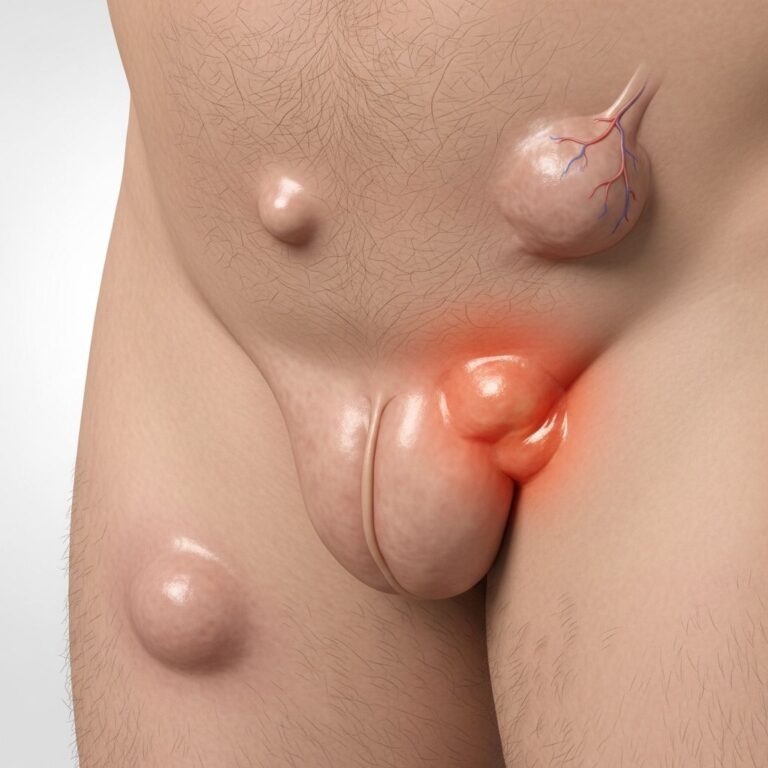
- Lymphatic filariasis: Parasitic infection causing lymphoedema and hydrocoele
- Mycetoma and deep fungal infections: Chronic infections causing localized swelling and tissue damage
- Onchocerciasis: Parasitic disease transmitted by blackflies
- Scabies: Parasitic skin infection causing intense itching
- Yaws: A chronic relapsing infection caused by Treponema pallidum pertenue
Mycetoma
Mycetoma is a chronic infectious disease characterized by localized swelling and the development of papules and sinus tracts on the skin surface. The infection is caused either by actinomycetes or filamentous bacteria (actinomycetoma) or by fungi (eumycetoma). Mycetoma occurs in tropical regions spanning from Mexico to Thailand, with endemic areas concentrated primarily in the “mycetoma belt” between latitudes 15°N and 15°S.
Leprosy
Leprosy has long been a significant health burden in many tropical countries worldwide. Although treatable with multidrug therapy, leprosy causes substantial morbidity through skin lesions that, if untreated, become extensive and destructive. Beyond cutaneous manifestations, leprosy causes progressive nerve damage leading to sensory loss and destructive trophic changes. Immunological responses to infection, manifested as Type 1 and Type 2 leprosy reactions, produce aggressive local and systemic reactions that can be potentially fatal.
Risk Factors and Complications
Several factors increase the risk of developing tropical skin diseases and their complications. The presence of tinea pedis in patients with lymphoedema living in areas endemic for lymphatic filariasis significantly increases the risk of developing recurrent cellulitis episodes. These recurrent infections lead to pain, functional disability, and loss of work productivity.
Alleviating disability and preventing further tissue damage in patients with tropical ulcerated conditions represents a major challenge to local healthcare resources. Neuropathic ulcers occurring in leprosy and the massive limb and scrotal swelling associated with lymphatic filariasis require comprehensive morbidity management strategies.
Diagnostic Approaches and Recent Advances
The WHO’s 2017 initiative to address skin-related neglected tropical diseases has accelerated the development of new diagnostic and treatment approaches. Recent advances include the development of point-of-care diagnostic tests that can be deployed in resource-limited settings. DNA and RNA-based testing methodologies are emerging as important tools for improving diagnostic accuracy and monitoring for drug-resistant organisms.
Enhanced surveillance systems for conditions such as leprosy have been implemented, improving case detection and treatment initiation rates. The integrated approach to detecting and treating multiple co-existing NTDs simultaneously has improved efficiency in resource-limited healthcare settings.
Treatment Considerations
Treatment of tropical skin diseases requires consideration of drug availability, cost, tolerability, and resistance patterns. While multidrug therapy has proven effective for conditions such as leprosy and yaws, challenges remain in ensuring equitable access to treatment in resource-limited tropical settings.
The rise of resistant organisms presents an emerging challenge in tropical dermatology. Development of point-of-care DNA-RNA-based testing is crucial for monitoring drug resistance patterns and guiding treatment decisions.
Prevention and Control Strategies
Prevention of tropical skin diseases requires multipronged approaches including vector control, health education, and improved access to diagnostic and treatment services. The WHO’s integrated strategy emphasizes simultaneous management of multiple tropical diseases to improve efficiency and reduce overall disease burden.
Training frontline healthcare workers to identify and manage skin NTDs is essential for improving case detection and treatment outcomes. Healthcare workers without specialist dermatological training can be equipped to recognize characteristic signs and symptoms and initiate appropriate pathways for diagnosis and management.
Impact on Quality of Life
Tropical skin diseases have profound impacts on affected individuals beyond physical manifestations. The visible nature of many tropical skin conditions reinforces feelings of social isolation and stigmatization experienced by patients. The chronic nature of many conditions, combined with associated disability and disfigurement, significantly impacts psychological well-being and social integration.
Frequently Asked Questions
Q: What distinguishes tropical skin diseases from those seen in temperate climates?
A: Tropical skin diseases differ in prevalence patterns and causative organisms. For example, Group A streptococcal infections are more common in tropical regions, while tinea capitis and tinea corporis predominate over onychomycosis and tinea pedis that are more common in cooler climates.
Q: How are tropical skin diseases transmitted?
A: Many tropical skin diseases are transmitted through insect vectors. Disease-carrying insects transmit infections when they bite humans. Other tropical skin diseases spread through direct contact or environmental exposure.
Q: What are neglected tropical diseases (NTDs)?
A: NTDs are diseases designated by the WHO as significant public health priorities affecting vulnerable populations in tropical and subtropical regions. Skin NTDs include conditions such as leprosy, buruli ulcer, cutaneous leishmaniasis, lymphatic filariasis, mycetoma, onchocerciasis, scabies, and yaws.
Q: Why is mycetoma considered a serious tropical disease?
A: Mycetoma is a chronic progressive infection causing localized swelling, tissue destruction, and sinus tract formation. Without treatment, it leads to significant disability and functional impairment, particularly affecting working-age populations in tropical regions.
Q: How has the WHO’s 2017 initiative improved management of tropical skin diseases?
A: The WHO’s unified effort increased resources for surveillance, encouraged development of point-of-care diagnostic tests, improved drug distribution, and promoted integrated approaches to detect and treat multiple co-existing NTDs simultaneously.
Q: What challenges exist in treating fungal infections in tropical regions?
A: Major challenges include lack of surveillance systems, high costs of oral antifungal therapy, limited accessibility to effective treatments for most populations, and the inability to implement community-wide control strategies needed for diseases like tinea capitis.
Conclusion
Tropical skin diseases represent a significant health burden affecting millions of people in tropical and subtropical regions worldwide. These conditions range from common bacterial and fungal infections to neglected tropical diseases designated as public health priorities by the WHO. Effective management requires understanding regional epidemiology, improving diagnostic capacity, ensuring access to treatments, and implementing prevention and control strategies adapted to local contexts. Continued investment in research, healthcare worker training, and integrated disease management approaches is essential for reducing the burden of tropical skin diseases and improving outcomes for affected populations.
References
- Skin Disease in the Tropics: Lessons from Leprosy — National Center for Biotechnology Information (NCBI). PMC9128894. https://pmc.ncbi.nlm.nih.gov/articles/PMC9128894/
- Tropical Skin Diseases — DermNet NZ. https://dermnetnz.org/topics/tropical-skin-diseases
- Tropical Infectious Diseases and the Skin: Diagnostic and Treatment Updates Since the WHO’s Integrated Campaign Against Neglected Tropical Skin Diseases — Wiley Online Library. October 31, 2023. https://onlinelibrary.wiley.com/doi/full/10.1002/der2.214
- Tropical Infectious Diseases and the Skin — World Health Organization. https://onlinelibrary.wiley.com/doi/full/10.1002/der2.214
- Recognizing Neglected Tropical Diseases Through Changes on the Skin — World Health Organization. https://www.who.int/publications/i/item/9789241513531
- Training Resources for Skin Neglected Tropical Diseases — Oxford Academic. January 2025. https://academic.oup.com/ced/advance-article/doi/10.1093/ced/llaf214/8164532
Similar Articles








Read full bio of Sneha Tete