Troponin Test: Purpose, Procedure, and Results
Understanding troponin testing: A crucial diagnostic tool for detecting heart muscle damage and heart attacks.
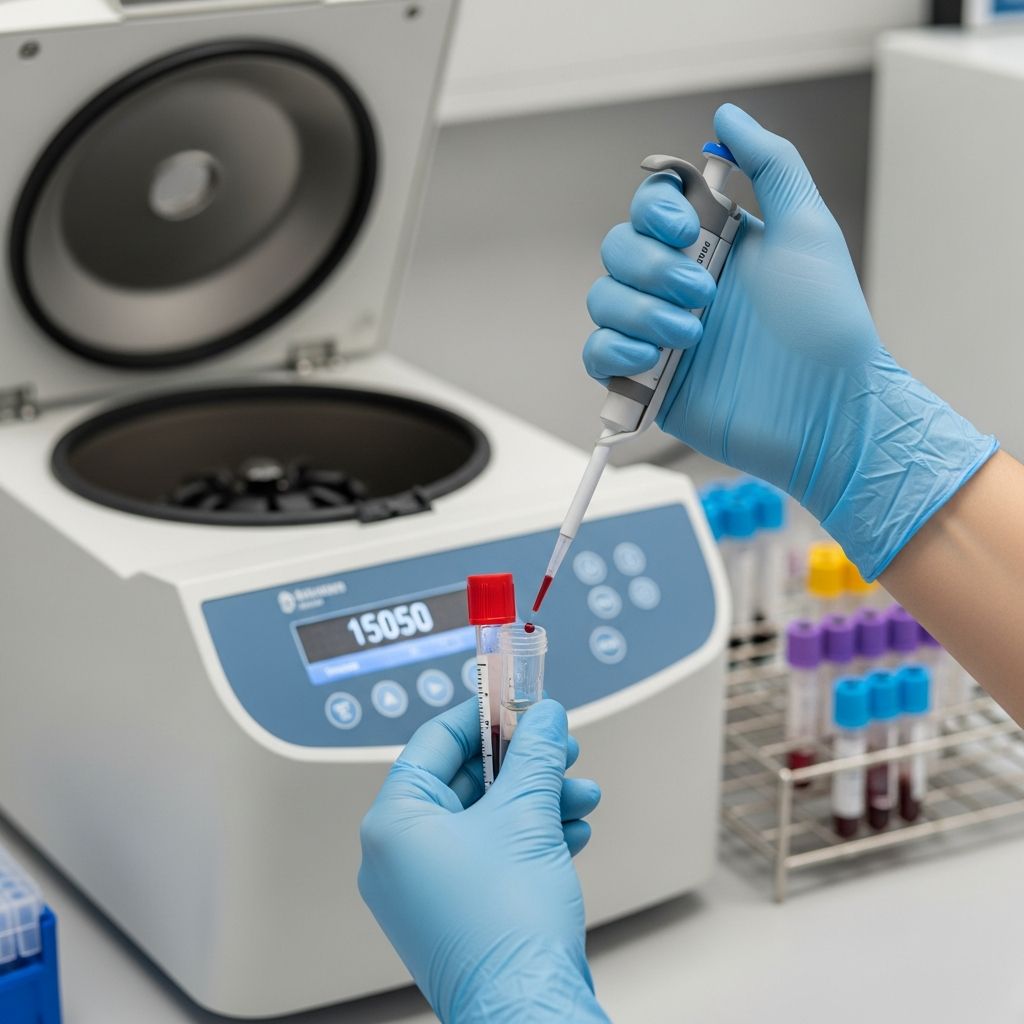
What Is a Troponin Test?
A troponin test is a blood test that measures the level of troponin proteins in your bloodstream. Troponin is a regulatory protein found exclusively in heart muscle cells that controls the interaction between actin and myosin filaments during muscle contraction. When heart muscle tissue is damaged, troponin is released into the bloodstream, making it an exceptionally sensitive marker for cardiac injury.
The troponin test was first introduced in clinical practice in 1995 and has since become the gold standard for detecting myocardial injury. Unlike earlier cardiac markers such as creatine phosphokinase (CPK), troponin is highly specific to the heart, as this protein is not found in significant quantities in other tissues. This specificity makes the troponin test one of the most reliable diagnostic tools for assessing heart muscle damage.
There are three main types of troponin in cardiac muscle: troponin C, troponin I, and troponin T. The clinical troponin tests measure either troponin I (cTnI) or troponin T (cTnT), as these two forms are unique to cardiac muscle and are not found in skeletal muscle.
Why Do You Need a Troponin Test?
Your healthcare provider may order a troponin test for several important reasons related to your cardiac health and symptom evaluation.
Diagnosing a Heart Attack
The primary use of troponin testing is to confirm whether a person is currently experiencing or has recently experienced a heart attack, medically known as acute myocardial infarction (AMI). When you arrive at an emergency room with symptoms suggestive of a heart attack—such as chest pain or pressure, shortness of breath, nausea, or arm pain—one of the first tests ordered is typically a troponin test. The test is usually performed alongside other cardiac diagnostic tools such as an electrocardiogram (EKG or ECG) to provide a comprehensive assessment.
Evaluating Acute Coronary Syndromes
Beyond classic heart attacks, troponin testing is instrumental in diagnosing acute coronary syndromes (ACS), which include unstable angina and non-ST elevation myocardial infarction (NSTEMI). These conditions represent a spectrum of acute cardiac ischemia where the heart muscle is not receiving sufficient oxygen-rich blood.
Assessing Other Cardiac Conditions
Elevated troponin levels can also assist in diagnosing and monitoring various other heart-related conditions, including heart failure, particularly in acute decompensation situations. Chronic elevations in troponin have been detected in patients with stable heart failure, different forms of cardiomyopathy, and other chronic cardiac conditions.
Monitoring After Heart Procedures
Troponin testing may also be used to assess for myocardial injury following interventional procedures such as coronary angiography or percutaneous coronary intervention (PCI), or after cardiac surgery.
How the Troponin Test Works
Understanding the mechanism of troponin testing helps explain why it is such an effective diagnostic tool. When heart muscle cells are damaged or undergoing necrosis, they release their cellular contents into the bloodstream, including troponin proteins. A blood sample is collected and sent to the laboratory where specialized immunoassay techniques detect and quantify the amount of troponin present.
Related Stories



The test can typically be performed within hours of sample collection, making it ideal for emergency room settings where rapid diagnosis is critical. Modern high-sensitivity assays have dramatically improved the detection of even minute amounts of troponin, allowing earlier diagnosis of acute myocardial infarction.
Types of Troponin Tests
There are two main commercially available cardiac troponin tests, each with specific characteristics and clinical applications.
Troponin I (cTnI)
Troponin I is a regulatory protein unique to cardiac and skeletal muscle. The cardiac troponin I assay is highly specific for detecting cardiac muscle damage because it has minimal cross-reactivity with skeletal muscle troponin. Multiple commercial assays for troponin I are available, each with their own reference ranges and clinical cutoff values.
Troponin T (cTnT)
Troponin T is another regulatory protein that is the primary regulatory component of the troponin complex. Troponin T assays, particularly the high-sensitivity version (hs-TnT), have excellent specificity for cardiac muscle. The high-sensitivity troponin T test can detect even lower levels of troponin in the blood, improving the sensitivity and negative predictive value of the test.
High-Sensitivity Cardiac Troponin (hs-cTn)
High-sensitivity cardiac troponin assays represent a significant advancement in cardiac diagnostics. These next-generation tests can detect cardiac troponin at concentrations approximately 10-100 times lower than conventional assays. The hs-cTn test allows physicians to evaluate patients for heart attack within two to four hours of hospital admission, compared to the longer timeframes required with conventional troponin tests.
The enhanced sensitivity of high-sensitivity troponin tests means they can detect myocardial injury earlier in the course of acute coronary syndromes, potentially enabling faster treatment decisions and improved patient outcomes.
When and How the Test Is Done
The troponin test is typically performed as an emergency room procedure when a patient presents with symptoms concerning for acute coronary syndrome. The test procedure is straightforward and involves routine blood collection.
A healthcare provider will clean the inside of your arm with an antiseptic solution and insert a needle into a vein to collect a blood sample. The sample is then sent to the laboratory for analysis. The entire procedure takes only a few minutes.
It is important to note that a single troponin test has limitations. If your heart attack remains active, your heart will continue releasing troponin into your bloodstream. Therefore, doctors typically order serial troponin measurements—multiple tests performed at different time intervals, usually at 0 hours (initial), 3 hours, and sometimes 6 hours after presentation. By comparing the results of these sequential tests, your physician can determine whether troponin levels are rising (suggesting active myocardial injury) or falling (suggesting the acute event is resolving).
Normal Troponin Levels
Normal troponin levels in the blood are very low, as troponin is only released when heart muscle is damaged. The exact normal range varies depending on the specific assay used and whether it is a conventional or high-sensitivity test.
Standard Troponin Test Normal Ranges
For conventional troponin assays, normal levels are typically around 0 to 0.04 nanograms per milliliter (ng/mL). These reference ranges can vary slightly between different laboratory testing facilities and assay manufacturers.
High-Sensitivity Troponin Normal Ranges
High-sensitivity troponin tests have different normal reference ranges due to their improved detection capabilities:
– High-sensitivity troponin I for males: Less than or equal to 20 nanograms per liter (ng/L)
– High-sensitivity troponin T for females: Less than or equal to 10 nanograms per liter (ng/L)
– High-sensitivity troponin T for males: Less than or equal to 15 nanograms per liter (ng/L)
It is essential to understand that normal troponin levels do not necessarily mean your heart is completely healthy—they simply indicate that there is no acute cardiac injury at the time of testing.
Understanding Your Test Results
Normal Results
If your troponin level is within the normal range, it suggests that you are not currently experiencing acute myocardial infarction. However, this does not completely rule out heart disease or other cardiac conditions, particularly if you are experiencing chest pain or other cardiac symptoms. Further cardiac evaluation with additional tests such as stress testing or cardiac imaging may be warranted.
Elevated Troponin Results
An elevated troponin level indicates that your heart muscle has been damaged. However, it is crucial to understand that an elevated troponin result alone cannot tell your doctor what caused the damage. Elevated troponin can result from various cardiac and non-cardiac conditions requiring further investigation.
When troponin levels rise above the normal reference range, physicians interpret the magnitude and trajectory of elevation. A rising troponin pattern across serial measurements is more indicative of acute myocardial infarction than a single elevated value. If follow-up troponin tests show no further increases, your heart attack is likely resolving. Conversely, continuing rises in troponin suggest ongoing myocardial injury.
Causes of Elevated Troponin
While acute myocardial infarction is the most common cause of elevated troponin, numerous other conditions can elevate troponin levels. Understanding these alternative etiologies is important for proper clinical interpretation.
Cardiac Causes
– Heart failure (both acute and chronic)
– Myocarditis (inflammation of the heart muscle)
– Cardiomyopathy (disease of the heart muscle)
– Coronary artery disease
– Pulmonary arterial hypertension (PAH)
– Arrhythmias
– Heart contusion (bruising of the heart muscle)
Non-Cardiac Causes
– Sepsis or severe infection
– Renal failure or chronic kidney disease
– Diabetes
– Rhabdomyolysis (muscle breakdown)
– Polymyositis (muscle inflammation)
– Stroke or traumatic brain injury
– Pulmonary embolism
– Chemotherapy or cardiotoxic drug exposure
– Extreme emotional stress or grief
– Severe trauma
Advantages of High-Sensitivity Troponin Testing
The introduction of high-sensitivity cardiac troponin assays has revolutionized the approach to diagnosing acute coronary syndromes. These advanced tests offer several significant advantages over conventional troponin assays.
High-sensitivity troponin tests can detect myocardial injury much earlier in the course of acute myocardial infarction, potentially within hours of symptom onset. This early detection enables faster treatment initiation, which is crucial because “time is muscle” in cardiology—the earlier appropriate treatment is initiated, the better the outcomes.
A 2-sample algorithm for high-sensitivity cardiac troponin testing has proven to be a powerful tool for determining the risk of future cardiovascular events and all-cause mortality. These tests have also improved risk stratification, allowing physicians to identify high-risk patients who may benefit from more aggressive intervention.
Additionally, high-sensitivity troponin testing has better negative predictive value, meaning if the result is negative, it is more reliably rules out acute myocardial infarction, potentially allowing lower-risk patients to avoid unnecessary hospital admission.
Limitations and Considerations
While troponin testing is extremely valuable, it has certain limitations that healthcare providers must consider. A troponin test cannot identify the specific cause of myocardial injury—only that injury has occurred. This is why it must always be used in conjunction with other diagnostic tests including EKG, echocardiography, coronary angiography, and clinical assessment.
Additionally, very rarely, false-positive results can occur due to laboratory error or interference with the assay. The timing of the test relative to symptom onset is also important, as troponin may not be elevated in the very earliest stages of myocardial infarction.
Frequently Asked Questions
Q: How long does it take to get troponin test results?
A: Results are typically available within 1-2 hours, though high-sensitivity assays may provide results within 30 minutes to 1 hour in many laboratories. In emergency situations, rapid troponin assays can provide preliminary results very quickly.
Q: Can troponin be elevated without having a heart attack?
A: Yes, troponin can be elevated in numerous non-heart attack conditions including heart failure, sepsis, renal failure, diabetes, and various other cardiac and non-cardiac conditions. This is why troponin results must always be interpreted in the clinical context.
Q: How many troponin tests are needed to diagnose a heart attack?
A: Typically, at least two or three troponin measurements are performed at intervals to assess the rising or falling pattern. A single elevated value is less diagnostic than serial measurements showing an upward trend.
Q: Is the troponin test safe?
A: Yes, the troponin test is safe. It only involves routine blood collection, which carries minimal risk. Some people may experience slight bruising or discomfort at the needle insertion site.
Q: What does a normal troponin result mean?
A: A normal troponin result suggests no acute myocardial infarction at the time of testing. However, it does not rule out other cardiac conditions or disease, especially if symptoms persist.
Q: Why do troponin levels continue to rise after a heart attack?
A: Troponin continues to be released as long as heart muscle cells are being damaged. Rising troponin levels indicate ongoing myocardial injury and the need for continued treatment.
References
- Cardiac Troponin Test: A test that detects a heart attack — WebMD. 2024. https://www.webmd.com/heart-disease/what-is-cardiac-troponin-test
- Troponin Test: MedlinePlus Medical Test — U.S. National Library of Medicine. 2024. https://medlineplus.gov/lab-tests/troponin-test/
- Enzyme Markers: Purpose, Procedure & Results — Cleveland Clinic. 2024. https://my.clevelandclinic.org/health/diagnostics/22174-enzyme-markers
- Troponin Test May Aid Heart Attack Diagnosis in Women — Abbott. 2024. https://www.abbott.com/corpnewsroom/products-and-innovation/troponin-test-may-aid-heartattack-diagnosis-in-women.html
- Using Troponin T to Diagnose Acute Coronary Syndromes — Cleveland Clinic Journal of Medicine. 2002. https://www.ccjm.org/content/ccjom/67/11/843.full.pdf
- Cardiac Troponin Testing: Goodbye, ‘Troponinemia’ — Cleveland Clinic Journal of Medicine. 2020. https://www.ccjm.org/content/87/8/483
- Troponin T, High Sensitivity (hs-TnT) — Cleveland HeartLab. 2024. https://www.clevelandheartlab.com/tests/troponin-t-cardiac/
Similar Articles








Read full bio of medha deb