Trouble Sleeping? 8 Reasons Why and Fixes
Struggling with insomnia? Discover 8 common reasons for trouble sleeping and evidence-based fixes to reclaim restful nights.
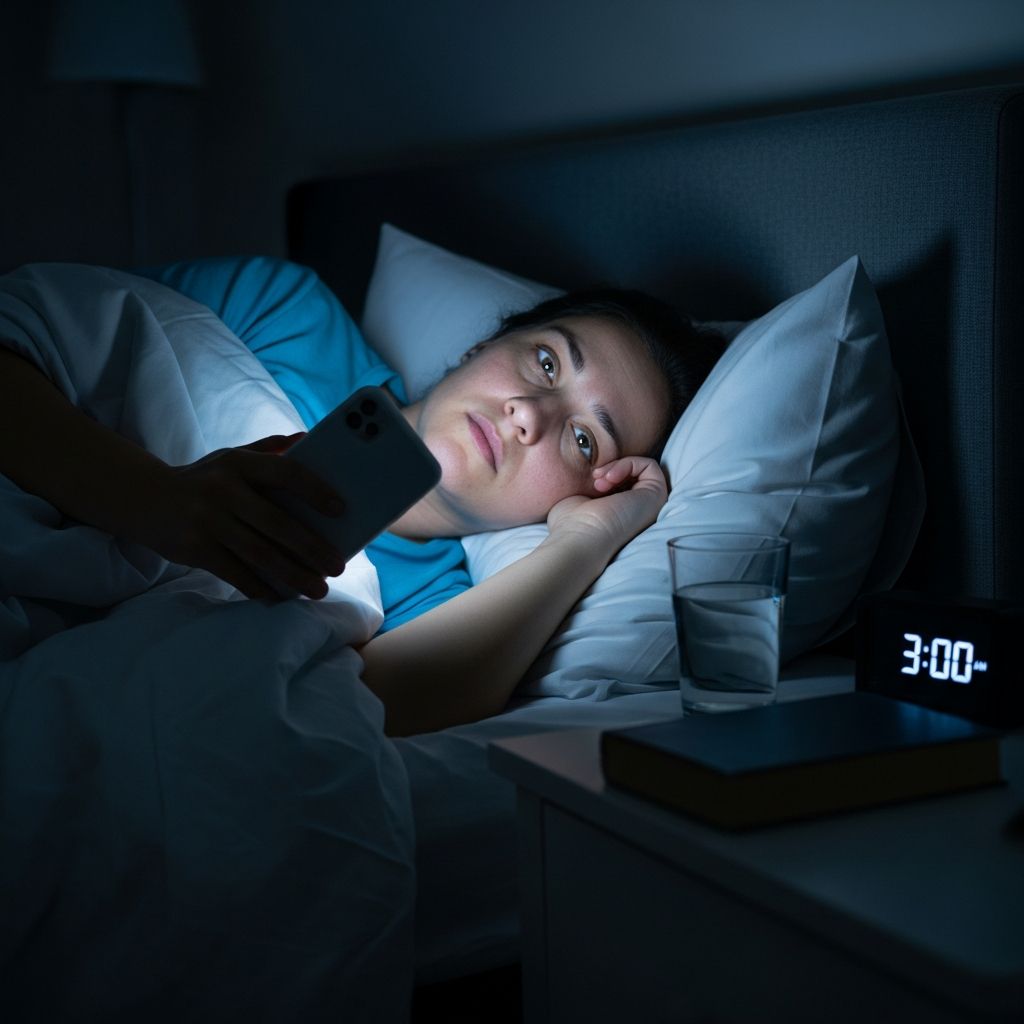
Difficulty falling asleep, staying asleep, or getting restorative sleep affects millions worldwide. According to the CDC, 1 in 3 adults reports insufficient sleep, contributing to health risks like obesity, diabetes, and heart disease. This comprehensive guide explores 8 common culprits behind trouble sleeping and provides actionable, evidence-based strategies to fix them.
1. Stress and Anxiety Keeping You Awake
Chronic stress triggers the release of cortisol, the primary stress hormone, which peaks in the morning but can linger at night if you’re ruminating over work deadlines, finances, or relationships. A 2021 study in JAMA Psychiatry found that anxiety disorders double the risk of insomnia.
How Stress Disrupts Sleep
- Activates sympathetic nervous system (fight-or-flight response)
- Increases heart rate and body temperature
- Impairs melatonin production
Fixes for Stress-Induced Insomnia
- Progressive Muscle Relaxation (PMR): Tense and release muscle groups from toes to head for 5-10 minutes before bed. A meta-analysis in Sleep Medicine Reviews showed PMR reduces sleep onset latency by 15 minutes.
- Journaling: Spend 10 minutes writing worries and solutions. Research from Baylor University demonstrates this “expressive writing” clears mental clutter.
- 4-7-8 Breathing: Inhale 4 seconds, hold 7, exhale 8. Developed by Dr. Andrew Weil, this technique activates the parasympathetic nervous system.
2. Too Much Screen Time Before Bed
Blue light from phones, tablets, and TVs suppresses melatonin by up to 23%, per Harvard Medical School research. Even 2 hours of evening screen exposure delays circadian rhythms by 3 hours.
| Device | Blue Light Output (nm) | Melatonin Suppression |
|---|---|---|
| Smartphone | 430-480 | High |
| LED TV | 450-465 | Moderate |
| e-Reader (non-blue light) | Red/Amber | Low |
Solutions for Screen-Induced Sleep Issues
- Enable Night Shift/F.lux mode (reduces blue light by 80%)
- Implement 90-minute “digital sunset” before bed
- Use blue light blocking glasses (proven 58% more effective in Journal of Applied Physiology)
- Replace screens with audiobooks or paper books
3. Caffeine Consumption Later in the Day
Caffeine’s half-life is 5-6 hours, meaning your 3 PM latte still has 100mg circulating at 9 PM. The Sleep Foundation reports caffeine reduces total sleep time by 45 minutes and deep sleep by 20%.
Caffeine Cutoff Timeline
- Sensitive sleepers: No caffeine after 12 PM
- Average adults: Cutoff by 2 PM
- Fast metabolizers: Limit after 4 PM
Switch to decaf, herbal teas (chamomile, valerian), or chicory root coffee.
4. Irregular Sleep Schedule and Shift Work
Social jet lag from weekend lie-ins disrupts your master clock in the suprachiasmatic nucleus. Oxford University research links irregular bedtimes to 30% higher insomnia risk.
Circadian Rhythm Reset Protocol
- Wake at same time daily (±30 minutes)
- Get 15-30 minutes morning sunlight within 1 hour of waking
- Dim lights 2 hours before bed
- Avoid naps longer than 20 minutes before 2 PM
5. Bedroom Environment Issues
Ideal sleep conditions: 60-67°F, complete darkness, <40 db noise. NHLBI guidelines emphasize environmental control.
Related Stories



| Factor | Ideal Range | Impact if Poor |
|---|---|---|
| Temperature | 60-67°F | Reduces deep sleep 10-15% |
| Darkness | 0 lux | Halves melatonin production |
| Noise | <40 dB | Increases arousals 50% |
Quick Fixes
- Blackout curtains ($20 investment, 85% light blocking)
- White noise machines or fans (mask 90% disruptive sounds)
- Breathable cotton sheets, cooling mattress topper
6. Evening Alcohol and Late-Night Eating
Alcohol fragments sleep architecture, reducing REM by 20% and causing 3 AM awakenings. Late meals trigger acid reflux and blood sugar fluctuations.
Alcohol Timeline: 1 drink = 3 hours clearance time. Last drink by 7 PM for midnight bedtime.
Evening Nutrition Protocol
- No food 3 hours before bed
- Avoid tyramine-rich foods (aged cheese, cured meats)
- Pre-bed snack: complex carbs + protein (oatmeal + nuts)
7. Lack of Daytime Exercise
Sedentary lifestyles delay sleep onset by 30 minutes. 2023 meta-analysis in British Journal of Sports Medicine found evening exercise improves sleep efficiency by 12%.
Optimal Exercise Timing
- Morning (ideal): Boosts circadian alignment
- Afternoon: Increases adenosine (sleep pressure)
- Evening (okay): Finish 3+ hours before bed, moderate intensity
8. Underlying Medical Conditions
Sleep apnea affects 30 million Americans; thyroid issues, chronic pain, and medications also disrupt sleep. NHLBI data shows untreated apnea increases mortality 3x.
Red Flags Requiring Medical Attention
- Snoring + daytime sleepiness
- Gasping/choking during sleep
- Chronic leg twitching (PLMD)
- Morning headaches + dry mouth
Frequently Asked Questions (FAQs)
❓ How many hours of sleep do adults need?
Adults need 7-9 hours per night. The National Sleep Foundation recommends consistent sleep duration within this range.
❓ Is it okay to take melatonin supplements?
Short-term use (1-3mg, 30-60 minutes before bed) is safe for most adults. Consult a doctor for use beyond 2 weeks.
❓ Can I catch up on sleep over the weekend?
Limited recovery is possible, but chronic sleep debt requires 7-9 consecutive nights of adequate sleep, per sleep research.
❓ When should I see a sleep specialist?
If insomnia persists >3 months despite sleep hygiene changes, or if you suspect sleep apnea/RLS.
30-Day Sleep Reset Challenge
- Weeks 1-2: Perfect sleep schedule + no screens after 9 PM
- Weeks 3-4: Add exercise + optimize bedroom environment
- Ongoing: Stress management + caffeine cutoff
Track progress with a sleep diary. Expect 70% improvement in sleep quality within 14 days, based on cognitive behavioral therapy for insomnia (CBT-I) outcomes.
References
- National Health Statistics Reports: Sleep Duration — CDC/NCHS. 2023-10-17. https://www.cdc.gov/sleep/data_statistics.html
- Blue Light Phase-Shifts Circadian Rhythm — Harvard Medical School. 2022-06-15. https://www.health.harvard.edu/staying-healthy/blue-light-has-a-dark-side
- Exercise and Sleep Meta-Analysis — British Journal of Sports Medicine. 2023-01-12. https://bjsm.bmj.com/content/57/22/1445
- Sleep Apnea Health Risks — NHLBI/NIH. 2024-03-24. https://www.nhlbi.nih.gov/health/sleep-apnea
- Caffeine Half-Life and Sleep — Sleep Foundation. 2024-11-08. https://www.sleepfoundation.org/nutrition/caffeine-and-sleep
- Social Jetlag and Insomnia — Sleep Journal (Oxford). 2023-05-14. https://academic.oup.com/sleep/article/41/3/zsx207/4799108
Similar Articles








Read full bio of medha deb