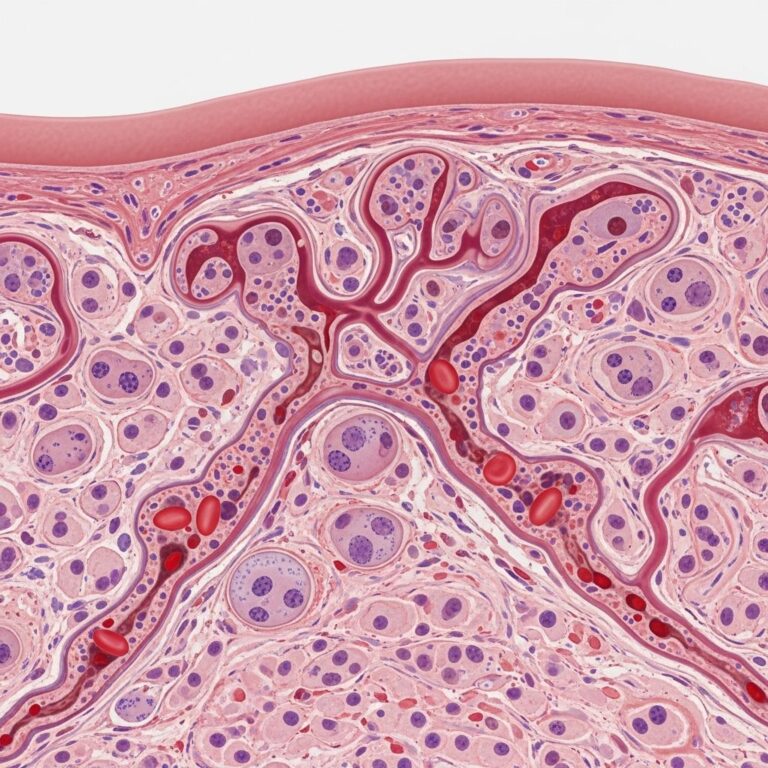
Dietary Fats: 7 Practical Tips For Choosing Healthy Fats
Learn which fats boost heart health and which ones to avoid for optimal wellness.
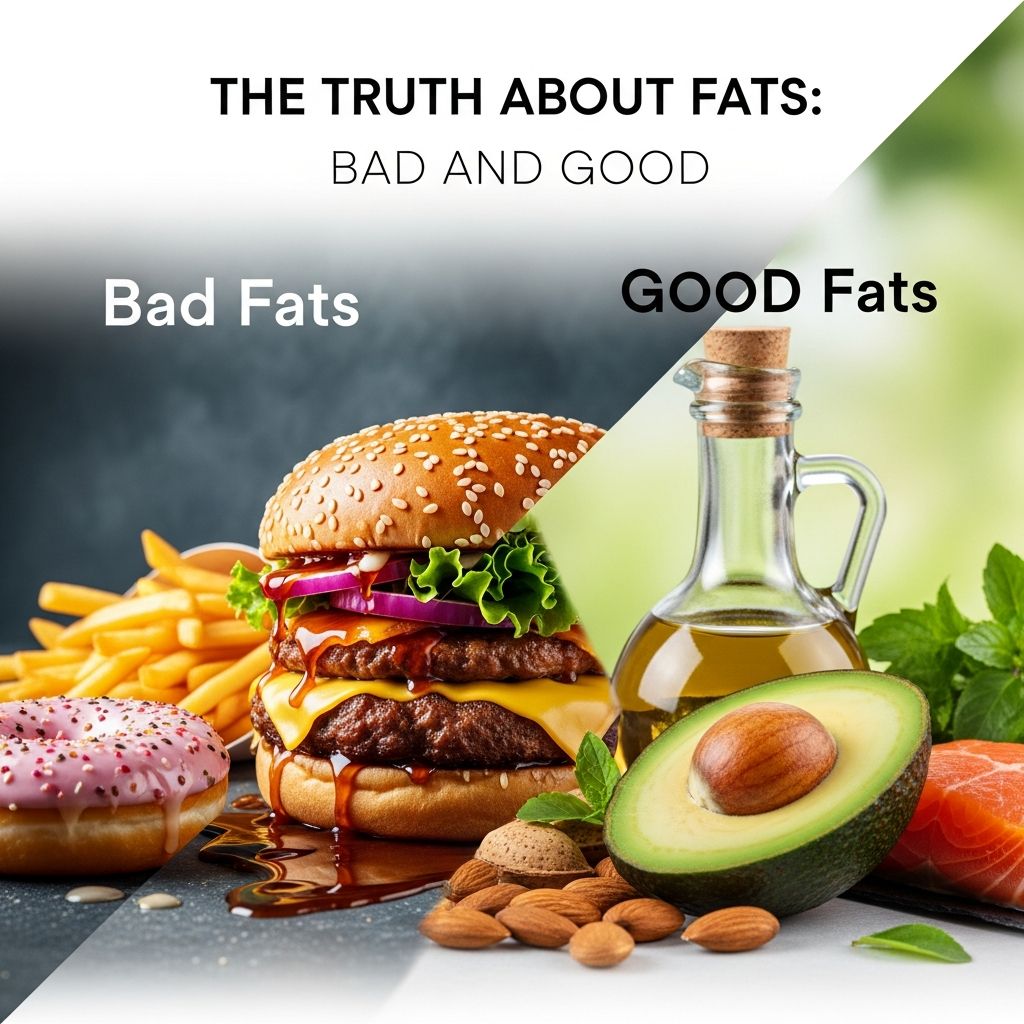
Understanding Dietary Fats: Separating Myth from Science
For decades, dietary guidelines promoted low-fat diets as the path to better health. However, contemporary nutritional science has fundamentally shifted our understanding of fats. Rather than viewing all fats as enemies, researchers now recognize that the type of fat you consume matters far more than the total amount. Contrary to past dietary advice promoting low-fat diets, newer research shows that healthy fats are necessary and beneficial for health. The key to optimal nutrition lies in understanding which fats support your body and which ones should be minimized.
When food manufacturers reduce fat content, they typically replace it with refined carbohydrates from sugar, refined grains, or other starches. Our bodies digest these refined carbohydrates and starches very quickly, affecting blood sugar and insulin levels and possibly resulting in weight gain and disease. This substitution often proves more harmful than the original fat content, demonstrating that simply cutting fat without considering replacement foods can backfire nutritionally.
The Different Types of Dietary Fat
Understanding the distinct categories of dietary fat is essential for making informed nutritional choices. Each type affects your body differently, influencing cholesterol levels, inflammation, and overall cardiovascular health.
Unsaturated Fats: The Healthy Choice
Unsaturated fats, which are liquid at room temperature, are considered beneficial fats because they can improve blood cholesterol levels and ease inflammation. These fats come from two primary categories: monounsaturated and polyunsaturated fats, each offering unique health benefits.
Monounsaturated Fats (MUFA): Found primarily in plant sources such as olive oil, nuts, seeds, and avocados, monounsaturated fats have demonstrated protective cardiovascular effects. Research shows that replacing five percent of energy from saturated fat with monounsaturated fat was associated with a fifteen percent lower risk of coronary heart disease. A randomized trial known as the Optimal Macronutrient Intake Trial for Heart Health (OmniHeart) demonstrated that replacing a carbohydrate-rich diet with one rich in unsaturated fat, predominantly monounsaturated fats, lowers blood pressure, improves lipid levels, and reduces estimated cardiovascular risk.
Polyunsaturated Fats (PUFA): These fats, abundant in fatty fish, walnuts, flaxseeds, and vegetable oils, offer compelling heart-protective benefits. Many lines of evidence support cardiovascular benefits from polyunsaturated fat consumption, whether as a replacement for saturated fat or carbohydrate. A meta-analysis of prospective cohort studies found that increased consumption of linoleic acid, a key polyunsaturated fat, was associated with a fifteen percent lower risk of coronary heart disease events and a twenty-one percent lower risk of coronary heart disease death. The relationship proved dose-responsive and independent of other traditional coronary heart disease risk factors.
Dutch researchers conducted an analysis of sixty trials that examined the effects of carbohydrates and various fats on blood lipid levels. In trials in which polyunsaturated and monounsaturated fats were eaten in place of carbohydrates, these good fats decreased levels of harmful LDL cholesterol and increased protective HDL cholesterol. Evidence from clinical trials further supports these findings: when polyunsaturated fat consumption increased as a replacement for saturated fat, it resulted in a nineteen percent decrease in coronary heart disease risk, with each five percent increase in energy from polyunsaturated fat corresponding to a ten percent decrease in coronary heart disease risk.
Related Stories



Saturated Fat: The Complicated Story
The relationship between saturated fat and cardiovascular disease has become increasingly nuanced. Though decades of dietary advice suggested saturated fat was harmful, in recent years that idea has begun to evolve. Several studies suggest that eating diets high in saturated fat do not raise the risk of heart disease, with one report analyzing the findings of twenty-one studies that followed three hundred fifty thousand people for up to twenty-three years.
However, the current scientific consensus emphasizes that saturated fat replacement matters significantly. Studies specifically modeling the comparison of saturated fat to total carbohydrate have shown saturated fat to have similar associations with cardiovascular risk compared to total carbohydrate. The 2015 Dietary Guidelines Advisory Committee concluded that replacing saturated fat with total carbohydrates does not reduce risk of cardiovascular disease. However, replacing saturated fat with high-quality carbohydrates such as whole grains was associated with lower coronary heart disease risk, whereas replacing saturated fat by total carbohydrates or refined starch and added sugars was not associated with coronary heart disease risk.
A recent analysis from the Nurses’ Health Study and Health Professionals Follow-up Study found that replacing carbohydrates with saturated fat was not associated with coronary heart disease mortality, while replacing carbohydrates with unsaturated fats significantly reduced coronary heart disease death. Substituting unsaturated fats for saturated fats, amounting to five percent of energy, reduced total mortality and mortality from coronary heart disease, cancer, and neurodegenerative diseases.
Trans Fat: The Worst Choice
Trans fats represent the most harmful type of dietary fat and should be avoided whenever possible. These artificial fats are created through the hydrogenation of vegetable oils and have been shown to:
- Raise harmful LDL cholesterol and lower beneficial HDL cholesterol
- Create inflammation, a reaction related to immunity which has been implicated in heart disease, stroke, diabetes, and other chronic conditions
- Contribute to insulin resistance and weight gain
- Have harmful health effects even in small amounts—for each additional two percent of calories from trans fat consumed daily, the risk of coronary heart disease increases by twenty-three percent
Current Dietary Guidelines and Recommendations
Leading health organizations have established specific guidelines for healthy fat consumption:
Saturated Fat Intake: The Dietary Guidelines for Americans recommends getting less than ten percent of calories each day from saturated fat. The American Heart Association goes even further, recommending limiting saturated fat to no more than seven percent of calories.
Polyunsaturated Fat Intake: The American Heart Association suggests that eight to ten percent of daily calories should come from polyunsaturated fats, and there is evidence that eating more polyunsaturated fat—up to fifteen percent of daily calories—in place of saturated fat can lower heart disease risk.
The Critical Replacement Principle: Cutting back on saturated fat will likely have no benefit, however, if people replace saturated fat with refined carbohydrates. Eating refined carbohydrates in place of saturated fat does lower bad LDL cholesterol, but it also lowers the good HDL cholesterol and increases triglycerides. The net effect is as bad for the heart as eating too much saturated fat.
The Science of Fat and Health Outcomes
Long-term prospective studies have provided crucial insights into how dietary fat affects overall health. Findings from the Nurses’ Health Study and the Health Professionals Follow-up Study show that no link exists between the overall percentage of calories from fat and any important health outcome, including cancer, heart disease, and weight gain. This groundbreaking finding reinforces that fat quality, not fat quantity, determines health outcomes.
Research demonstrates that the specific matrix of different foods—including other fatty acids, nutrients, and bioactives—may biologically modify the effect of saturated fat on coronary heart disease risk. This observation suggests that adopting a food-based approach to dietary guidance, rather than focusing solely on individual nutrients, may provide more accurate health recommendations.
Benefits of Consuming Unsaturated Fats
Beyond cardiovascular protection, unsaturated fats offer multiple health advantages:
- Improve blood cholesterol ratios by raising HDL and lowering LDL cholesterol
- Reduce inflammation throughout the body
- Support brain function and cognitive health
- Help prevent insulin resistance, a precursor to diabetes
- Support nutrient absorption for fat-soluble vitamins
- Promote satiety and healthy weight management
Practical Tips for Choosing Healthy Fats
Making smart dietary fat choices doesn’t require complete dietary overhauls. Consider these practical strategies:
- Cook with plant-based oils: Use olive oil, avocado oil, or other plant-based oils for cooking and salad dressings
- Consume fatty fish: Include salmon, mackerel, sardines, or trout at least twice weekly for omega-3 polyunsaturated fats
- Choose nuts and seeds: Incorporate almonds, walnuts, flaxseeds, and chia seeds as snacks and cooking ingredients
- Add avocados to meals: Include this nutrient-dense monounsaturated fat source in salads, sandwiches, and smoothies
- Limit processed foods: Minimize intake of commercially baked goods, fried foods, and other sources of trans fats
- Select lean proteins: When eating meat, choose leaner cuts and poultry without skin
- Read nutrition labels: Check for trans fat content and prioritize foods with unsaturated fats
The Bottom Line on Dietary Fat
Rather than adopting a low-fat diet, it’s more important to focus on eating beneficial fats and avoiding harmful fats. Fat is an important part of a healthy diet. The overarching message is that cutting back on saturated fat can be good for health if people replace saturated fat with good fats, especially polyunsaturated fats. The American Heart Association Presidential Advisory reviewed the scientific evidence and concluded that lowering intake of saturated fat and replacing it with unsaturated fats, especially polyunsaturated fats, will lower the incidence of cardiovascular disease.
Modern nutritional science demonstrates that healthy fats are not your enemy. Instead, they represent an essential component of optimal health. By understanding the differences between fat types and making informed dietary choices, you can harness the protective benefits of dietary fat while avoiding the harmful varieties.
Frequently Asked Questions
Q: Is all saturated fat equally harmful?
A: No. The effect of saturated fat depends significantly on what you replace it with. Saturated fat swapped for whole grains shows different health effects than saturated fat replaced with refined carbohydrates or unsaturated fats. The food matrix and overall dietary pattern matter as much as the individual fat type.
Q: How much unsaturated fat should I consume daily?
A: Current evidence suggests that replacing saturated fat and refined carbohydrates with unsaturated fats, particularly polyunsaturated fats up to fifteen percent of daily calories, provides optimal cardiovascular benefits. The American Heart Association recommends eight to ten percent from polyunsaturated fats as a baseline.
Q: Can eating fat help with weight management?
A: Yes. Unsaturated fats promote satiety and help you feel fuller longer, reducing overall calorie intake. Additionally, unsaturated fats help prevent insulin resistance, which can support healthy weight management when combined with other healthy lifestyle practices.
Q: Are omega-3 fats different from other polyunsaturated fats?
A: Omega-3 polyunsaturated fats found in fatty fish, walnuts, and flaxseeds offer unique anti-inflammatory benefits and support heart and brain health. While all polyunsaturated fats provide health benefits, omega-3s represent a particularly beneficial subtype.
Q: Why is replacing fat with refined carbohydrates unhealthy?
A: When refined carbohydrates replace fat, they cause rapid blood sugar and insulin spikes. While they lower harmful LDL cholesterol, they also reduce beneficial HDL cholesterol and increase triglycerides, resulting in a net negative effect for heart health.
Q: Should I avoid all saturated fat?
A: Complete avoidance isn’t necessary. The key is limiting saturated fat to less than ten percent of daily calories and ensuring that most fats in your diet come from unsaturated sources, particularly polyunsaturated fats.
References
- A healthy approach to dietary fats: understanding the science — National Institutes of Health (NIH), National Center for Biotechnology Information. 2017-09-15. https://pmc.ncbi.nlm.nih.gov/articles/PMC5577766/
- Types of Fat — Harvard T.H. Chan School of Public Health, The Nutrition Source. 2024-01-01. https://nutritionsource.hsph.harvard.edu/what-should-you-eat/fats-and-cholesterol/types-of-fat/
- Fats and Cholesterol — Harvard T.H. Chan School of Public Health, The Nutrition Source. 2024-01-01. https://nutritionsource.hsph.harvard.edu/what-should-you-eat/fats-and-cholesterol/
- Dietary Guidelines for Americans — United States Department of Agriculture. 2020-12-01. https://www.dietaryguidelines.gov/
- Diet and Lifestyle Recommendations Revision 2006 — American Heart Association. 2006-06-01. https://www.heart.org/
Similar Articles








Read full bio of Sneha Tete