The Truth About 4 Popular Heart Health Supplements
Discover what scientific research reveals about common heart supplements and cardiovascular wellness.
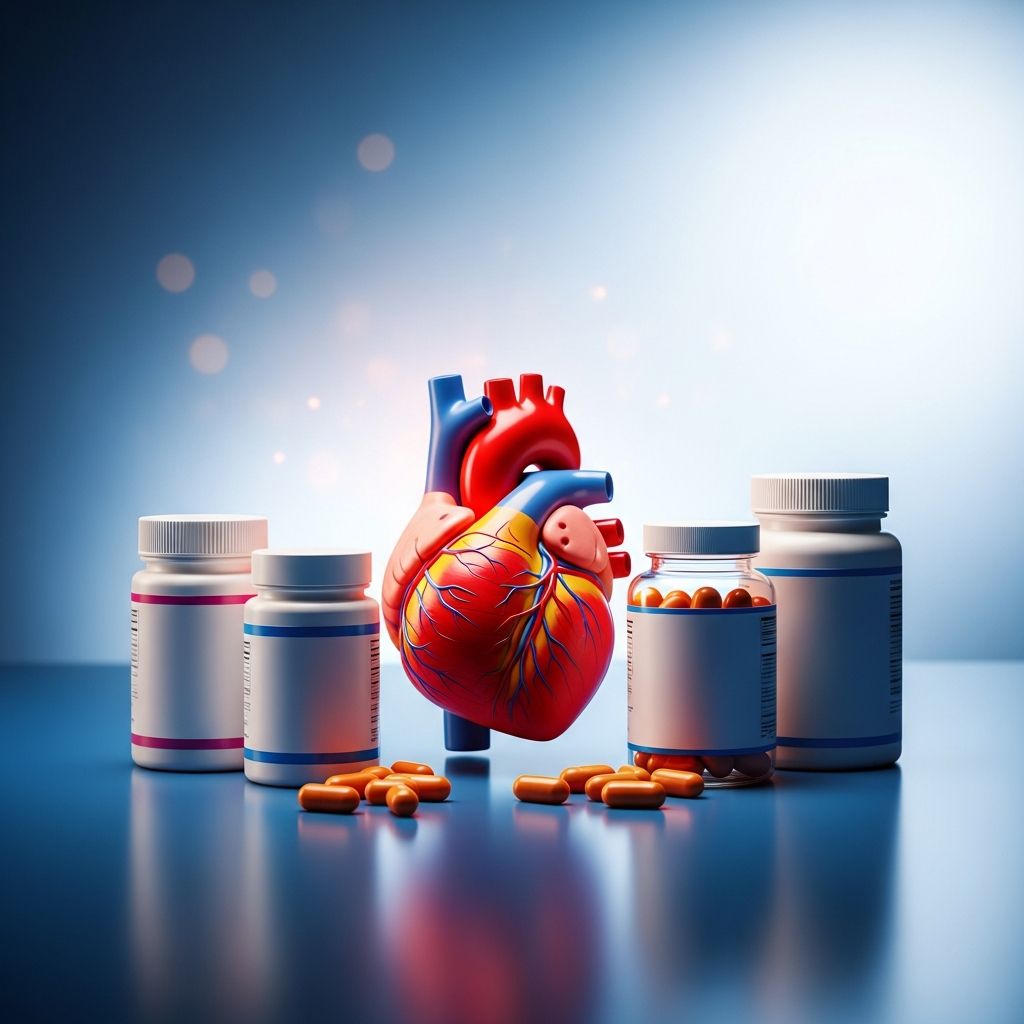
In the pursuit of better heart health, millions of Americans turn to dietary supplements, believing they offer protection against cardiovascular disease. The supplement industry is worth billions of dollars annually, and heart health supplements represent a significant portion of this market. However, recent comprehensive research from Johns Hopkins Medicine and other leading medical institutions reveals a more complex picture than supplement marketing suggests. This article examines four of the most popular heart health supplements and what the scientific evidence actually says about their effectiveness and safety.
The Supplement Misconception
Many people operate under the assumption that when it comes to health supplements, particularly those designed for heart health, more is always better. This belief has driven widespread supplement consumption, with an estimated 43 percent of American adults taking calcium supplements alone, according to the National Institutes of Health. However, comprehensive clinical analyses challenge this assumption. A massive study analyzing findings from 277 clinical trials using 24 different interventions concluded that the vast majority of vitamin, mineral, and other nutrient supplements cannot be linked to longer life or protection from heart disease.
The challenge with supplement marketing is that it often suggests that a single product can serve as a protective shield against cardiovascular disease. Yet the reality is far different. Your cardiologist at Johns Hopkins Medicine emphasizes that “the panacea or magic bullet that people keep searching for in dietary supplements isn’t there.” Instead, the growing body of scientific evidence increasingly points toward one clear message: people should focus on getting their nutrients from a heart-healthy diet, because the data demonstrate that the majority of healthy adults don’t need to take supplements.
Understanding the Calcium Supplement Controversy
Calcium From Diet vs. Supplements
One of the most striking findings from recent cardiovascular research concerns calcium supplementation. This distinction is crucial: calcium consumed through a heart-healthy diet appears protective, while calcium taken as a supplement may actually harm your heart. A groundbreaking 10-year study of more than 2,700 people conducted by Johns Hopkins Medicine researchers found a significant difference in how the body processes calcium depending on its source.
The research, published in the Journal of the American Heart Association, revealed that people consuming the highest dietary intake of calcium—over 1,022 milligrams per day through food sources—showed no increased risk of developing heart disease. In fact, the group consuming the most calcium from their diet was 27 percent less likely to develop heart disease compared to those consuming less than 400 milligrams daily through food. These findings suggest that calcium from food sources provides cardiovascular protection.
However, the picture changes dramatically when calcium is consumed as a supplement. Researchers found that supplement users showed a 22 percent increased likelihood of having their coronary artery calcium scores rise over the decade, indicating development of heart disease. This represents a meaningful and concerning difference in cardiovascular outcomes.
Why the Difference?
The fundamental question researchers face is why the body responds so differently to calcium from supplements versus calcium from food. One leading hypothesis suggests that supplements may contain calcium salts that behave differently in the body than calcium naturally present in food. Another explanation involves the timing and dose: when you take a supplement, you’re typically receiving a large dose all at once, which the body may be unable to process efficiently. In contrast, calcium from food is distributed throughout the day in smaller, more manageable amounts.
Related Stories



Evidence also suggests that calcium from supplements tends to accumulate in soft tissue rather than making it to the skeleton or being completely excreted in urine. This accumulation is particularly pronounced in older individuals, who already face increased cardiovascular risk as calcium-based plaque builds up in their arteries. The body’s inability to properly process and eliminate excess supplemental calcium may explain why it appears in arterial plaque rather than being used for bone health as intended.
Omega-3 Fatty Acid Supplements: Limited Benefits
Omega-3 fatty acids have become synonymous with heart health in popular culture and marketing. Fish oil and other omega-3 supplements line pharmacy shelves, often with prominent claims about cardiovascular protection. However, the clinical evidence suggests a more modest benefit than most consumers believe.
When researchers analyzed data from 41 studies involving 134,034 participants examining omega-3 supplementation, they found that supplement use was associated with an 8 percent reduction in heart attack risk and a 7 percent reduction in coronary heart disease compared to those not taking supplements. While these percentages represent some protective effect, the researchers graded the evidence supporting this link as “low.” Furthermore, the absolute risk reduction for most healthy individuals remains quite small.
This finding is particularly important for understanding the difference between relative risk reduction and absolute risk reduction. An 8 percent reduction in heart attack risk sounds impressive until you consider that if your baseline risk is already low, an 8 percent reduction translates to a minimal actual benefit. For most healthy adults without existing cardiovascular disease, omega-3 supplements may provide only marginal protection.
Vitamin D and Calcium Combination: Increased Stroke Risk
Many supplement regimens combine vitamin D and calcium, as this combination is widely promoted for bone health. However, recent research raises concerns about this popular combination specifically for cardiovascular outcomes. Analysis of 20 studies involving 42,072 research participants found that the combination of calcium with vitamin D supplements was associated with a 17 percent increased risk for stroke. Of the 3,690 participants who experienced strokes during these trials, the data suggested this increased risk when the supplements were taken together.
Importantly, researchers found no evidence that calcium or vitamin D taken alone had any health risks or benefits. The increased stroke risk appears specifically linked to the combination. This distinction is crucial for consumers taking multiple supplements—the interaction between different supplements can have effects not observed when supplements are taken individually.
Additionally, while earlier observational studies had suggested that low vitamin D levels were associated with increased cardiovascular risk, subsequent randomized controlled trials failed to demonstrate any cardiovascular benefit from vitamin D supplementation. Although vitamin D supplements do not appear to be harmful for cardiovascular health when taken alone, the lack of proven benefit in rigorous clinical trials should discourage their use specifically for heart disease prevention.
Folic Acid: Context Matters
Folic acid supplementation presents an interesting case where context and geography significantly influence the effectiveness of the supplement. Research based on 25 studies in 25,580 healthy people showed that folic acid was associated with a 20 percent reduced risk of stroke, with approximately 877 stroke events occurring during the trials. However, researchers graded the evidence for beneficial effects as “low.”
More importantly, the apparent protective effects of folic acid supplements were driven largely by studies conducted in China, where cereals and grains are not fortified with folic acid as they are in the United States. In regions where people obtain adequate folic acid through their regular diet—such as the U.S., where grains are fortified—this apparent protective effect of supplementation may not apply. For Americans already consuming adequate folic acid through their diet, additional supplementation offers little demonstrated benefit.
The Broader Picture: What the Research Really Shows
The comprehensive analysis of nearly 300 clinical trials and hundreds of thousands of participants reveals a consistent pattern: supplements are not the solution to cardiovascular disease prevention that many people hope they are. Johns Hopkins Medicine researchers found that most vitamin, mineral, and other nutrient supplements showed no association with either harm or significant benefit for healthy adults.
This finding applies particularly to healthy individuals without existing cardiovascular disease or specific nutritional deficiencies. For people with diagnosed heart disease or specific medical conditions, the calculus may be different, and individual supplements may be appropriate under medical supervision. However, for the millions of healthy Americans taking supplements as a preventive measure, the evidence suggests these supplements are unlikely to provide meaningful cardiovascular protection.
Supplements Can Carry Risks
Beyond the lack of demonstrated benefits, heart supplements can create actual health risks. Some supplements are known to cause blood clotting issues, leading to increased bleeding risk. They can create serious complications when combined with medications or other supplements. As cardiologists note, your body chemistry is very much based on your diet and everything else you’re ingesting—supplements can wreak havoc on your system when not properly monitored.
The concern isn’t limited to direct harmful effects. Relying on supplements may also create a false sense of security, causing people to neglect the lifestyle changes that truly matter for heart health. Instead of taking calcium supplements, for example, someone might skip the dietary changes, regular exercise, and stress management that provide genuine cardiovascular protection.
What Actually Works for Heart Health
Rather than searching for a supplement solution, the evidence consistently points toward these proven heart-healthy approaches:
– A heart-healthy diet rich in calcium-containing foods, fruits, vegetables, and whole grains- Regular physical activity and exercise- Maintaining a healthy weight- Managing stress effectively- Not smoking- Limiting sodium intake- Managing blood pressure and cholesterol through lifestyle and, when necessary, medication- Adequate sleep and rest
These lifestyle factors have been studied extensively and consistently demonstrate significant cardiovascular benefits. The Mediterranean diet, DASH diet, and similar eating patterns have strong evidence supporting their heart-protective effects. These diets naturally incorporate the nutrients found in supplements, delivered in forms the body can process more effectively.
Consulting Your Healthcare Provider
If you’re currently taking heart health supplements or considering starting them, consultation with a knowledgeable physician is essential. Your doctor can evaluate your individual risk factors, existing medical conditions, current medications, and specific nutritional status to determine whether any supplements are appropriate for you. What’s beneficial for one person may be inappropriate or even harmful for another.
When discussing supplements with your healthcare provider, bring a complete list of everything you’re taking, including over-the-counter supplements, herbal products, and any vitamin or mineral supplements. Your doctor needs this information to assess potential interactions and determine whether your current regimen aligns with current evidence about supplement safety and effectiveness.
Frequently Asked Questions
Q: Should I stop taking my calcium supplement?
A: Before making any changes to your supplement regimen, consult your doctor. Your physician can evaluate whether you actually need calcium supplementation and whether the risks outweigh potential benefits in your specific situation. For most people consuming a diet with adequate calcium-rich foods, supplementation is unnecessary.
Q: Are omega-3 supplements worth taking for heart health?
A: For most healthy adults without existing heart disease, the evidence for omega-3 supplement benefits is modest. A heart-healthy diet that includes fatty fish, flax seeds, and other omega-3-rich foods provides similar nutrients in forms your body processes effectively. Discuss with your doctor whether supplementation is warranted in your case.
Q: Can I get all the nutrients I need from food alone?
A: For most healthy adults, yes. A varied, balanced heart-healthy diet can provide the nutrients your body needs for cardiovascular health. Only in specific cases of documented deficiency or certain medical conditions do supplements become necessary.
Q: Is it safe to take multiple heart supplements together?
A: Multiple supplements can interact with each other and with medications, potentially causing harm. The combination of calcium and vitamin D supplements, for example, has been associated with increased stroke risk. Always inform your healthcare provider about all supplements you’re taking.
Q: How can I improve my heart health without supplements?
A: Focus on proven strategies: adopt a heart-healthy diet (Mediterranean or DASH style), exercise regularly, maintain a healthy weight, manage stress, don’t smoke, limit sodium, and get adequate sleep. These lifestyle modifications have strong scientific evidence supporting their cardiovascular benefits.
Conclusion
The truth about popular heart health supplements is less glamorous than the marketing claims suggest. While the supplement industry promotes these products as keys to cardiovascular wellness, comprehensive clinical research reveals that most supplements provide minimal to no benefit for healthy adults—and some may carry real risks. The calcium supplement paradox perfectly illustrates this point: calcium from food protects the heart, while calcium from supplements may harm it.
Rather than seeking a supplement solution, direct your efforts toward the proven strategies that genuinely protect cardiovascular health. A nutritious heart-healthy diet, regular physical activity, stress management, and appropriate medical care provide far more reliable protection than any supplement. Your heart deserves an approach grounded in evidence rather than marketing promises.
References
- Calcium Supplements May Damage the Heart — Johns Hopkins Medicine / NATAP. 2016-10-11. https://www.natap.org/2019/HIV/070919_06.htm
- Vast majority of dietary supplements don’t improve heart health or put off death, study finds — Johns Hopkins Medicine. 2019-07-16. https://www.sciencedaily.com/releases/2019/07/190716095529.htm
- Calcium supplements may not be good for your heart, researchers say — Johns Hopkins Hub. 2016-10-13. https://hub.jhu.edu/2016/10/13/calcium-supplements-heart-damage/
- Heart Supplements Can Carry Risks — ThedaCare Cardiovascular Care. https://thedacare.org/do-heart-supplements-really-improve-cardiovascular-health/
- Vitamin D, Calcium Supplements, and Implications for Cardiovascular Health — PubMed / National Institutes of Health. 2021. https://pubmed.ncbi.nlm.nih.gov/33509400/
Similar Articles








Read full bio of Sneha Tete