Trypophobia: Symptoms, Causes, And 4 Effective Treatments
Understanding trypophobia: symptoms, causes, and effective treatment options for fear of holes.
What is Trypophobia?
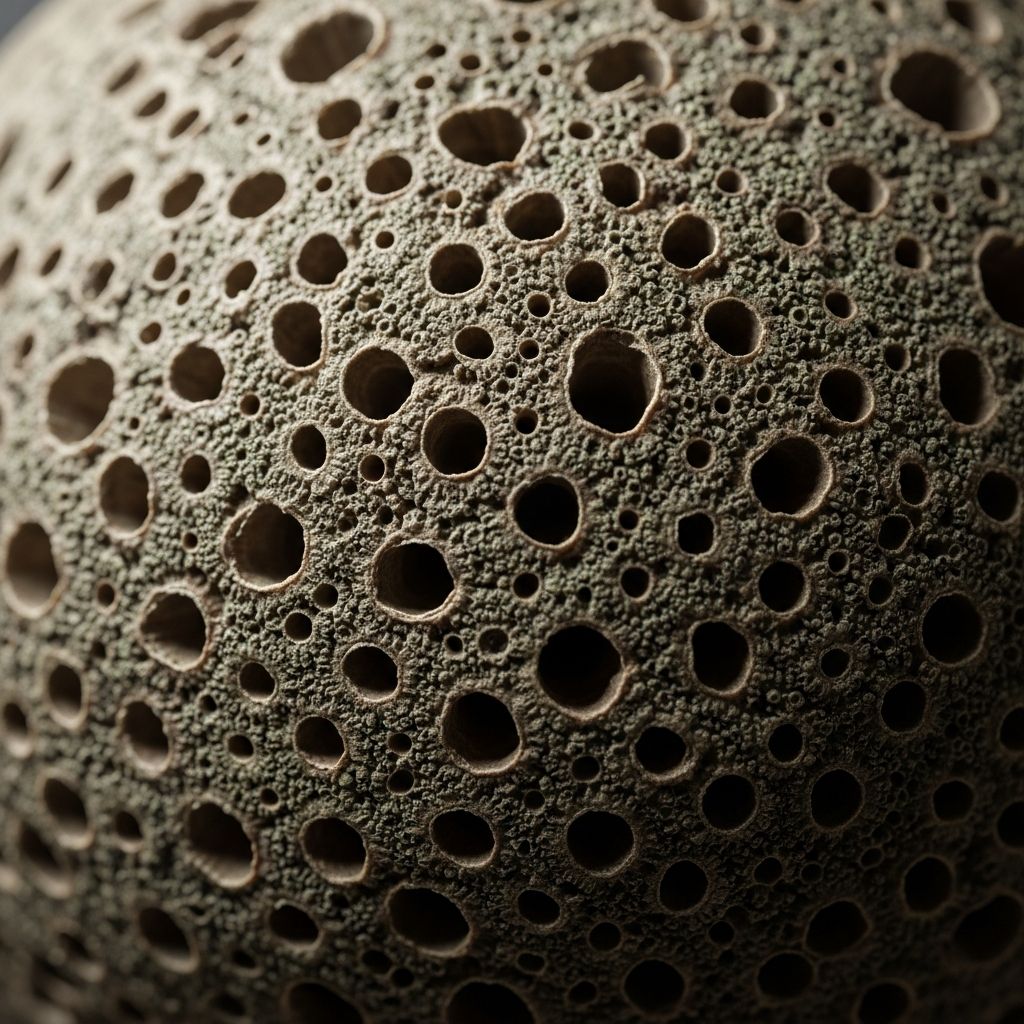
Trypophobia is an aversion to the sight of repetitive patterns or clusters of small holes or bumps. The term comes from the Greek words “trypa” meaning hole and “phobos” meaning fear. Although not yet clinically recognized as a separate distinct mental disorder in diagnostic manuals, trypophobia represents a significant source of distress for many individuals who experience intense fear and disgust when exposed to clustered holes or similar repetitive patterns. This condition is characterized by an overwhelming emotional response that goes beyond typical discomfort, affecting daily functioning and quality of life for those who suffer from it.
Trypophobia can manifest when individuals encounter various objects in nature and everyday life, such as honeycomb, certain plant structures like strawberry seeds, seed pods, fungal growths, or even man-made items with repetitive hole patterns. The visual stimuli trigger an automatic physiological and psychological response that individuals find distressing and difficult to control.
Understanding the Symptoms of Trypophobia
People with trypophobia experience both emotional and physical symptoms when confronted with triggering images or situations. Understanding these symptoms is crucial for identifying the condition and seeking appropriate treatment.
Emotional and Psychological Symptoms
The primary emotional response in trypophobia is a combination of fear and disgust. Research indicates that individuals with trypophobia predominantly experience disgust when confronted with clusters of holes, with 60.5% reporting mostly disgust, 11.8% reporting only disgust, 5.1% reporting mostly fear, 1% experiencing only fear, and 21% experiencing equal amounts of fear and disgust. This disgust response is particularly notable and distinguishes trypophobia from many other phobias that are primarily fear-based.
People with trypophobia often experience:
- Intense anxiety or panic when viewing clustered holes or repetitive patterns
- Persistent worry about encountering trypophobic stimuli
- Avoidance behaviors that interfere with daily activities
- Intrusive thoughts about hole-like patterns
- Feelings of disgust that persist even after exposure ends
Physical Symptoms
In addition to emotional responses, trypophobia can trigger various physical symptoms that accompany the psychological distress:
- Rapid heart rate or heart palpitations
- Sweating and trembling
- Nausea or stomach discomfort
- Dizziness or vertigo sensations
- Difficulty breathing or shortness of breath
- Muscle tension and body aches
- Skin crawling sensations
These neurovegetative symptoms occur as part of the body’s fight-or-flight response to perceived threat, even though the clustered holes themselves pose no actual physical danger.
Prevalence and Demographics
Trypophobia is remarkably common among the general population. Research indicates that trypophobia ranks among the most online-searched phobias in the United States, with approximately 536,828 searches monthly. This suggests widespread awareness and concern about the condition.
Studies demonstrate that trypophobia exhibits certain demographic patterns. Research findings show that trypophobia is more prevalent in women compared to men. Additionally, the condition appears to be more common in younger individuals, though it can affect people of all ages. The condition tends to be chronic and persistent once developed, with many individuals experiencing symptoms throughout their lifetime if left untreated.
Causes and Risk Factors
Related Stories



Biological and Evolutionary Perspectives
Experts have proposed various theories regarding the underlying causes of trypophobia. One prominent hypothesis suggests that trypophobia represents an over-generalized aversion towards cluster stimuli that evolved as a protective mechanism. According to this evolutionary theory, humans may have developed sensitivity to clustered holes because such patterns can indicate parasitic and infectious disease threats. Many parasitic infections and skin conditions present as clustered lesions or hole-like patterns on skin and surfaces, making avoidance of such patterns adaptive from a survival perspective.
Research comparing trypophobic and control participants found that both groups exhibited high levels of aversion towards disease-relevant cluster images. However, only trypophobic participants exhibited high levels of aversion towards disease-irrelevant cluster images, suggesting an overgeneralization of this protective response.
Psychological and Environmental Factors
While general anxiety alone does not adequately explain trypophobia, individuals with certain mental health conditions are at higher risk of developing the phobia. Risk factors include:
- Pre-existing anxiety disorders or generalized anxiety disorder (GAD)
- Major depressive disorder (MDD)
- Obsessive-compulsive disorder tendencies
- History of trauma or negative experiences
- Family history of phobias or anxiety disorders
- High neuroticism or trait anxiety
- Negative conditioning or learned fear responses
Research indicates that while general anxiety could theoretically contribute to trypophobia, there is little evidence suggesting it accounts for the condition entirely. This specificity of the phobic response indicates that unique mechanisms beyond general anxiety disorder drive trypophobia.
Diagnosis and Assessment
Clinical Diagnostic Process
Currently, trypophobia is not recognized as a distinct diagnosis in the Diagnostic and Statistical Manual of Mental Disorders (DSM-5). However, mental health professionals can diagnose trypophobia as a specific phobia if symptoms meet clinical criteria. A mental health provider typically assesses trypophobia through detailed clinical interviews and symptom evaluation.
During diagnosis, healthcare providers evaluate:
- The intensity and frequency of fear or disgust responses
- Duration of symptoms (typically persistent for six months or longer)
- Impact on daily functioning and quality of life
- Avoidance behaviors and their extent
- Physical symptoms accompanying psychological distress
- Presence of other mental health conditions
Assessment Tools
Mental health researchers have developed specific assessment instruments for evaluating trypophobia severity. The Trypophobia Questionnaire (TQ) is a 17-item scale specifically designed to evaluate trypophobic symptoms. This instrument demonstrates high internal consistency, convergent validity, good test-retest reliability, and very good sensitivity and specificity. The TQ has shown discriminant validity, with results indicating weak relationships with general anxiety scores, confirming that trypophobia is distinct from general anxiety disorders.
Co-occurring Mental Health Conditions
Trypophobia frequently co-occurs with other psychiatric diagnoses. Research indicates that approximately 60% of individuals with trypophobia report co-morbid mental health conditions. Common co-occurring diagnoses include:
- Generalized Anxiety Disorder (GAD)
- Major Depressive Disorder (MDD)
- Specific phobias
- Social anxiety disorder
- Obsessive-compulsive disorder (though only a small percentage meet full criteria)
The presence of co-morbid conditions can complicate symptom presentation and treatment planning, requiring comprehensive mental health assessment and individualized treatment approaches.
Treatment Options for Trypophobia
Behavioral Therapies
Behavioral approaches represent the first-line treatment for trypophobia. Systematic desensitization and response prevention involve gradually exposing individuals to trypophobic stimuli while preventing the avoidance and reassurance-seeking behaviors they typically use to manage anxiety. This exposure is conducted gradually and systematically, taking into account the physical, emotional, and behavioral difficulties individuals experience.
The exposure process typically involves:
- Creating a hierarchy of feared situations from least to most anxiety-provoking
- Starting with imaginal exposure or viewing images from distance
- Gradually progressing to more direct exposure
- Staying with the stimulus until anxiety naturally decreases
- Practicing between therapy sessions
- Preventing escape or avoidance behaviors
Cognitive Behavioral Therapy (CBT)
Cognitive Behavioral Therapy effectively combines behavioral and cognitive approaches to treat trypophobia. CBT works by helping individuals identify and challenge the irrational thoughts and beliefs they hold about trypophobic stimuli. Through therapy, individuals develop alternative thought patterns that are more realistic and adaptive.
CBT for trypophobia addresses:
- Catastrophic thinking about encountering holes or patterns
- Overestimation of threat and danger
- Beliefs about inability to tolerate anxiety
- Perfectionist or contamination-related thoughts
- Negative self-perception related to the phobia
Pharmacological Treatment
Medication can effectively support the treatment of trypophobia, particularly when combined with therapy. Selective serotonin reuptake inhibitors (SSRIs) such as sertraline have demonstrated efficacy in treating trypophobia and associated anxiety disorders. A case study of a young patient with trypophobia showed significant improvement following treatment with 50 mg daily of sertraline combined with cognitive behavioral therapy, with symptom severity reduced by half within nine weeks.
Common medications used to treat trypophobia include:
- Sertraline (Zoloft)
- Paroxetine (Paxil)
- Fluoxetine (Prozac)
- Other SSRIs as determined by healthcare providers
Coping Strategies
Beyond formal treatment, individuals with trypophobia can develop and practice coping strategies:
- Mindfulness and relaxation techniques
- Deep breathing exercises
- Progressive muscle relaxation
- Grounding techniques to manage anxiety in the moment
- Lifestyle modifications to reduce overall anxiety
- Social support and peer encouragement
Treatment Outcomes and Prognosis
Research demonstrates that treatment significantly improves trypophobia symptoms in most individuals. Case studies show that combining medication with cognitive behavioral therapy produces optimal results, with patients achieving adequate fear control and functioning more effectively in situations involving potential exposure to triggering stimuli.
While trypophobia may not completely disappear in all cases, most individuals with treatment learn to manage symptoms effectively. The key to successful treatment involves early identification, comprehensive assessment, and a tailored approach combining behavioral, cognitive, and pharmacological interventions as appropriate.
When to Seek Professional Help
Individuals should consider seeking professional evaluation if they experience:
- Intense, persistent fear or disgust in response to clustered holes or repetitive patterns
- Avoidance behaviors that interfere with work, school, or social activities
- Physical symptoms that significantly impact functioning
- Symptoms persisting for more than six months
- Impact on quality of life and relationships
- Symptoms interfering with necessary activities or decision-making
A mental health professional can provide accurate diagnosis, assess severity, and recommend appropriate treatment strategies tailored to individual needs.
Frequently Asked Questions
Q: Is trypophobia a recognized mental disorder?
A: While trypophobia is not yet officially recognized as a distinct diagnosis in the DSM-5, mental health professionals can diagnose it as a specific phobia. Ongoing research continues to establish the clinical validity and diagnostic criteria for trypophobia as a separate anxiety disorder.
Q: Can trypophobia be completely cured?
A: Trypophobia can be effectively managed with appropriate treatment combining therapy and sometimes medication. While complete elimination may not occur in all cases, most individuals learn to manage symptoms significantly, reducing their impact on daily life.
Q: What is the difference between trypophobia and trypanophobia?
A: These are distinct phobias. Trypophobia is the fear of holes and repetitive patterns, while trypanophobia is the fear of needles in medical settings. They represent different specific phobias with different triggers and treatments.
Q: How long does treatment for trypophobia typically take?
A: Treatment duration varies based on symptom severity and individual factors. Some individuals show significant improvement within weeks, while others may require months of consistent treatment. Research indicates that combining therapy with medication can accelerate symptom improvement.
Q: Are there any natural or self-help methods for managing trypophobia?
A: While professional treatment is most effective, individuals can practice relaxation techniques, mindfulness, breathing exercises, and gradual self-exposure to manageable triggers. However, professional guidance ensures safe and effective treatment protocols.
References
- Trypophobia: What Do We Know So Far? A Case Report and Literature Review — National Center for Biotechnology Information (NIH). 2018-02-15. https://pmc.ncbi.nlm.nih.gov/articles/PMC5811467/
- Trypanophobia (Fear of Needles): Symptoms & Treatment — Cleveland Clinic. 2024. https://my.clevelandclinic.org/health/diseases/22731-trypanophobia-fear-of-needles
- What is Trypophobia (Fear of Holes)? What are the Symptoms and Treatment Methods? — HIWell. 2024. https://www.hiwellapp.com/en/blog/trypophobia
- Phobias: What They Are, Causes, Symptoms & Treatments — Cleveland Clinic. 2024. https://my.clevelandclinic.org/health/diseases/24757-phobias
- Trypophobia — Wikipedia. 2024. https://en.wikipedia.org/wiki/Trypophobia
Similar Articles








Read full bio of medha deb