Trypophobia: Understanding Fear of Holes
Learn what trypophobia is, its triggers, symptoms, and evidence-based treatment options.
Understanding Trypophobia: A Comprehensive Overview
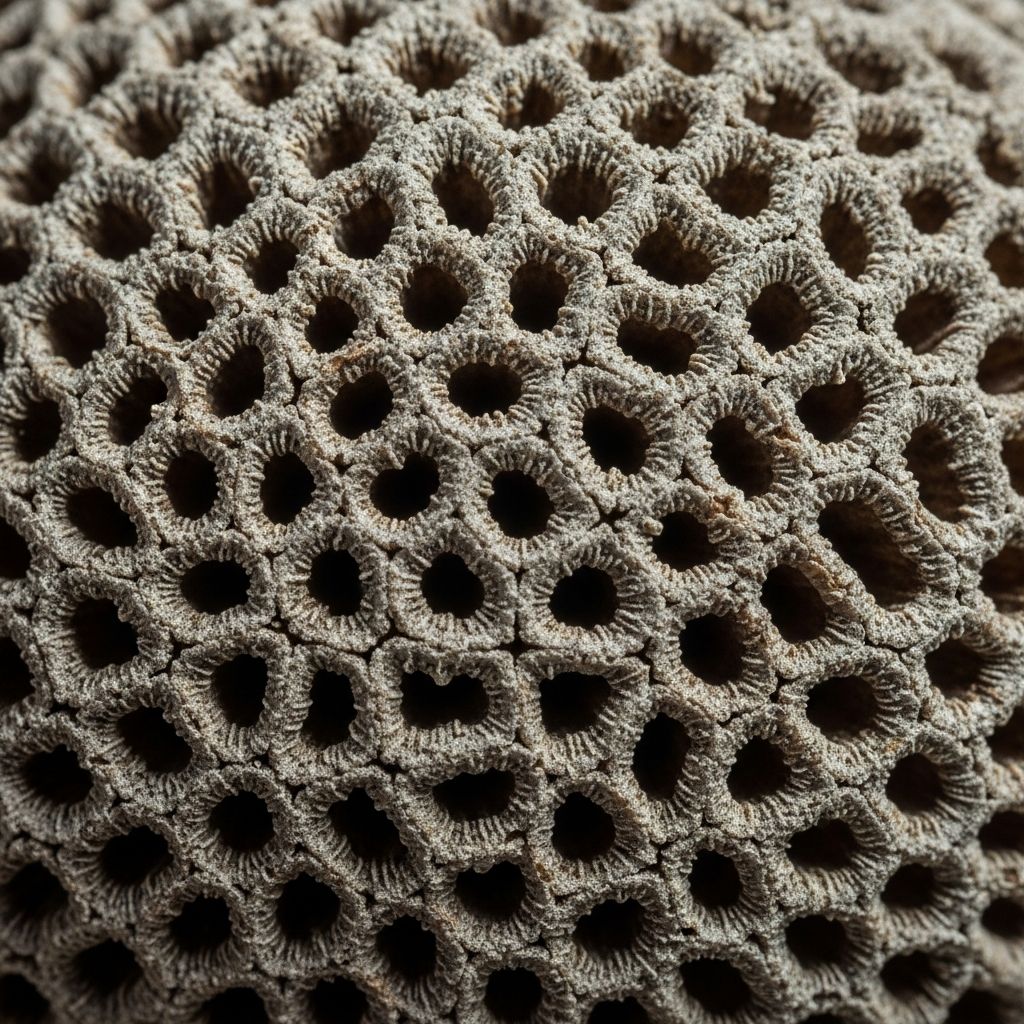
Trypophobia is an anxiety disorder characterized by an intense and disproportionate aversive response when viewing patterns of clustered holes, bumps, or protrusions. The term, which combines the Greek word “trypa” (hole) with “phobos” (fear), describes a phenomenon where individuals experience profound disgust, discomfort, or fear when confronted with images containing repetitive hole patterns. Though relatively newly named in 2005, trypophobia has gained significant recognition in recent years, with approximately 17% of children and adults—about one in six people—experiencing some degree of this condition.
Unlike many traditional phobias that center on fear as the primary emotion, research demonstrates that disgust is the predominant response in trypophobia sufferers. This distinction is crucial for understanding the condition and its underlying mechanisms. The awareness of trypophobia has surged dramatically due to media coverage, including reports about smartphone camera lens clusters and the television series “American Horror Story: Cult,” which featured characters with trypophobic responses.
What Triggers Trypophobia?
Trypophobic responses can be triggered by a wide variety of everyday objects and natural patterns. Understanding common triggers helps individuals manage their exposure and reactions:
- Natural items: sunflowers, lotus seed pods, honeycombs, and other seedy fruits
- Household objects: sponges, shower heads, and kitchen tools with perforations
- Animal-related triggers: certain animal skin patterns and textures
- Technology: clusters of small camera lenses on smartphones
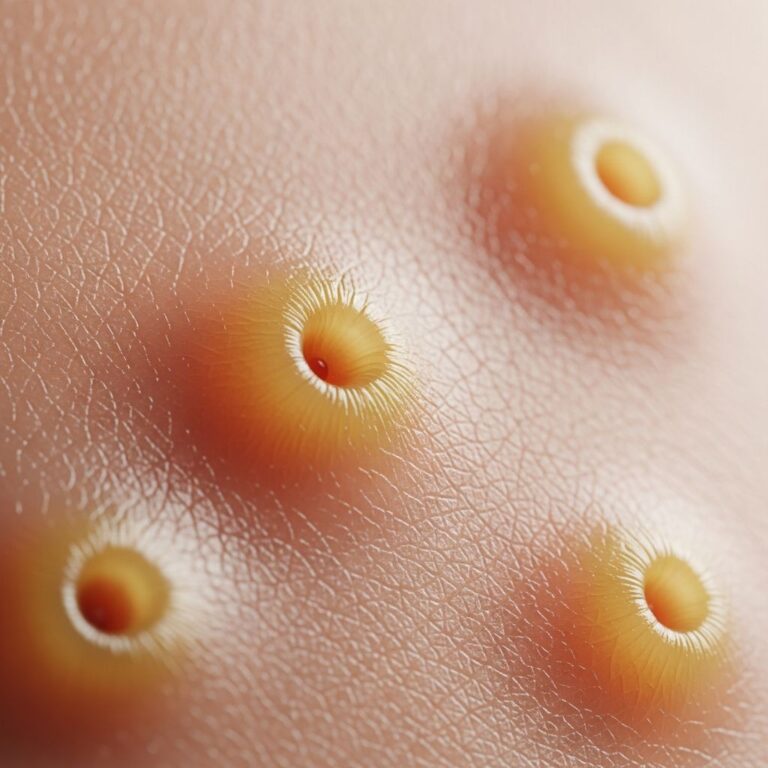
- Images depicting holes or bumps on human skin
Research indicates that the intensity of trypophobic reactions varies with stimulus characteristics. Studies show that larger clusters of holes produce higher levels of discomfort compared to smaller, isolated patterns. Additionally, trypophobic stimuli incorporated within images of human skin generate significantly increased aversion, suggesting a connection to disease-related concerns.
Recognizing Trypophobia Symptoms
Symptoms of trypophobia are typically classified into three categories: skin-related, cognitive, and physiological responses. When exposed to triggering stimuli, individuals may experience:
Skin-Related Symptoms
- Itching or “skin crawling” sensations
- Goosebumps or chills
- Tingling or prickling sensations on the skin
Cognitive Symptoms
- Feelings of unease or dread
- Intrusive thoughts about the triggering image
- Difficulty concentrating
- Anxiety about encountering triggers
Physiological Symptoms
- Nausea, gagging, or an urge to vomit
- Sweating or perspiration
- Rapid heartbeat or palpitations
- Dizziness or lightheadedness
- Trouble breathing or shortness of breath
- Visual discomfort, including eye strain, headaches, or visual distortions
- Shaking or trembling
- Panic attacks in severe cases
In extreme situations, trypophobia may significantly impact daily functioning, affecting the ability to work, attend school, or participate in social activities. Most individuals with trypophobia experience disgust as the primary emotion rather than fear, with studies showing that 60.5% reported mostly disgust, while only 5.1% reported mostly fear.
What Causes Trypophobia?
Scientists have proposed several explanations for why trypophobia develops. The most widely supported theory is the
disease avoidance hypothesis
, which suggests that trypophobic stimuli trigger an evolved response to avoid pathogens and disease. This theory posits that clustered holes may resemble visual cues associated with parasitic infections, skin diseases, or other contagious conditions that historically posed survival threats to humans.Related Stories



Supporting this hypothesis, research indicates that trypophobic responses are significantly higher when hole clusters appear on human skin, further supporting the disease-avoidance mechanism. Additionally, studies measuring disgust responses show that core disgust—the response to disease or pathogens—is the strongest predictor of trypophobia sensitivity.
Other proposed explanations include:
- Cortical hyperexcitability: Some researchers suggest that the image statistics of hole clusters induce excessive neural activity in visual processing areas of the brain
- Dangerous animal signaling: The theory that clustered holes visually resemble venomous or dangerous animals
- Social learning: The acquisition of trypophobic aversion through observing family members, friends, or media portrayals expressing negative reactions to similar stimuli
It is important to note that general anxiety does not adequately explain trypophobia; research demonstrates little evidence that anxiety disorders alone account for the specific nature of trypophobic responses.
Who Is Most Affected by Trypophobia?
Trypophobia appears to have distinct demographic and psychological patterns. Research reveals that trypophobia is more prevalent in women and tends to be chronic and persistent when present. The condition frequently co-occurs with other psychiatric diagnoses, including major depressive disorder (MDD) and generalized anxiety disorder (GAD). However, only a small percentage of individuals with trypophobia meet full diagnostic criteria for obsessive-compulsive disorder.
Notably, studies indicate that elevated neuroticism and general sensitivity do not fully account for trypophobic reactions. Instead, trypophobia appears to represent an over-generalized aversion response to cluster stimuli that the brain interprets as indicating parasitic or infectious disease threats.
Treatment and Management Strategies
Several evidence-based approaches have shown effectiveness in managing trypophobia symptoms. The most widely recommended treatment is exposure therapy, which involves gradually and repeatedly viewing trypophobic images to reduce the conditioned response. Most people who complete exposure therapy experience significant improvements in their symptoms.
Behavioral and Relaxation Techniques
Once individuals identify their specific trypophobia triggers, they can employ several coping strategies:
- Breathing exercises: Controlled breathing techniques to manage physiological panic responses
- Progressive muscle relaxation: Systematically tensing and relaxing muscle groups to reduce physical tension
- Meditation and mindfulness: Developing present-moment awareness to reduce anxiety about triggers
- Visualization: Mental imagery of soothing, non-triggering scenes to counteract aversive responses
Professional Mental Health Treatment
Healthcare providers may recommend working with mental health professionals, particularly those trained in exposure therapy and cognitive-behavioral therapy (CBT). These approaches help individuals reframe their thoughts about triggering stimuli and gradually build tolerance to trypophobic images.
When to Seek Professional Help
Individuals should consult with a healthcare provider if trypophobia symptoms:
- Cause persistent distress or anxiety
- Interfere with work, school, or social functioning
- Lead to avoidance behaviors that limit daily activities
- Are accompanied by symptoms of depression or other anxiety disorders
- Result in panic attacks or severe physiological responses
- Persist despite self-help efforts
There is no need for embarrassment when discussing trypophobia with healthcare providers; it is a recognized anxiety condition that significantly impacts quality of life for many individuals.
Understanding the Disgust vs. Fear Distinction
A critical finding in trypophobia research is that the primary emotional response is
disgust rather than fear
, which differentiates it from traditional phobias. This distinction has important implications for understanding the underlying mechanisms:- Fear activates the sympathetic nervous system, producing increased heart rate and blood pressure
- Disgust primarily activates the parasympathetic nervous system, producing nausea and skin-crawling sensations
- The predominance of disgust supports the disease-avoidance hypothesis more strongly than traditional fear-based phobia models
Frequently Asked Questions
Q: Is trypophobia a real mental disorder?
A: Trypophobia is recognized as a type of anxiety disorder that causes significant distress for many people. While research continues on its classification, approximately one in six people experience some degree of trypophobia. Mental health professionals increasingly acknowledge it as a clinically relevant condition affecting quality of life.
Q: Can trypophobia be cured?
A: While there is no complete “cure,” exposure therapy and other behavioral interventions have demonstrated significant effectiveness in reducing symptoms. Most people who complete treatment experience substantial improvements in managing their trypophobic responses.
Q: Is trypophobia the same as a fear of holes?
A: Not entirely. While trypophobia involves aversion to clustered holes, it is more accurately characterized by disgust than fear. Research shows that most people with trypophobia experience disgust as the primary emotion, not fear.
Q: Can trypophobia develop suddenly?
A: Yes, trypophobia can develop through various pathways, including direct exposure to triggering images, observing others’ negative reactions, or learning from media coverage that associates certain objects with negative responses.
Q: Are there any medications for trypophobia?
A: While no medications specifically treat trypophobia, healthcare providers may prescribe anti-anxiety medications or antidepressants to manage co-occurring conditions like generalized anxiety disorder or depression.
Q: Why does trypophobia affect more women than men?
A: Research indicates trypophobia is more prevalent in women, though the exact reasons remain unclear. This pattern is consistent with many anxiety disorders, which show higher prevalence in female populations.
References
- What causes trypophobia? — Taylor & Francis Online. 2025-01-13. https://www.tandfonline.com/doi/full/10.1080/02699931.2025.2606074
- Trypophobia: What Do We Know So Far? A Case Report — National Institutes of Health. 2018. https://pmc.ncbi.nlm.nih.gov/articles/PMC5811467/
- Trypophobia: What Is It, Triggers, Symptoms, Diagnosis & Treatment — Cleveland Clinic. 2024. https://my.clevelandclinic.org/health/diseases/21834-trypophobia
- Trypophobia: Triggers, Causes, Treatment, and More — Healthline. 2024. https://www.healthline.com/health/trypophobia
- Trypophobia, skin, and media — UTMB Health Research Expert Profiles. 2024. https://researchexperts.utmb.edu/en/publications/trypophobia-skin-and-media/
Similar Articles








Read full bio of Sneha Tete