Trypophobia: Causes, Symptoms, And Treatment Guide
Understanding trypophobia: causes, symptoms, triggers, and effective management strategies for this common aversion to hole clusters.
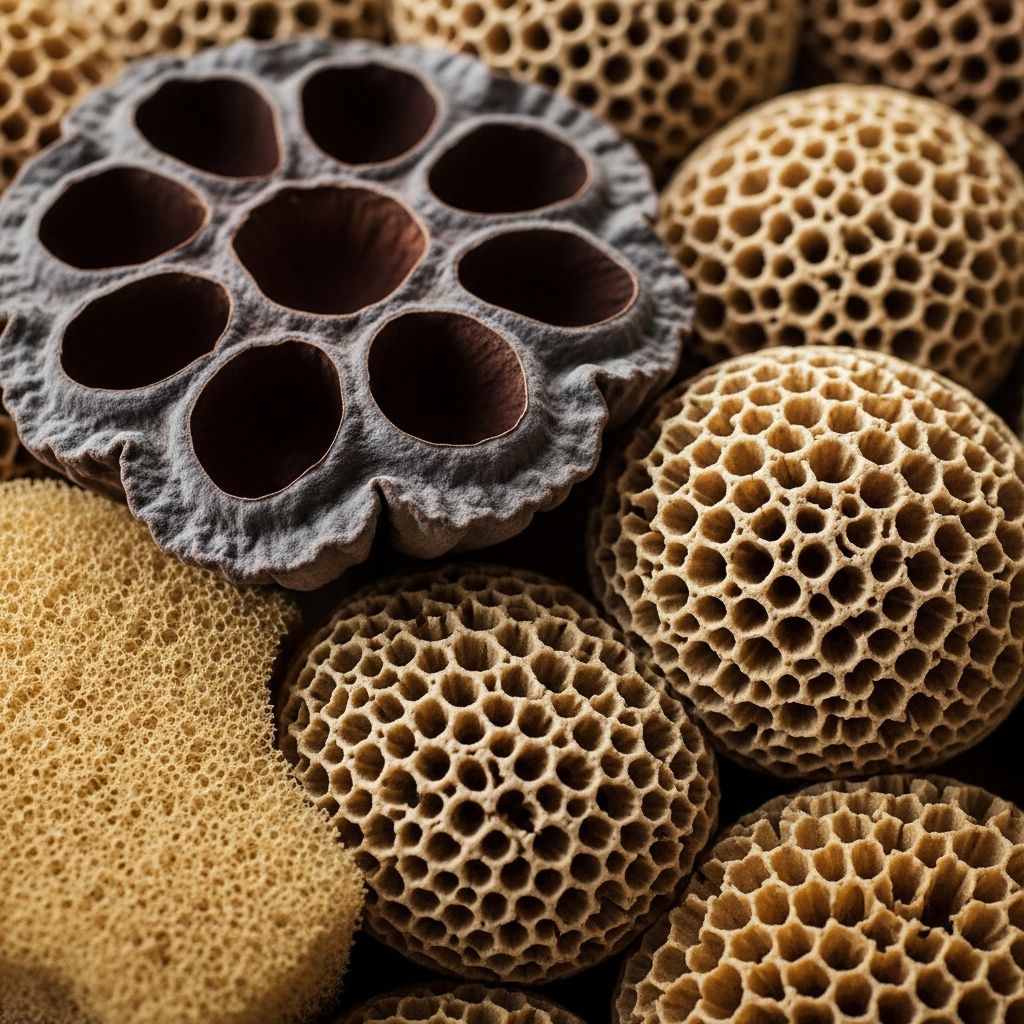
Trypophobia is an intense, often visceral aversion to clusters of small holes or repetitive patterns, eliciting responses like disgust, nausea, and skin crawling in affected individuals.
What Is Trypophobia?
Trypophobia, derived from Greek roots meaning ‘fear of holes,’ describes a phenomenon where people experience strong discomfort or revulsion when viewing irregular clusters of small holes, bumps, or repetitive patterns. First formally described in peer-reviewed literature in 2013, it has since been the subject of around 60 research papers and widespread media coverage. Unlike recognized phobias, trypophobia is not listed in the DSM-5-TR, sparking debate on whether it constitutes a true phobia, a disgust response, or something else entirely.
Reactions vary but are typically classified into skin-related (e.g., itching, crawling sensations), cognitive (e.g., unease), and physiological (e.g., nausea, sweating) symptoms. Studies estimate prevalence at up to 17% of the population, affecting both children and adults equally.
Symptoms of Trypophobia
Symptoms arise upon exposure to triggering images and can range from mild discomfort to severe distress impacting daily life. Common manifestations include:
- Feelings of disgust, fear, or intense discomfort
- Goosebumps or chills
- Skin itching or crawling sensations
- Sweating and nausea
- Trouble breathing or panic attacks in severe cases
- Eye strain, headaches, or visual discomfort similar to patterns inducing cortical hyperexcitability
Research using the Trypophobia Questionnaire (TQ) identifies 17 core symptoms, predominantly disgust over fear, with skin and physiological responses most frequent. A 2017 study linked it to higher rates of depression and generalized anxiety disorder (GAD).
Causes of Trypophobia
The origins of trypophobia remain debated, with four primary theories supported by varying evidence. The strongest evidence points to a disease avoidance mechanism, where hole clusters subconsciously signal parasitic infections or skin pathogens.
Disease Avoidance Hypothesis
This leading theory posits trypophobic stimuli as cues for disease presence, triggering disgust to promote hygiene behaviors. Studies show stronger aversions when holes appear on human skin, mimicking conditions like measles or parasite infestations. Core disgust subscales from the Disgust Scale-Revised (DS-R) best predict trypophobia sensitivity, with responses like nausea and skin crawling indicating pathogen alerts rather than fear. Parasympathetic activation (e.g., slowed heart rate) aligns with disgust, not sympathetic fear responses.
Evolutionary and Danger Signaling
Some associate patterns with venomous animals (e.g., poison dart frogs, snakes) via aposematism—warning signals of toxicity. A 2017 study suggests unconscious links to parasites or infectious droplets, an evolved response for survival. However, aversions extend to non-dangerous clusters, suggesting overgeneralization.
Cortical Hyperexcitability
High-contrast, repetitive patterns may overstimulate visual cortex, akin to visual discomfort from stripes or flickers, causing eyestrain and headaches. Correlations with visual discomfort scales support this, but it doesn’t explain disgust dominance.
Social Learning
Aversion might stem from observing others’ reactions or cultural/media portrayals of repulsive objects. While plausible, empirical support is weaker compared to disease cues.
Related Stories



What Triggers Trypophobia?
Triggers are visual patterns resembling clusters of small holes or protrusions, often in nature or everyday objects. Common examples include:
- Honeycombs and bee hives
- Lotus seed pods, strawberries, or pomegranates
- Sponges, soap bubbles, or aerated chocolate
- Coral, insect eggs, or frog skin
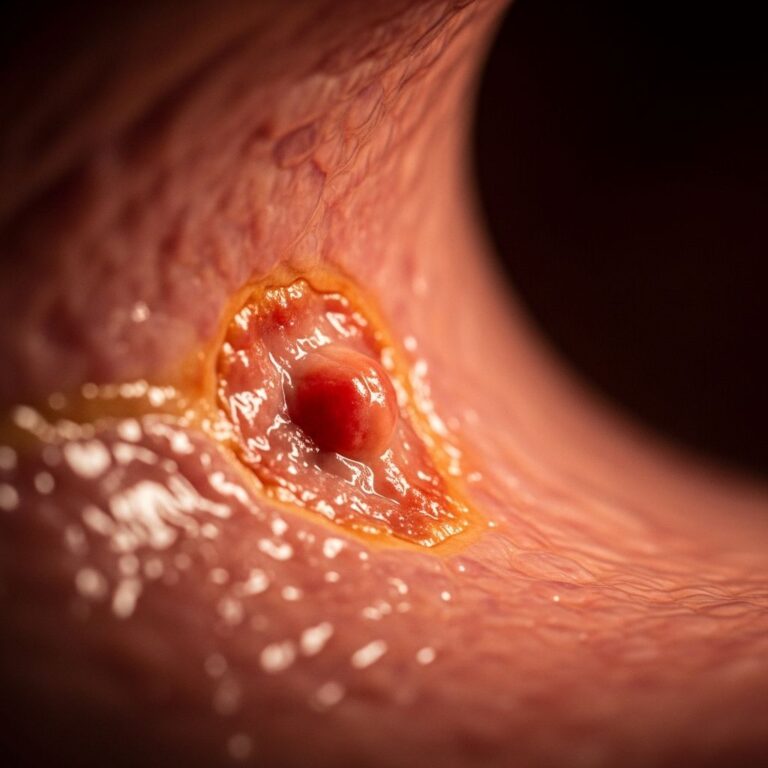
- Medical images like skin rashes or porous wounds
- Man-made items: polka-dot patterns, showerheads, or camera lens arrays
Severity increases with irregularity, contrast, and skin integration; disease-relevant images heighten responses in trypophobics. Media like ‘American Horror Story: Cult’ amplified awareness via triggering visuals.
Is Trypophobia a Phobia?
Trypophobia is not officially a phobia in DSM-5-TR, lacking clinical recognition as an anxiety disorder. Critics argue it’s primarily disgust, not fear-based, with symptoms more akin to revulsion than panic. A 2018 case report described persistent, excessive disgust and fear, suggesting potential as a specific phobia or OCD-related contamination fear, but more research is needed.
Prevalence studies indicate it’s common (up to 17%), often non-impairing, but severe cases disrupt work, school, or social functioning. Links to GAD, depression, and OCD warrant further investigation.
Diagnosis and Assessment
No formal diagnostic criteria exist; assessment relies on self-report tools like the TQ, which quantifies symptom severity. Clinicians evaluate impact on functioning and rule out comorbidities like GAD or visual stress.
| Tool | Description | Key Findings |
|---|---|---|
| Trypophobia Questionnaire (TQ) | 17-item scale | Cognitive, skin, physiological symptoms; disgust > fear |
| Disgust Scale-Revised (DS-R) | 25 items, 3 subscales | Core disgust predicts sensitivity |
| Visual Discomfort Scale | Pattern-induced stress | Correlates with trypophobia |
Treatment for Trypophobia
Management focuses on symptom reduction via therapy and self-help. Exposure therapy is most effective, gradually desensitizing individuals to triggers.
- Exposure Therapy: Controlled viewing of images, leading to habituation; most see improvements.
- Cognitive Behavioral Therapy (CBT): Reframes disgust responses, addresses comorbidities.
- Relaxation Techniques: Mindfulness, deep breathing, meditation to manage physiological reactions.
- Avoidance Strategies: Limit exposure; use apps blocking triggers online.
For severe cases linked to anxiety disorders, medication like SSRIs may help, though unstudied specifically for trypophobia.
Frequently Asked Questions (FAQs)
What is trypophobia?
Trypophobia is an aversion to clusters of small holes or repetitive patterns, causing disgust, nausea, and discomfort.
Is trypophobia real?
Yes, supported by dozens of studies since 2013, though not DSM-recognized; it’s a genuine phenomenon affecting ~17%.
Why do people have trypophobia?
Primarily disease avoidance: holes signal parasites/pathogens; other theories include evolution, visual overstimulation, learning.
How do you get rid of trypophobia?
Exposure therapy, CBT, relaxation techniques; most improve with consistent practice.
Can trypophobia cause panic attacks?
Yes, in severe cases, alongside nausea and skin symptoms; linked to GAD.
Living with Trypophobia
Most manage via awareness and coping strategies; identify personal triggers, practice exposure gradually, and seek therapy if impairing. Online support groups provide validation, though professional help is key for persistence. Ongoing research refines understanding, potentially leading to formal classification.
References
- What causes trypophobia? — Taylor & Francis (Cole & Wilkins). 2025. https://www.tandfonline.com/doi/full/10.1080/02699931.2025.2606074
- Trypophobia: Fact or fiction? — Medical News Today. 2023-12-20. https://www.medicalnewstoday.com/articles/320512
- Trypophobia: What Do We Know So Far? A Case Report — PMC (Martínez-Aguayo et al.). 2018-01-22. https://pmc.ncbi.nlm.nih.gov/articles/PMC5811467/
- Trypophobia: What Is It, Triggers, Symptoms, Diagnosis & Treatment — Cleveland Clinic. 2023-10-31. https://my.clevelandclinic.org/health/diseases/21834-trypophobia
- Trypophobia: Triggers, Causes, Treatment, and More — Healthline. 2023-11-14. https://www.healthline.com/health/trypophobia
Similar Articles








Read full bio of medha deb