Tryptophan Benefits: Complete Guide to This Essential Amino Acid
Discover how tryptophan supports mood, sleep, and heart health through diet and supplementation.
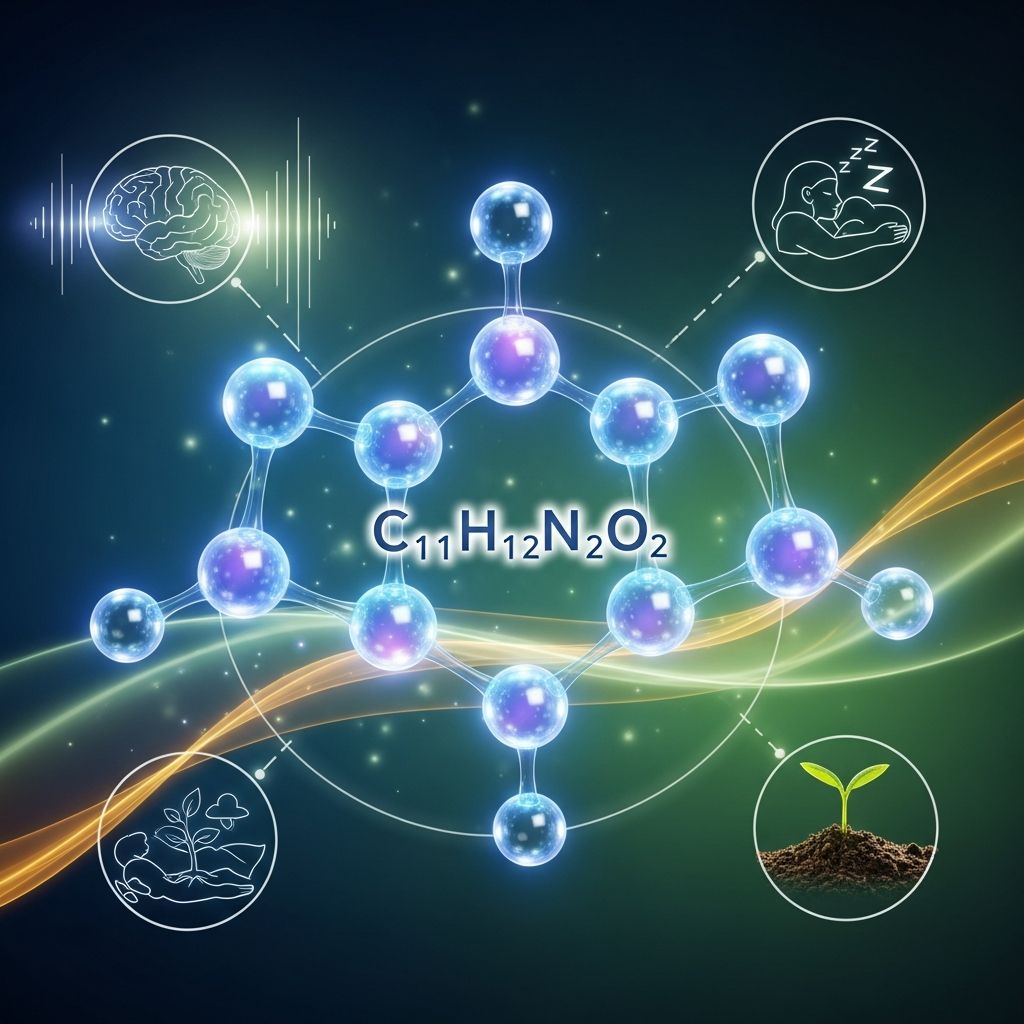
Understanding Tryptophan: An Essential Amino Acid
Tryptophan is an essential amino acid that your body cannot produce on its own, meaning you must obtain it through dietary sources or supplementation. This critical nutrient plays a fundamental role in numerous biological processes, particularly in the production of neurotransmitters that regulate your mental and physical wellbeing. Unlike the popular Thanksgiving myth suggesting that turkey causes post-meal drowsiness, tryptophan’s actual benefits extend far beyond this misconception and deserve a closer examination of the science behind this remarkable compound.
The body uses tryptophan to synthesize serotonin and melatonin, two crucial chemical messengers that influence mood regulation and sleep-wake cycles. Additionally, your liver can convert tryptophan into niacin (vitamin B3), which is essential for energy metabolism and DNA production. To facilitate this conversion, your body requires adequate amounts of iron, riboflavin, and vitamin B6. Understanding these mechanisms helps explain why tryptophan deficiency can have widespread health implications.
The Mood-Boosting Benefits of Tryptophan
One of the most compelling benefits of tryptophan is its potential to enhance mood and emotional wellbeing. Research published in 2021 demonstrated that individuals who consumed more tryptophan-rich foods reported significantly fewer depressive symptoms and performed better on social-cognition tests measuring emotional recognition abilities. These findings suggest that dietary tryptophan plays a substantial role in both mood regulation and emotional processing capabilities.
The mechanism behind this mood enhancement lies in tryptophan’s role as a precursor to serotonin, often referred to as the “happiness neurotransmitter.” When serotonin levels are adequate, individuals typically experience improved emotional stability, greater resilience to stress, and enhanced overall psychological wellbeing. This connection makes tryptophan particularly relevant for individuals seeking natural approaches to mood support and mental health maintenance.
Heart Health and Cardiovascular Benefits
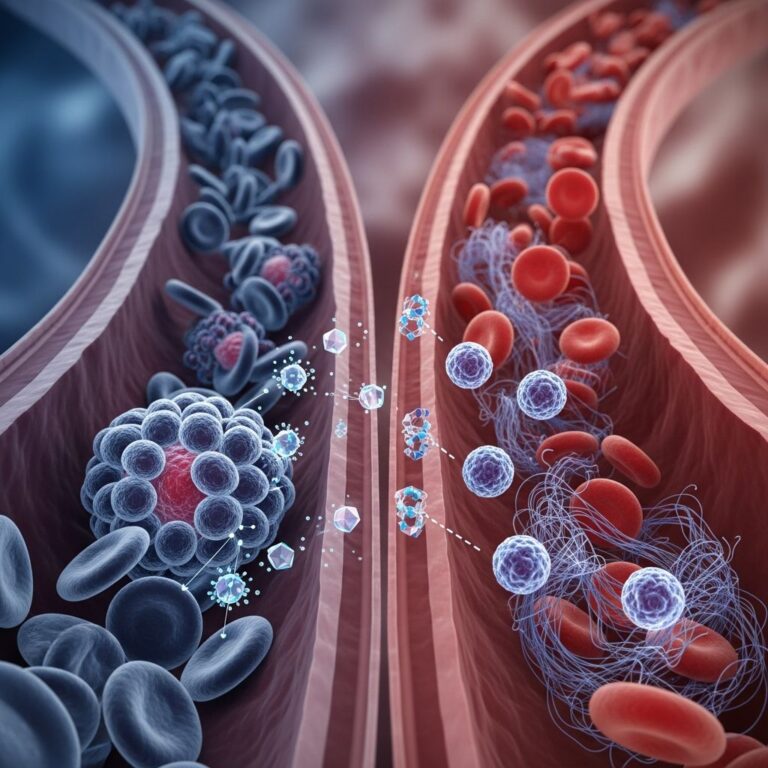
Emerging research reveals that tryptophan may offer unexpected cardiovascular benefits beyond traditional nutritional support. An epidemiological study examining 231 cardiovascular disease cases demonstrated that increased tryptophan consumption was associated with a lower risk of heart disease. The research suggests that higher plasma tryptophan levels correlate with decreased cardiovascular disease risk, potentially through anti-inflammatory mechanisms.
This discovery has important implications for dietary recommendations. The Mediterranean diet, which emphasizes extra-virgin olive oil, nuts, fruits, vegetables, and cereals, naturally provides abundant tryptophan and may counteract deleterious cardiovascular effects associated with certain metabolic risk factors. For individuals concerned about heart health, incorporating tryptophan-rich foods could represent a beneficial dietary strategy.
Improving Heart Rate Variability (HRV)
Heart rate variability, which measures the time intervals between heartbeats, serves as an important indicator of nervous system balance, resilience, and recovery capacity. A 2022 study investigating the effects of supplemental tryptophan found remarkable results: participants who consumed egg protein hydrolysate (EPH), a dietary supplement rich in tryptophan, demonstrated significant improvements in heart rate variability. These improvements were particularly notable in measures associated with parasympathetic nervous system activity, often referred to as the “rest and digest” response.
This finding has profound implications for stress management and overall health optimization. By enhancing parasympathetic activity, tryptophan may help promote relaxation, reduce chronic stress responses, and support overall cardiovascular health. For individuals interested in improving their nervous system balance through nutrition, tryptophan presents a scientifically-supported option.
Related Stories



Sleep Quality and Sleep-Wake Cycle Regulation
Perhaps the most well-known benefit of tryptophan relates to sleep improvement. Tryptophan is essential for melatonin production, the hormone responsible for regulating your sleep-wake cycle. By supporting healthy sleep-wake cycles and maintaining normal protein turnover, tryptophan contributes to restorative sleep patterns.
Recent research indicates that supplemental L-tryptophan at approximately 1,000 milligrams may improve sleep quality in various populations. Some studies have examined high-tryptophan cereals as chrononutrition treatments, finding that they increased both sleep efficiency and total sleep time while simultaneously improving anxiety and depression symptoms. This suggests that tryptophan’s sleep-promoting effects may extend beyond basic sedation, potentially creating a more holistic improvement in mental and physical health.
Additional Health Applications and Research
Beyond mood, cardiovascular health, and sleep, tryptophan and its metabolites demonstrate potential therapeutic applications in multiple conditions. Research suggests that dietary tryptophan supplementation may contribute to the management of autism, cognitive function, chronic kidney disease, inflammatory bowel disease, multiple sclerosis, and social function. Additionally, tryptophan may play diagnostic roles in identifying certain conditions such as human cataracts, colon neoplasms, and renal cell carcinoma.
The relationship between tryptophan metabolism, exercise, weight loss, and inflammation-associated depression represents another fascinating area of investigation. For athletes and active individuals, tryptophan metabolism may influence immune function and susceptibility to upper respiratory tract infections. One study found that daily probiotic consumption limited exercise-induced reductions in tryptophan levels, reducing the incidence of infection without affecting athletic performance.
Food Sources of Tryptophan
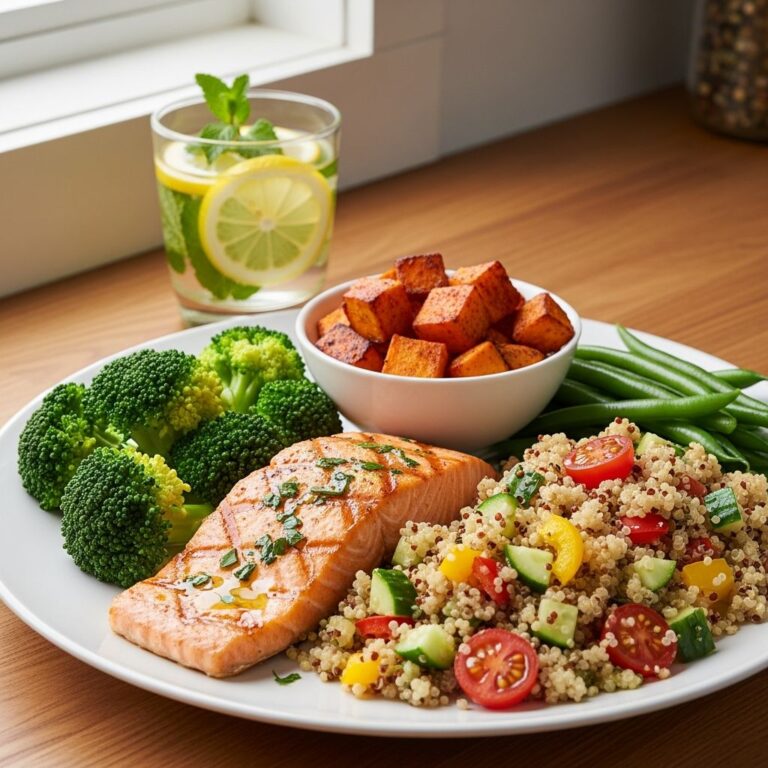
While protein-containing foods serve as the primary source of tryptophan, some fruits and vegetables also contain smaller quantities. Here are the richest dietary sources of tryptophan:
- Cooked skirt steak
- Roasted turkey breast
- Braised pork chops
- Tofu
- Cooked wild Atlantic salmon
- Edamame
- Skim milk
- Oats
- Scrambled eggs
- Roasted chicken legs
These foods provide tryptophan in its natural protein-bound form, which your body can utilize for various metabolic processes. Including a variety of these foods in your regular diet ensures consistent tryptophan intake without requiring supplementation.
Tryptophan Supplementation: Dosage and Safety
For most individuals eating a balanced diet, supplemental tryptophan is unnecessary. However, if bloodwork indicates deficiency and your healthcare provider recommends supplementation, typical dosages range from 250 to 425 milligrams of tryptophan per day. Any supplementation should occur under medical supervision to ensure appropriateness and safety.
It is crucial to understand potential side effects associated with excessive tryptophan intake. Doses exceeding 70 to 200 milligrams per kilogram of body weight may cause nausea, dizziness, gastrointestinal upset, and drowsiness. More concerning is the potential for dangerous interactions with certain medications. High-dose tryptophan supplements may interact with selective serotonin reuptake inhibitors (SSRIs), serotonin-norepinephrine reuptake inhibitors (SNRIs), monoamine oxidase inhibitors (MAOIs), and other serotonin-affecting medications. These interactions could potentially lead to serotonin syndrome, characterized by symptoms including shivering, diarrhea, muscle rigidity, fever, and seizures.
Should You Supplement with Tryptophan?
Unless your healthcare provider has identified a specific deficiency through bloodwork, supplementing with additional tryptophan is generally unnecessary. Most people obtain adequate tryptophan through a balanced diet that includes protein-rich foods. The recommendation from nutrition experts emphasizes that increased supplementation without medical indication provides no additional benefit and carries unnecessary risk of adverse effects or medication interactions.
If you are experiencing mood issues, sleep problems, or stress-related symptoms, the first approach should be dietary optimization, incorporating the tryptophan-rich foods listed above. Only if symptoms persist and medical evaluation reveals deficiency should supplementation be considered under professional guidance.
Frequently Asked Questions
Q: Does eating turkey on Thanksgiving really make you sleepy because of tryptophan?
A: No, this is a common myth. While turkey does contain tryptophan, the amount is not exceptional compared to other protein sources. Post-meal drowsiness typically results from consuming large quantities of food, which diverts blood flow to digestion, combined with carbohydrates that may enhance tryptophan absorption in the brain.
Q: How much tryptophan do I need daily?
A: The typical dosage recommendation for those requiring supplementation is 250 to 425 milligrams per day under medical supervision. Most people obtain adequate amounts through a balanced diet without supplementation.
Q: Can tryptophan help with depression?
A: Yes, research indicates that higher dietary tryptophan intake is associated with fewer depressive symptoms and improved emotional processing. However, anyone experiencing depression should consult healthcare providers for comprehensive treatment approaches.
Q: Are there any foods I should avoid when taking tryptophan supplements?
A: If taking tryptophan supplements, inform your healthcare provider about all medications, especially antidepressants (SSRIs, SNRIs, MAOIs), as dangerous interactions can occur.
Q: How long does it take for tryptophan to improve sleep?
A: Research suggests that approximately 1,000 milligrams of supplemental L-tryptophan may improve sleep quality, though individual responses vary. Dietary changes typically require several weeks to demonstrate noticeable effects.
Q: Can children take tryptophan supplements?
A: Tryptophan supplements for children should only be administered under specific medical supervision and recommendation. Dietary sources remain the preferred approach for pediatric populations.
Conclusion: Incorporating Tryptophan Into Your Wellness Routine
Tryptophan represents a scientifically-supported nutrient with diverse health benefits ranging from mood enhancement and improved sleep quality to cardiovascular support. Rather than relying on supplements, most individuals can optimize tryptophan intake through deliberate dietary choices incorporating protein-rich foods such as turkey, salmon, eggs, and plant-based sources like tofu and edamame. By understanding tryptophan’s roles in serotonin and melatonin production, and its broader implications for nervous system health, you can make informed decisions about your nutritional intake. Always consult with healthcare providers before beginning supplementation, particularly if you take medications affecting serotonin levels.
References
- All The Benefits Of Tryptophan, According To Dietitians — Women’s Health Magazine. 2024-02-15. https://www.womenshealthmag.com/health/a69471534/tryptophan-benefits/
- Analysis, Nutrition, and Health Benefits of Tryptophan — PMC/National Center for Biotechnology Information. 2018-09-18. https://pmc.ncbi.nlm.nih.gov/articles/PMC6158605/
- Tryptophan: MedlinePlus Medical Encyclopedia — U.S. National Library of Medicine. 2023-10-02. https://medlineplus.gov/ency/article/002332.htm
Similar Articles








Read full bio of medha deb