TSH Levels: A Complete Guide To Normal, High, Low
Understand normal TSH ranges, symptoms of high and low levels, testing, and thyroid health management for optimal wellness.
Thyroid-stimulating hormone (TSH) is a key hormone produced by the pituitary gland that regulates the thyroid’s production of hormones essential for metabolism, heart rate, body temperature, and more. Abnormal TSH levels can signal thyroid disorders like hypothyroidism or hyperthyroidism, affecting overall health.
What Is TSH?
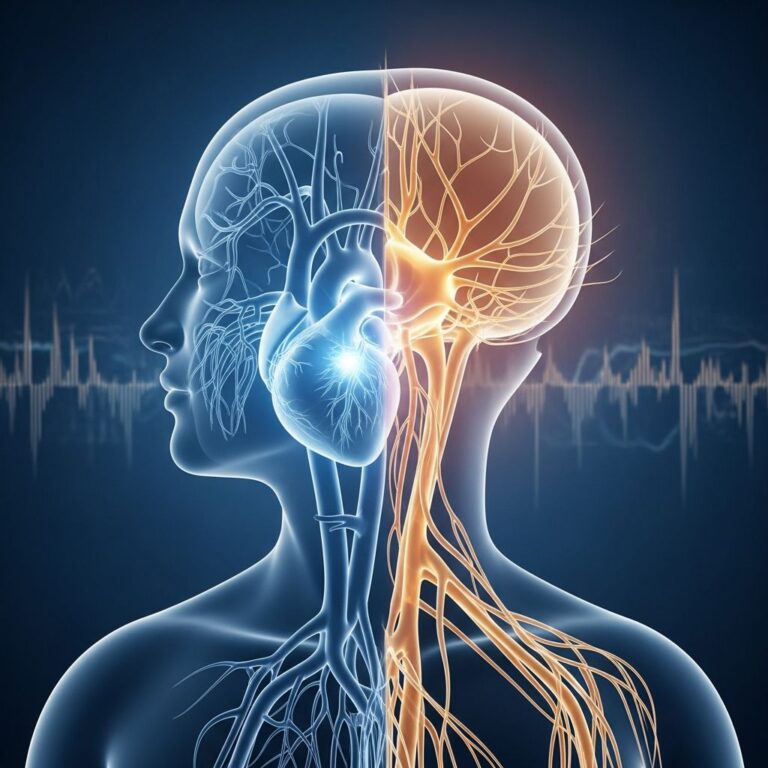
TSH, or thyroid-stimulating hormone, is secreted by the pituitary gland in the brain to stimulate the thyroid gland—a butterfly-shaped organ in the neck—to produce thyroxine (T4) and triiodothyronine (T3). These hormones influence nearly every cell in the body, controlling energy use, growth, and development. When thyroid hormone levels drop, the pituitary releases more TSH; when they rise, TSH decreases, maintaining balance.
This feedback loop is crucial for detecting thyroid dysfunction early. The TSH blood test is the primary screening tool because it is highly sensitive to subtle changes in thyroid function, often before symptoms appear or free T4/T3 levels shift.
Normal TSH Levels
Normal TSH levels typically range from
0.4 to 4.0 milli-international units per liter (mIU/L)
for most adults, according to the American Thyroid Association. However, optimal ranges may be narrower, such as 0.45 to 2.5 mIU/L, and can vary by lab, age, sex, and health status.TSH levels fluctuate naturally due to factors like time of day (higher in the morning), stress, illness, medications, and iodine intake. Labs provide reference ranges based on their assays, so results should always be interpreted by a healthcare provider.
TSH Levels by Age
TSH ranges evolve with age. Newborns have higher levels that normalize quickly, while older adults often have elevated TSH.
| Age Group | Typical TSH Range (mIU/L) |
|---|---|
| Newborns (1st week) | 1.7–9.1 |
| 1–11 months | 0.6–10 |
| 12 years | 1.09–3.31 |
| 18 years | 1.05–3.16 |
| Adults (20–70 years) | 0.4–4.0 |
| Over 70 years | Up to 6–7 (97.5th percentile) |
Data adapted from population studies; individual results vary.
TSH Levels During Pregnancy
Pregnancy alters TSH due to hormonal changes and fetal thyroid needs. Levels are lowest in the first trimester (0.1–2.5 mIU/L), rise gradually, and should stay below 3.0 mIU/L. High or low TSH risks miscarriage, preeclampsia, preterm birth, low birth weight, or developmental issues in the baby. Routine screening is recommended.
High TSH Levels
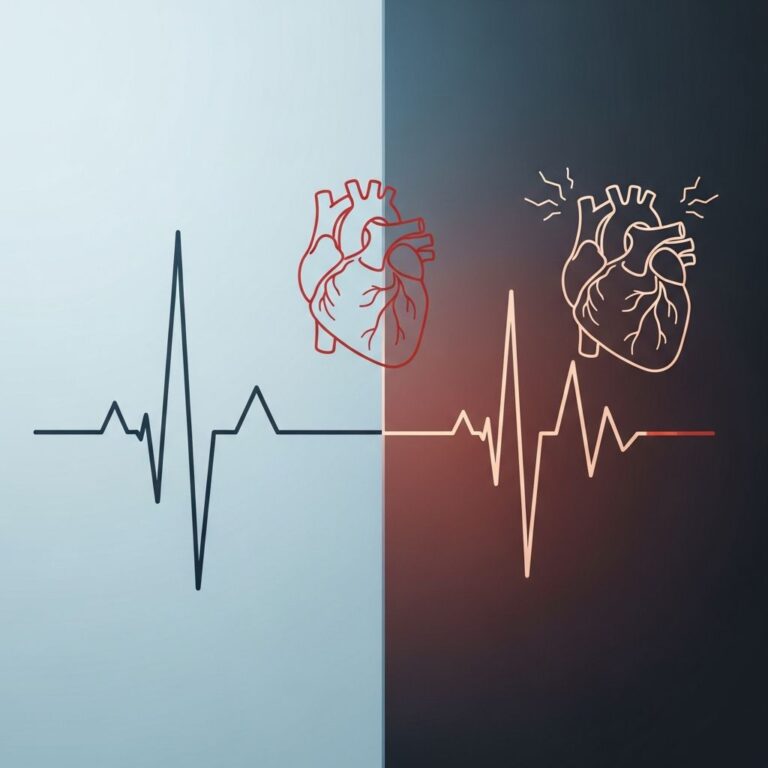
**High TSH (above 4.0–4.5 mIU/L)** indicates
hypothyroidism
(underactive thyroid), where the gland produces insufficient T3/T4. The pituitary compensates by releasing more TSH. Mild cases (4–10 mIU/L) are subclinical; over 10 mIU/L signals overt hypothyroidism.Symptoms of High TSH (Hypothyroidism)
- Fatigue and low energy
- Unexpected weight gain
- Cold intolerance and dry skin
- Thinning hair and facial puffiness
- Slow heart rate and constipation
- Heavy/irregular periods, fertility issues
- Depression and muscle aches
- In severe cases: goiter, high cholesterol, heart failure risk
Women over 60 and those with autoimmune conditions like Hashimoto’s are at higher risk. Untreated, it raises cardiovascular and fracture risks.
Low TSH Levels
**Low TSH (below 0.4 mIU/L)** suggests
hyperthyroidism
(overactive thyroid), with excess T3/T4 suppressing pituitary TSH output. Rarely, pituitary issues cause low TSH with normal/low thyroid hormones.Symptoms of Low TSH (Hyperthyroidism)
- Weight loss despite appetite
- Rapid/irregular heartbeat (palpitations)
- Nervousness, anxiety, irritability
- Heat intolerance, sweating
- Tremors, muscle weakness
- Frequent bowel movements/diarrhea
- Insomnia and mood swings
- Eye bulging (Graves’ disease), osteoporosis risk
Related Stories



Graves’ disease is a common cause, especially in younger women. Complications include atrial fibrillation and thyroid storm.
TSH Test: Procedure and Preparation
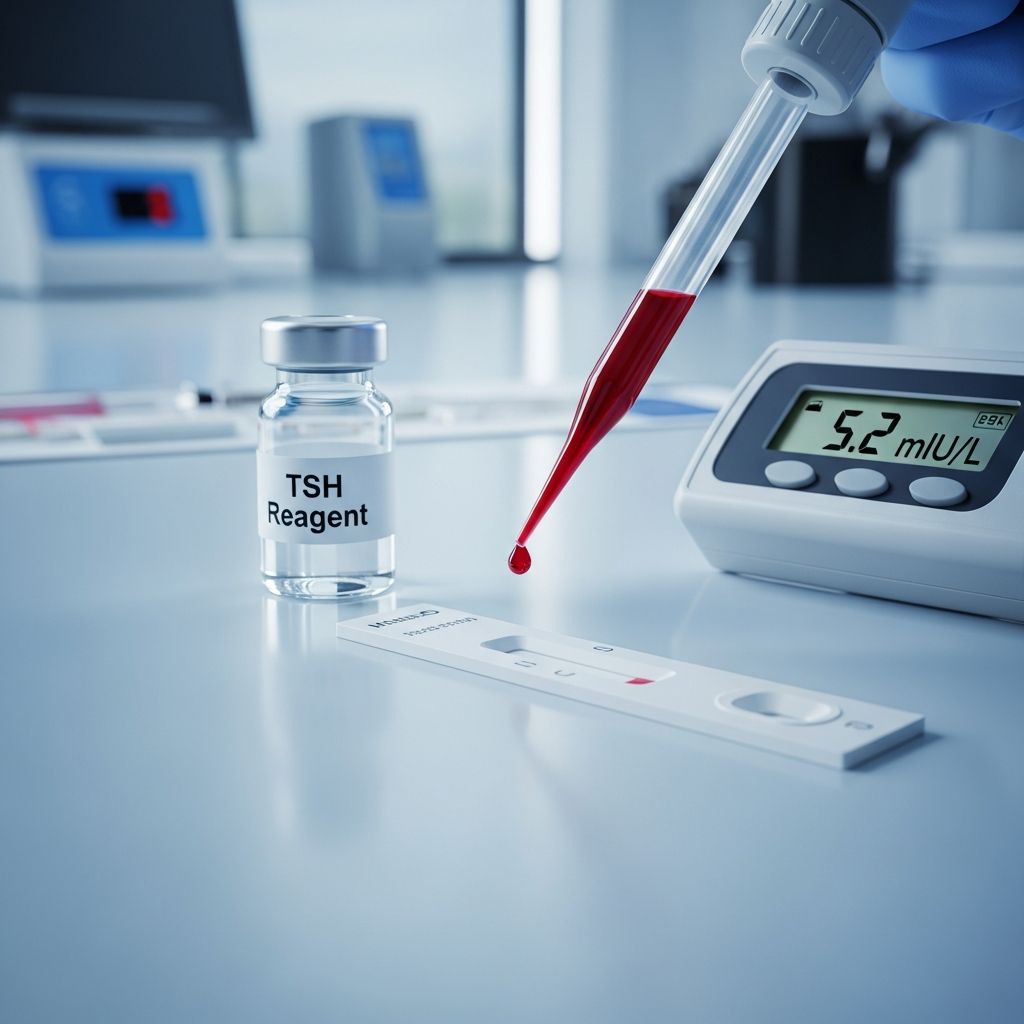
The TSH test is a simple blood draw from a vein in the arm, analyzed in a lab within hours. No special prep is needed, but inform your doctor of medications (e.g., biotin, steroids) or supplements that interfere. Often paired with free T4, T3, and antibodies for full evaluation.
Results guide next steps: high TSH prompts T4 checks; low TSH checks T4/T3. Repeat testing confirms trends.
Causes of Abnormal TSH Levels
High TSH Causes: Autoimmune (Hashimoto’s), iodine deficiency, medications (lithium), surgery/radiation, congenital issues.
Low TSH Causes: Graves’ disease, toxic nodules, thyroiditis, excess iodine/thyroid meds.
Other factors: stress, illness, pregnancy, smoking, ethnicity.
Treatment for Abnormal TSH Levels
Treatment targets the underlying issue and normalizes TSH.
Hypothyroidism (High TSH): Levothyroxine (synthetic T4) daily, dosed by weight/TSH, monitored every 6–8 weeks initially. Goal: TSH 0.5–3.0 mIU/L. Lifestyle: iodine-rich diet, selenium.
Hyperthyroidism (Low TSH): Antithyroid drugs (methimazole), beta-blockers for symptoms, radioactive iodine, or surgery. Graves’ may remit post-treatment.
Subclinical cases often watch-and-wait if TSH 4–10 mIU/L, especially in elderly.
When to See a Doctor
Consult if experiencing unexplained fatigue, weight changes, heart irregularities, or family thyroid history. Routine screening for those over 35, pregnant, or at risk (diabetes, autoimmune). Early detection prevents complications.
Frequently Asked Questions (FAQs)
What is a normal TSH level for adults?
A: Typically 0.4–4.0 mIU/L, though optimal may be 0.5–2.5 mIU/L. Varies by lab and individual.
Does TSH fluctuate daily?
A: Yes, highest in early morning; time your test consistently.
Can stress affect TSH levels?
A: Acute stress may temporarily alter levels; chronic stress links to thyroid autoimmunity.
What if TSH is high but T4 normal?
A: Subclinical hypothyroidism; monitor or treat if symptomatic/risk factors present.
Is TSH testing safe during pregnancy?
A: Yes, essential for maternal/fetal health; first-trimester target under 2.5 mIU/L.
This comprehensive guide empowers you to understand TSH levels and advocate for your thyroid health. Always consult an endocrinologist for personalized advice.
References
- TSH Levels: Low to high ranges, symptoms, and what they mean — Medical News Today. 2023-10-10. https://www.medicalnewstoday.com/articles/326774
- Optimal Thyroid Levels for Males and Females — Healthline. 2023-05-15. https://www.healthline.com/health/optimal-thyroid-levels
- Does TSH tell the whole story? — Advocate Health Care. 2024-01-01. https://adscresources.advocatehealth.com/does-tsh-tell-the-whole-story/
- Hypothyroidism: Diagnosis and Treatment — American Academy of Family Physicians (AAFP). 2021-05-15. https://www.aafp.org/pubs/afp/issues/2021/0515/p605.html
- In brief: Understanding thyroid tests — NCBI/NIH InformedHealth.org. 2023-11-20. https://www.ncbi.nlm.nih.gov/books/NBK279414/
- TSH levels and the risk of death — American Thyroid Association. 2017-03-01. https://www.thyroid.org/patient-thyroid-information/ct-for-patients/march-2017/vol-10-issue-3-p-5/
Similar Articles








Read full bio of Sneha Tete