Tubal Ligation: Complete Guide To Risks And Recovery
Comprehensive guide to permanent female sterilization: procedure details, recovery, risks, and key considerations for lasting contraception.
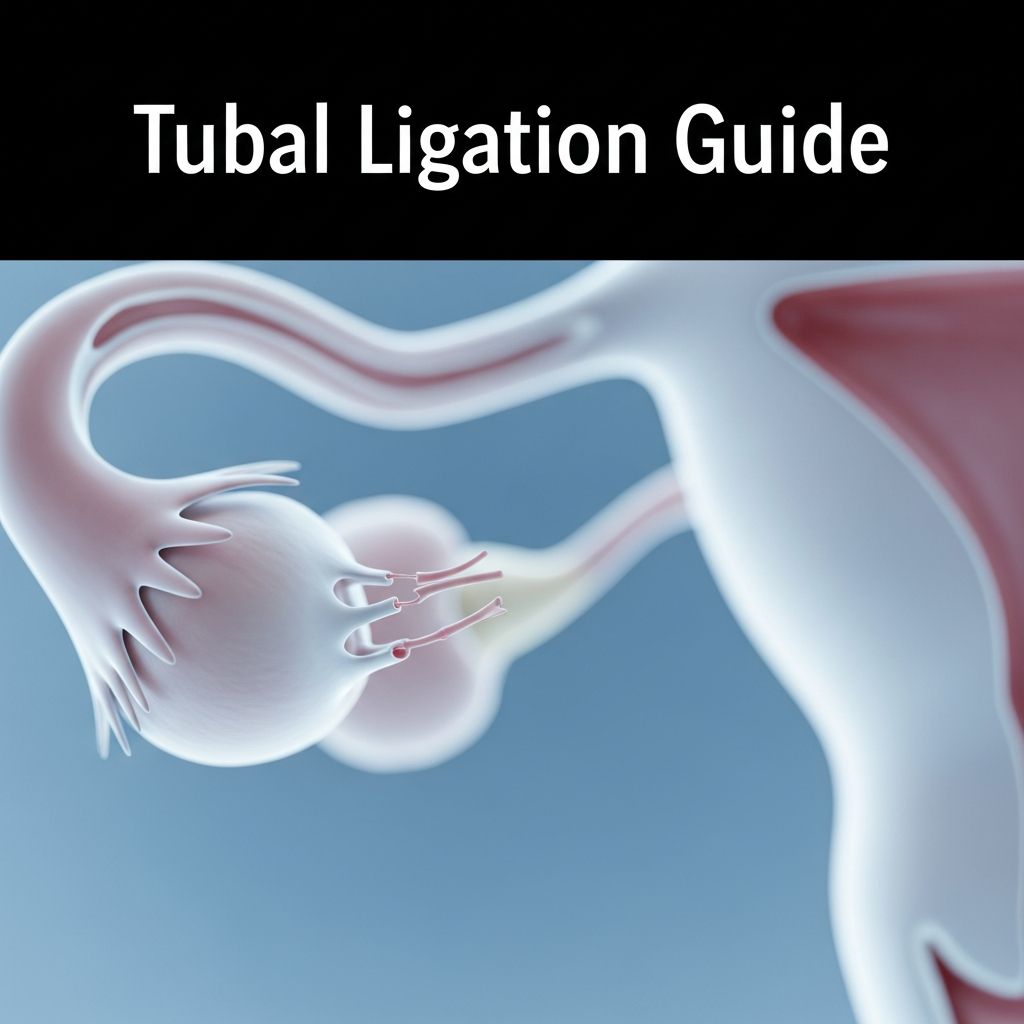
Tubal ligation serves as a highly effective, permanent form of contraception for women seeking to prevent future pregnancies. This surgical procedure involves blocking, cutting, or removing segments of the fallopian tubes, which connect the ovaries to the uterus, thereby stopping eggs from reaching the uterus and sperm from traveling to meet them. Unlike temporary methods such as pills or IUDs, tubal ligation offers near-permanent protection with a failure rate of less than 1% when performed correctly.
Understanding the Anatomy and Mechanism
The fallopian tubes play a crucial role in reproduction by transporting eggs from the ovaries to the uterus each month. During ovulation, an egg travels down the tube where it can be fertilized by sperm. Tubal ligation interrupts this pathway permanently. Women retain their ovaries, so hormonal production continues unchanged, meaning menstrual cycles and menopause timing remain unaffected. This procedure does not impact sexual function or libido.
Who Might Choose Tubal Ligation?
Ideal candidates include women who have completed their families, are certain they do not want more children, or face health risks from future pregnancies. It is particularly common postpartum, during cesarean sections, or as an interval procedure for those not recently pregnant. Counseling is essential to ensure informed consent, as the decision is intended to be irreversible.
Surgical Techniques and Approaches
Several methods exist to achieve tubal occlusion or removal, tailored to the patient’s situation and surgeon’s expertise. Common approaches include laparoscopy for most cases, mini-laparotomy postpartum, or integration with C-sections.
- Laparoscopic Method: Involves small abdominal incisions, gas insufflation for visibility, and a camera-guided tool to access the tubes.
- Postpartum Mini-Laparotomy: Uses a small cut near the navel shortly after vaginal birth for partial tube removal.
- C-Section Integration: Performs complete salpingectomy (tube removal) through the existing incision, preserving ovaries.
Occlusion Techniques
| Method | Description | Key Features |
|---|---|---|
| Cauterization | Electrical current seals tube sections, often 2-3 cm long | Minimally invasive, quick healing |
| Clips or Bands | Silicone bands or metal clips secure doubled tube portions | Reversible potential higher, no tissue cutting |
| Cutting and Tying (e.g., Pomeroy, Parkland) | Tubes ligated with sutures, segment excised | Traditional, reliable; visual confirmation of lumen |
| Salpingectomy | Complete tube removal from ovary to uterus | Reduces ovarian cancer risk, increasingly preferred |
Salpingectomy gains favor due to added ovarian cancer prevention benefits, as many such cancers originate in tube linings.
Preparing for the Procedure
Pre-surgery evaluation includes a medical history review, pelvic exam, and discussion of alternatives. Patients receive general or regional anesthesia based on the method. Fasting is required beforehand, and arrangements for postpartum procedures align with delivery timing. Surgeons confirm tube identification to avoid errors like mistaking round ligaments.
The Procedure Step-by-Step
Typically lasting 30 minutes, the surgery begins with anesthesia induction. For laparoscopy, the abdomen is inflated with gas, ports inserted, and tubes visualized. The chosen occlusion method is applied bilaterally, followed by inspection for bleeding and closure with absorbable sutures. Outpatient recovery allows same-day discharge for most.
Related Stories



Immediate Recovery and Care
Post-op, patients experience shoulder pain from gas, cramping, or bloating, resolving in days. Rest for 1-2 days, avoid heavy lifting for a week, and resume normal activities gradually. Pain relievers manage discomfort; bleeding is minimal. Full recovery takes 1-2 weeks, with follow-up to confirm success via dye test if needed.
- Common symptoms: Gas pain, fatigue, light spotting
- Activity restrictions: No baths, intercourse, or strenuous exercise initially
- When to seek help: Fever, severe pain, heavy bleeding
Potential Risks and Complications
While safe, risks include infection, bleeding, anesthesia reactions, or ectopic pregnancy (rare post-failure). Organ injury occurs in less than 1% of cases. Ectopic risk persists if pregnancy occurs, as sperm may still reach tubes partially. Long-term, no proven links to menstrual changes or early menopause.
Effectiveness and Failure Rates
Success exceeds 99%, making it more reliable than vasectomy or hormonal methods. Failures stem from recanalization or improper placement, emphasizing skilled surgeons. Confirmation tests ensure occlusion.
Reversal Possibilities and Alternatives
Reversal microsurgery reconnects tubes but succeeds in only 40-80% of cases, with lower fertility rates. IVF bypasses tubes entirely, offering higher success for some. Non-surgical alternatives like hysteroscopic occlusion (e.g., Essure, discontinued) or ongoing methods suit those uncertain about permanence.
Long-Term Health Impacts
Ovaries remain functional, preserving estrogen and periods. Emerging data support salpingectomy for cancer risk reduction without hormonal disruption. No evidence links tubal ligation to weight gain, heart disease, or hysterectomy needs.
Counseling and Decision-Making
Thorough counseling addresses regrets, especially in younger patients. Factors include age, family plans, partner input, and alternatives. Many regret rates drop with age and parity.
Frequently Asked Questions (FAQs)
Does tubal ligation cause menopause?
No, ovaries continue hormone production unaffected.
Can I get pregnant after tubal ligation?
Risk is under 1%, but possible; use backup contraception initially.
How painful is recovery?
Mild to moderate, managed with over-the-counter pain relief.
Is it covered by insurance?
Often yes, especially postpartum; check policies.
What’s the difference between tubal ligation and hysterectomy?
Ligation blocks tubes only; hysterectomy removes uterus.
Comparing Tubal Ligation to Other Permanent Options
| Option | Effectiveness | Reversibility | Invasiveness |
|---|---|---|---|
| Tubal Ligation | >99% | Difficult | Moderate |
| Vasectomy (Partner) | >99% | Easier | Low |
| Salpingectomy | >99% | Not possible | Moderate-High |
Emerging Trends and Future Considerations
Opportunistic salpingectomy during other surgeries rises for cancer prevention. Research explores less invasive occlusion devices, though regulatory hurdles persist. Patient education evolves to highlight these benefits.
References
- Tubal Ligation Procedure: Side Effect, Recovery & Why It’s Done — All About Women MD. 2023. https://www.allaboutwomenmd.com/knowledge-center/tubal-ligation-procedure.html
- Tubal Ligation | Tubes Tied — MedlinePlus (U.S. National Library of Medicine). 2024-02-12. https://medlineplus.gov/tuballigation.html
- Tubal Sterilization — StatPearls, NCBI Bookshelf (National Center for Biotechnology Information). 2023-07-17. https://www.ncbi.nlm.nih.gov/books/NBK470377/
- Tubal Ligation — Mayo Clinic. 2024-01-08. https://www.mayoclinic.org/tests-procedures/tubal-ligation/about/pac-20388360
- Tubal Ligation — UF Health. 2023. https://ufhealth.org/conditions-and-treatments/tubal-ligation
Similar Articles








Read full bio of Sneha Tete